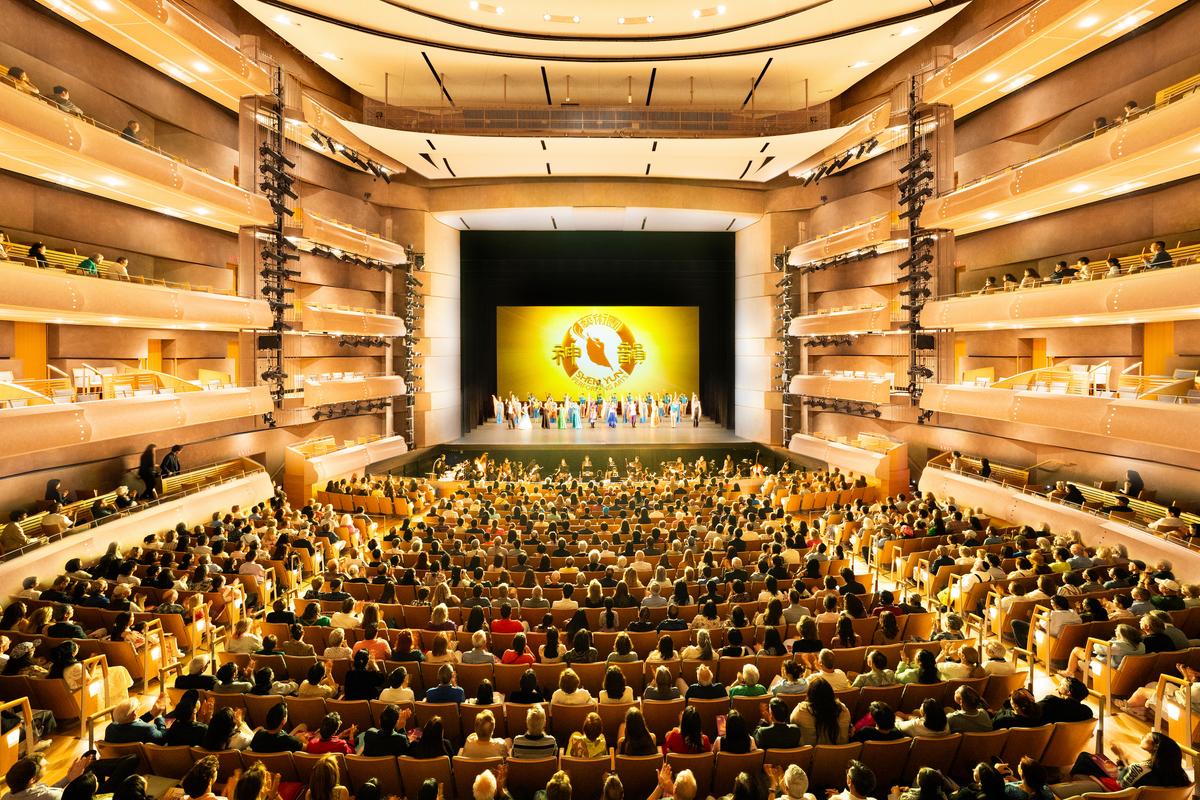
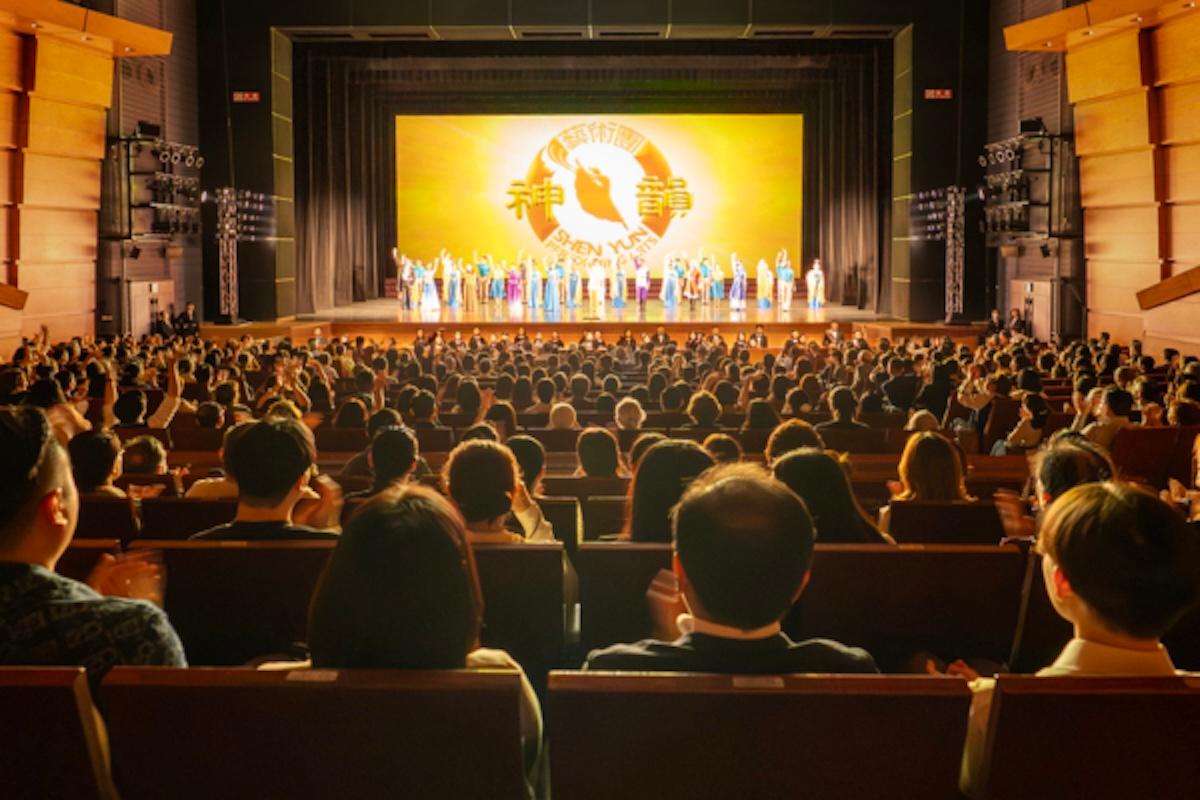
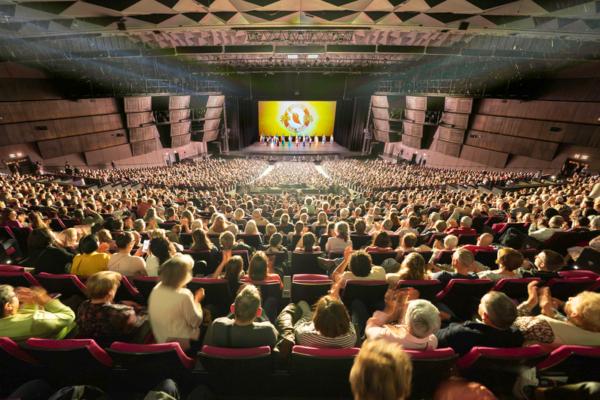
DIJON, France—For its second performance at the Zénith in Dijon, Shen Yun was sold out, as were all the performances scheduled in the Burgundian capital.
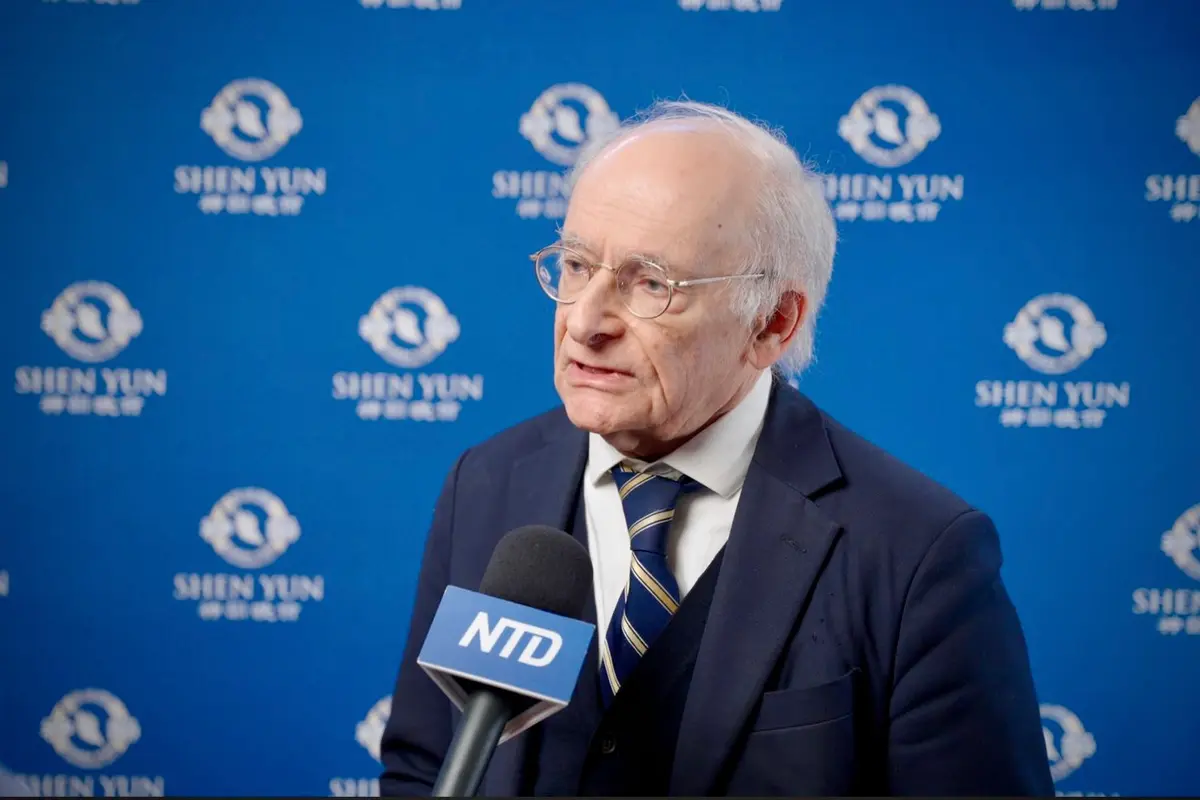
On Feb. 10, Hugues Jardin immersed himself in 5,000 years of traditional Chinese culture by attending the performance.
This career military man spent more than 30 years with the French Navy, sailing the seas and oceans, before rising to the position of chief of staff. After retiring, this trained engineer devoted himself to helping the most vulnerable, and he and his wife founded a personal care company in Dijon.
“It didn’t surprise me,” he said, “because I knew that the Chinese excelled at dancing and acrobatics.”
“I felt this particularly through references to practices such as Falun Dafa meditation. All these Chinese arts deeply move me.”
‘We Are Spellbound’
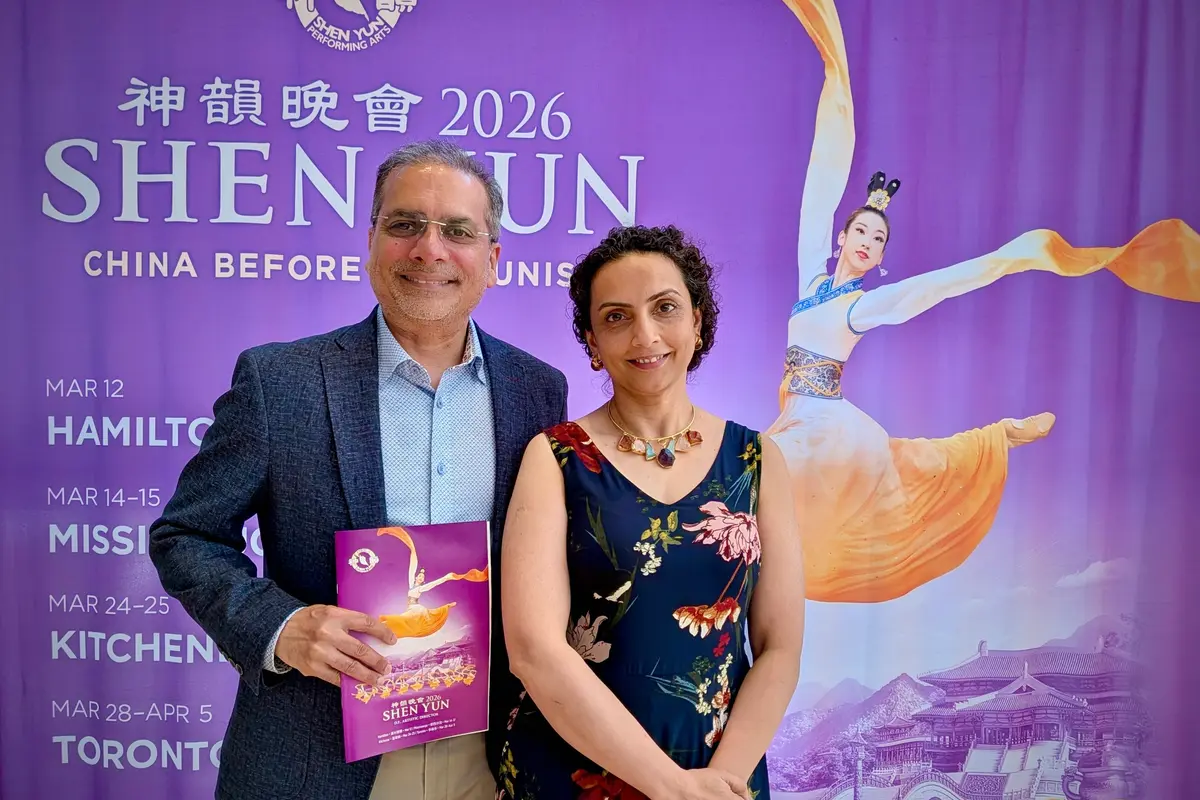
Marie-Charlotte Ernst has always been passionate about alternative medicine and finding solutions to physical imbalances and is a practitioner of traditional Chinese medicine (TCM). On Feb. 10, she traveled from Besançon to experience Shen Yun, accompanied by Ferdinand Gottschoper, a computer scientist.“It’s very colorful, lively, and dynamic,” she said. “It’s also very interesting, from a cultural point of view, to see how things have evolved from ancient China to today. It’s really very enjoyable.”
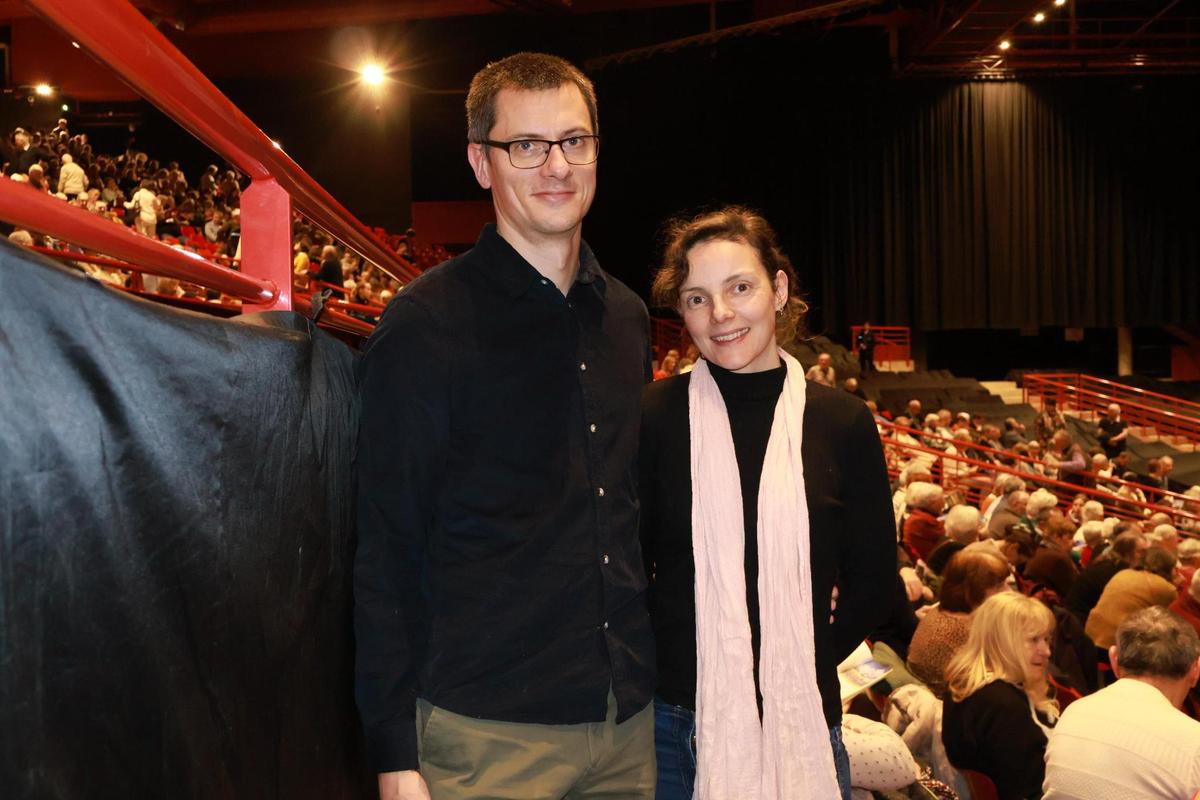
Mr. Gottschoper shared his admiration, mixed with questions, upon discovering classical Chinese dance: “I don’t realize how much work goes into it, but I don’t think it’s very easy. It’s quite impressive.”
Ms. Ernst was particularly moved by Shen Yun’s music: “The fact that there is live music completely immerses us in the performance. It really grabs your attention; you are spellbound by what is happening on stage.”
For the therapist, “these are sounds that are unusual in the West. You can really feel the refinement and subtlety of Chinese music. It’s very pleasant.”
In traditional China, music was considered a therapeutic tool. The Chinese characters for medicine, yao (藥), and music, yue (樂), are almost identical. Traditional Chinese medicine associated the five musical scales—gong (C), shang (D), jue (E), zhi (G), yu (A)—with each of the five main organs (spleen, lung, liver, heart, and kidney), as well as with the five elements (wood, fire, earth, metal, and water).
Shen Yun “shows us realities that we are not necessarily aware of here, particularly the repression of spiritual beliefs,” she said. “Exposing them freely abroad demonstrates a genuine desire to raise awareness of what may be happening in China today.”
The values of courage, loyalty, kindness, and endurance conveyed by Shen Yun are essential, Ms. Ernst said. “They should be taken up everywhere right now. With the current wars and conflicts, these values are sometimes forgotten,” she added.