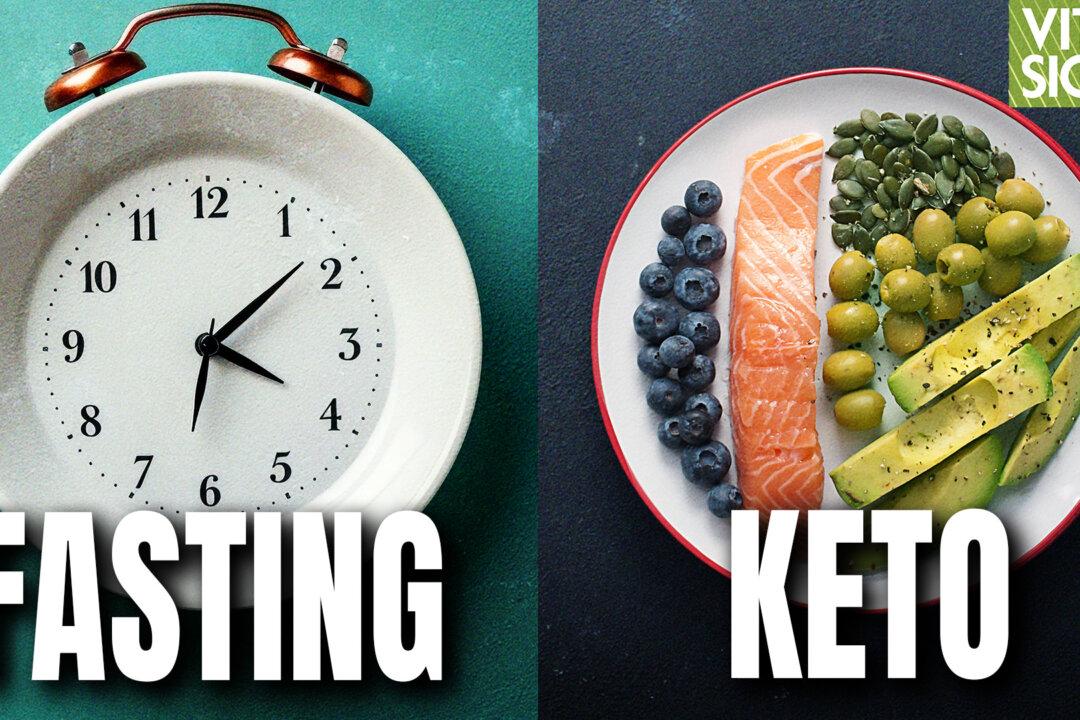
Learn about the science of chrononutrition and how scheduling meals impacts metabolism, health, and weight.

There are a multitude of studies that support the benefits of intermittent fasting that range from weight loss to cognitive function.

Intermittent fasting is one of the most popular methods for weight loss and metabolic fitness, and it may have even broader benefits.

Intermittent fasting ‘may serve as an effective initial lifestyle intervention‘ for patients with Type 2 diabetes—potentially eliminating antidiabetic drugs.

Scientists use molecules and specially designed immune cells to reduce damaged ‘zombie’ cells and combat aging. We can also do this naturally and holistically.

Healing the liver has emerged among the many benefits of intermittent fasting.

Fasted training promises fat loss and performance gains but carries risks, especially for women. Discover a balanced approach.
A preliminary report of a new study suggests that fasting for 16 hours with an eight hour eating window may cause more harm than good.

Fasting can help in managing epilepsy, cancer, and diabetes and can improve cognitive impairment, but certain people should be cautious.

People who eat breakfast later are more likely to develop Type 2 diabetes, while those who have dinner later are more prone to stroke.

High blood sugar can lead to a multitude of diseases and health problems, including dysfunction of mitochondria in endothelial cells—the cell’s powerhouses.

This approach can benefit individuals dealing with chronic insomnia and anxiety, too.

The problem with habits is you can never change them, but you can modify them!

The time-restricted approach to eating and modern wellness trend dates back to ancient Greece and Hippocrates