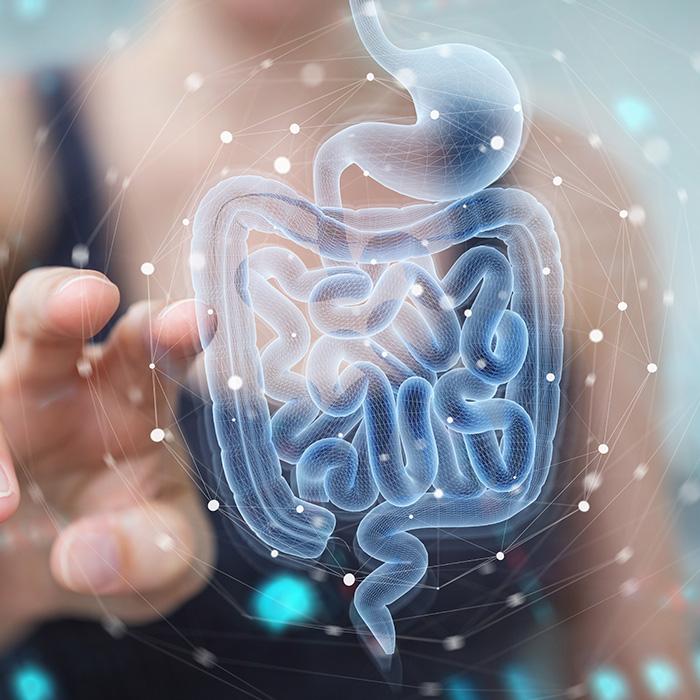
Compounds in citrus fruits enhance gut bacteria that boost brain chemicals linked to fighting depression.

An animal study offers new possibilities for mental health.
Learn practical steps to rebalance the gut microbiome that influences hot flashes, hormones, and overall health during menopause.

With the emergence of modern food processing, there has been a decline in the health of our microbiomes.

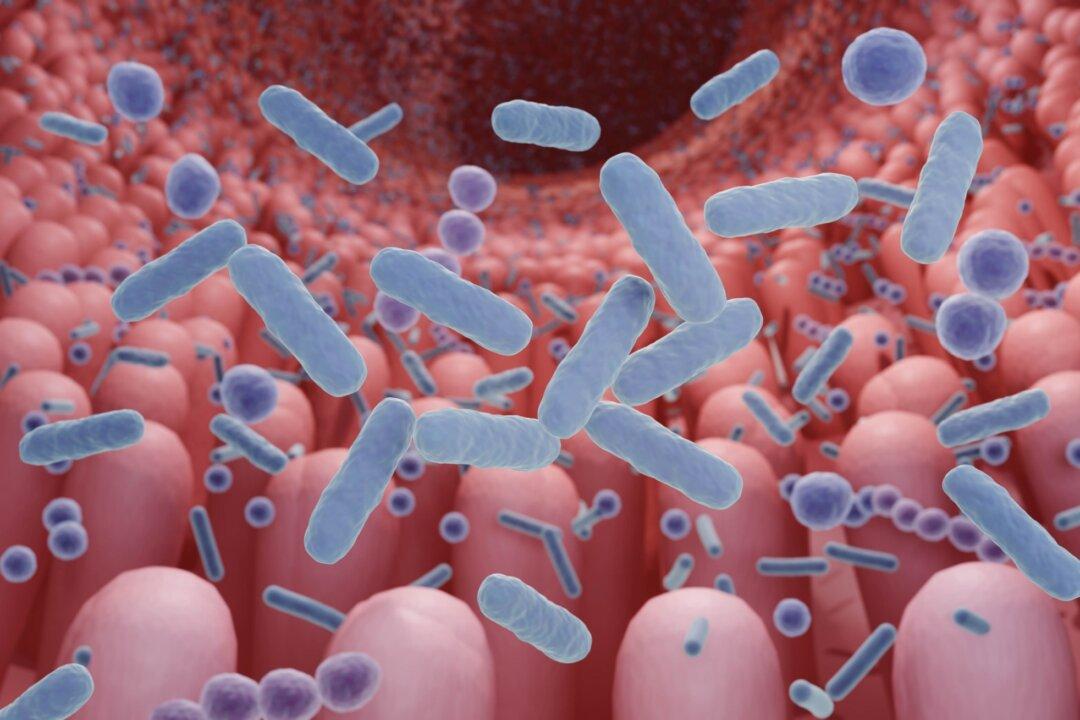
Experts recommend a diet rich in fermented foods, prebiotics, and fruits and vegetables to combat losses in muscle mass.

A study in mice shows early-life exposure to a pervasive pollutant can damage the gut microbiome.
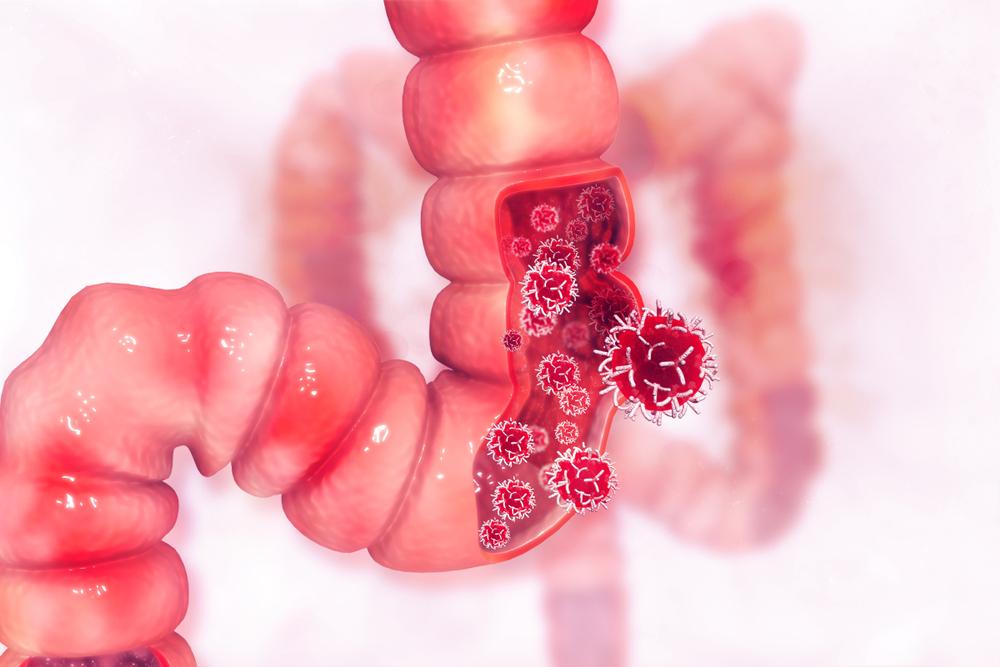
A report in May expanded on a worrisome trend in adults under 45. Here’s what it found, as well as colorectal cancer symptoms and risk factors.
Stool samples noted a high degree of accuracy in distinguishing autism, and early diagnosis is associated with better outcomes.

A new study found that the liver has a special helper in bacterial enzymes in the gut, which can perform many of its same functions.
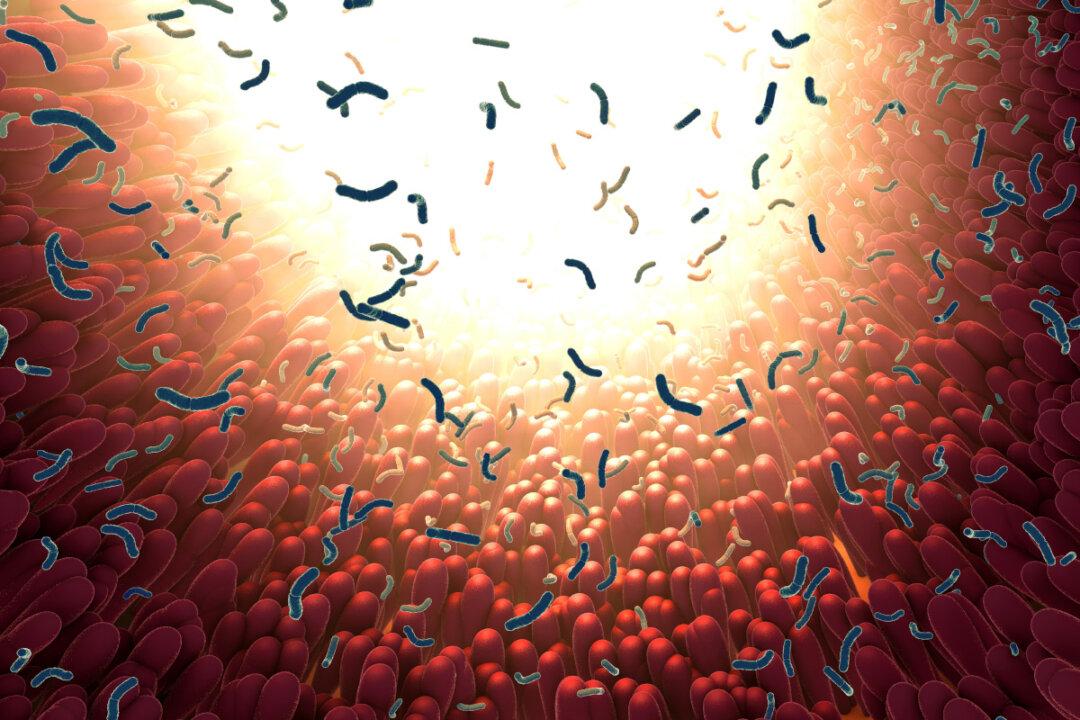
Discoveries involving microbes in colon cancer could eventually drive screening methods and lead to microbial-based therapies targeting tumors.

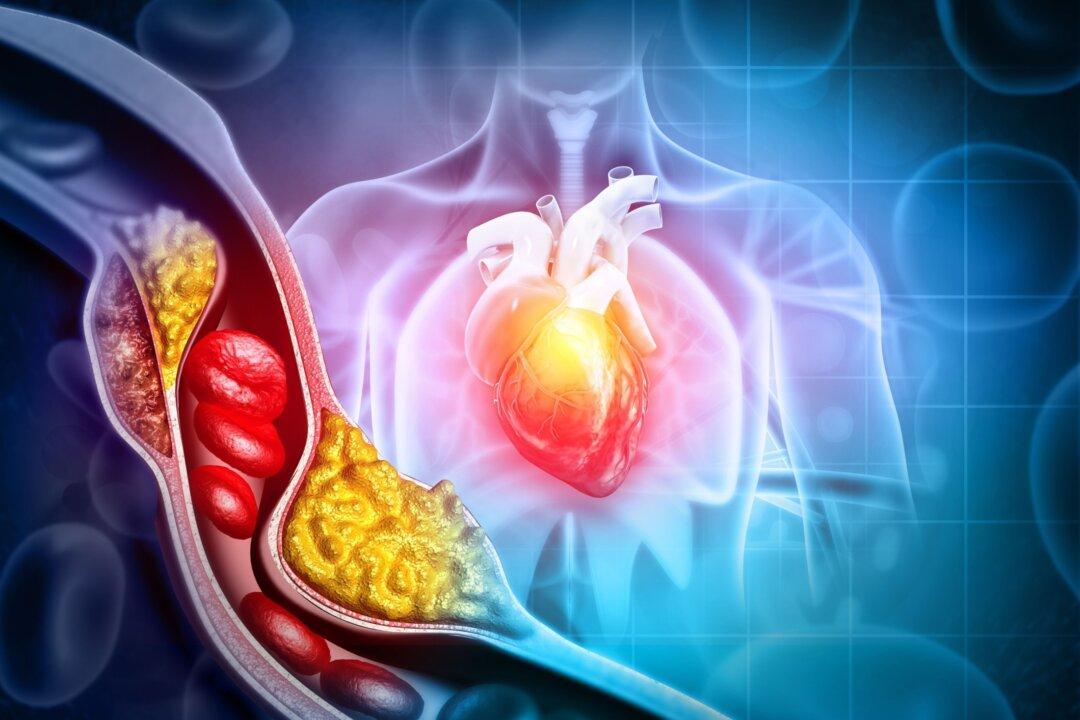
Ongoing research reveals synergistic effects of gut bacteria working to clear cholesterol. Higher levels of bacteria are associated with lower cholesterol.
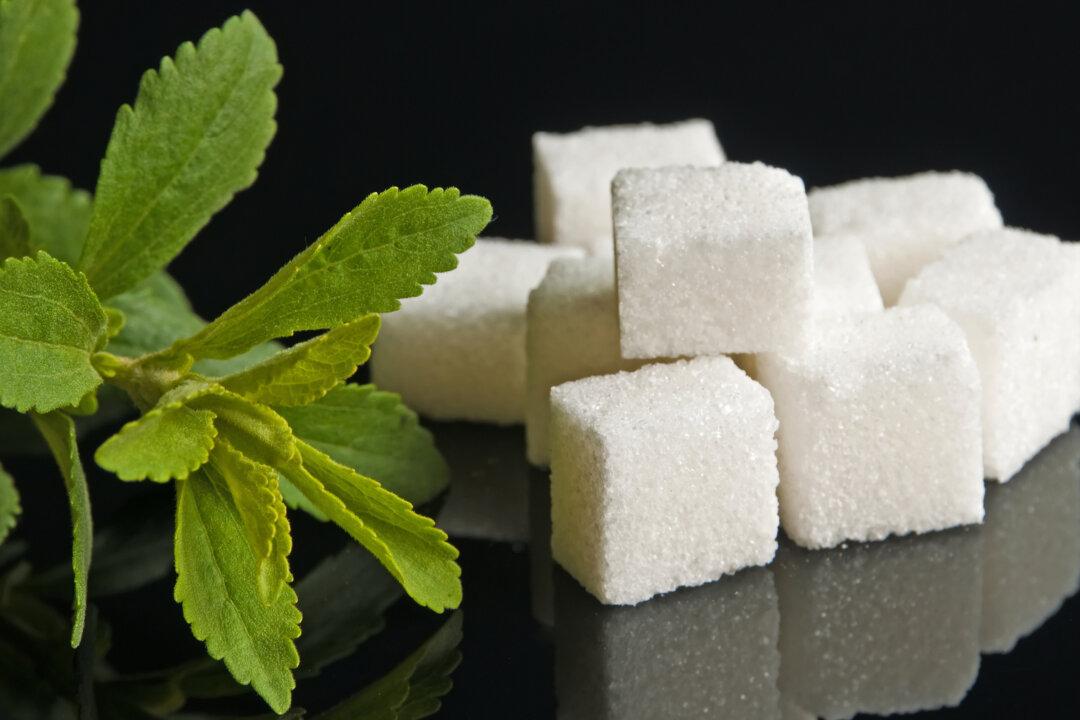
The sugar substitute is known for its potential to lower blood pressure and blood sugar, but some research suggests it may disrupt more than the gut microbiome.
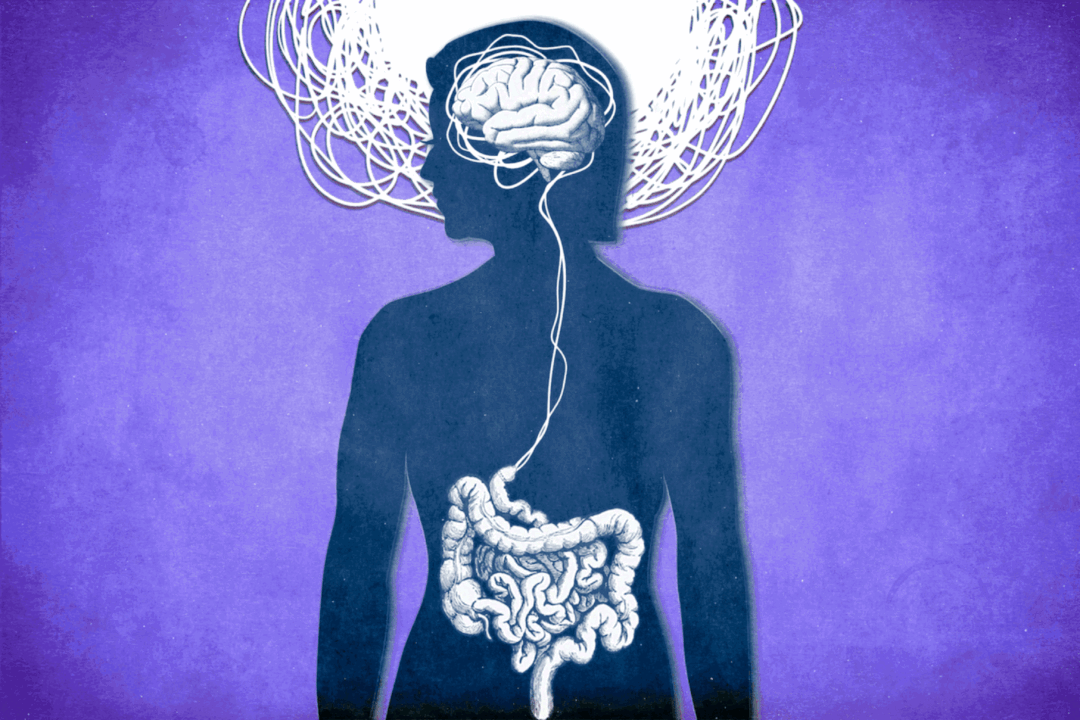
Research warns of a vicious cycle between stress, cancer, and microbes that starts at the moment of diagnosis.
The antimicrobial nisin used to keep foods safe from pathogens appears to be responsible for harming commensal gut microbes.
A new study suggests people who have recovered from COVID-19—even if they had mild cases—are at risk of future digestive diseases.
A new study adds to research showing the benefits of L. reuteri for improving social functioning in children with autism.
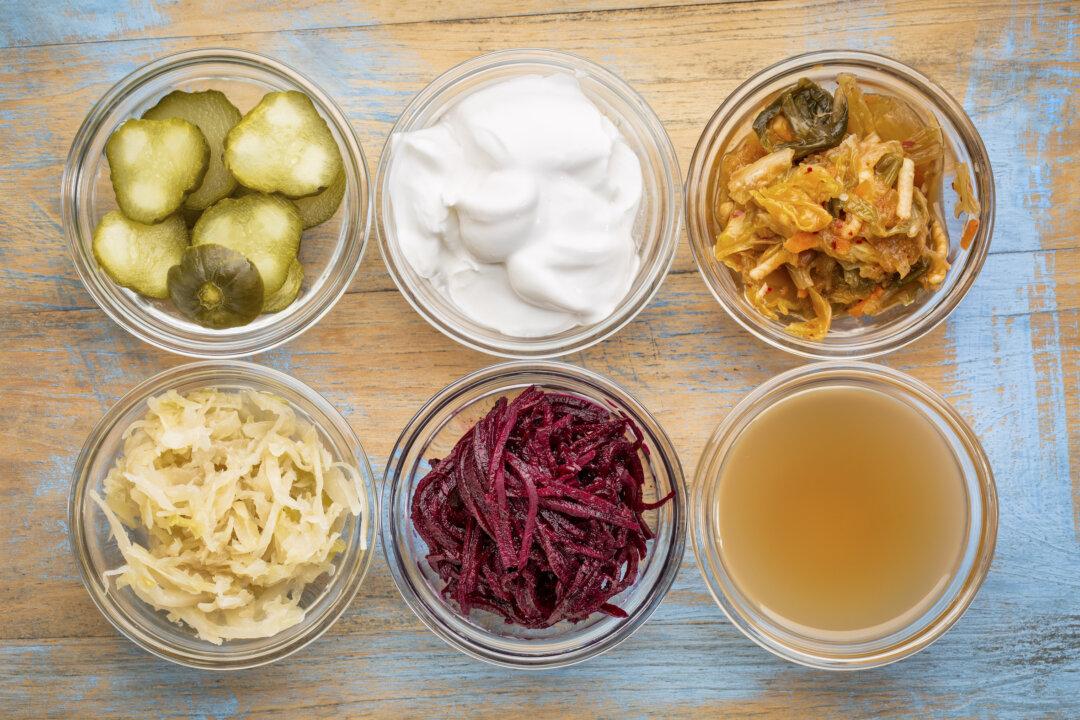
The incidence of COVID-19 diagnosis among those taking probiotics was almost half that of those taking a placebo, a new study reveals.
Probiotic use is largely misunderstood by consumers and even researchers. The result is that the various benefits of probiotics are often overstated.
Researchers have found that a synbiotic preparation called SIM01, can effectively alleviate post-COVID symptoms and improve gut microbiome imbalance.
Even those well attuned to their personal health and well-being sometimes overlook these six basic fundamentals of self-care.