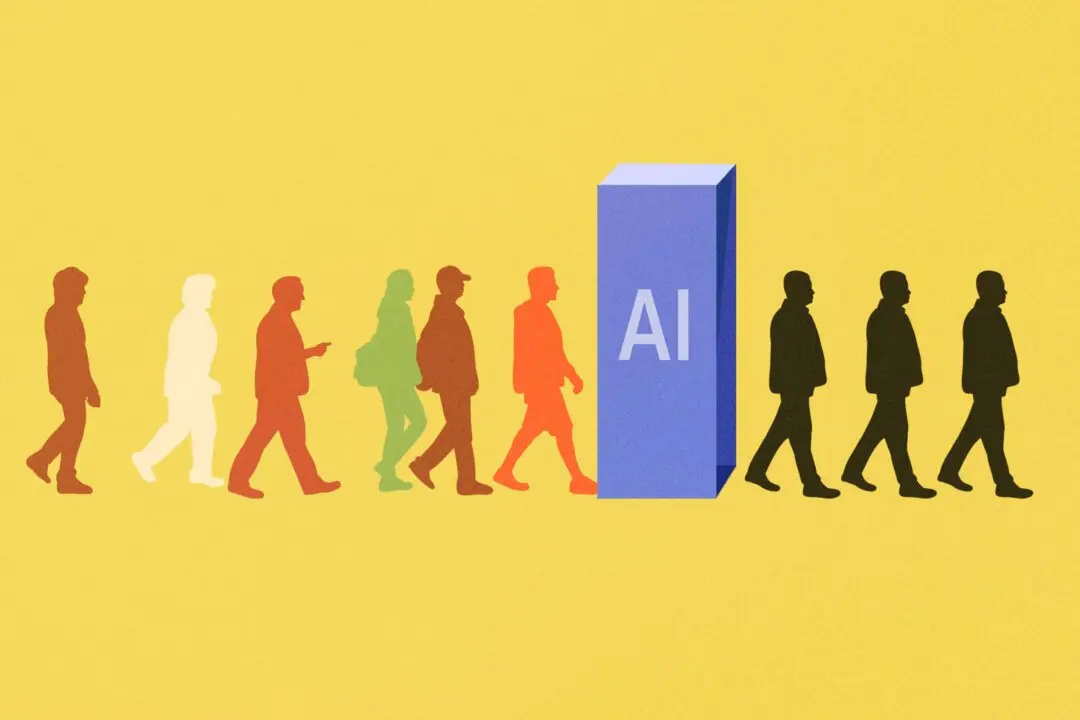
When AI becomes the starting point for writing and decision-making, it can reshape how we understand ideas, trust our judgment, and value our own work.
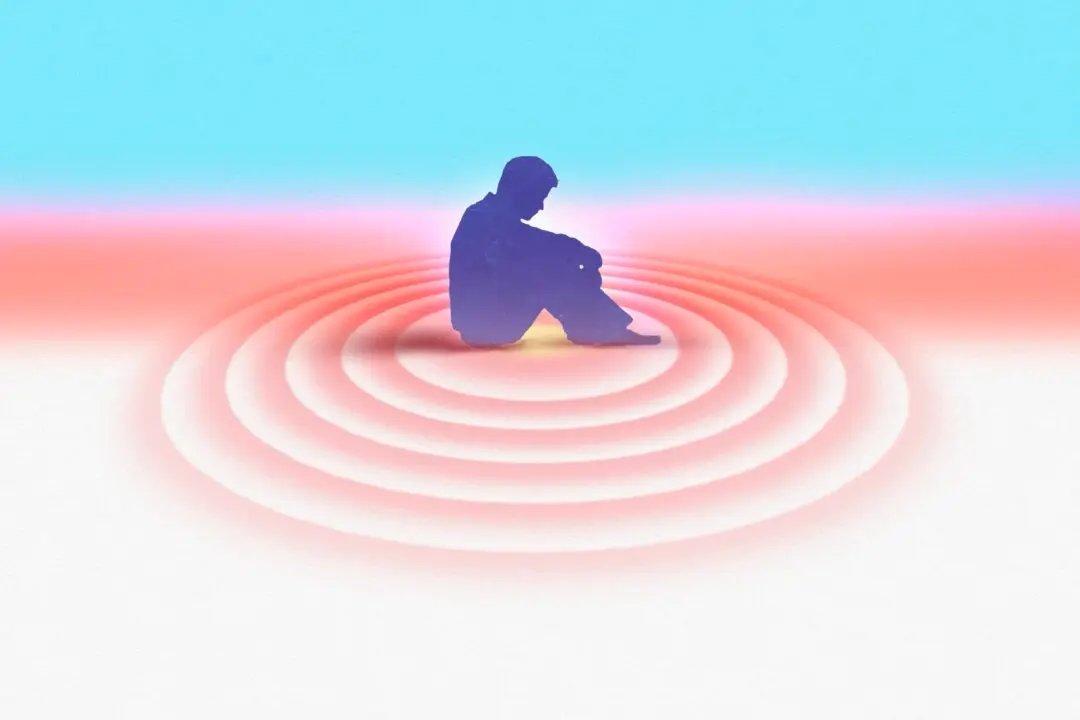
New research points toward a biologically distinct subtype of depression, and a common blood test that could identify it.
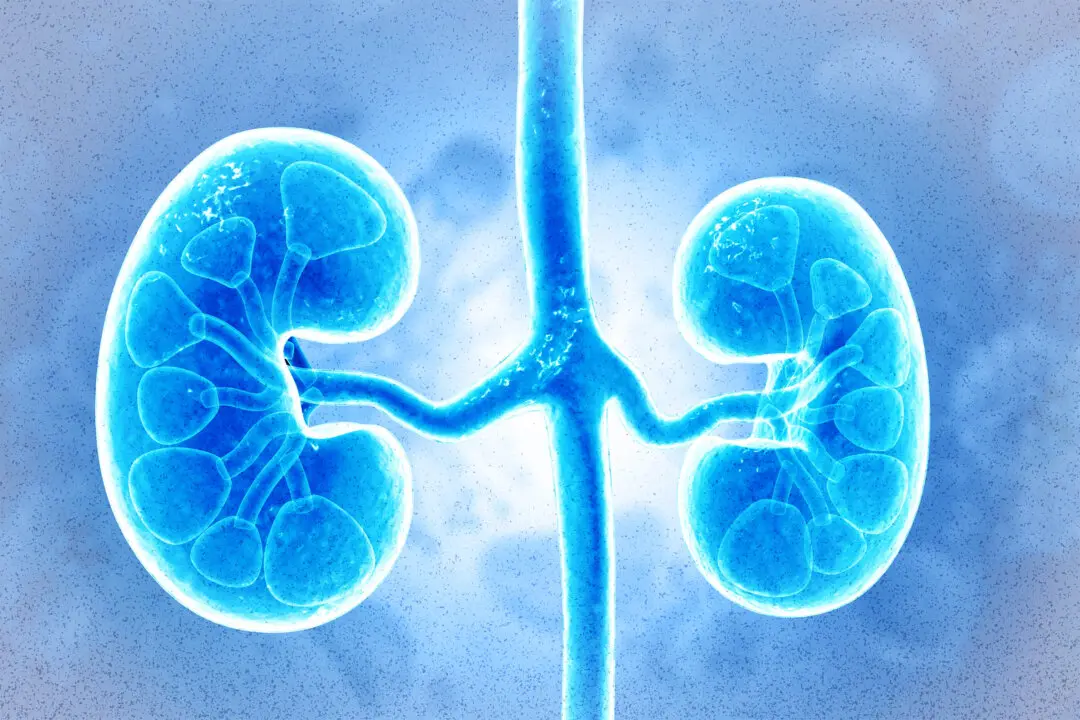
New research suggests the kidneys influence more than fluid balance—from salt cravings and blood pressure to how the body recovers from injury.
Dermatologists have been waiting for bemotrizinol for years. Here’s what makes it different from existing UV filters and what you should know about it.

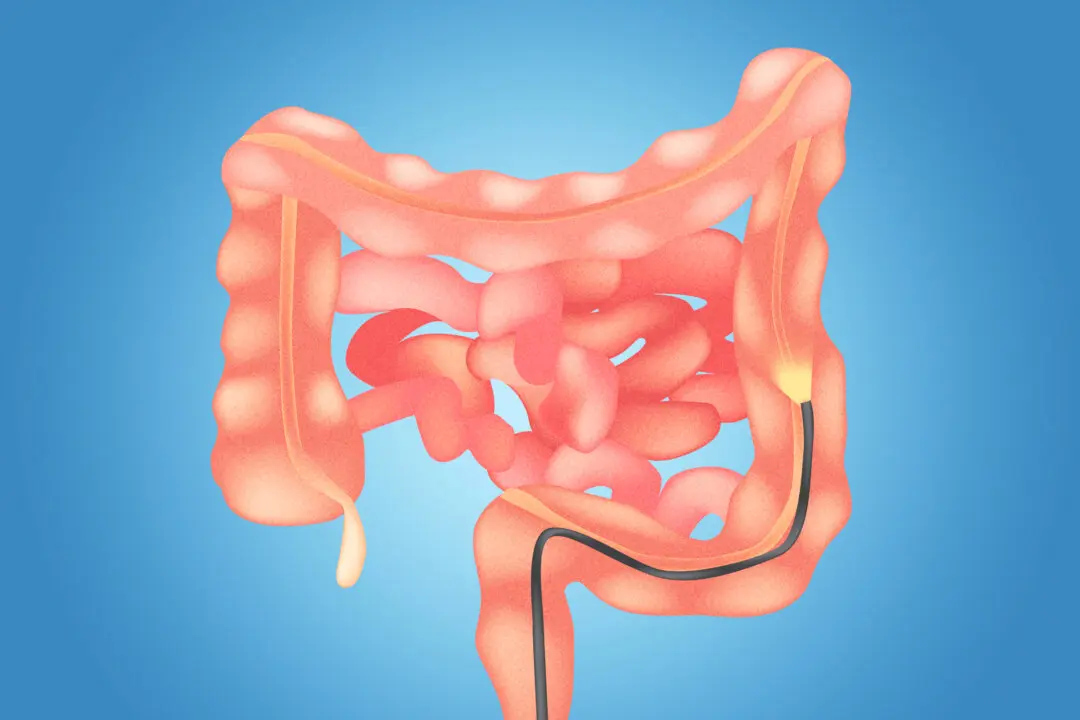
A 23-year study found lasting reductions in colorectal cancer risk and deaths after one flexible sigmoidoscopy, especially in men.
Two people can have the same cholesterol level but very different heart disease risk. A simple test may explain why.
Researchers found that everyday health patterns could help flag Alzheimer’s risk, pointing to a broader connection between the body and the brain.

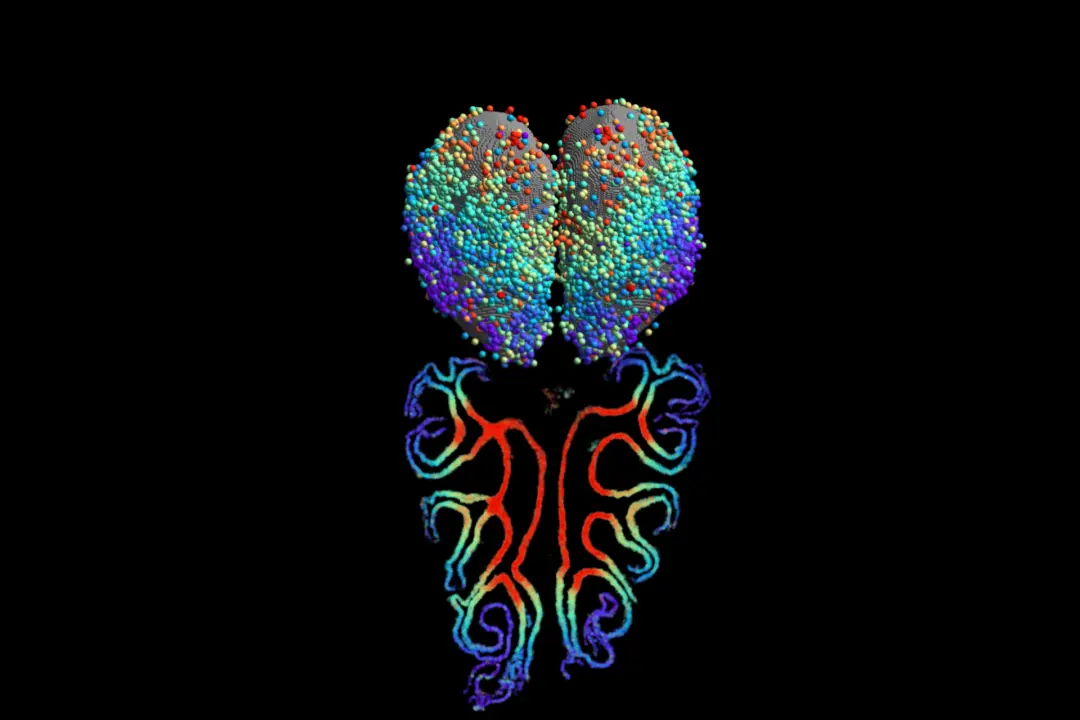
The detailed maps of odor receptors in the nose and brain reveal an unexpected order behind one of the body’s most mysterious senses.
A meta-analysis found that repeating the same psychiatric assessment often produced different results, underscoring the complexity of diagnosing mental health.
Scientists followed a group of indigenous people living in remote villages who maintain a traditional lifestyle.