The results underscore challenges in cannabis research and call for more studies.

A gooey biomaterial may help regenerate cartilage, potentially reducing the need for costly knee replacements.

A study shows that state-level insulin caps do not encourage an increased use of insulin.
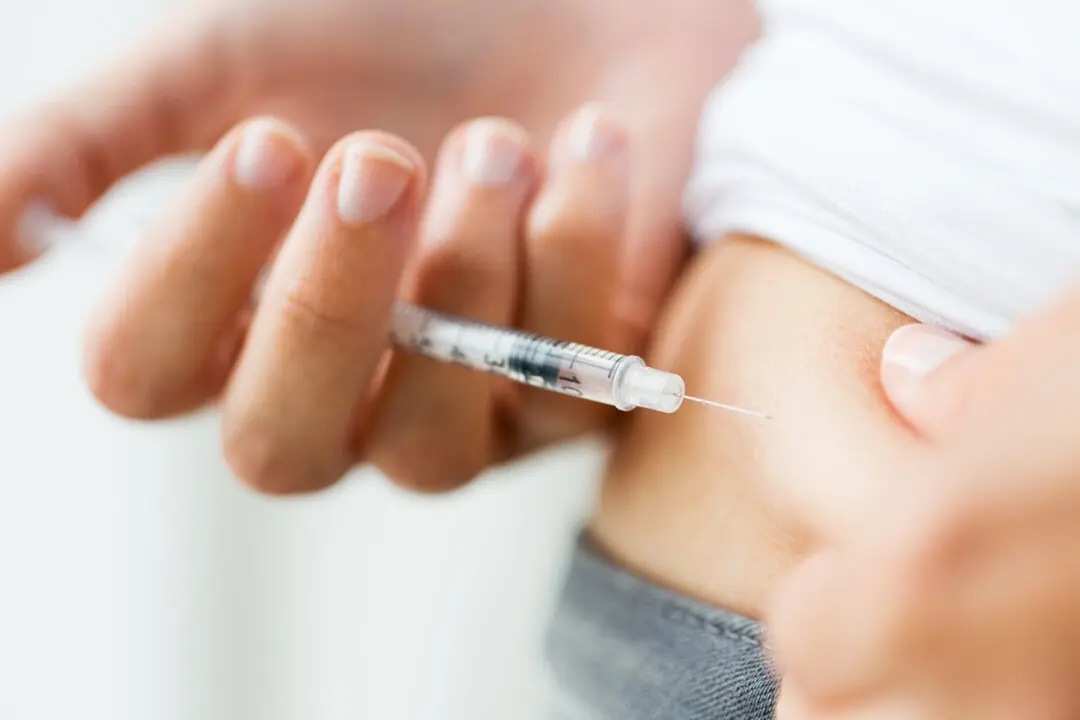
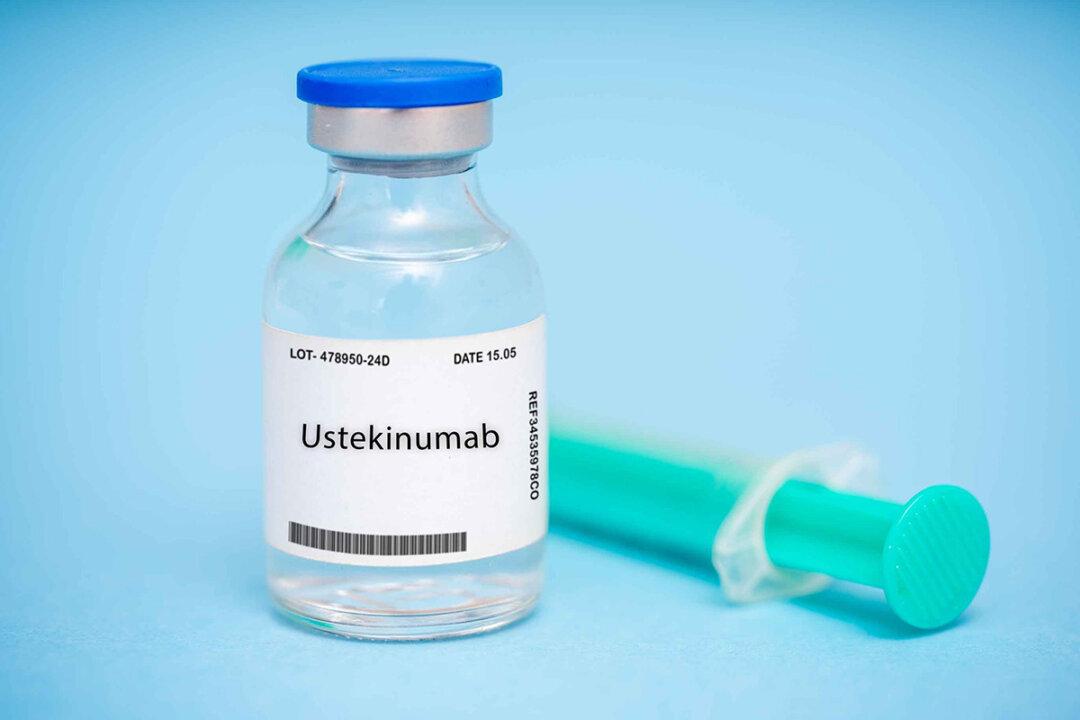
A trial with 72 patients showed that ustekinumab, a drug used to treat psoriasis, could help treat early stages of Type 1 diabetes in adolescents.
The report lists 14 risk factors that could help prevent or delay the onset of dementia.

Can bacteria aid in the healing process? Scientists have found that A. faecalis may help heal wounds associated with diabetes.
The researchers predict an additional 107,000 heart attacks and strokes over the next 10 years.

Researchers identify 2-deoxy-D-ribose, a sugar component of DNA, as a potential treatment option for male pattern baldness.

A new study reveals an inverse relationship between vitamin D levels and the risk of dental cavities in people ages 65 and older.
A new clinical option could potentially help hospitals quicken how sepsis is assessed and treated, thereby improving patient outcome.