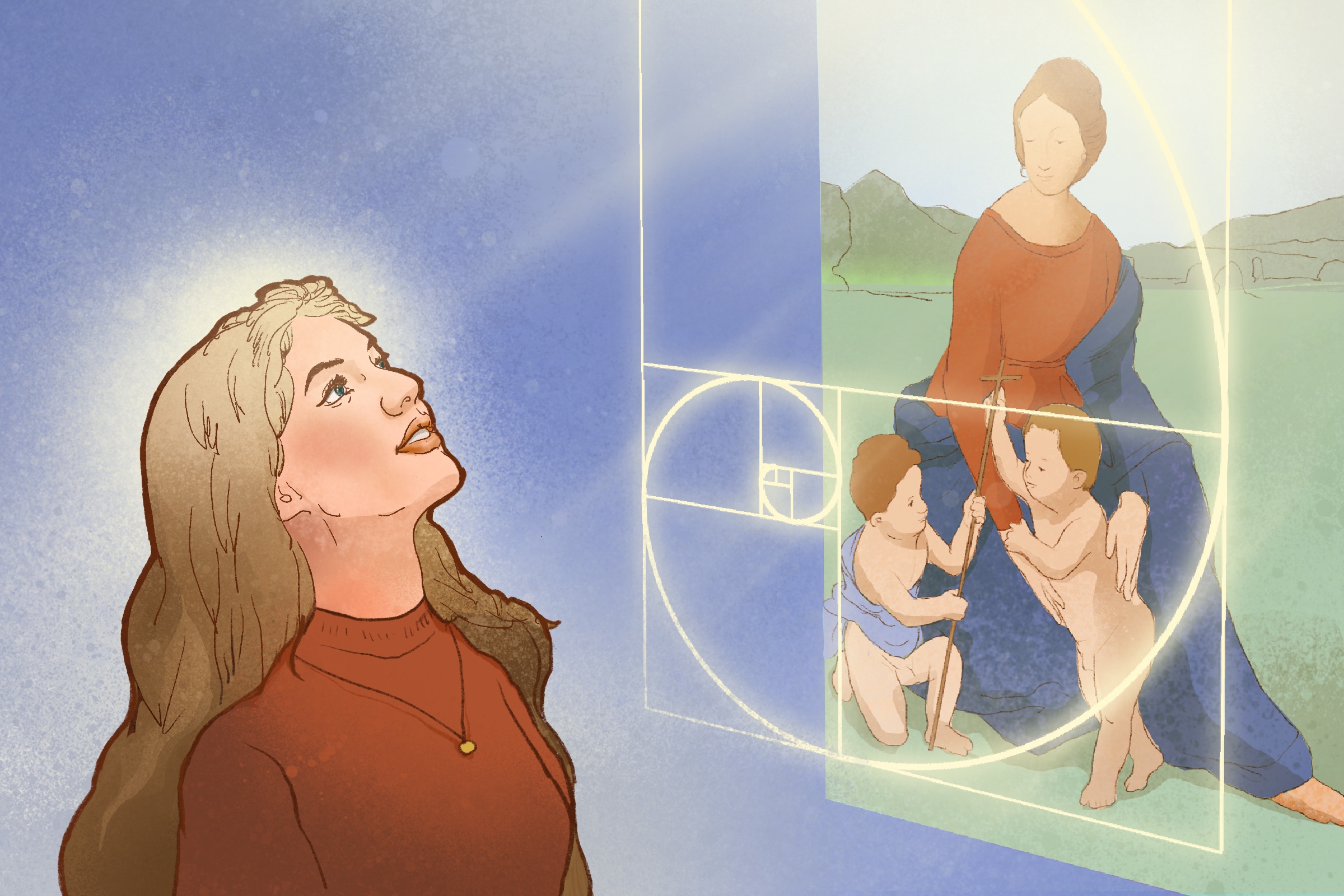
Beneath the Sistine Chapel’s soaring ceilings, strangers from across the world stand transfixed, their faces tilted upward in unified wonder. Some weep openly, while others gaze in silent reverence. In this sacred space, cellphones are forbidden, and beauty permeates every corner. As spectators look up, their brains activate vibrantly while their bodies slip into serenity, a phenomenon that continues to fascinate neuroscientists and physicians alike.
The Equation of Beauty
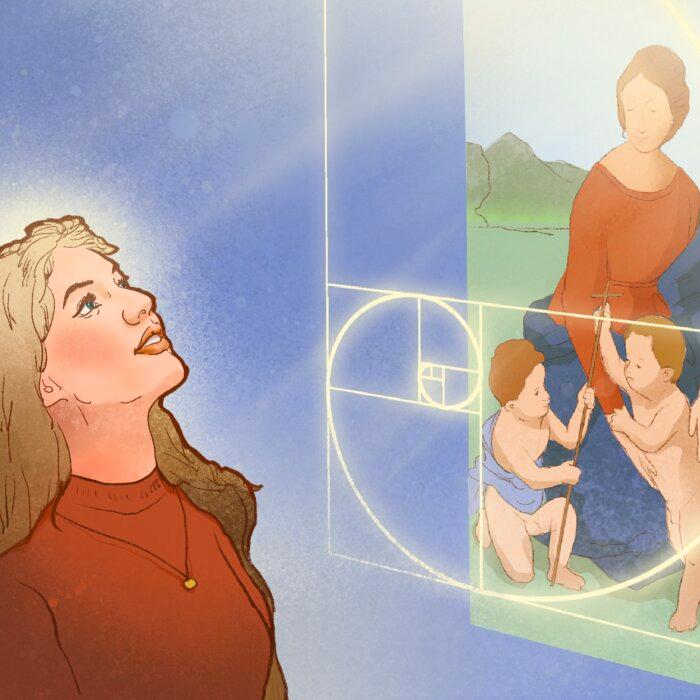
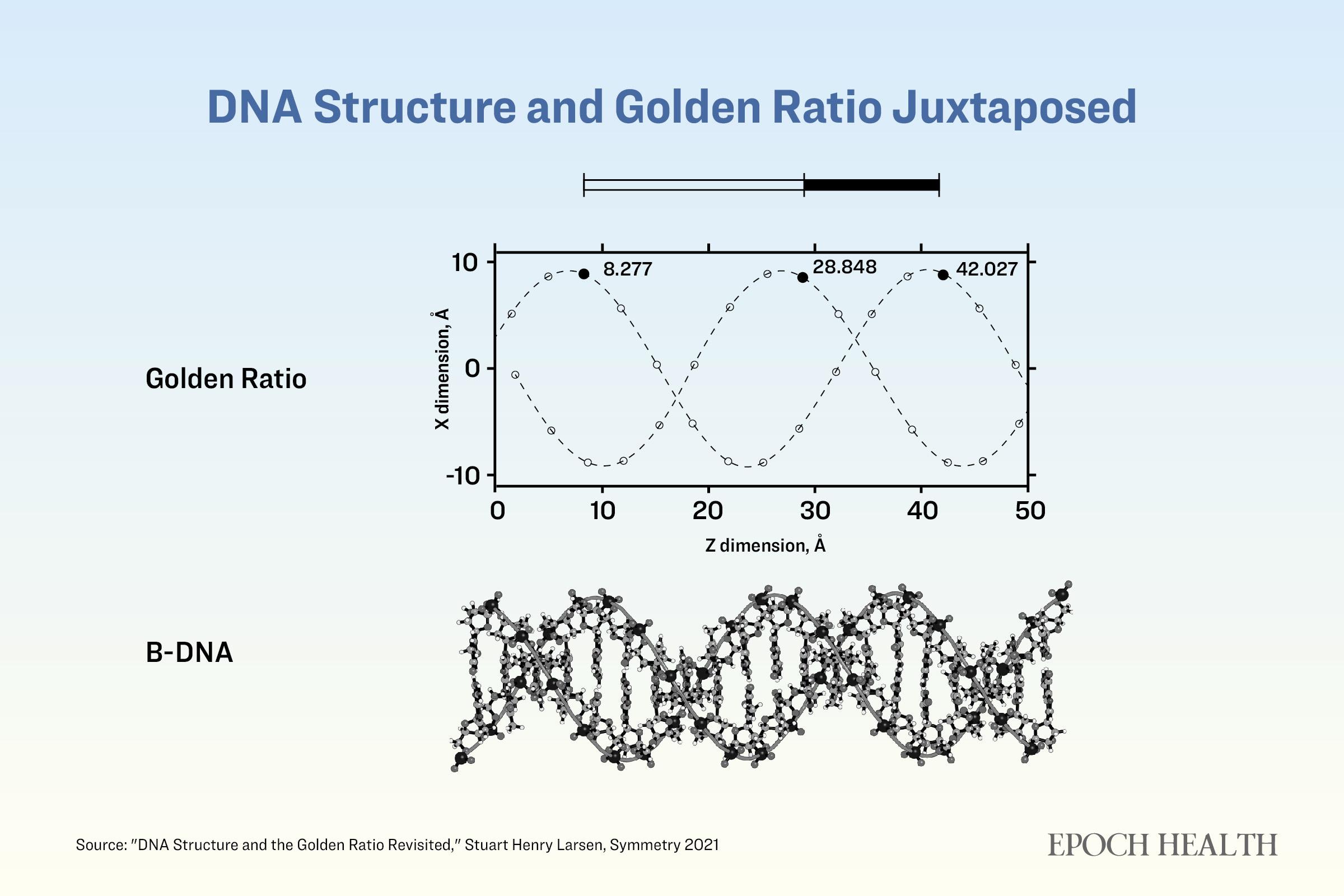
At the core of many beautiful things—natural and man-made—is a common theme: 1.618. Known as the “golden ratio,” this irrational number has been called the “divine proportion” for centuries.The ratio is omnipresent in nature, seen in spiraling shells, sunflower seeds, galaxies, and the proportions of the human face. Traditional artists, particularly during the Renaissance, often incorporated the golden ratio into their work.
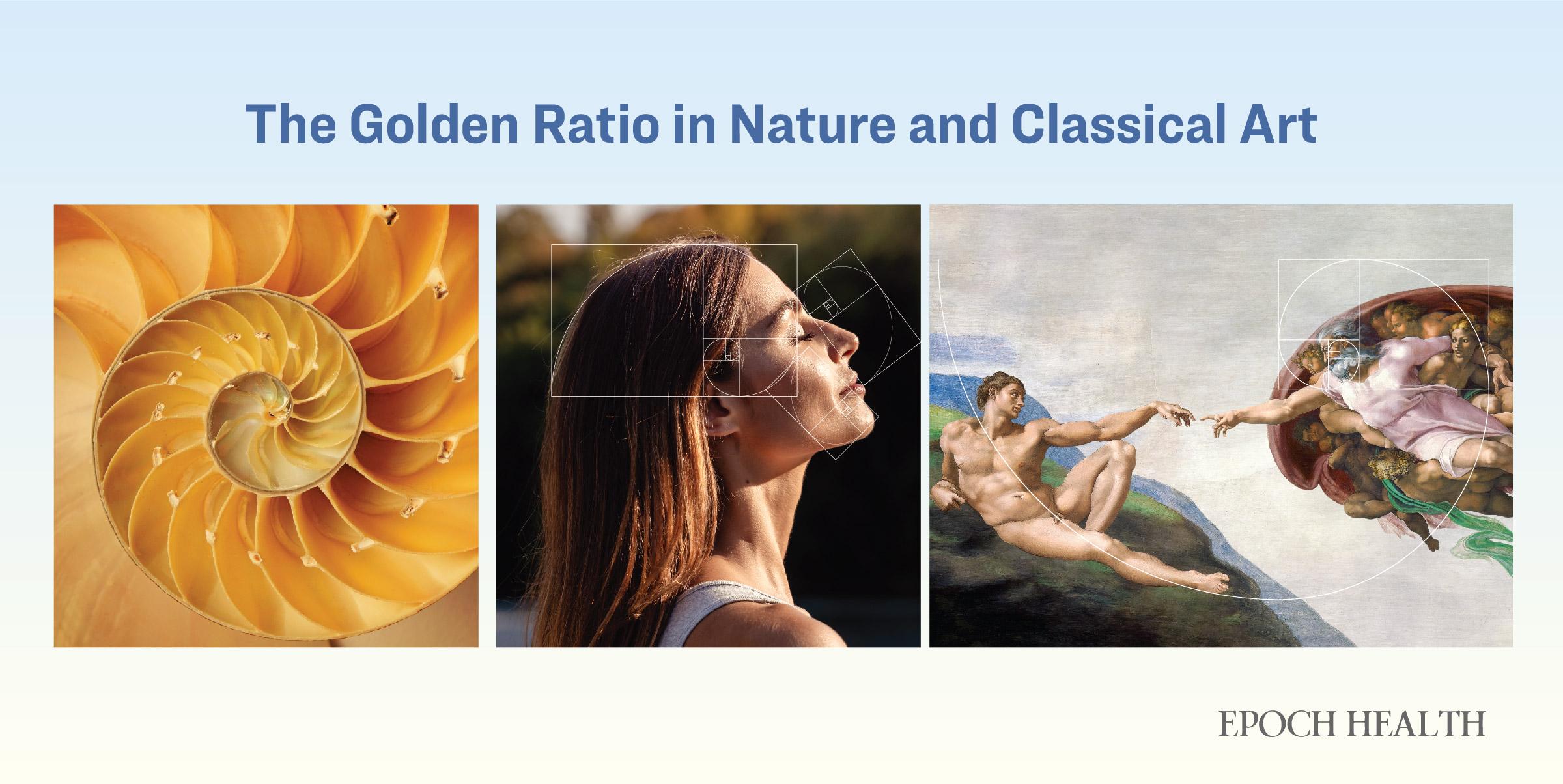
Enzo Grossi, scientific director at Villa Santa Maria Foundation and advocate of using beauty in clinical settings, said that if there is any universality to beauty, it’s to be found in the golden ratio.

“[It’s] an underlying pattern that contributes to the beauty and complexity of the natural world,” Grossi told The Epoch Times. Our eyes and brains inherently love forms that follow this ratio.
“This could be due to the sequence’s prevalence in nature, making it a familiar and comforting pattern for our brains,” Grossi said.
Our fondness for natural beauty is coupled with a good reason.
“In nature, stems and trees, leaves and flowers all grow symmetrically, whereas a deformed ear of corn may not be safe to eat,” Grossi said. He suggests that beautiful things are appealing because they may help us survive.
Yet beauty doesn’t begin or end with utility. David Rothenberg, professor of philosophy and music at New Jersey Institute of Technology and author of “Survival of the Beautiful,” points out that nature sometimes produces unexpected appeal. A peacock’s massive, iridescent tail offers no functional advantage—in fact, it makes flying more difficult. But female peacocks prefer it.
“Animals have a natural aesthetic sense, and they appreciate beauty for its own sake,” Rothenberg told The Epoch Times, noting that beauty is a mysterious part of how life develops.
Beauty and the Body
In 1984, Roger Ulrich conducted a pioneering experiment at a suburban Pennsylvania hospital. The study, according to Grossi, is strong evidence of how natural beauty can heal.In the experiment, Ulrich studied the recovery of 46 patients who had undergone the same gallbladder surgery. The patients were identical in most factors—age, weight, health status, and even hospital floor. The only major difference was that as they recovered, half faced a grove of trees outside their windows, while the other half faced a brown brick wall.
Patients with a view of nature recovered faster, spending nearly one day less in the hospital on average. They needed significantly fewer doses of pain medication, had fewer minor complications such as headaches or nausea, and had fewer negative comments in their nursing notes.
Yet nature is far from being the only source of therapeutic beauty. Great works of art can yield similar effects, some more than others.
Eric Bess, an artist who holds a doctorate in fine arts, told The Epoch Times that while artists often seek to express an aspect of universal beauty, classical artists do it best.
- Figurative Art Galleries: Landscapes, portraits, and realistic scenes
- Modern Art Galleries: Abstract, expressionist, and contemporary installations
- Museum Offices: Control condition
The results were telling. More than half of those in the figurative art group experienced a significant drop in systolic blood pressure. The people who saw the modern art or the office space showed no statistically significant change.
Interestingly, participants rated both figurative and abstract art styles equally positively, while the office visit was rated significantly lower in satisfaction. This rating indicates that the soothing effect of figurative art wasn’t simply due to greater enjoyment. There appears to be something unique about representational art that affects our physiology even if we’re not consciously aware of it.
The researchers noted that figurative art might be particularly calming because of its greater comprehensibility and tendency to stimulate positive emotions, compared with the more challenging and sometimes provocative nature of modern art. They even suggested that museum visits could complement medical therapies for stress-related health conditions, such as heart disease.
Moreover, appreciation of beauty is not confined to the eyes.
The Ultimate Manifestation of Beauty
“Beauty is somehow ineffable,” Rothenberg said.People commonly describe awe in response to natural wonders or art masterpieces. Yet when psychologist Dacher Keltner and his colleagues asked people across the globe what most often inspires awe, the leading answer wasn’t nature or art—it was moral beauty.
Out of thousands of responses, the most commonly cited source of awe was witnessing exceptional virtue—courage, kindness, resilience, and selflessness.
James H. Smith, designer and professor of architecture at Fei Tian College, said there is an inherent connection between moral goodness and beauty.
“The essence of beauty is virtue,” he told The Epoch Times. “When one’s character tends towards selflessness, kindness, and tolerance, this is the purity of a person.”
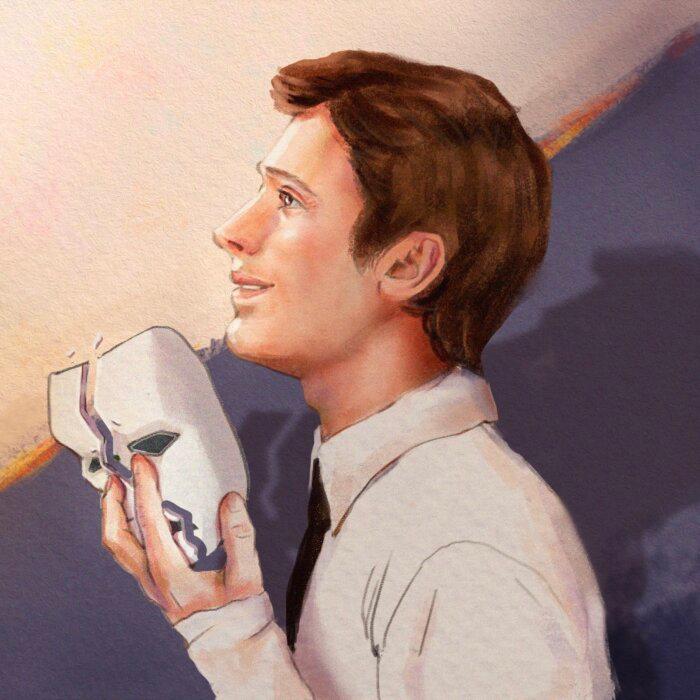
Philosophers have contemplated this for millennia. Referencing Plotinus, the father of Neoplatonism, Bess said, “Beauty is the mask that goodness wears.”
As an artist, philosophy professor, and fine arts contributing columnist for The Epoch Times, Bess draws on the idea that “beauty is something divine, and it’s something that’s given to human beings by a divine source.” He said that to perceive and embody true beauty in one’s art and daily life, one must first purify the soul.
Although this view is philosophical in nature, it’s now supported by contemporary neuroscience.
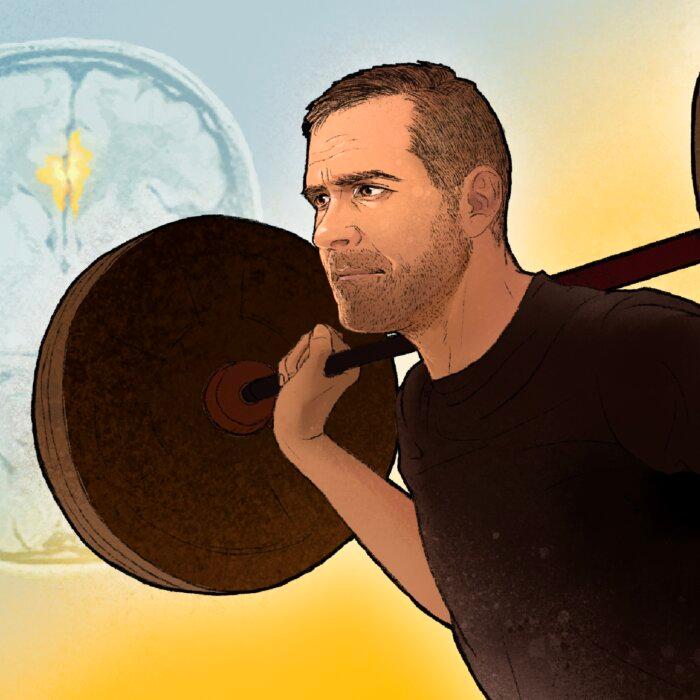
The researchers then measured brain activity via functional magnetic resonance imaging.
Permeating Your DNA
A 2024 paper proposed that interaction with beauty might even affect the body at the molecular level.The authors hypothesized that exposure to beautiful things, such as art or music, could alter DNA methylation, a biochemical process that helps regulate gene activity.
Discover the Beautiful
The Sistine Chapel is but one form of beauty universally admired, with millions of visitors finding themselves looking up to the tall ceilings in awe every year. Reflecting on his own experience in the chapel, Bess said, “That grandeur is just overwhelming for people.”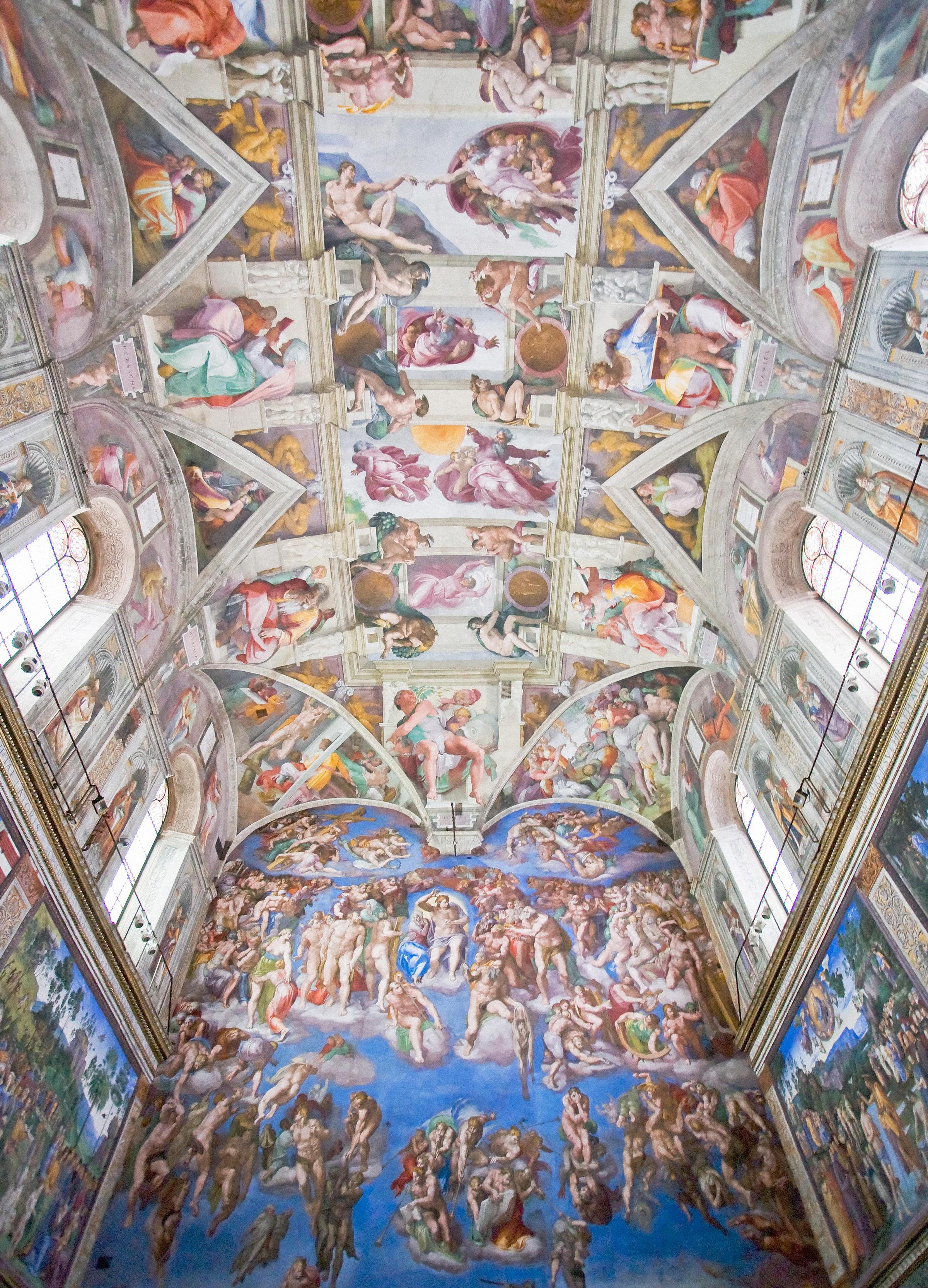
These types of awe-inspiring encounters can be rare and may require effort to find, according to Anjan Chatterjee, director of the Penn Center for Neuroaesthetics. He noted that everyday beauty is often hidden in plain sight—but to find it, one needs to slow down and quiet the busyness of the mind. We need to “shift from a transactional mode of being to one that allows us to be present in the moment,” he told The Epoch Times.
If something draws you in—flowers, colors, patterns, or sounds—pause and stay with it. Beauty often doesn’t shout—it’s more sophisticated, often revealing itself quietly.
Nonetheless, beauty’s manifestation—the natural or the artistic, the grand or the quiet—can lift people’s innermost being, reminding them of something higher.
Plato, Grossi said, conveyed the role of beauty in his “Phaedrus” more than 2,000 years ago. Plato wrote that when we see beauty down here—in nature or human creation—it reminds us of something beyond and orients our gaze upward. In those moments, Grossi said, “We feel as if putting on wings to fly higher.”