Timothy Trudeau, CEO of Syntax Creative, remembers when people first drew a line in the sand over the use of drum machines in music.
“When that first came out, people had a huge problem with it,” Trudeau told The Epoch Times.
Having sat at “all sides of the table” in the music industry for nearly 30 years, Trudeau’s company represents 150 record labels and 90,000 songs.
“I remember people used to say the drum machine was the devil, but it was used in a lot of popular music production in the 1990s, which was controversial back in the day. It was the same with synthesizers,” he said.
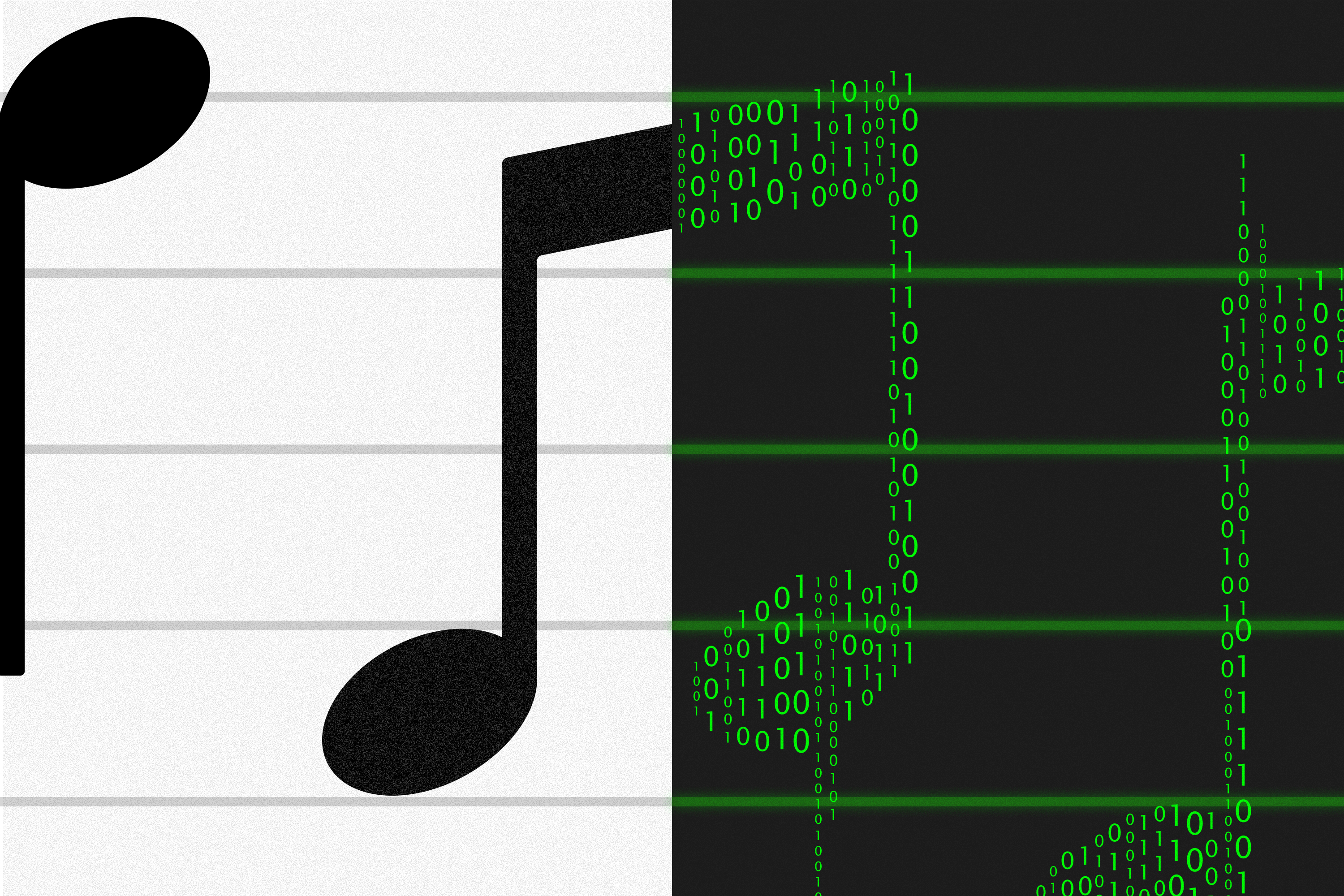
But unlike drum machines, artificial intelligence could upend the entire music industry, insiders say. It represents a fundamental change in how people create, listen to, and market musical content.
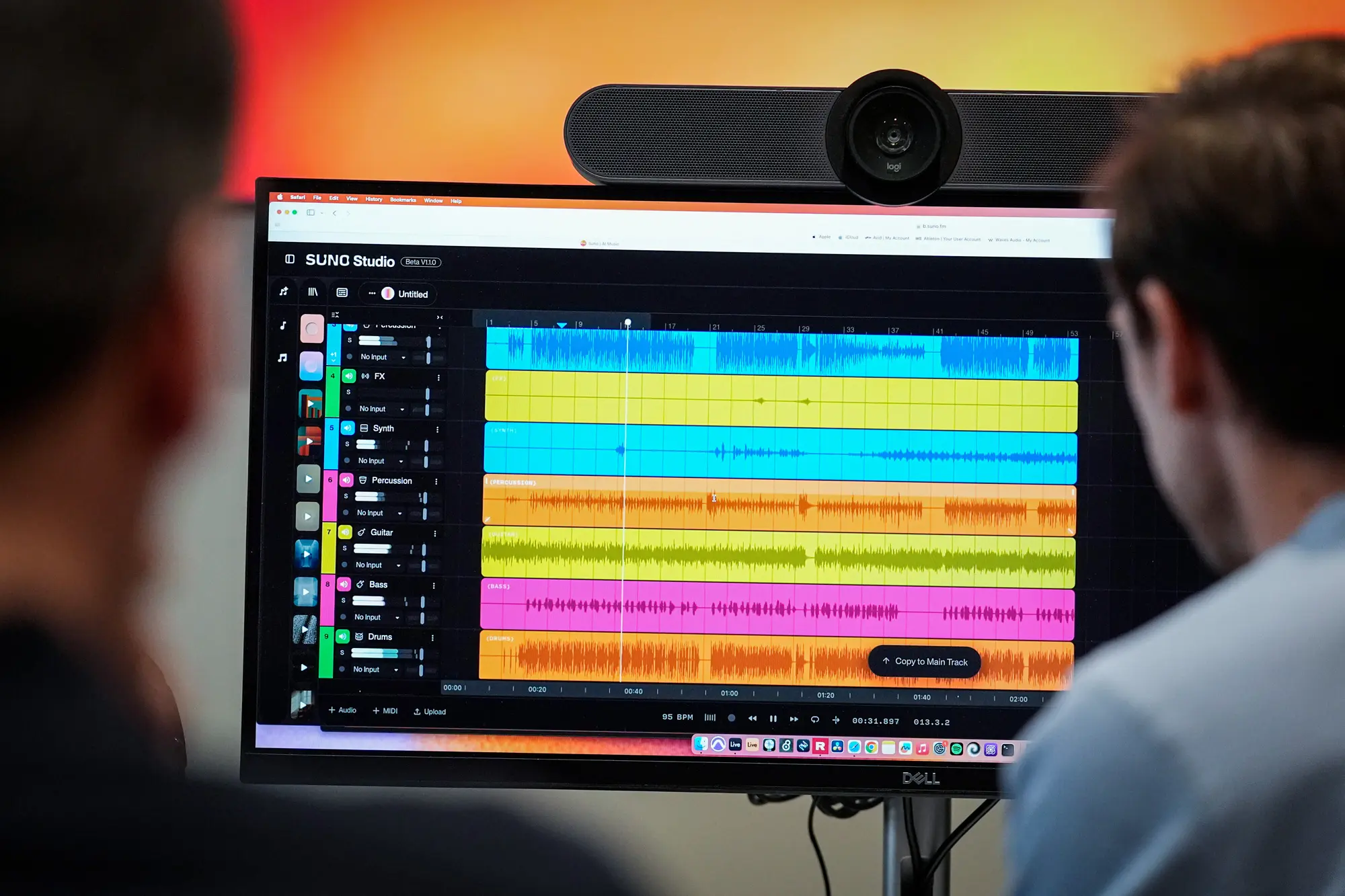
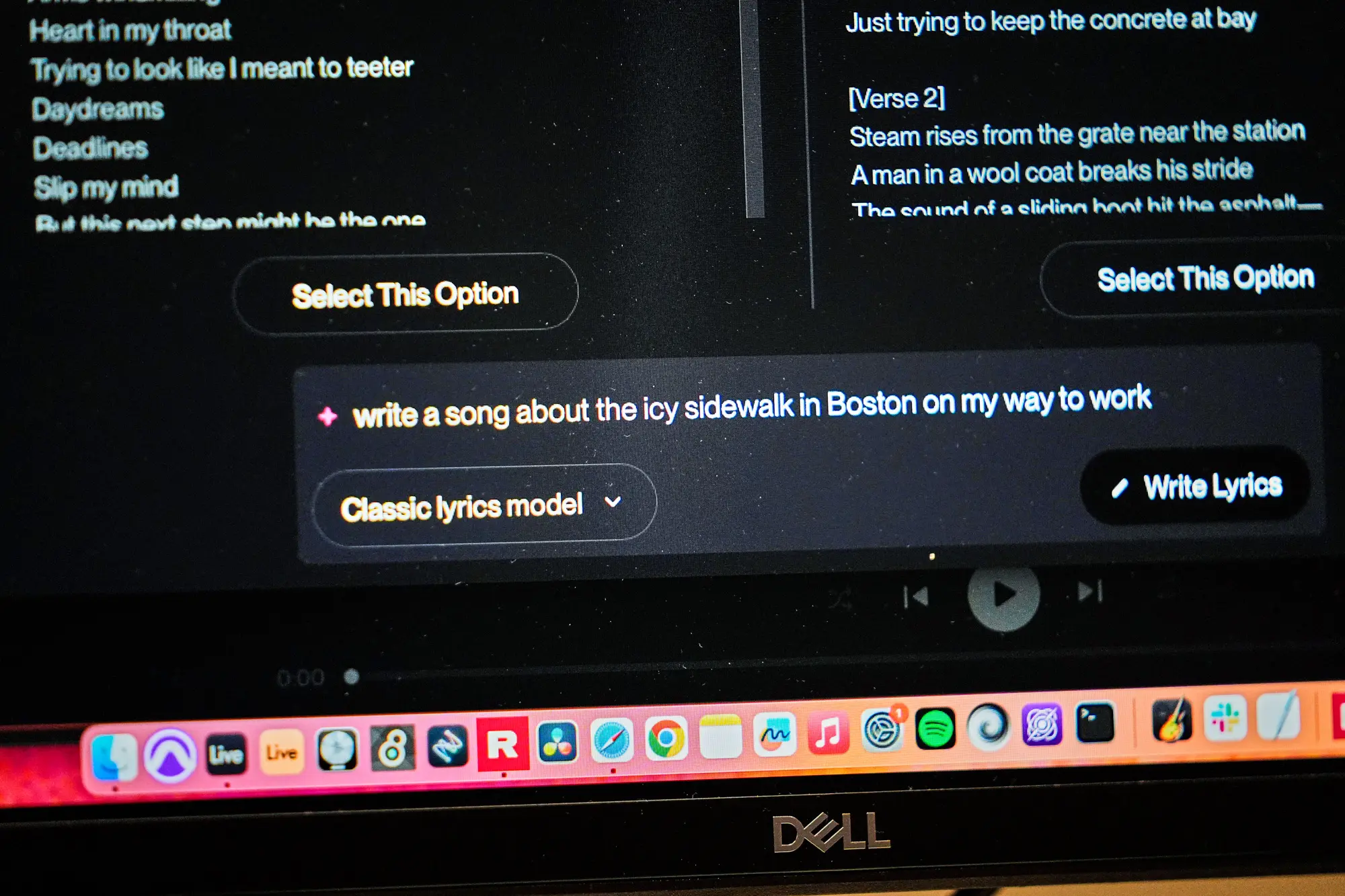
Trudeau said there’s a “firehose” of content arriving on streaming services daily because of AI, in part because the production price tag dropped significantly even before generative AI arrived on the scene. Now, someone can just enter a prompt on a keyboard and out pops a song.
Music industry insiders say the challenge is no longer creating music; it’s making sure human musicians are still heard and protected.
“The cost of getting on the digital shelf, that cost is so low now that it’s inviting people to just throw anything they have at it,” Trudeau said.
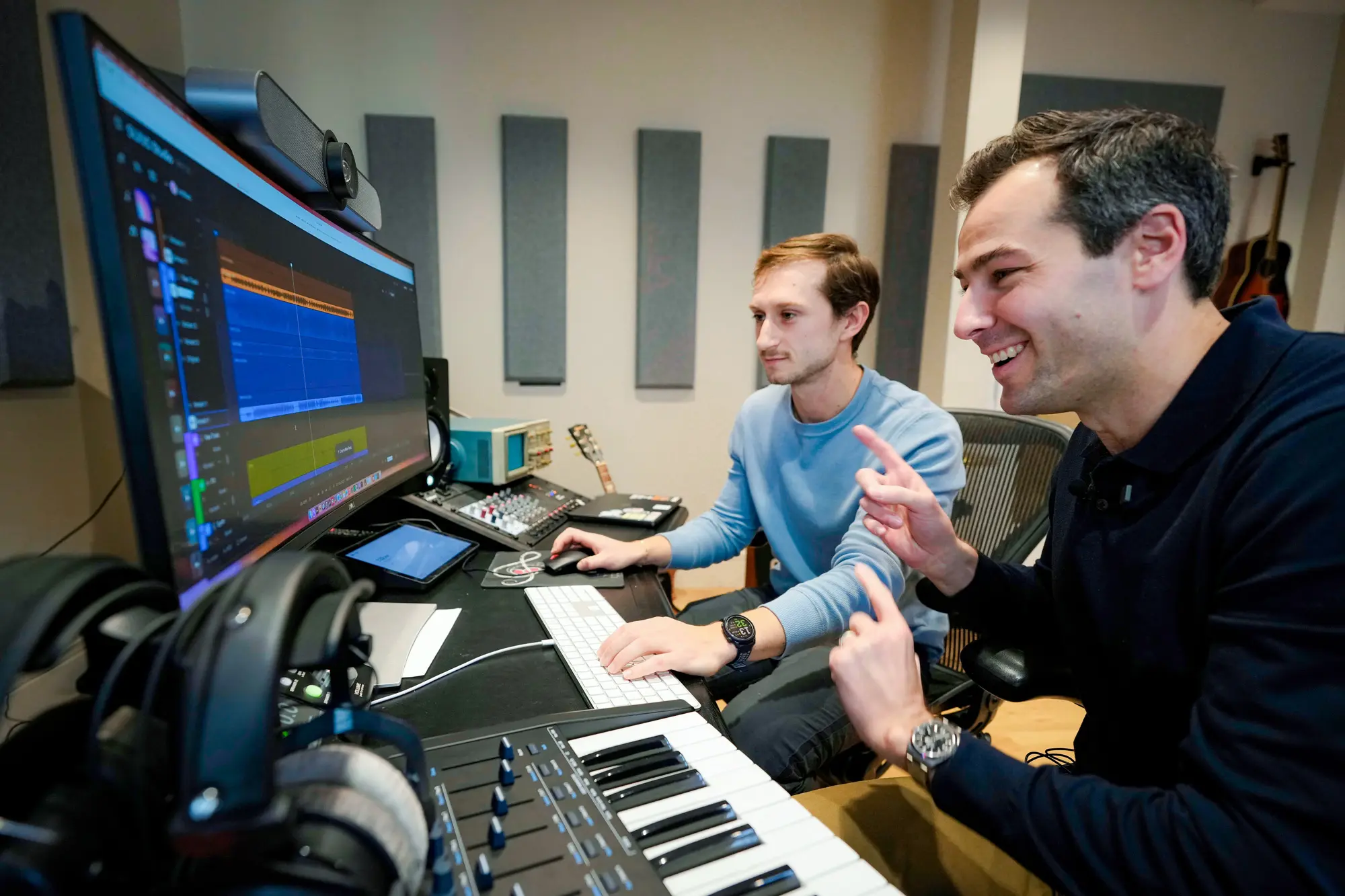
AI-created music has moved from being a novel concept a few years ago into the mainstream. This year, streaming platform Deezer estimated that 44 percent of all new daily music uploads, or around 75,000 tracks, are AI-generated.
“AI-generated music is now far from a marginal phenomenon,” Deezer CEO Alexis Lanternier said in a press statement.
“As daily deliveries keep increasing, we hope the whole music ecosystem will join us in taking action to help safeguard artists’ rights and promote transparency for fans.”
Diluting an Industry
For listeners, the surge of digital content offers seemingly endless choice.
But for human artists, the question has become, how do you stand out when creating music has never been easier?
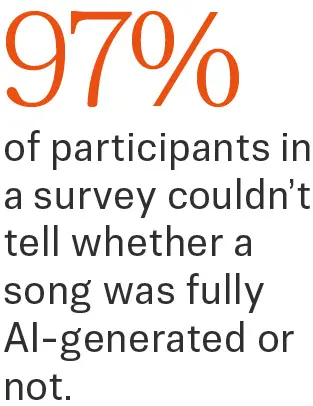
This may be trickier than people realize. Most listeners can’t tell the difference between AI-generated and human-created content. A 2025 Deezer and Ipsos survey of 9,000 people in eight countries revealed 97 percent of participants couldn’t tell whether a song was fully AI-generated or not. Fifty-two percent of the same group said they felt uncomfortable not being able to tell the difference.
“Listeners were already dealing with major-label influence pushing commercial artists over independents,” Chad Gerber told The Epoch Times. “Now, the overwhelming flood of AI uploads is saturating streaming platforms, making it even harder for people to discover the music they actually want instead of the music they’re being steered toward.”

Gerber is a gold- and platinum-selling musician who is also the creative mind behind technology companies ShadowGen and Meloscene. He said there are basically three groups competing for audience attention: commercial artists with existing label relationships, AI-generated music, and independent artists.
AI music could become “increasingly attractive” to digital music service providers from an economic standpoint, he warned. Independent creators—already competing with commercial artists and now with AI content—could end up becoming the most “overlooked part of the AI music boom.”
Warning Labels
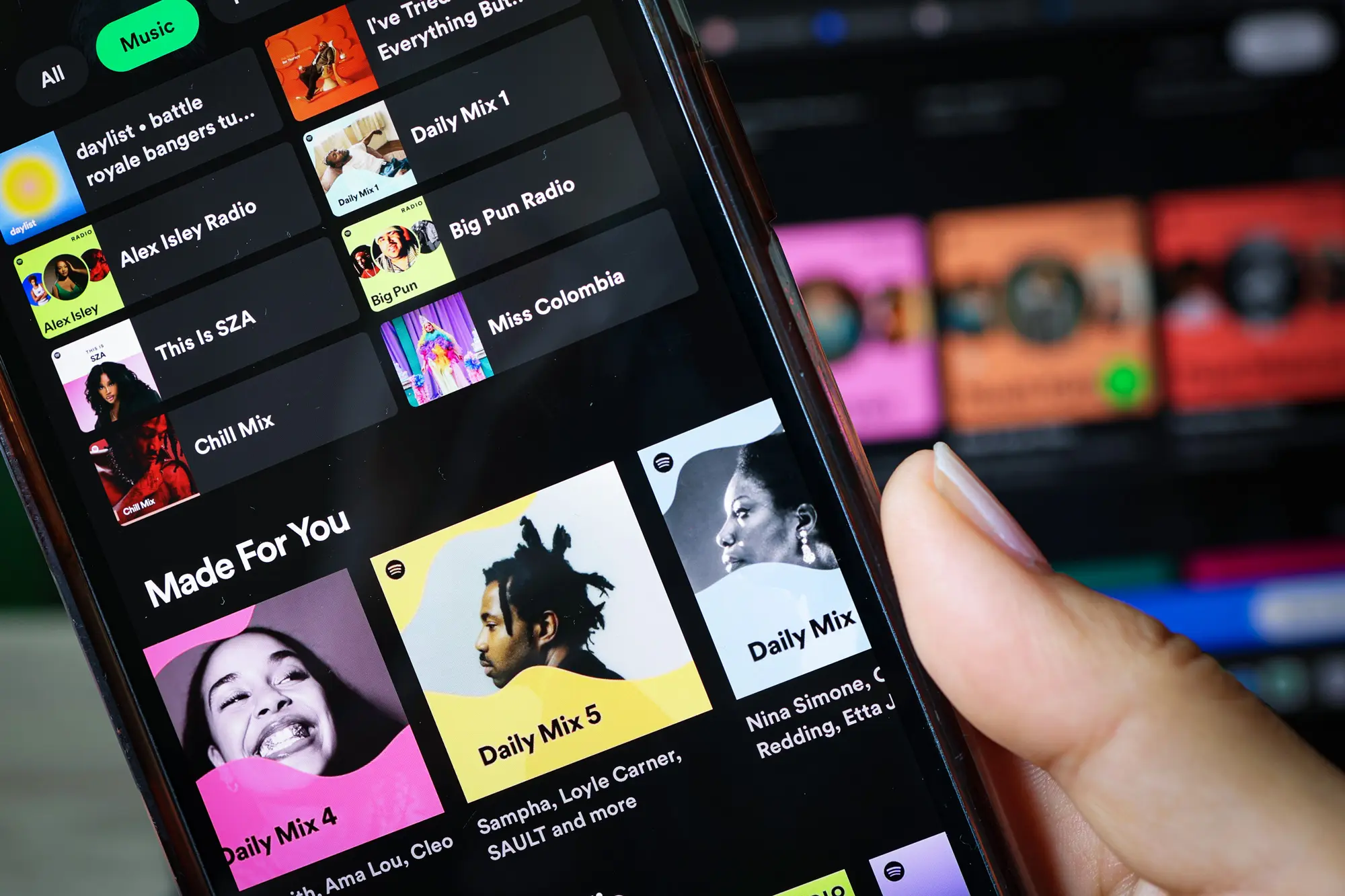
Digital music providers have responded to the AI controversy with nuance. Streaming giant Spotify has introduced measures aimed at protecting human artists, such as the enforcement of impersonation violations, spam filtering, and AI disclosures for music with industry-standard credits. Big content-streaming companies including Deezer require AI content disclosure and are using detection tools.
In the Deezer–Ipsos survey, 80 percent of participants wanted fully AI-generated music clearly labeled.
But detecting AI usage and protecting artists is just part of the debate. Some experts predict that as content saturation grows, music could start sounding very uniform across the board.
“I genuinely think that AI models are now being trained on ‘low license cost’ music that will result in some form of dilution of song-writing,” said Michael D'Oliveiro, author of “The Streaming Media Guide.”
The end result of that training will be content dilution at worst or homogenization at best, D’Oliveiro told The Epoch Times.
“Listeners might eventually get put off by these things and seek out more authentic experiences,” he said.



Having worked in the streaming space for nearly two decades, D'Oliveiro is no stranger to digital trends and their outcomes. He believes AI-generated content should be labeled and listeners should have the ability to “opt out.”
“People still feel strongly about AI, and the debates have not concluded with a consensus. We should think of AI labels the way we do about parental advisories for explicit lyrics,” D'Oliveiro said.
Fears of AI watering down music aren’t new. Some say it’s a logical outcome when considering that these tools are trained on existing music, resulting in predictable outcomes.
Gerber shares these concerns. “AI is fundamentally recombining patterns learned from existing music,” he said. “Whether consumers ultimately care is another question, but I believe there’s still a difference between creating something genuinely original and generating variations of what already exists.”
Evidence suggests many listeners do care. A Luminate study published in January observed that Americans have a growing “discomfort” with music either fully or partially created by AI. Twenty-nine percent said they'd be “much less interested” in listening to music that was AI-created, while 35 percent said they were “very uncomfortable” with an AI-generated song “performed in the style/sound of a human artist.”
Disincentives for Creativity
Nathan Green, CEO of New Level Radio, said royalty payouts for human artists could also be affected, discouraging human creativity.
“The sheer volume of machine-made tracks threatens to dilute existing royalty pools, extremely shrinking payouts for human musicians,” Green told The Epoch Times.
“This creates an algorithmic gatekeeper where creators who leverage the most advanced AI optimization stand out, while undiscovered human artists struggle to break through the algorithmic noise.”
In the industry standard pro-rata model, all streaming revenue is pooled and distributed based on an artist’s share of total streams. However, due to the massive influx of AI-generated tracks, human creators are forced to share the same finite pot of money with millions of artificially generated songs.
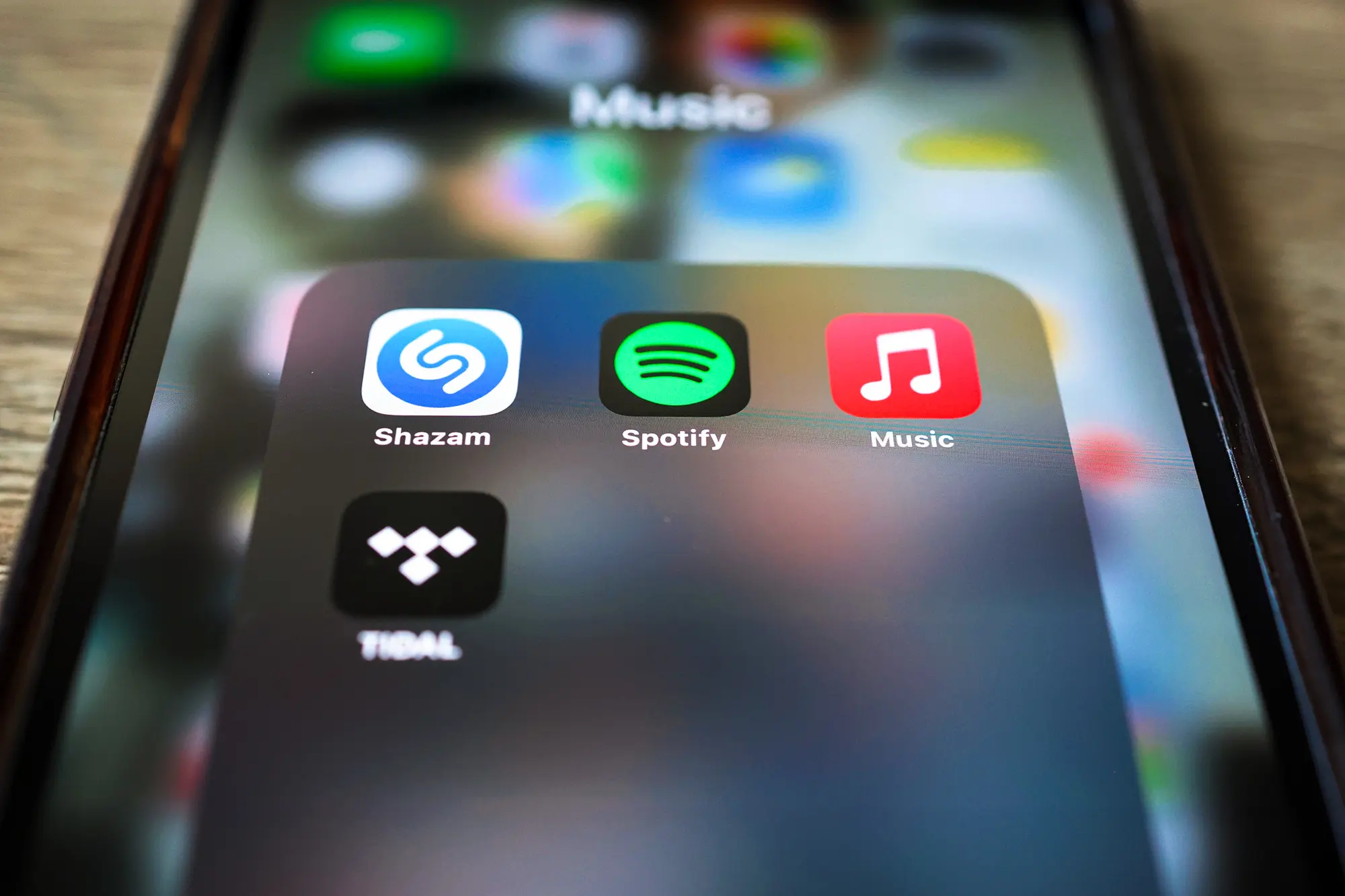
Some streaming services such as Tidal are now enforcing a royalty ban on purely AI-created music to help protect human artists.
“We are only in the beginning of the era of AI-generated music,” Tidal stated in a June press release, adding that its priority is “ensuring royalties go to original works directly produced, written, and performed by people.”
Since 100 percent AI-generated music isn’t copyrightable, some industry leaders such as Trudeau have decided to work strictly with “real human artists who wrote real music.”
But as producers and streaming services scramble to protect artists and their paydays, Gerber has already felt the effects.
“I’ve personally lost work now that producers and labels are saving both time and money by simply prompting AI to give them what they want at no charge,” he said.
A Silver Lining
Nevertheless, the insiders interviewed for this story agreed that a silver lining for existing and aspiring musicians remains. They believe human-created and performed music will become more valuable over time.
“The reality is that generating great music requires human interaction and oversight, prompt engineering, and audio tweaking,” Green said.
“Pure AI tracks often lack human dynamics, emotional intent, and structural components.”.
D'Oliveiro said that the “tailoring of experiences to artistic output is what makes humans unique, not just among living creatures, but also anything on the planet capable of meaningful output.”
Beyond human authorship, Trudeau thinks the value of live performances will also increase. “Where real artists have an edge is performing shows. You still can’t touch that,” he said.
Gerber shares that perspective. “For most of human history, music existed primarily as a live experience,” he said. “Recorded music is actually a relatively recent development.
“AI may end up pushing part of the industry back toward valuing experiences that algorithms simply can’t replicate.”