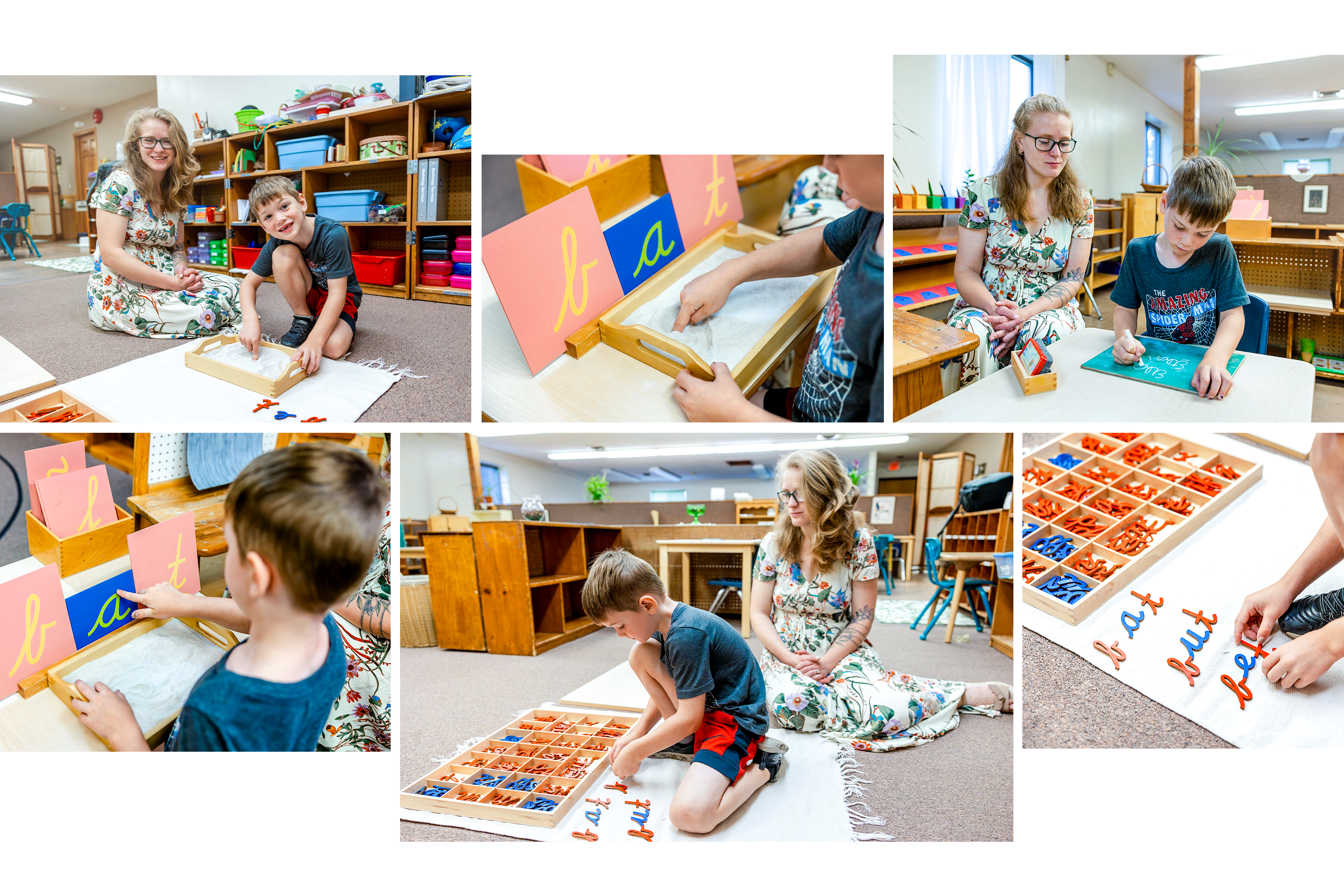
Colleen Endrizzi fondly recalls when she first experienced the “lost language” as a homeschooled kindergartener.
She learned it side by side with manuscript writing, a style in which letters are printed separately. Manuscript style requires the writer to lift the pen between each letter, compared with cursive writing, which involves connected letters that flow together.
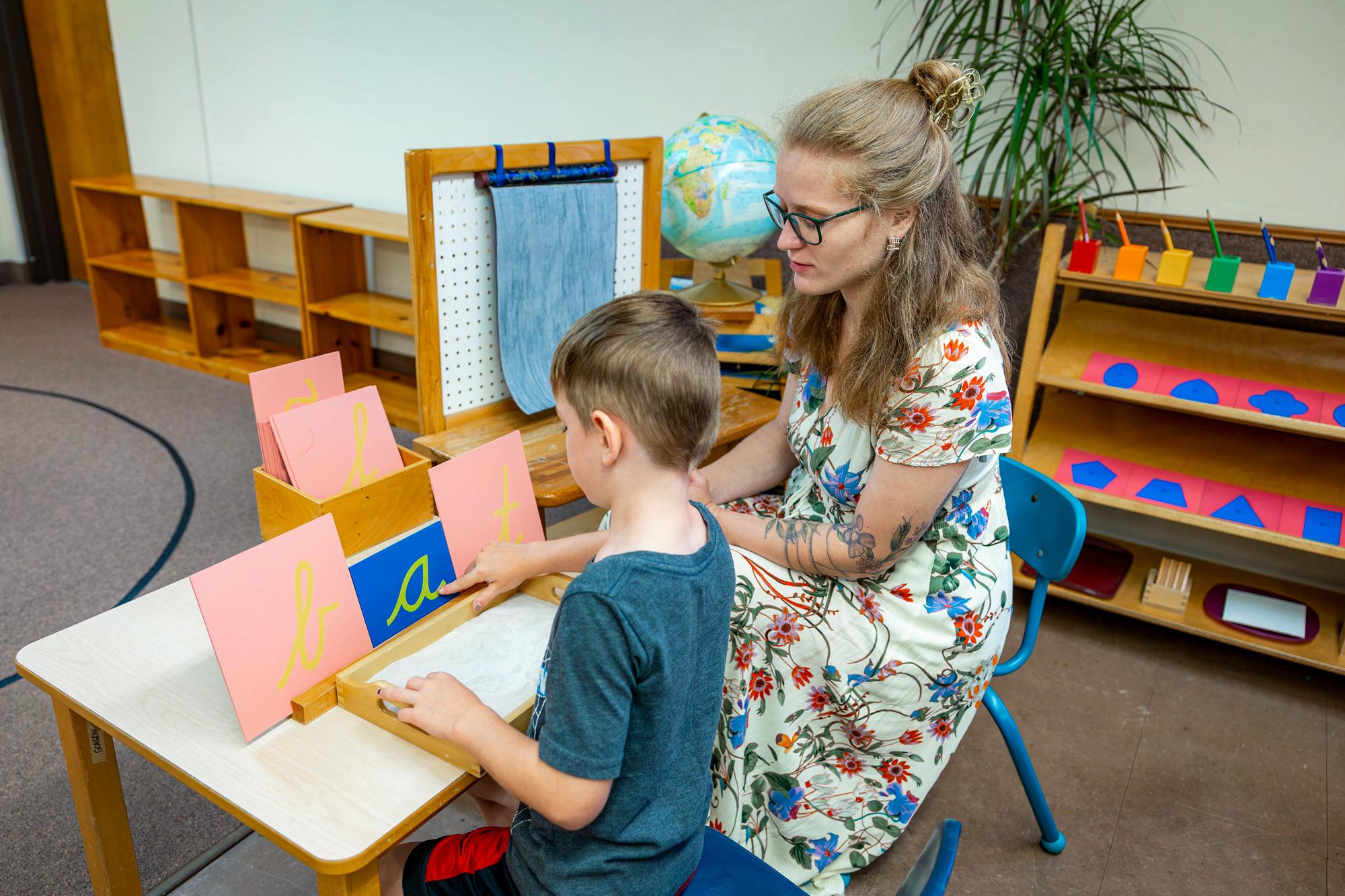
“I traced the looping letters in cursive workbooks. It felt more like art instead of schoolwork,” said Endrizzi, now a Montessori school teacher who instructs children in cursive.
Endrizzi is part of a movement to revive cursive writing, which for a while was dismissed as unnecessary and outdated. She contends that the skill benefits children’s memory and focus while providing a sense of connection to the written word.
Perhaps the most famous signature in American history is that of John Hancock. The first Founding Father to put pen to paper on the Declaration of Independence, Hancock left his name prominently displayed for future generations.
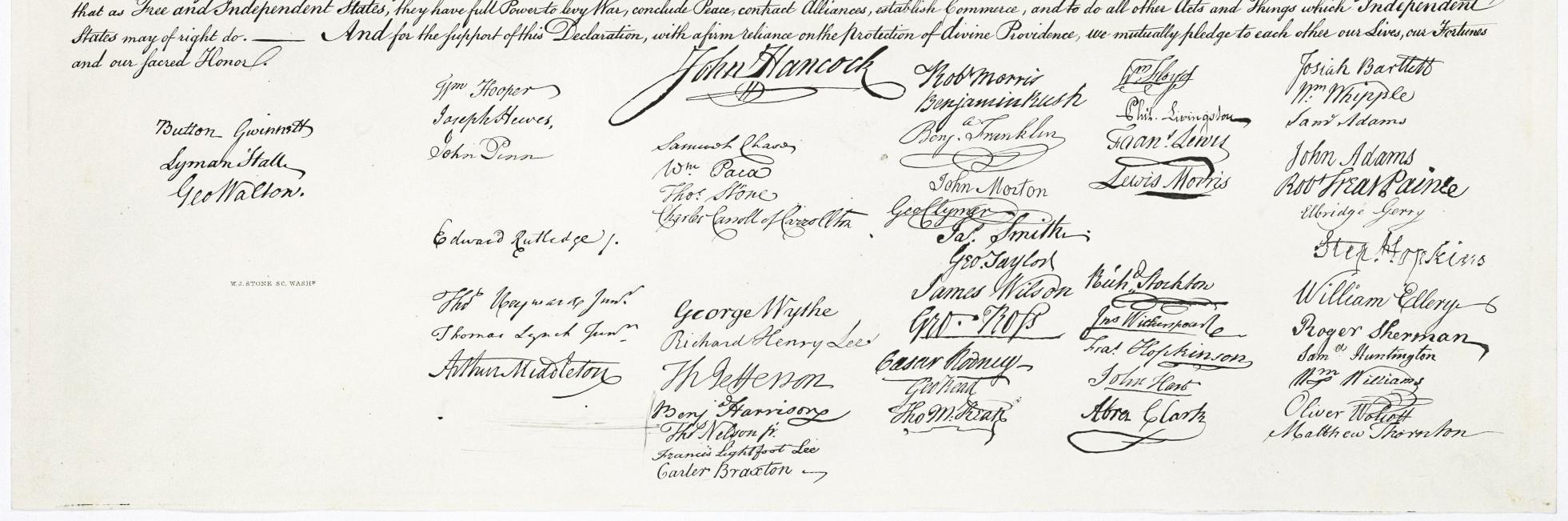
For some 200 years, American children learned the flowing script that Hancock used. Then cursive instruction began to decline in the 1970s. The shift accelerated in 2010 when Common Core standards debuted in favor of digital literacy and keyboarding. Many schools nationwide stopped teaching cursive writing.
As the United States celebrates its 250th birthday, cursive writing is making a comeback.
More than half of U.S. states now require or strongly encourage schools to teach students to read and write in cursive, compared with just 14 states a decade ago.
And at least seven states have considered legislation to require cursive writing instruction in recent years.
Beyond Penmanship
The restoration of cursive requirements reflects a balance of technology with traditional skills.
Encyclopedia Britannica defines cursive as a “style of handwriting distinguished by rounded shapes in a word and, frequently, connection of characters.”
Cursive style “allows the pen to flow in continuous strokes, accelerating the handwriting speed of a practiced hand.”
Opponents question the use of classroom time in an already packed schedule shaped by digital literacy and standardized testing requirements.
Proponents of cursive writing say the style extends beyond elegant penmanship. It’s important for reading historical texts and signing documents, they note. The U.S. National Archives uses volunteers with cursive skills to decipher and transcribe millions of pages, including Revolutionary War documents, through its Citizen Archivist program—a skill that artificial intelligence struggles with.
In April, Florida Gov. Ron DeSantis signed a wide-ranging education bill that included a mandate requiring elementary students to learn cursive writing.
Florida state Rep. Toby Overdorf co-sponsored a companion House bill requiring cursive in Florida. He said he was compelled to take action after hearing stories from mortgage professionals in his district who lamented that younger people couldn’t sign legal documents because they didn’t know cursive.


“They can’t sign their mortgage. They can’t sign a bank check, and I was astonished by this,” Overdorf told a local news channel in March.
“In researching this bill, we found that cursive writing also helps with early diagnosis of learning disabilities, including dyslexia and autism.
“It helps with concentration. It helps with sentence formation as well and overall sentence structure, and frankly, their hand-eye coordination gets better.”
Studies from the University of California–Riverside and the Norwegian University of Science and Technology illustrate that learning cursive increases brain development related to language, memory, and fine motor skills.
Pennsylvania and New Jersey also mandated the instruction of cursive writing in public schools earlier this year.
Cursive for Grown-Ups
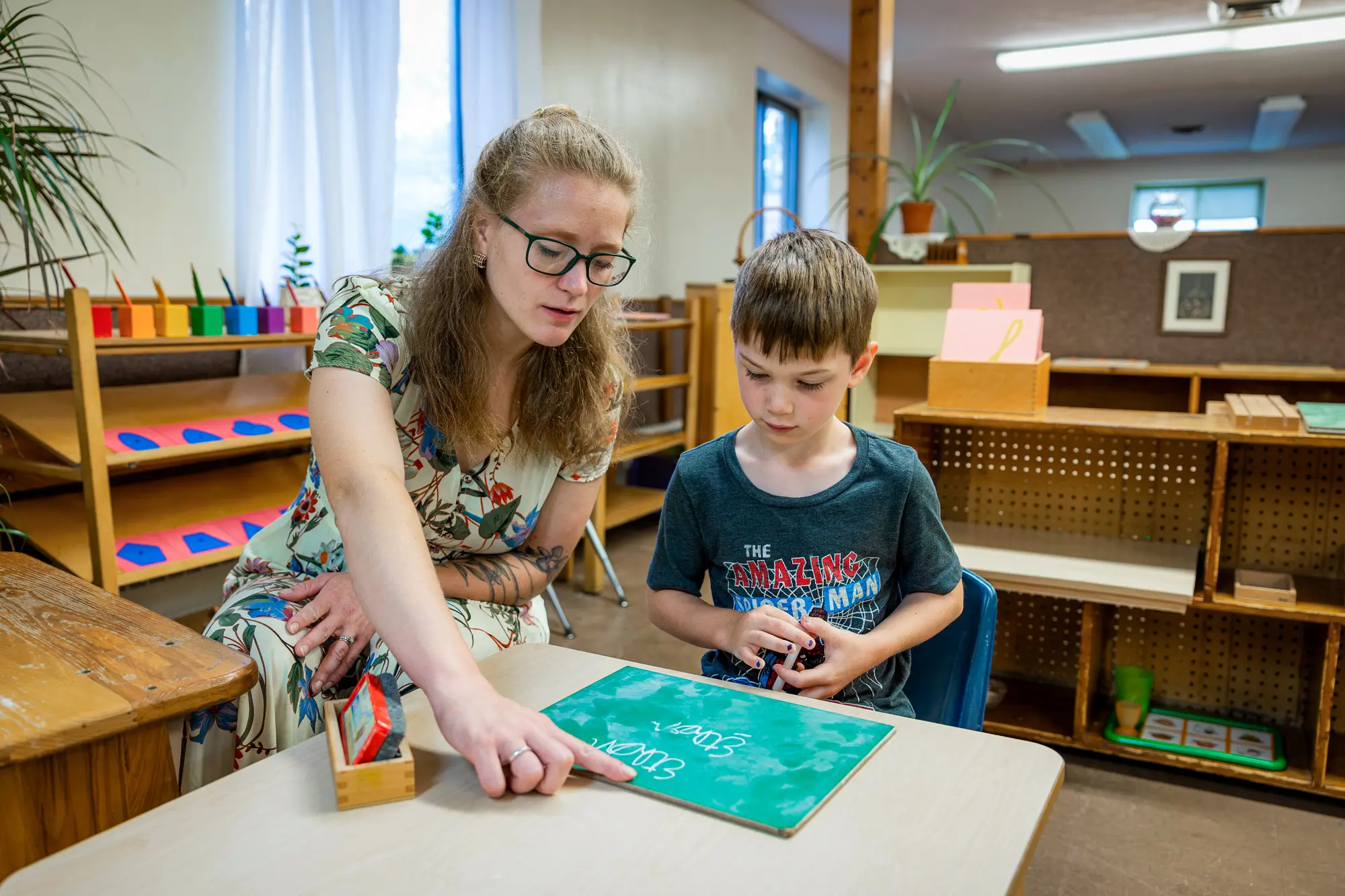
After earning a music education degree from Bob Jones University and completing a primary Montessori certification, Endrizzi took a role that gave her an inside view of how cursive isn’t being taught to some future educators.
For two semesters in 2019, she worked remotely for a Columbus, Ohio-based curriculum company serving as a handwriting mentor to college students in education programs.
“It was a cursive handwriting course,” she said. “They would send their work to me, and I would grade it remotely.”
The assignments revealed that many of the soon-to-be teachers had never properly learned cursive.
“It was clear, just from grading the work, that cursive was new to a good number of the students,” Endrizzi said.
Universities are “teaching it to their prospective teachers because in their generation they probably didn’t take it in school, but the universities recognize that they would like their teachers to have this on their résumé.”
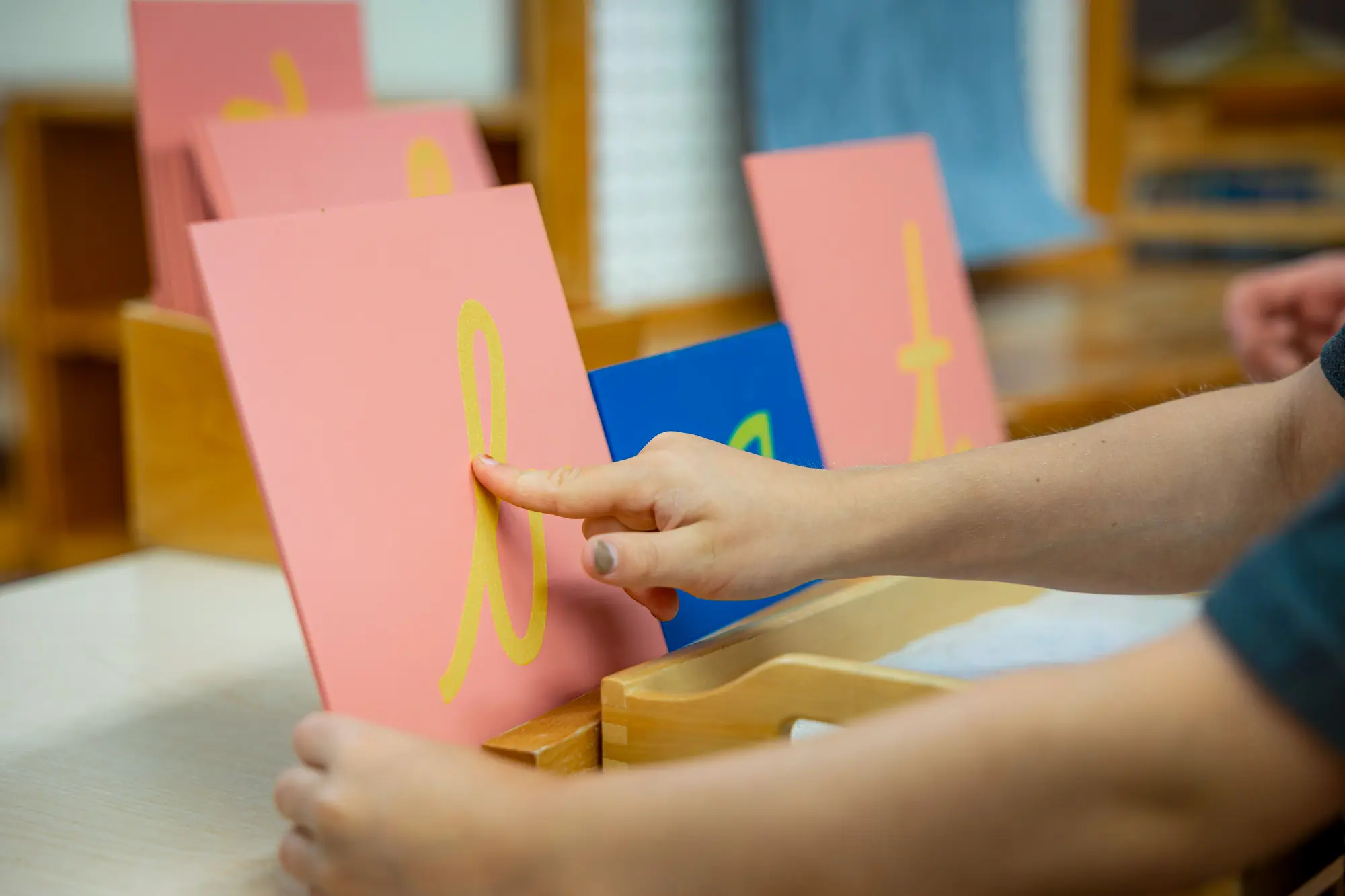
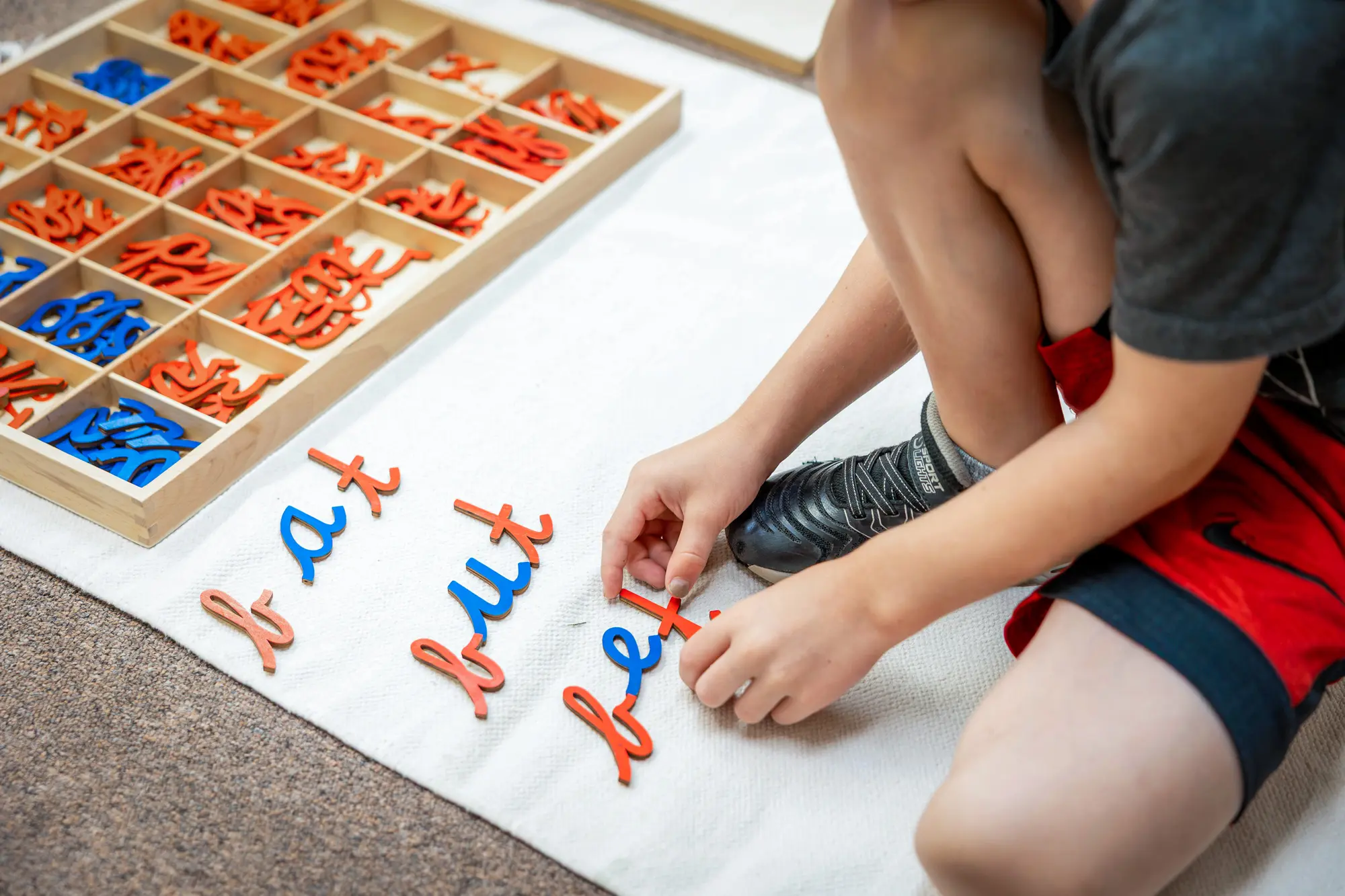
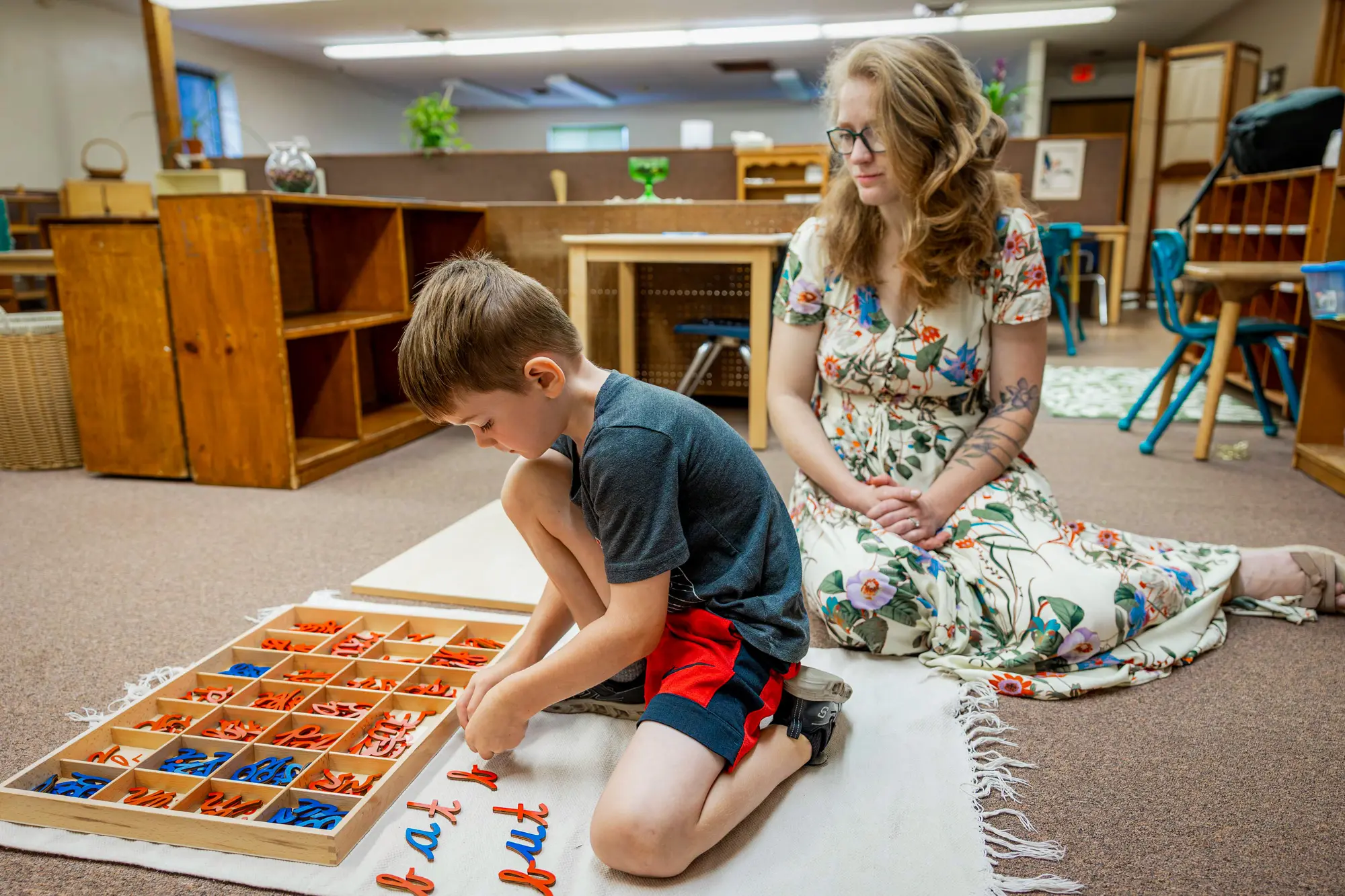
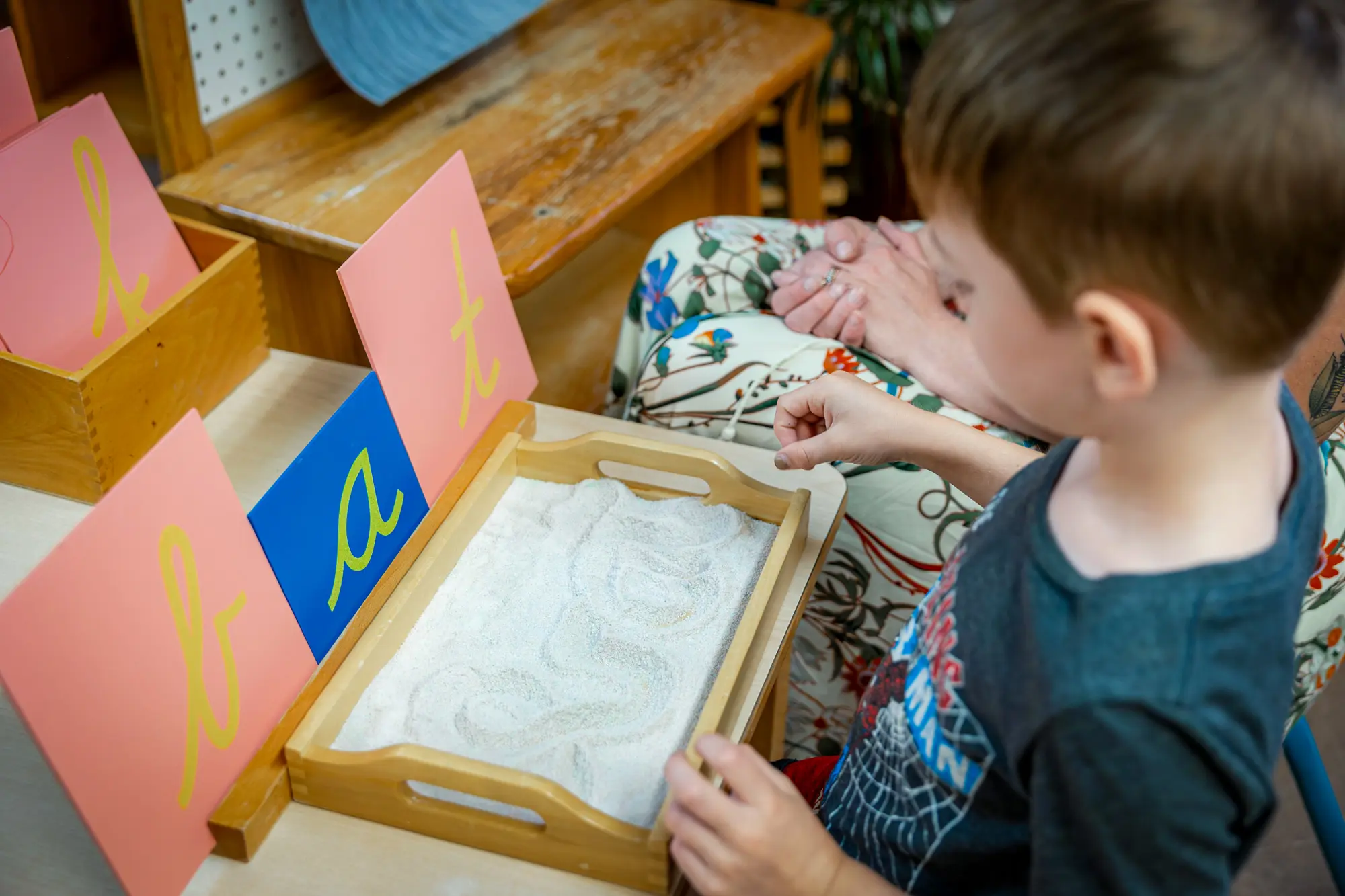
In her Montessori classroom of students ranging from ages 3 to 5, cursive isn’t a special unit—it’s the only alphabet the children see.
“In my Montessori classroom, there is no manuscript writing at all. You don’t post letters on the wall like you would in a traditional school. Instead, the children interact with everything as a tangible object, and the only letters we have are cursive,” Endrizzi said.
Making the Brain ‘Smile’
Endrizzi’s parents, Rick and Julie Fitzpatrick, homeschooled their seven children. All of them learned to read and write cursive.
Cursive writing is more commonly emphasized in homeschooling environments, Julie Fitzpatrick believes.
“That’s another benefit of homeschooling and having the freedom to incorporate your own teaching methods,” she said.
A Christian curriculum with a strong emphasis on pen-and-paper work was a mainstay, especially in the elementary years, she said.
Today, five of the Fitzpatricks’ children are college graduates, and two are still in college.
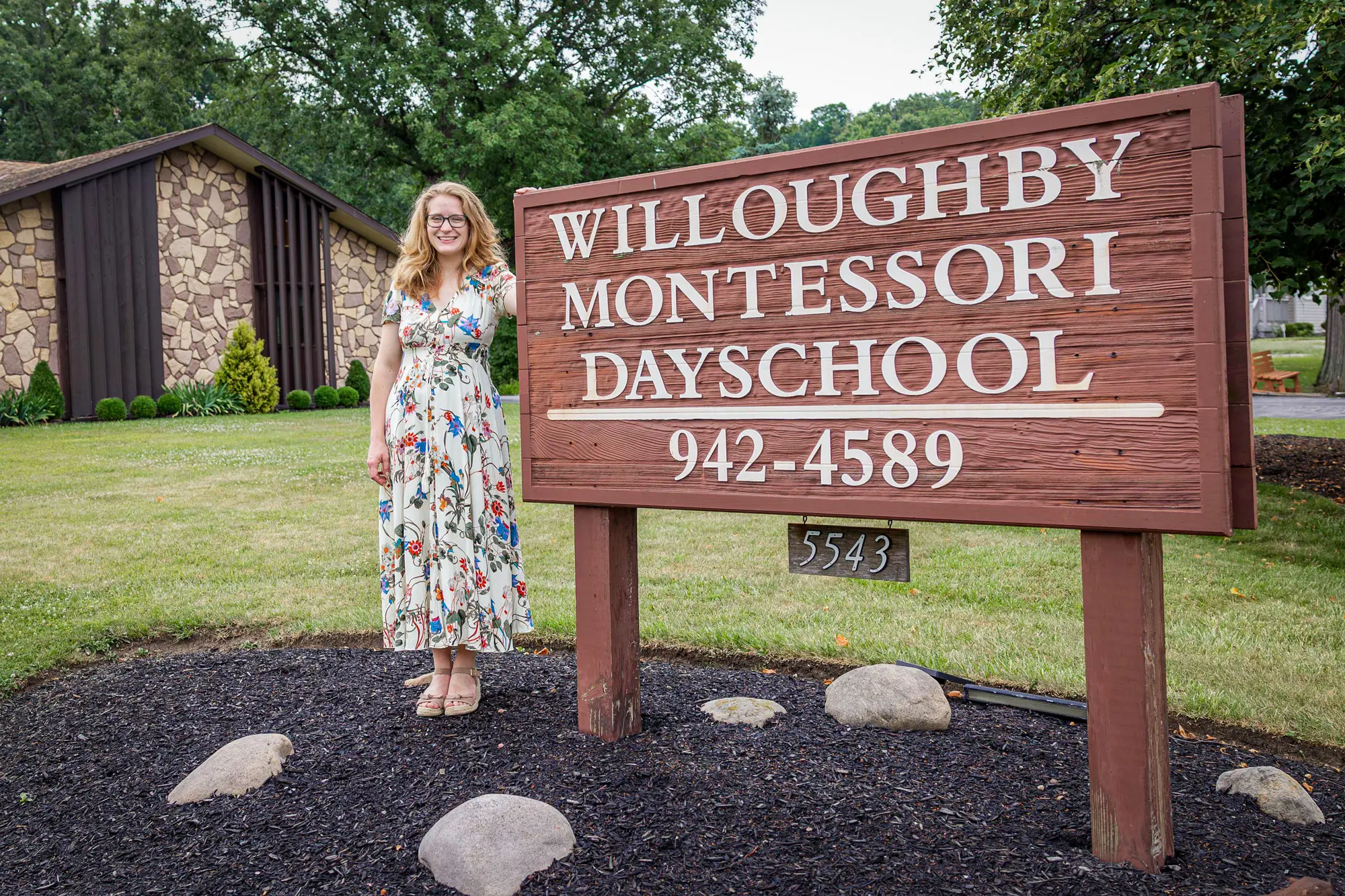
Julie Fitzpatrick smiles when she talks about her daughter, Colleen, teaching cursive writing to a new generation.
“I really think it plays a big part in memory retention. When you remember you wrote something in a certain curvature, you are more likely to remember the material attached to it,” she said.
Many parents and educators welcome the return of a skill they recall from their own schooling, calling it part of a well-rounded education.
Now retired, Evelyn Stapleton taught elementary school for decades at a time when cursive writing was as much a curriculum staple as math, history, and science.
“I used to tell my children in school that when they formed the letters the way I showed them, it made the brain smile,” Stapleton said.
Tracy Reveal’s older child was taught cursive, while her younger child never learned the writing style.
“Something as simple as me leaving a hand-written note to my youngest led to her saying she couldn’t read it because it was in cursive,” the mom of two said.
“Generations of Americans learned cursive just like they did math and science. It seems crazy that it was cut from the curriculum.”
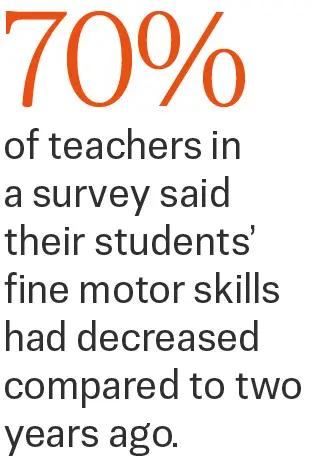
A January 2026 online survey of 1,163 early educators conducted by the EdWeek Research Center found that 70 percent of respondents said their students’ fine motor skills had decreased compared to two years ago.
Some educators blame high screen usage for decreasing motor skills for children. Forty percent of U.S. children have their own tablet by the age of 2, according to research by The Common Sense Census.
A March 2026 Indiana University study discovered that handwriting—specifically fluid, connected strokes—activates reading and writing circuits in the brain more effectively than typing on a keyboard or printing.
At 32, Endrizzi belongs to a generation that grew up alongside digital technology. She acknowledges that screens and keyboards have altered not only how people write, but how well they write.
“My handwriting and my spelling have decreased since my early 20s when I started spending more time on keyboards and on phones than on paper,” Endrizzi said. “That has impacted my personal cursive, manuscript, and spelling skills.”
Greta Nagel, founder of the Museum of Teaching and Learning in Fullerton, California, said many Americans cherish cursive as a family value that brings generations together, so it would be a shame to let it fade from classrooms.
“A lot of our senior citizens are appalled that young people can’t read what [the seniors] are writing anymore,” Nagel said. “Technology is necessary, but will it get to the point where there are digital solutions instead of eye contact and voice-to-voice conversations with parents?
“Grandparents still want to write their loved ones, and they still want someone to read those old letters someday.”