WASHINGTON—Deep in the jungle in Southeast Asia, behind high walls and barbed wire, scammers are siphoning billions of dollars from Americans.
They follow tightly scripted playbooks, often spending days or weeks building emotional bonds with a target before getting down to business.
The fraud factories are highly successful and growing, and the United States is feeling the toll. In 2025 alone, Americans reported 72,000 cases of cryptocurrency investment fraud to the FBI’s Internet Crime Complaint Center. More than $7.5 billion was lost.
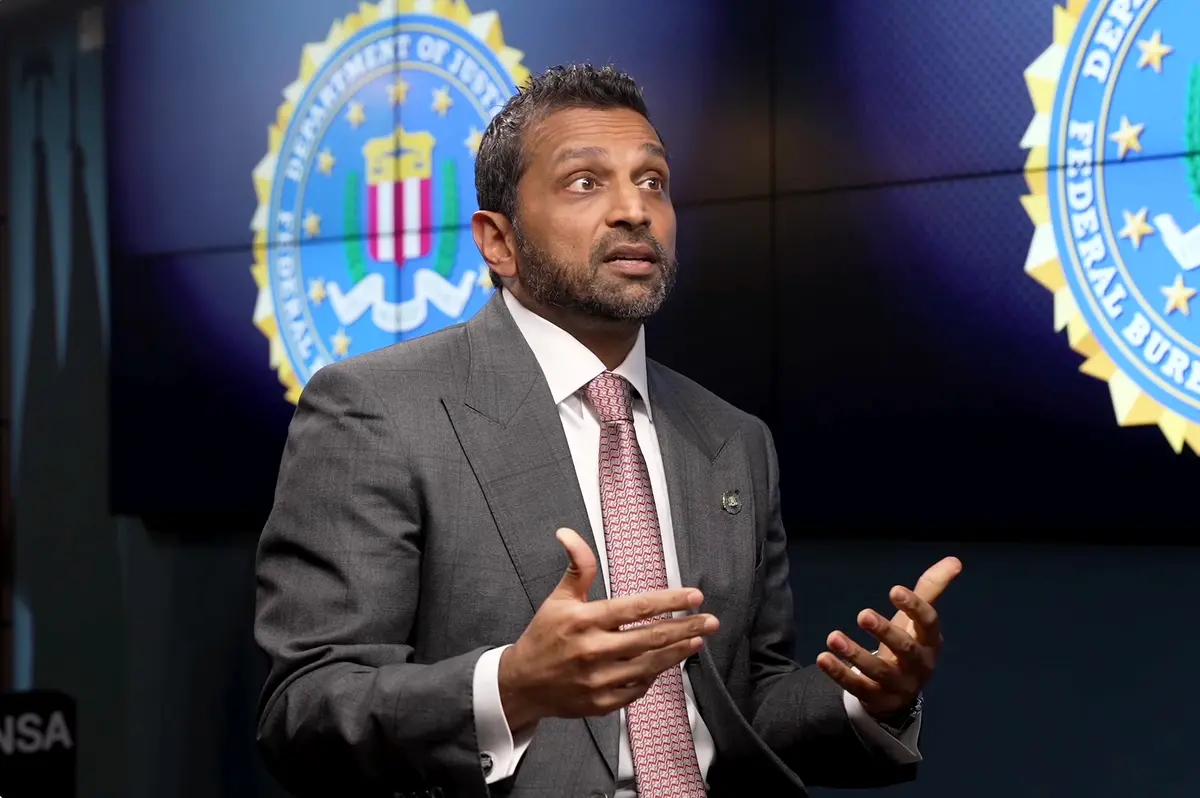
The United States is now striking back with a two-pronged approach—dismantling the criminal infrastructure globally while proactively identifying victims to stop the harm—called Operation Blackout and Operation Level Up, FBI Director Kash Patel told The Epoch Times.
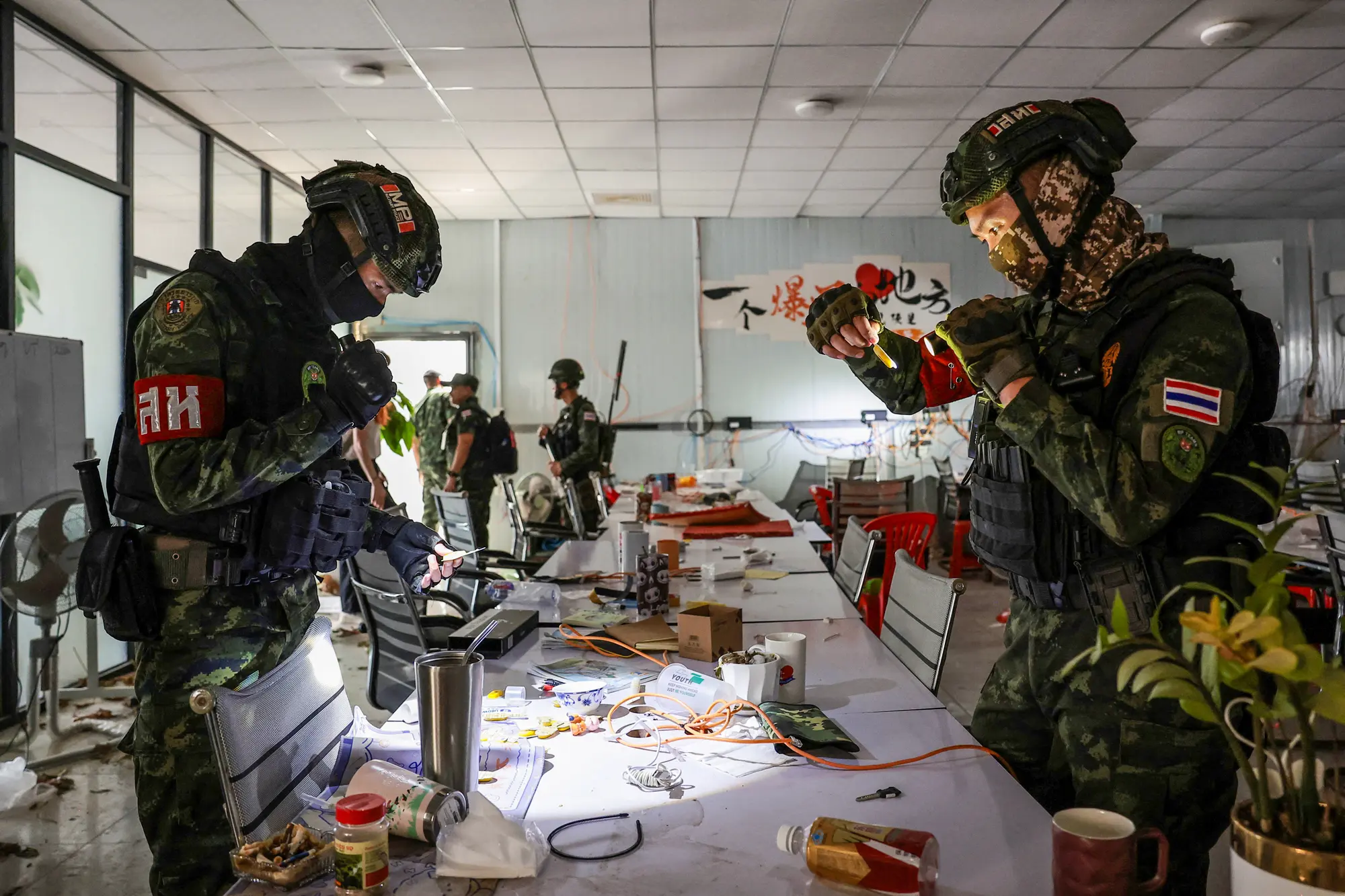
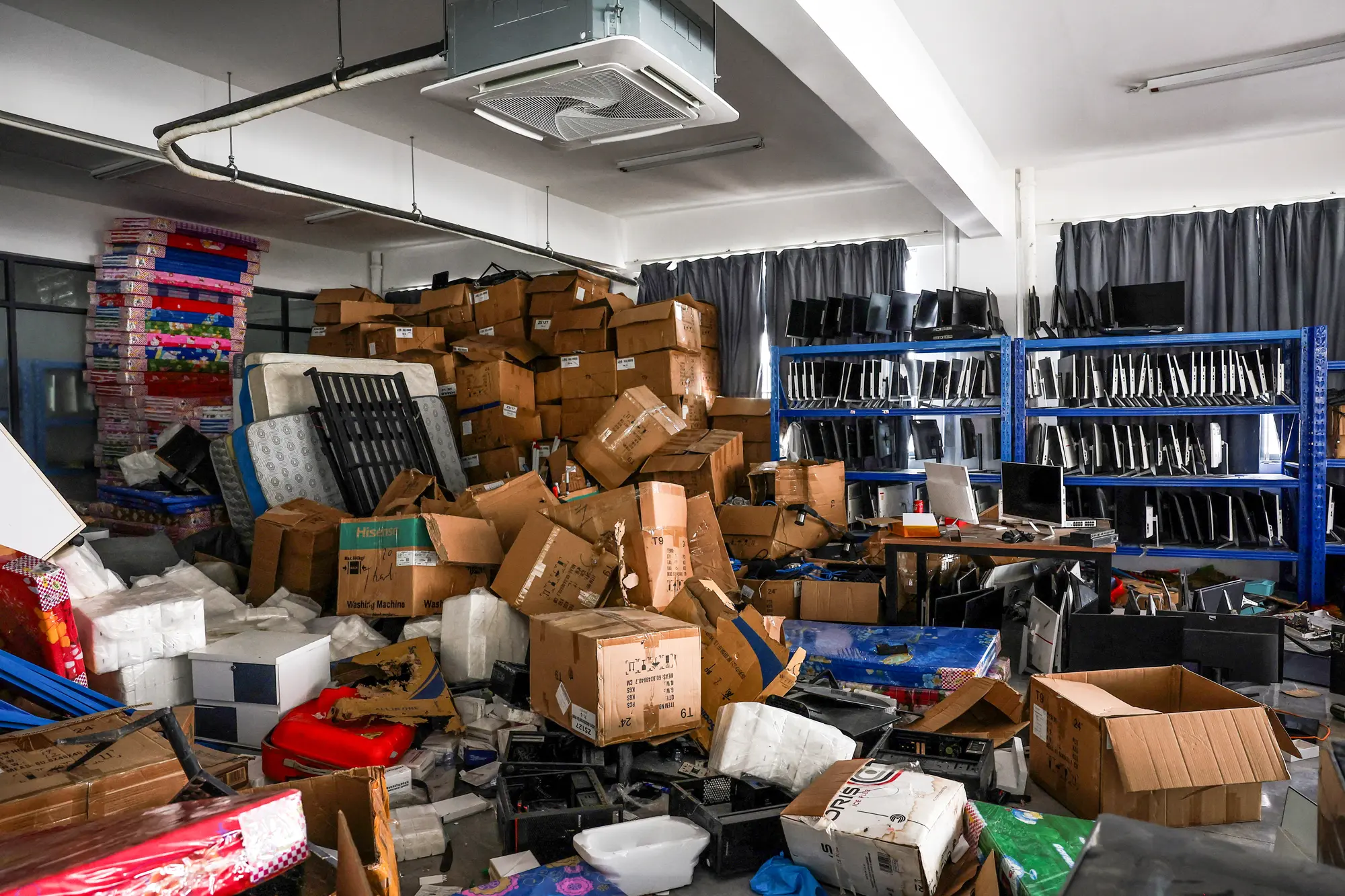
Over the past 14 months, the FBI has seized $15.2 billion in illicit funds, made hundreds of arrests, taken down nine scam compounds, and notified more than 9,900 victims, 77 percent of whom were unaware they were targets.
The agents also shut down 8,000 terminals connecting the scammers to the rest of the world, “depriving them of the very oxygen they need to operate,” Patel said.
“We literally had folks from across the country writing back to the FBI saying, ‘You saved our life savings. You saved our kids’ college tuition.’
“And some of them were actually considering killing themselves because it’s such an embarrassing thing to be a victim of this atrocity of this crime.”
The goal here, Patel said, is to “annihilate the compounds wherever they are.”
“I think you’re going to see even bigger results by the end of the summer,” he said.


Billions in ‘Ill-Gotten Gains’
Behind the scam centers are Chinese criminal syndicates, which profited from casinos and online gambling in the 2000s. As the Chinese regime tightened regulations, these syndicates shifted operations to loosely regulated border areas in Southeast Asia, particularly Cambodia, Laos, and Burma, forging alliances with corrupt officials and military factions.
When the pandemic shut down travel and the crackdown on gambling intensified, the networks pivoted to scams.
Their centers thrive on human trafficking. On Telegram and other messaging platforms, the criminals advertise lucrative job opportunities in customer service, telemarketing, and casino agent positions, often with attractive salaries, travel expenses, and meals—all false promises.
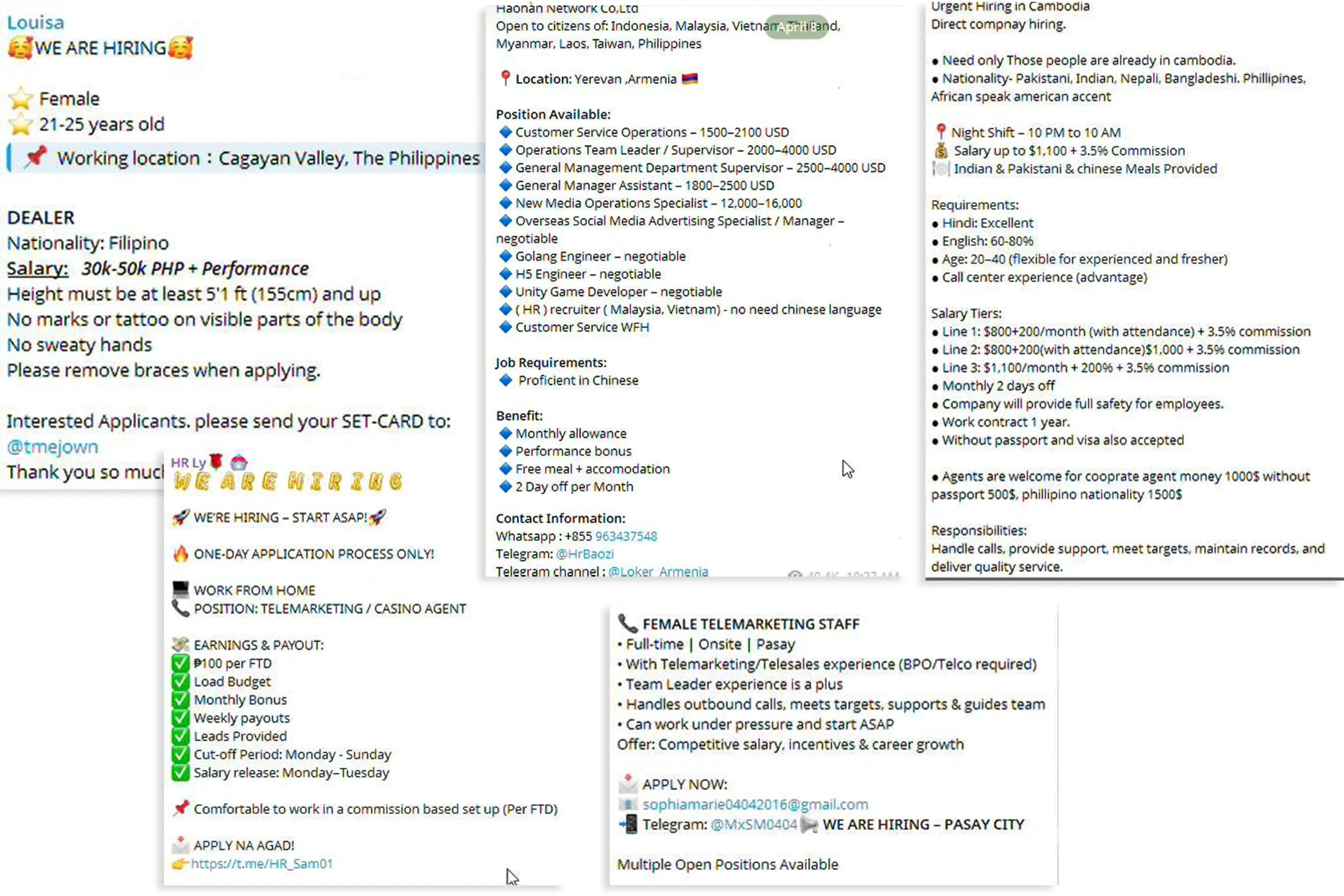
Those who respond to the ads find themselves under the criminal actors’ control, forced to work long hours posing as law enforcement, love interests, and investors to trick victims into handing over their money.
Harsh punishment awaits those who do not meet expectations.
China-born scam kingpin Chen Zhi, who the United States accused of running one of the largest transnational cyberscam networks in Asia, once approved of an associate beating workers who had “caused trouble” at a compound, according to court documents.
He allegedly instructed his people to make sure the workers were not “beaten to death,” and he kept images documenting the violence: one showing a man with a bloodied face, another of man with long, maroon marks all over his chest and arms, the filings show.



Chen maintained ledgers of bribes to public officials, including luxury watches worth millions of dollars to one senior foreign government official. In 2020, the official obtained a passport for Chen, enabling him to travel to the United States in 2023, U.S. prosecutors said.
Through a Brooklyn money laundering network, Chen and his associates allegedly pocketed more than $18 million from 250 Americans.
They lived the high life. Prosecutors described splurges on yachts, private jets, vacation homes, and rare artwork, including a Picasso painting from a New York City auction house.
Then the unraveling began. In late 2025, U.S. authorities announced that they had confiscated $15 billion in bitcoin from cryptocurrency wallets linked to Chen, the biggest such seizure in U.S. history.
One hundred and eighty individuals and entities associated with Chen’s Prince Group, which has denied the allegations, now face U.S. sanctions.
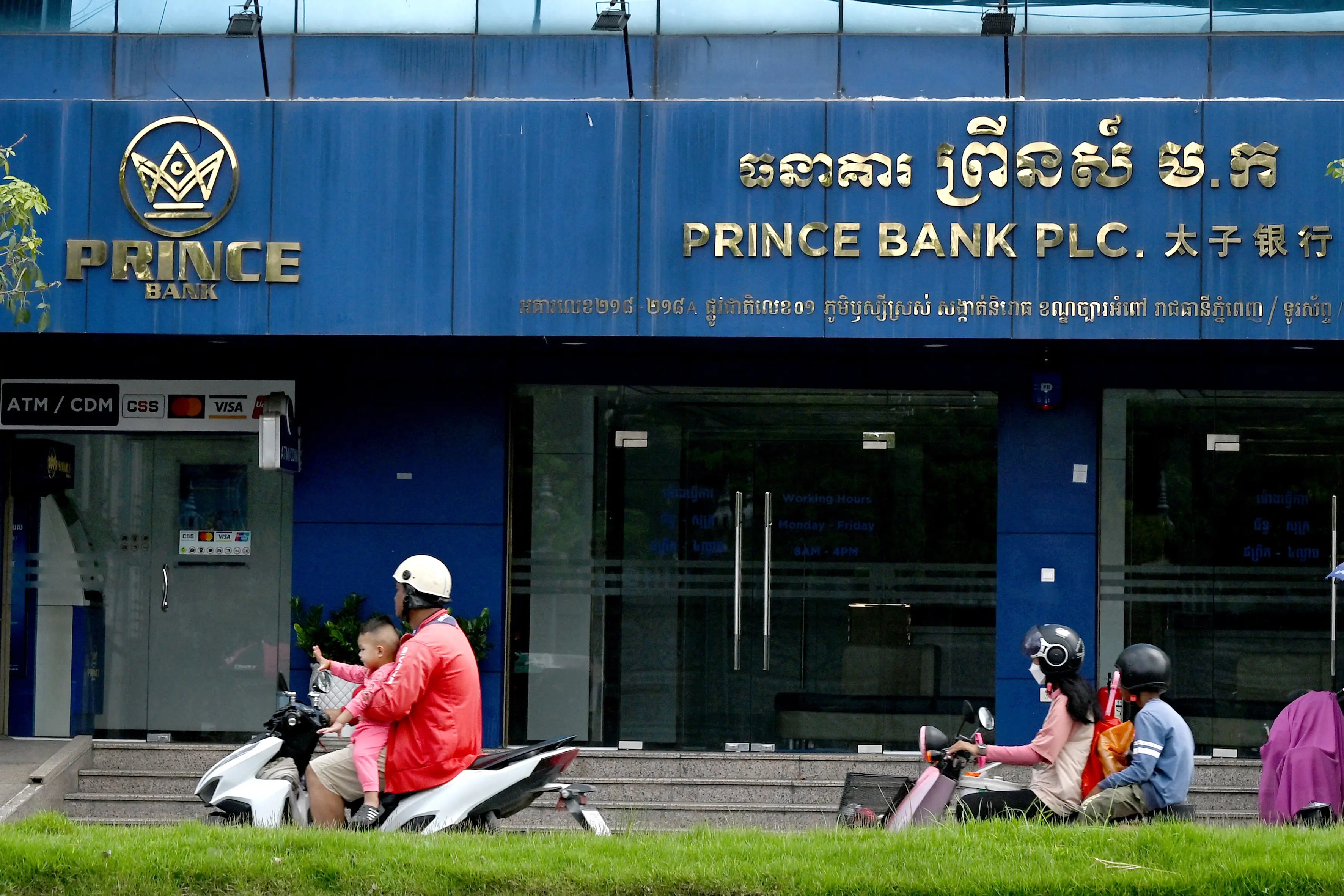
The actions are aimed at the money pipeline, Patel said.
By cutting off the scam networks from the global financial system, the United States can “cripple their ability to move those ill-gotten gains,” he said.
‘Ultimate Win’
Over the past few years, Americans have become a major target for scammers, who have developed operational strategies to defraud them.
A major Telegram recruitment channel had postings for Cambodia that specifically asked for people who could speak with an “American accent” and work night shifts, which would be daytime in the United States, court filings show.
Multiple compounds that FBI agents uncovered had scripts and staffing built around the English language. Some tasked scam workers with posing as U.S. bank representatives.
In December 2024, a scam center worker stole approximately $3 million from an American, U.S. prosecutors said. The worker’s team leader, who’s now facing U.S. federal charges, allegedly received a Mercedes-Maybach as a reward.
The criminal actors have moved their base multiple times since then to evade law enforcement. Weeks before his capture in January, the same team leader was discussing buying more workers for a new compound built for running scams on Americans.
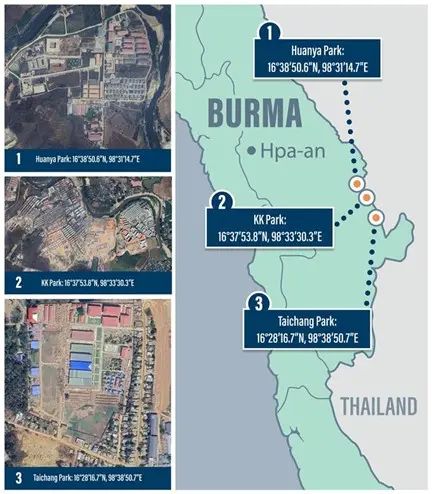
The FBI operations have freed thousands of trafficked slave workers. “It’s a win for the world,” Patel said.
Criminals use consolidated wallets that often have hundreds to thousands of transactions, complicating efforts to trace the source of money. A consolidated wallet is a single digital wallet that combines and manages multiple accounts, assets, currencies, or payment methods in one place.
But the FBI is also ramping up countermoves, Patel said.
A rebuild of the bureau’s information technology infrastructure has brought standardized tool access to agents nationwide, he said. The integration of artificial intelligence and facial recognition is facilitating intelligence-sharing and expanding investigative powers. Collaboration with the private sector allows for proactive red flag detection, while new protocols ensure timely cryptocurrency seizure.
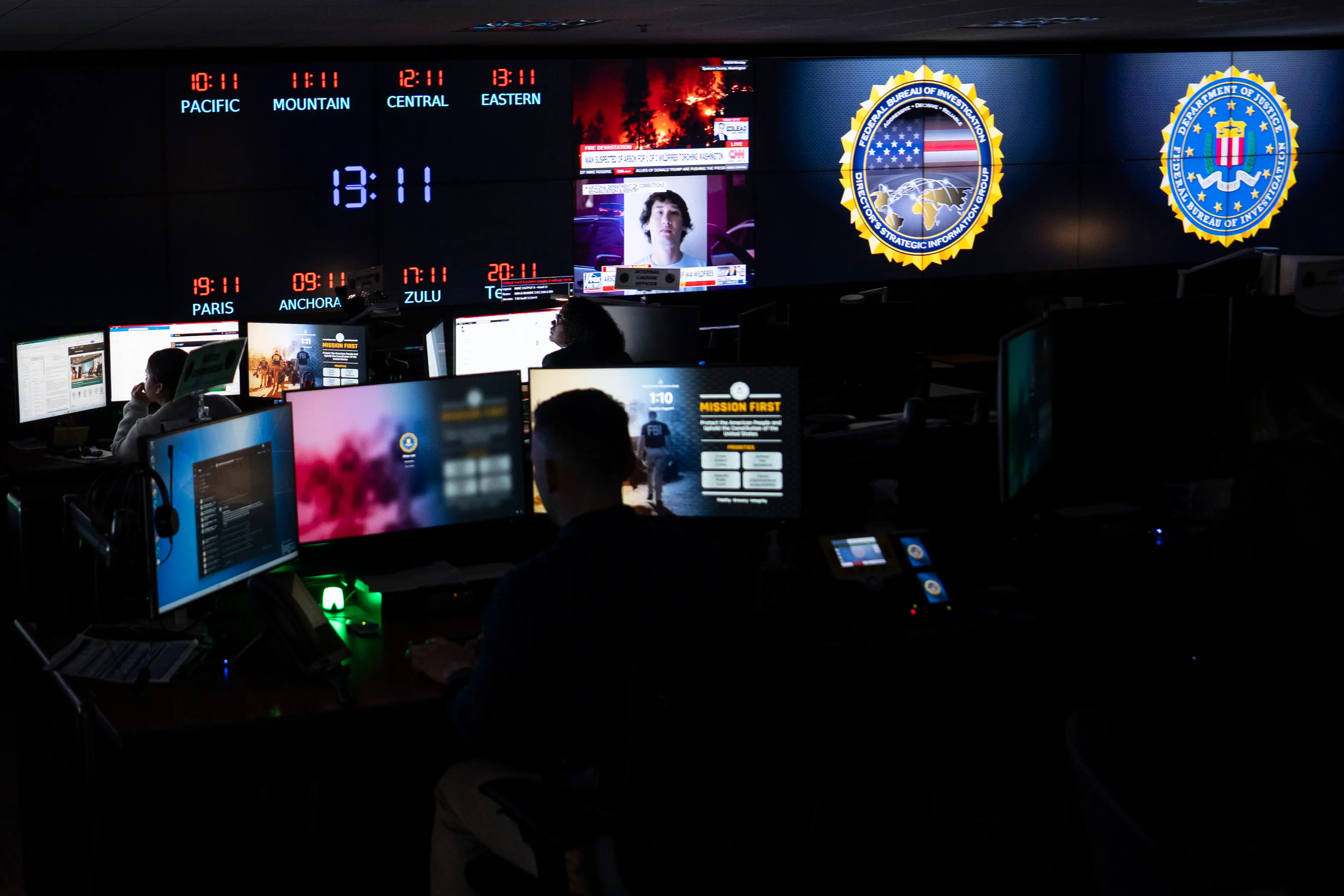
For Americans suspecting a scam, Patel has this advice: “Call us often and early.”
“Every single one of these is not a one-off. It’s tied to a criminal network overseas somewhere,” he said. Each new piece of information may provide a clue for the agency, leading to more compound raids and seizures.
By doing that, Patel said, Americans can help save others who might have fallen prey, while giving themselves a better chance of getting their money back.
“That’s the ultimate win,” he said.