Slow-dried pasta has developed a reputation as a healthier alternative to conventional pasta, with studies suggesting that it digests more slowly and helps keep blood sugar levels steadier.
Why Blood Sugar Levels Matter
Your body works constantly to keep blood sugar levels within a healthy range, so cells have a steady supply of energy.Key players in keeping blood sugar balanced are the pancreas and the hormones insulin, which lowers blood sugar, and glucagon, which raises it.
How Food Processing Influences Blood Sugar
Healthy food is often associated with short ingredient lists and minimal processing. This includes slow-dried foods that are processed at lower temperatures.These foods are thought to help maintain blood sugar balance by improving digestion and nutrient absorption, although their effects vary depending on the food.
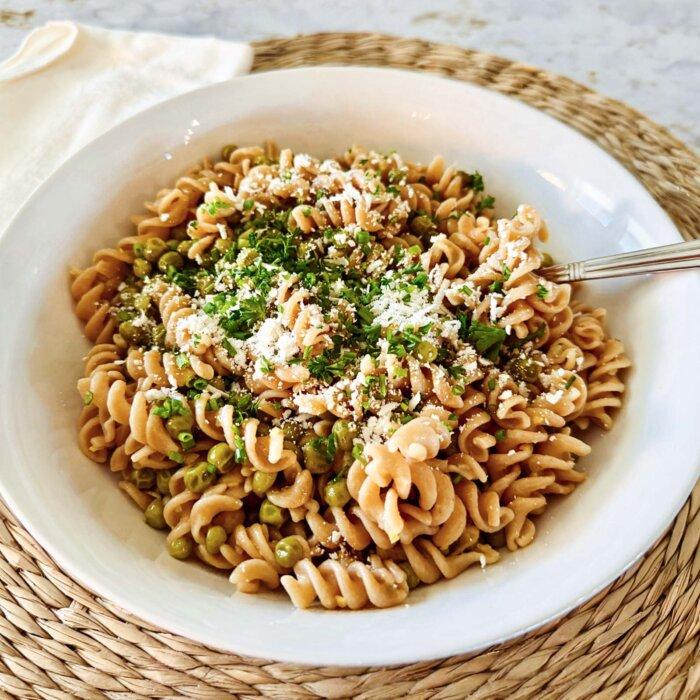

However, those findings appear to be related more to the type of carbohydrate than to the pasta’s processing technique. They also support what is already known about pasta: It is generally considered a low-glycemic food, meaning blood sugar spikes are naturally low during digestion.
Is Slow-Dried Pasta Healthier?
A recent study published in Food Chemistry examined the digestibility of durum wheat processed at temperatures ranging from 68 degrees Fahrenheit to 356 F. The in vitro tests showed that higher processing temperatures change protein structures in wheat.The proteins’ natural three-dimensional structure changes, making them harder to digest and potentially increasing the risk of allergies.
Researchers found that pasta made with durum wheat retained more slow-digestible starches than other wheat pasta, leading to a better balance of blood sugar levels. A drying temperature of 122 F was particularly beneficial for whole-meal pasta.
The researchers went even further, stating that alternative carbohydrates such as couscous or bread contain much lower levels of slow-digestible starches, which leads to a higher glycemic response.
How to Make Slow-Dried Pasta
If you'd like to try slow-dried pasta yourself, making it at home is surprisingly simple.Unlike commercially produced pasta, which undergoes a quick-drying process at high temperatures, slow-dried pasta is dried for 24 hours to several days in a low-temperature environment.
This gentle processing technique preserves the wheat’s proteins and starches, leading to better digestibility and improved flavor.
Traditionally, slow-dried pasta is made with semolina flour. However, this recipe uses a mixture of regular wheat flour and durum wheat for its higher protein content—up to five percent more. When the endosperm—the nutrient-rich inner seed—of durum wheat is ground, it becomes semolina flour.
- All-purpose flour
- Semolina flour
- Eggs
- Salt
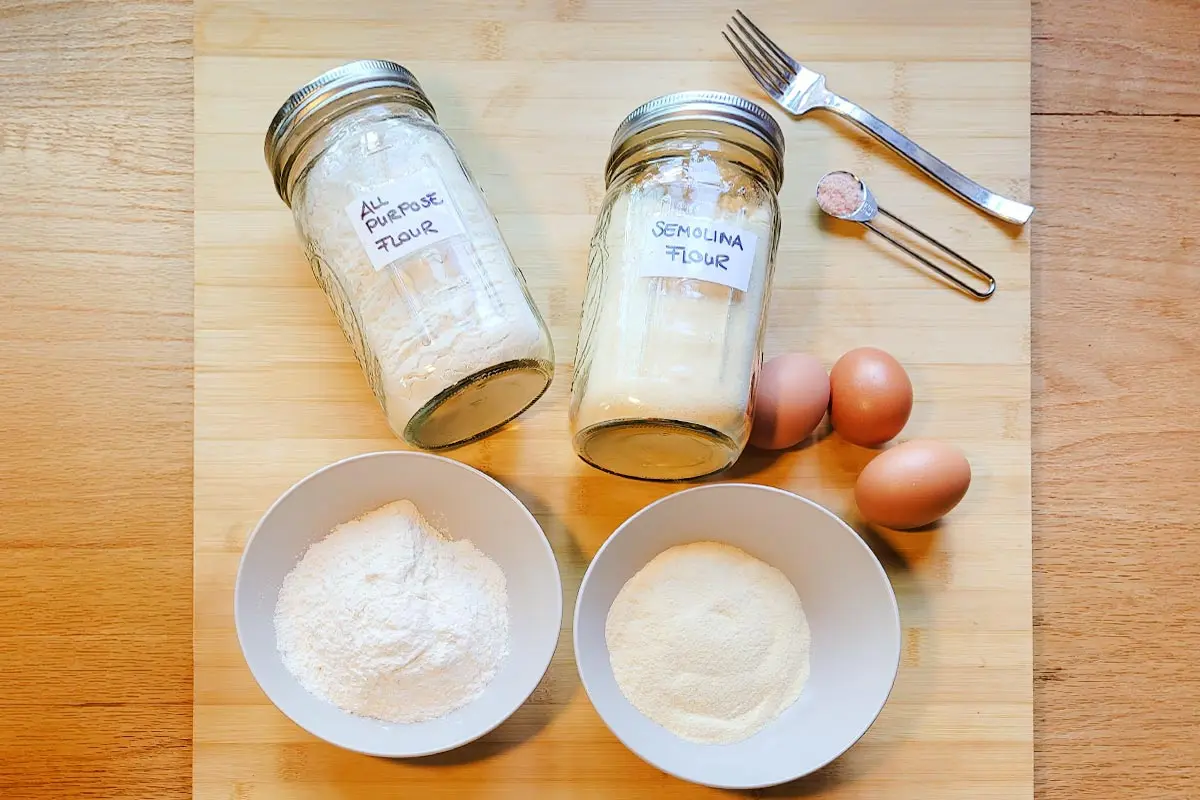
Although some traditional recipes don’t include eggs, they can be used as long as the pasta is dried completely—until brittle—before storing to prevent spoilage.
- Bowl
- Fork
- Plastic food wrap
- Wooden board
- Dough roller
- Knife or pizza cutter
- Dehydrator or pasta tree, for drying
- 3/4 cup all-purpose flour
- 1/2 cup semolina flour
- 1/4 teaspoon salt
- 3 large eggs (2 whole eggs for the dough, plus 1 egg yolk)
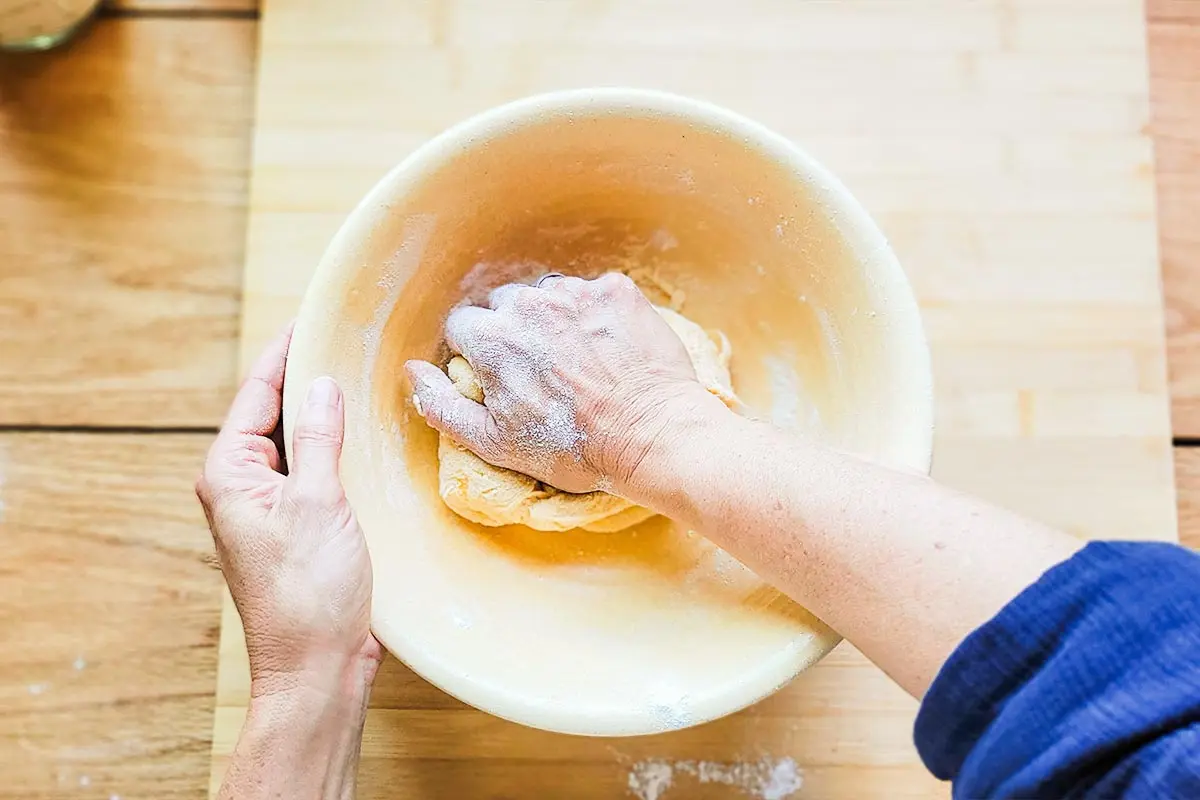
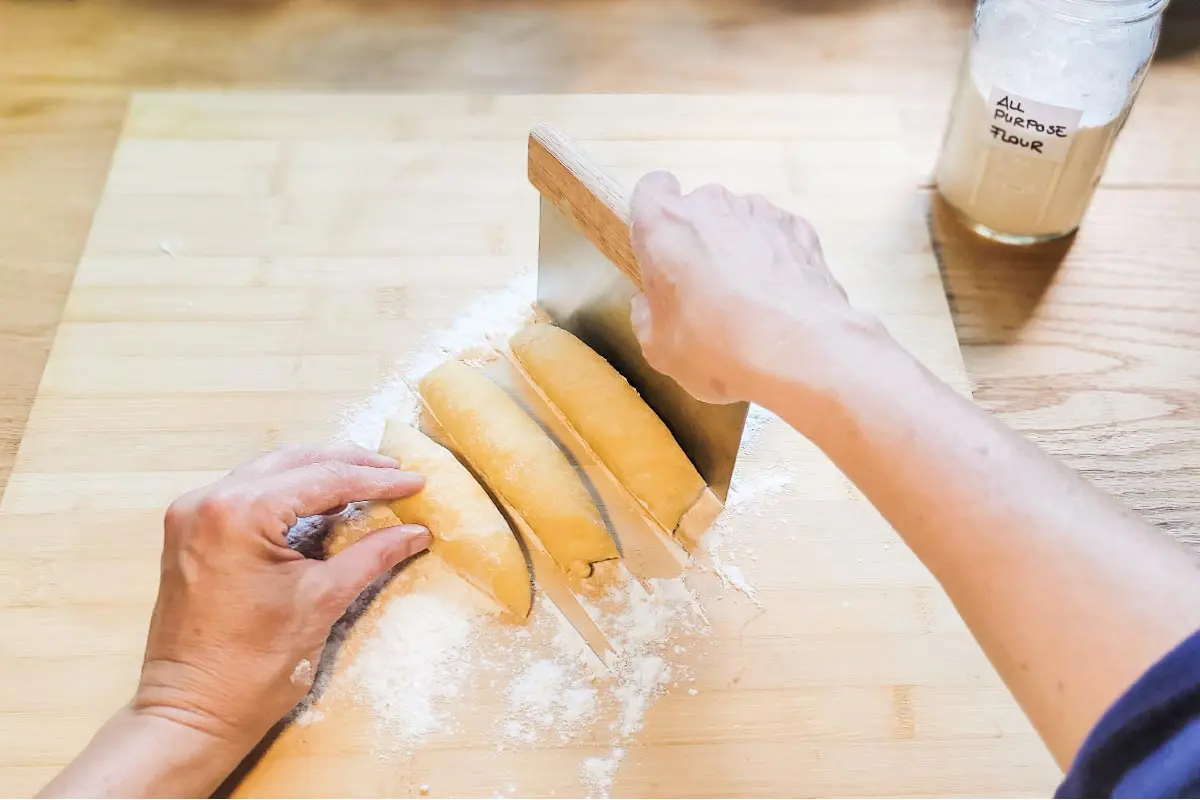
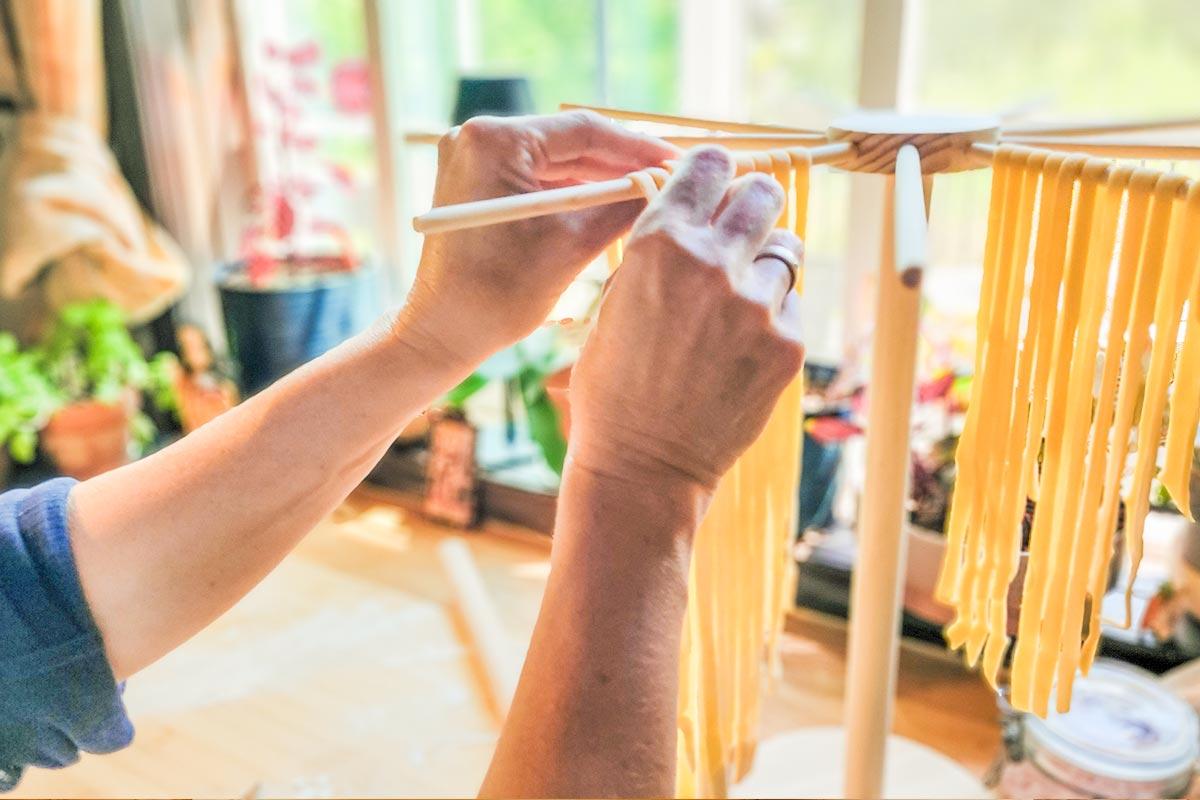
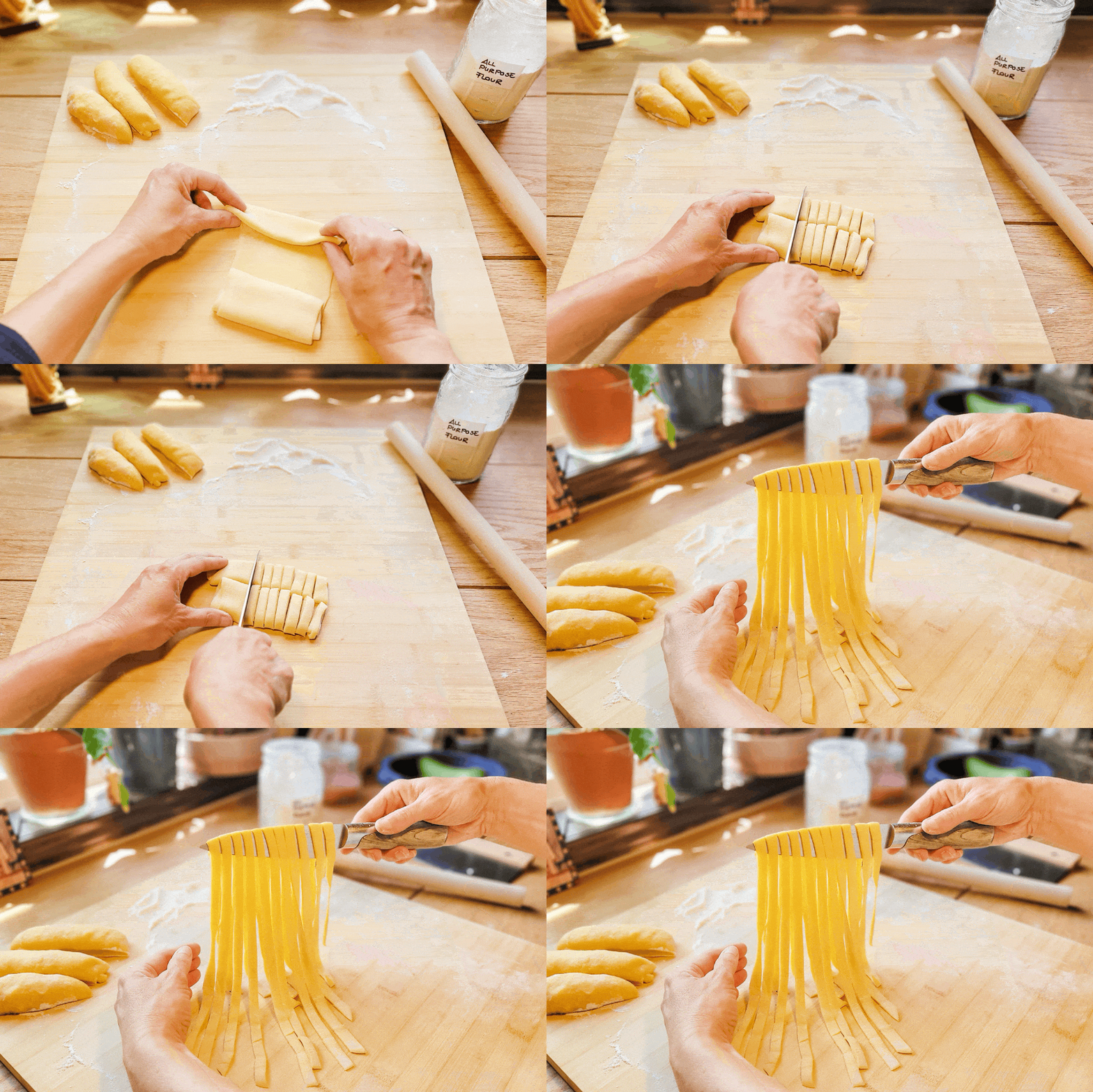
Once you have rolled out the dough, gently fold each side toward the middle before cutting. This makes the strips easier to slice evenly. After cutting, slide a knife underneath the center of the folded dough and lift gently—the strips will unfold into long strands of pasta.
Alternative Eggless Pasta Dough
Use two cups of fine semolina pasta flour and about 3/4 cup of lukewarm water. Then, follow steps 5 through 7 in the recipe above.- Fill a large pot with water and bring it to a boil. Add a pinch of salt.
- Once the water is boiling, add the desired amount of pasta. Cook for about two to three minutes, or until the pasta is “al dente,” meaning it is firm to the bite.
- Serve with your favorite pasta sauce and enjoy!