When my daughters were teenagers, we enjoyed girls movie nights with our faces covered in “mud” to treat their pimples. I learned that clay masks can aid your skin, and it was fun with a beneficial side effect.
Why Use Bentonite Clay After Antibiotics
Antibiotics can be effective at treating bacterial infections. However, they also often come with a long list of side effects, including intestinal microbiota imbalance, fungal overgrowth, antibiotic-induced diarrhea, or severe large intestine inflammation.How Bentonite Clay Works in the Gut
Numerous animal studies indicate how bentonite works. Its particles are less than two micrometers in size. They can swell to 14 times their original volume, making them well-suited for their traditional use in treating diarrhea by adding bulk to the stool.

Bentonite contains high levels of silica, calcium, magnesium, iron, and trace minerals, which give it a unique electrostatic charge that helps bind toxins and facilitate their exit from the body.
Tips on Safe Bentonite Clay Use
Although bentonite has a long history of use, it should be used carefully. Following a few basic precautions can help reduce the risk of side effects and interactions.Before Using
- Consult a healthcare professional before taking bentonite internally, especially if you take medications or have an underlying health condition.
- Choose a reputable food-grade product, as bentonite can contain trace amounts of heavy metals such as lead and mercury.
- Use wooden or plastic utensils rather than metal ones when preparing bentonite.
While Taking Bentonite Clay
- Stay well-hydrated to help move the clay through the digestive tract.
- Take bentonite at least two hours before or after any medication or meal to avoid interfering with nutrient or drug absorption. It is best to use bentonite after completing the prescribed course of antibiotics from your doctor.
- As a home remedy, use bentonite for up to two weeks to detox your body. You can also divide the daily dosage of 1/2 teaspoon into 1/4 teaspoon in the morning and 1/4 teaspoon in the evening. For long-term or more frequent use, consult a healthcare professional.
When to Stop Use
- Only take the advised amount of bentonite. Clay thickens the stool, and excessive intake can significantly slow the movement of food through the digestive tract, leading to constipation or even a serious intestinal blockage.
- Stop taking bentonite if you experience muscle weakness or cramping, tingling or numbness, or profound fatigue. These symptoms point to low potassium levels in the blood (hypokalemia) and can pose a health risk.
How to Use Bentonite Clay Internally
Health food stores around the country sell food-grade bentonite, a very fine, powder-like, odorless product with a grayish/greenish tint.For internal detoxification, you can mix the powder in water, juice, or herbal tea.
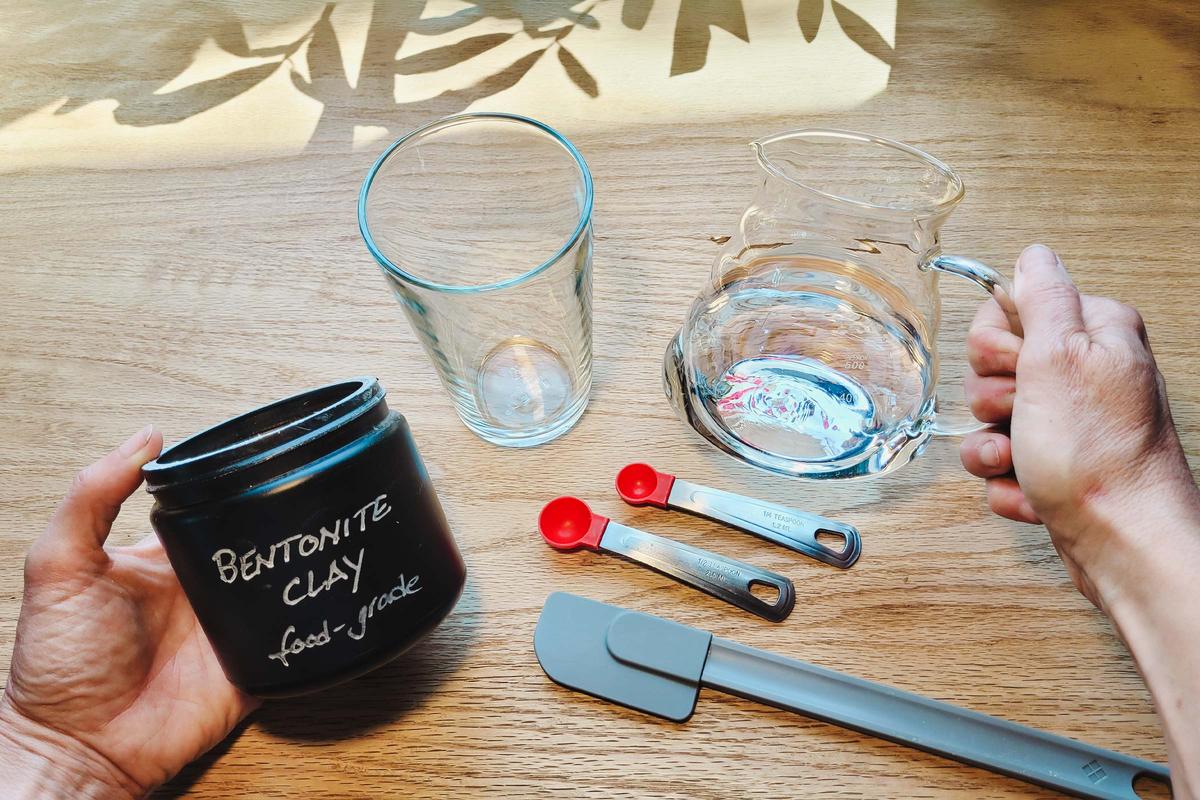
- 1/2 teaspoon food-grade bentonite
- 8 ounces water
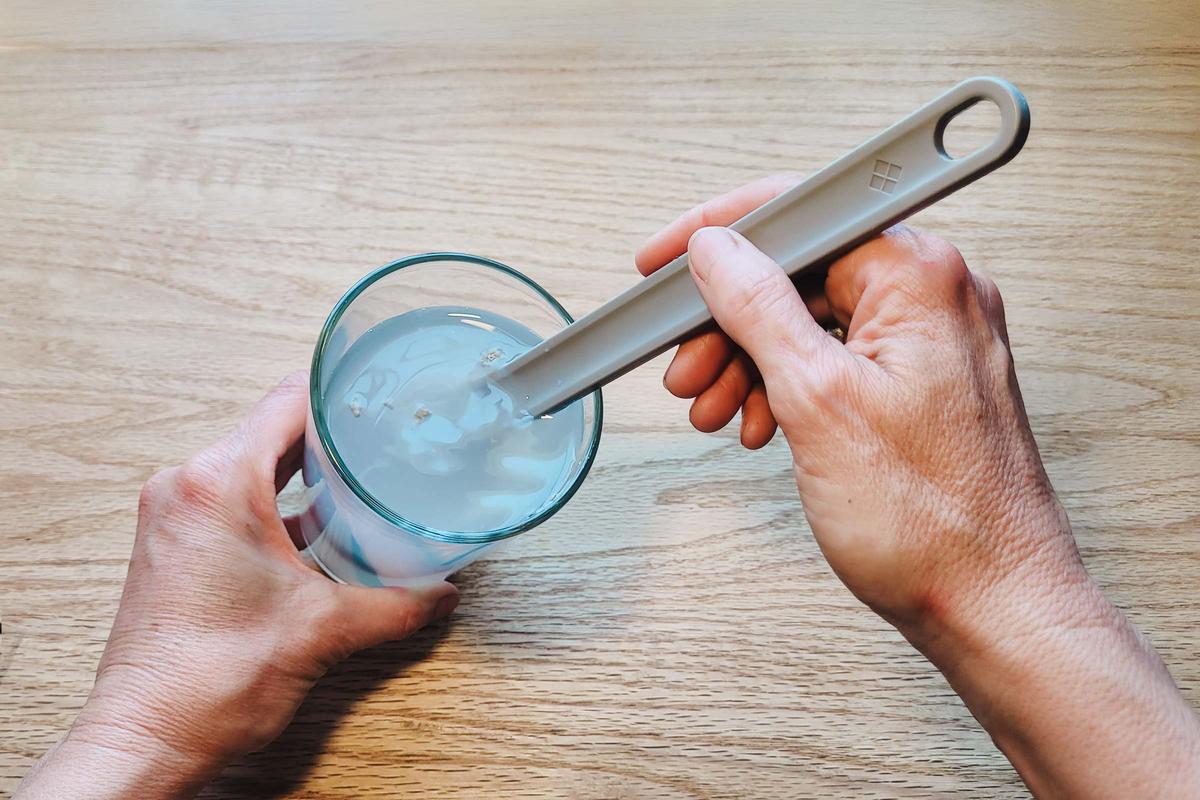
1. Mix the bentonite powder into the full glass of water, stir well, and drink. Stirring the mixture can take up to 5 minutes, as the clay initially forms small clumps and dissolves very slowly.
Whether used on the skin or taken internally, bentonite continues to attract interest for its unique binding properties. When used responsibly, it can be a useful addition to a short-term recovery plan following antibiotic treatment.