Nearly 20 years ago, my husband and I biked through the German countryside with our small children. We trailed behind as their joyful chatter turned to tears. When we caught up, we discovered our youngest daughter lying in a patch of stinging nettles after colliding with her sister, who had stopped to brush a fly from her eye.
Over the years, our family has shared this story many times. We joke that the experience cured her of any future seasonal allergies—and in fact, she has never had to deal with them.
How Nettles Help With Allergies
Allergens such as pollen trigger the production of eosinophils, a type of white blood cell involved in allergic reactions. An increase in these cells can cause allergy symptoms, such as sneezing, watery eyes, or a stuffy nose.Stinging nettles act as natural anti-inflammatories and antihistamines, helping to balance this response. They are also rich in vitamins, minerals, and trace elements that support overall immune function.
Collect With Caution
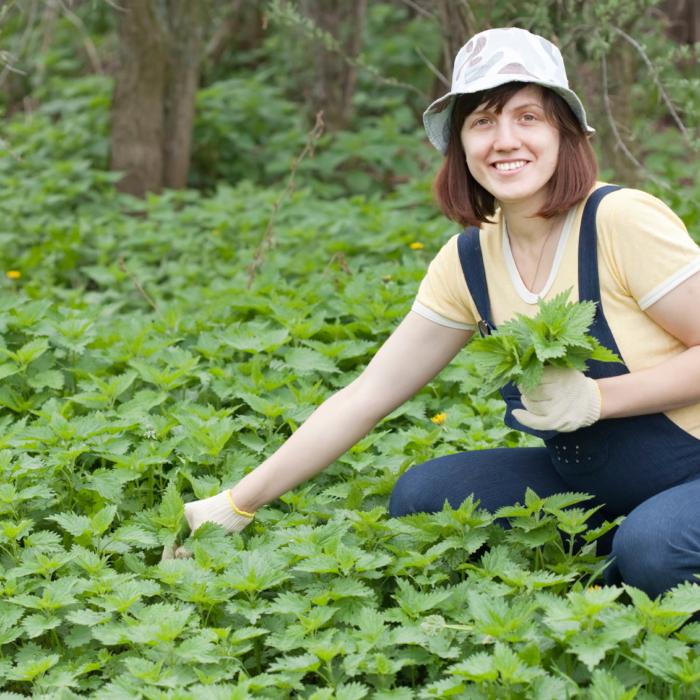
Foraging for stinging nettles can be rewarding, especially since the plants might not be for sale in your local supermarkets. Four simple guidelines will help you during wildcrafting.1. Plant Identification and Safe Harvesting
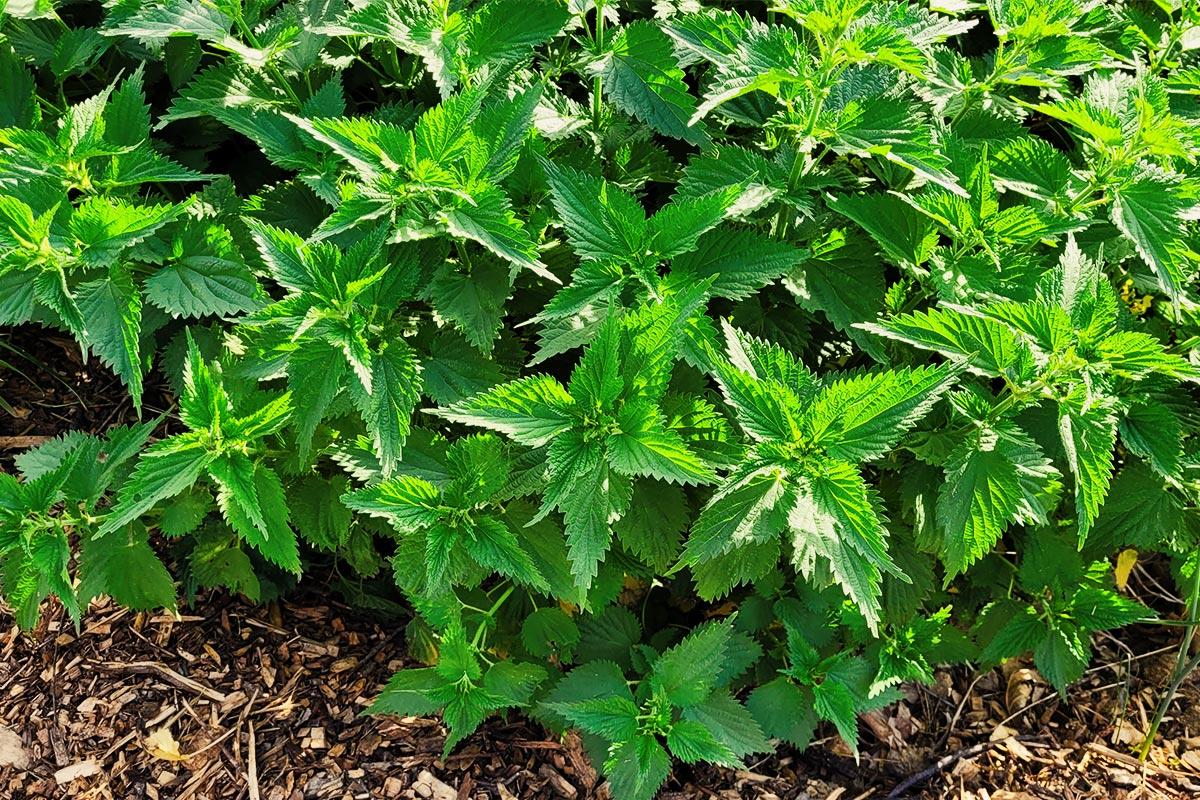
As with any wild plant, proper identification is essential before harvesting.
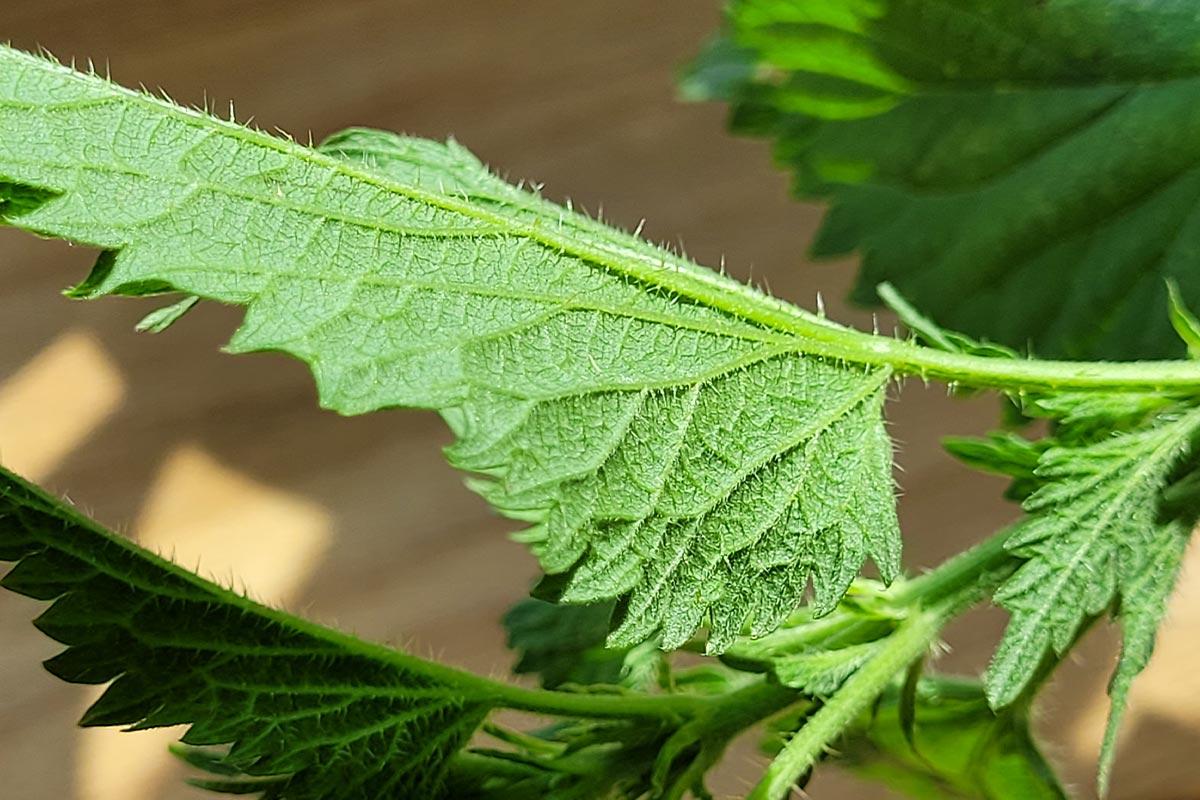
Stinging nettles have pointed, heart-shaped leaves with serrated edges that typically grow 1 to 7 inches long. The stems are square-shaped, and both the leaves and stems are covered with fine, hair-like structures that can release irritating compounds when touched.
Bring the right tools for harvesting. Picking nettles can be a bit trickier than gathering mint or other medicinal herbs. Wear gloves and bring a pair of small cutting shears or scissors, and a basket to drop the cut greenery into.
2. Know the Location
Only pick plants growing in areas you know are free from pesticides and herbicides, and away from roadsides or other polluted environments. Avoid areas near wildlife or pets, even in your garden (or wash your harvest well).3. Only Take What You Need
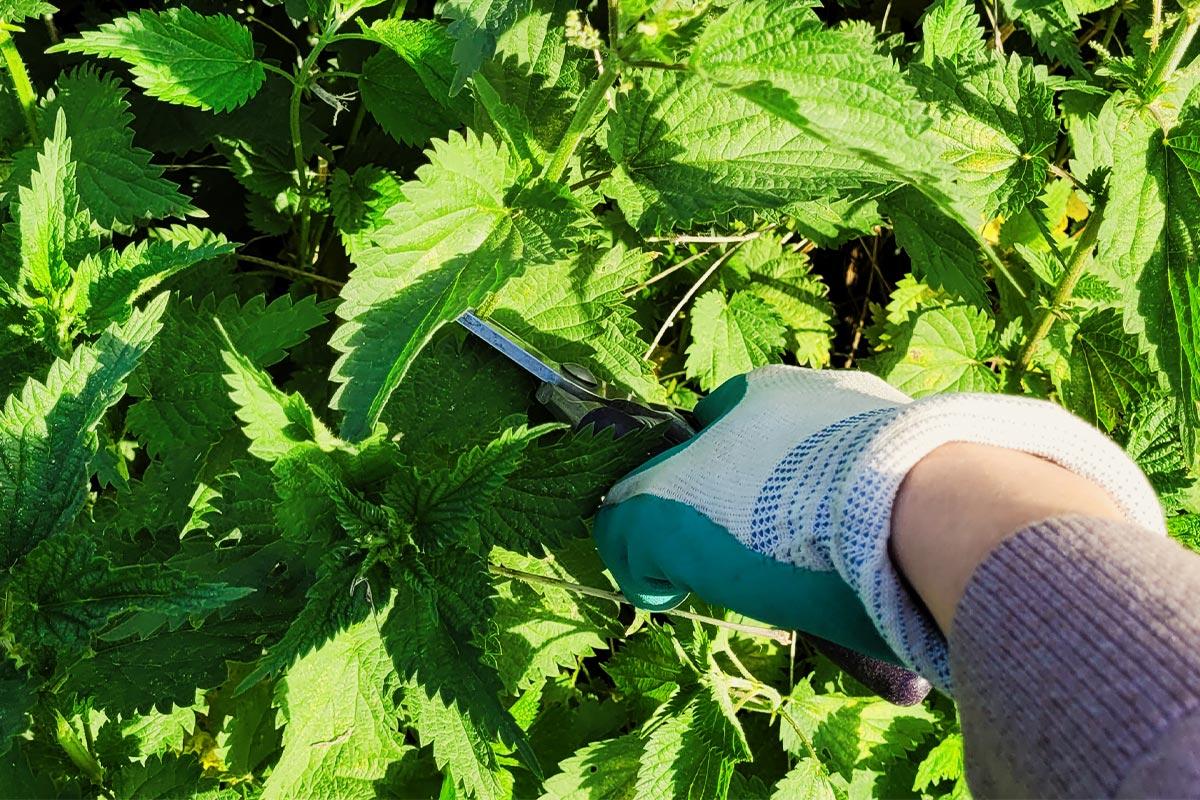
Harvest only what you need and avoid removing the entire plant so it can continue to grow.
After gathering your plant material, you are ready to start in the kitchen.
How to Make Sautéed Stinging Nettles
After cooking or processing, nettle leaves can be enjoyed sautéed, blended into soup, brewed into tea, or dried and sprinkled onto dishes.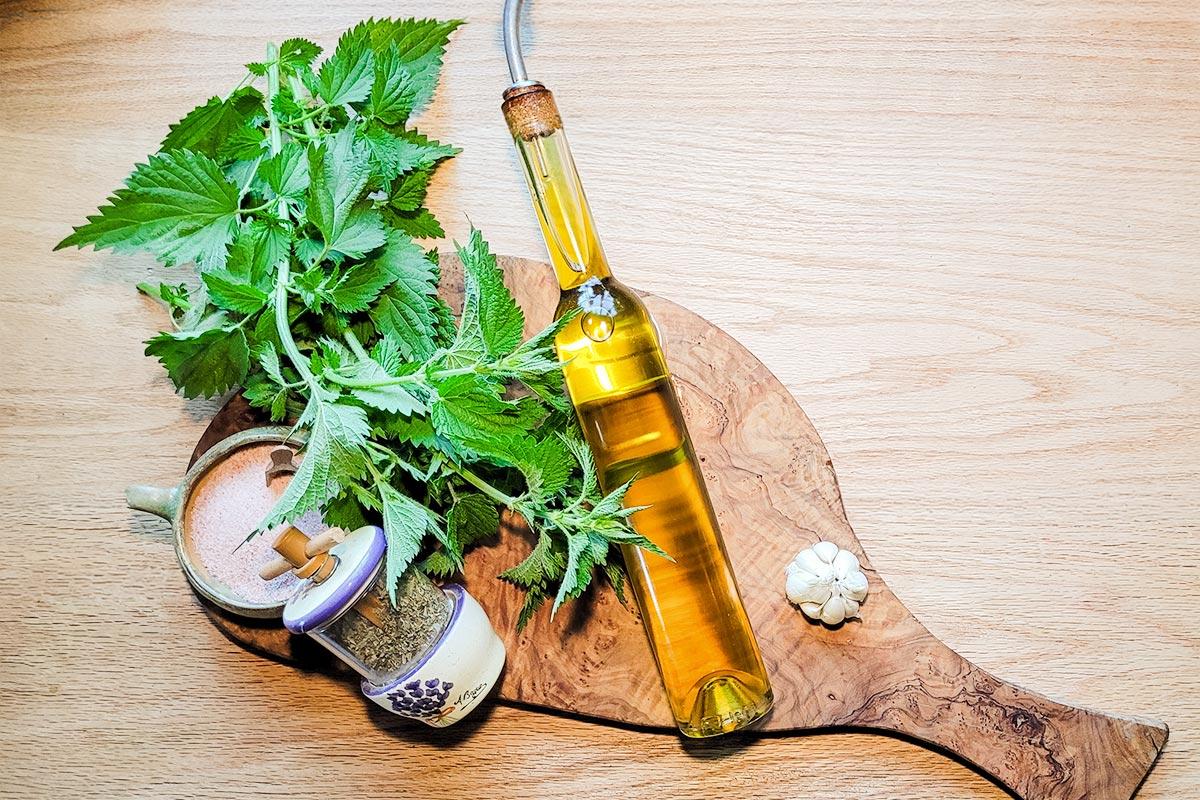
- 1 cup stinging nettle leaves
- 1 teaspoon to 1 tablespoon of extra virgin olive oil, coconut oil, butter, or ghee
- Salt, garlic powder, or other spices to taste
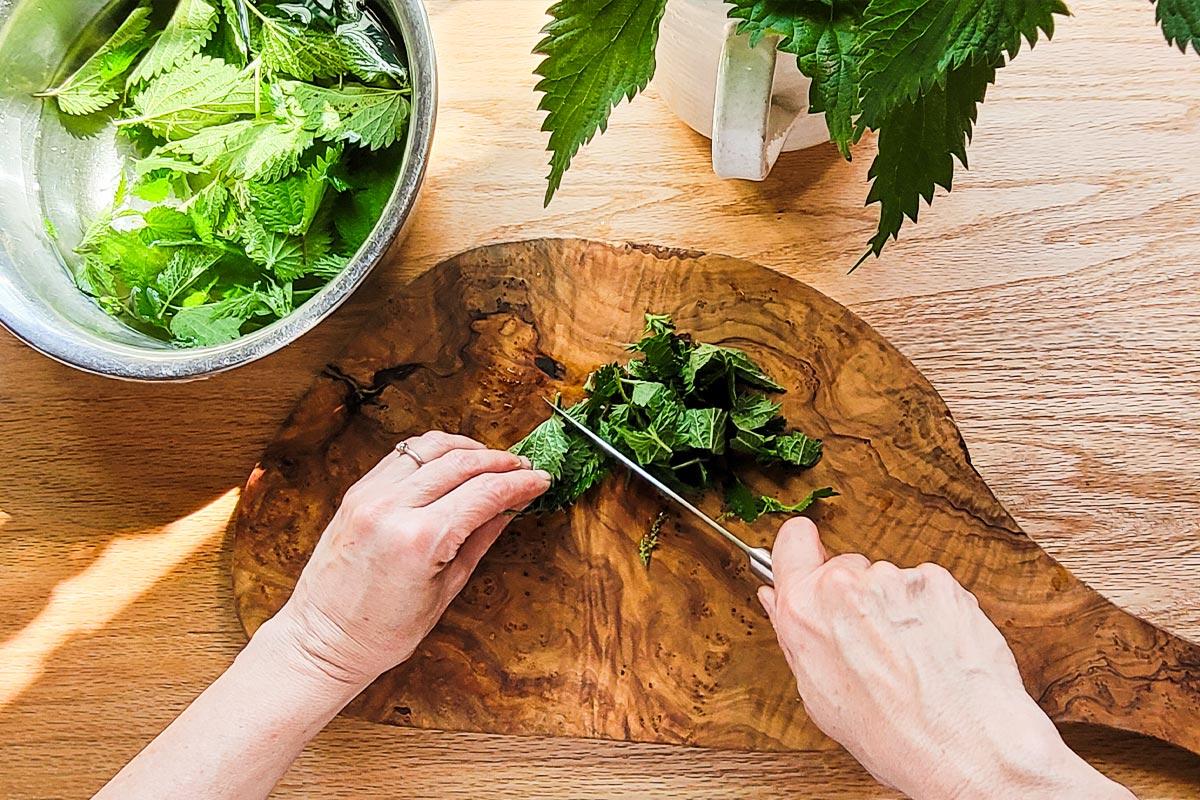
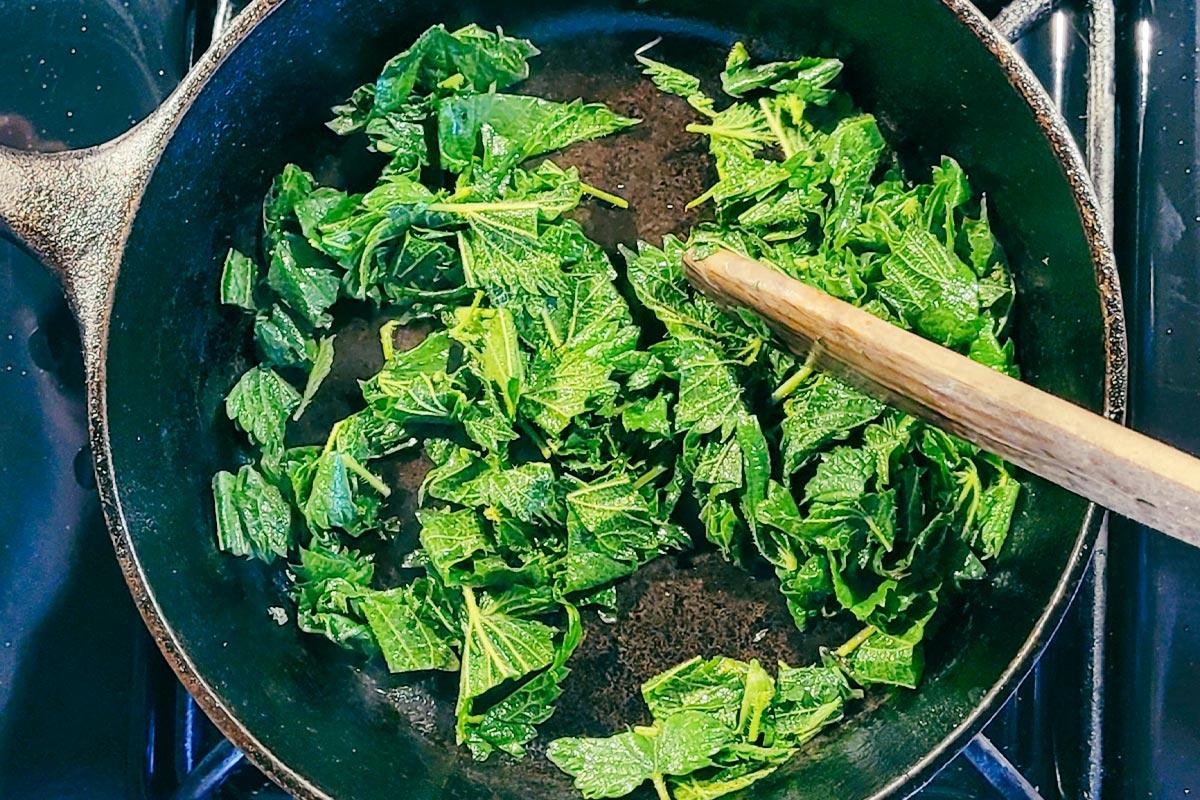
Sautéed nettle leaves are tasty just with a bit of garlic powder, salt, and other spices of your liking.
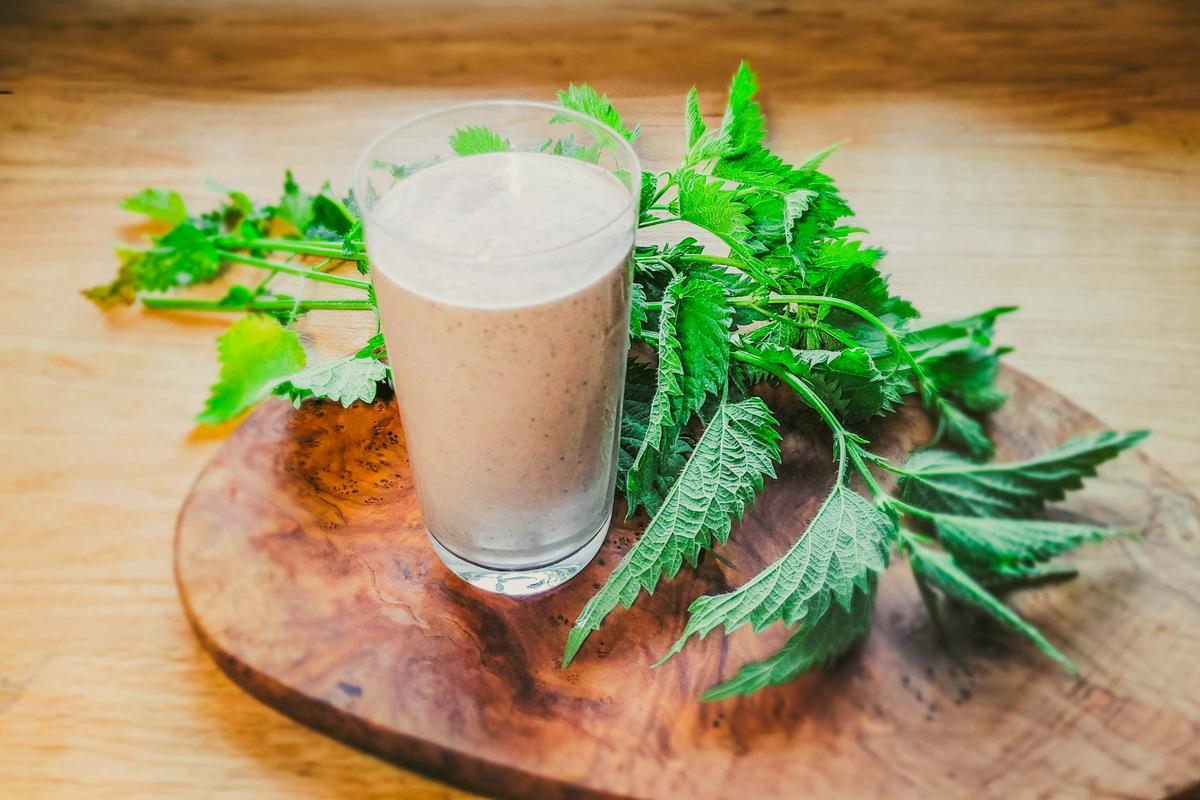
How to Make a Nettle Berry Smoothie
Nettle leaves have a slightly bitter, earthy flavor due to their high mineral content. Rich in vitamins, minerals, antioxidants, and plant protein, nettles are often added to smoothies and other nutrient-dense recipes.I like blending them with fruits and other greens to soften their flavor while creating a refreshing, healthy smoothie.
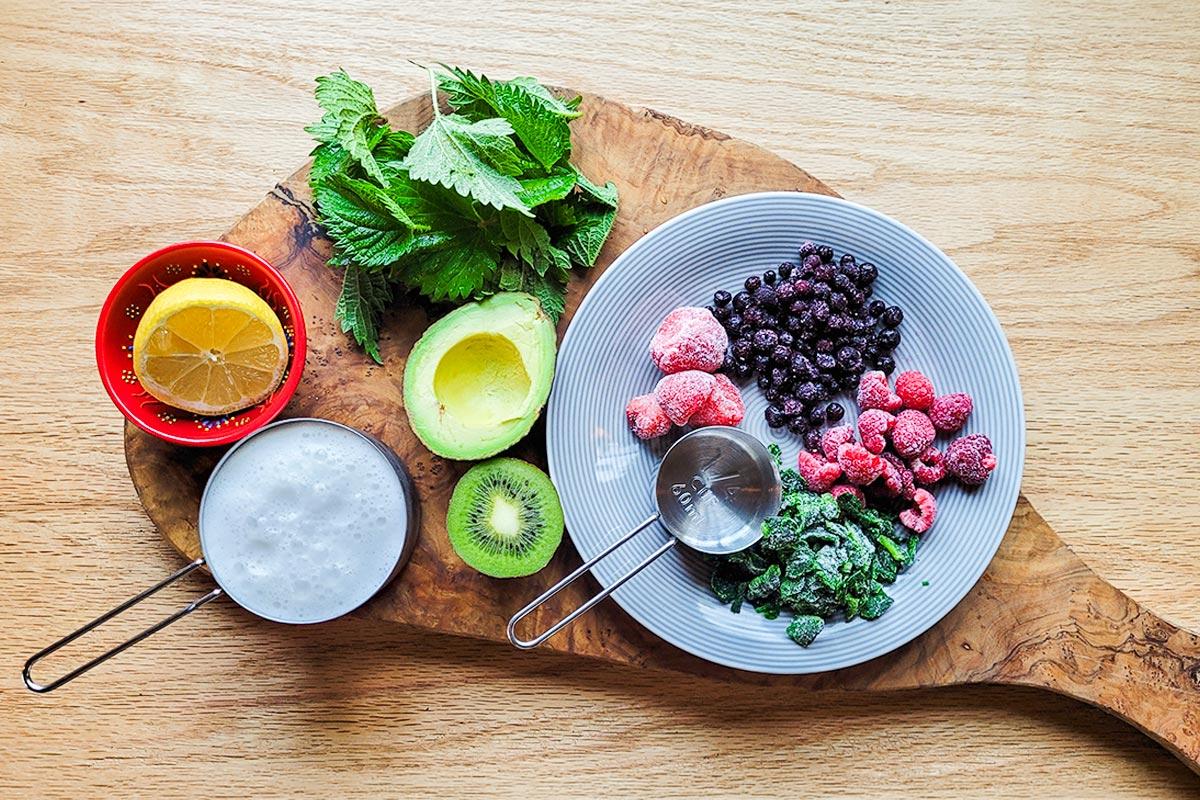
- 1/2 cup fresh, washed, and chopped nettle leaves
- 1/4 cup fresh or frozen spinach
- 1/4 cup frozen blueberries
- 1/4 cup frozen strawberries
- 1/4 cup frozen raspberries
- 1/2 medium-sized avocado
- 1/2 kiwi
- 1 to 2 cups milk (cow’s milk or plant-based milk) or water
- 1 tablespoon lemon juice (optional, if you like the added sour touch)
- Optional: kefir or yogurt for added creaminess and a slightly tart flavor