Increasing a sluggish metabolism is key for weight loss. Poor metabolism can lead to obesity, fatigue, weakened immunity, dry skin, and brittle nails. How can we effectively improve our metabolism?
Metabolism Hindered by Phlegm and Dampness
To improve metabolism, Mr. Zhu believes that we can start from two different directions, one is to improve the body’s basic functioning, and the other is to reduce the intake of foods that cause phlegm-dampness.TCM treatment tailors to the individual, and therefore it divides people into nine types. Phlegm-dampness (Tan shi) constitution is one type.
TCM sees obesity as mostly caused by phlegm dampness. Phlegm-dampness is the accumulation of too much water—also called moisture—in the body that cannot be utilized or metabolized. It increases the potential for chronic inflammation. Most of this moisture is concentrated in the spleen and stomach. Ingested food goes to the spleen and stomach for digestion and any excessive moisture produced during that time will slowly accumulate and be dried by the body, eventually becoming thick phlegm.
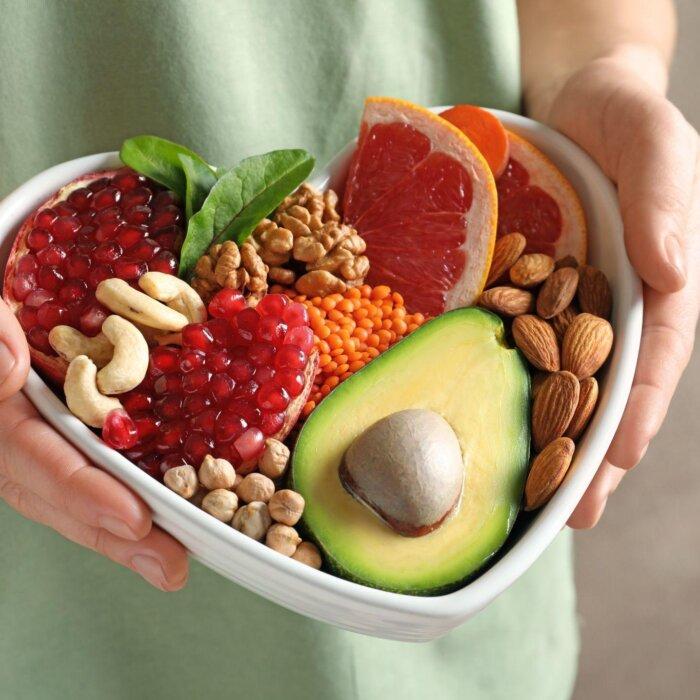

5 Foods to Improve Metabolism
1. Soybeans
Soybeans can improve metabolism by improving the smooth operation of the spleen and stomach, increasing the speed of phlegm and dampness metabolism. From a nutritional point of view, the high content of plant-based protein in soybeans echoes the concept of modern medicine regarding the high thermogenic effect of protein.2. Deep Sea Fish
Deep sea fish, especially salmon and hairtail fish, are rich in omega-3 fatty acids, which help fight inflammation and can be said to be a blood vessel scavenger. In addition, TCM believes that fish is hot in nature, which can increase energy metabolism and facilitate blood circulation.3. Coffee
Nutrition studies have confirmed that coffee can accelerate fat burning and decompose triglycerides. TCM regards coffee as a hot food. Therefore, people who drink coffee will usually feel refreshed.4. Chili Peppers
Chili peppers are slightly warm in nature. Chili peppers contain capsaicin, which also stimulates body metabolism.5. Shiitake Mushrooms
Research has found that lentinan, a polysaccharide derived from the mycelium of shiitake mushrooms, helps fight tumors. Mr. Zhu said that from a TCM perspective, tumors are called malignant accumulation, and stubborn phlegm dampness is like such malignant accumulation. Utilizing shiitake mushrooms’s ability to break down fat that is difficult to dissolve is one way to help the body’s metabolism.3 Acupoints and 1 Tea Drink
Mr. Zhu recommends drinking the following tea made from Chinese medicinal herbs, plus three acupoint massages to improve metabolism.Herbal Tea
Ingredients- 5.6 to 7.5 grams (gm) Astragalus
- 3.75 gm Codonopsis pilosula
- 5.6 gm wolfberry (goji berry)
- 3,75 gm Alisma
- 7.5 gm lotus leaf
Accupoint Massage
1. Laogong Acupoint (PC-8)
Located at the point where the middle finger touches the palm when the hand is clenched into a fist, one on each hand. Laogong acupoint belongs to the pericardium meridian acupoint, which is responsible for the heart and blood. Pressing the Laogong acupoint facilitates waste metabolism in the blood vessels. Also, when you feel tired or experience rapid heart rate, pressing the Laogong acupoint can help boost your spirit, reduce the heart rate, and ease your mood.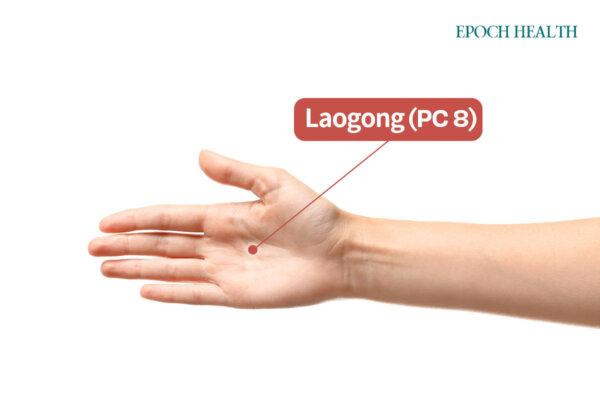
2. Fenglong Acupoint (ST-40)
Located in the midpoint of the line connecting the outer ankle and the outer knee eye and two finger widths outward from the side of the tibia. Pressing the Fenglong acupoint is effective in metabolizing phlegm and dampness in the body, so it is often done to reduce edema in the calves. In TCM, Fat in the blood vessels is similar in nature to that of phlegm and dampness, so massaging this acupoint also helps to metabolize waste in the blood vessels.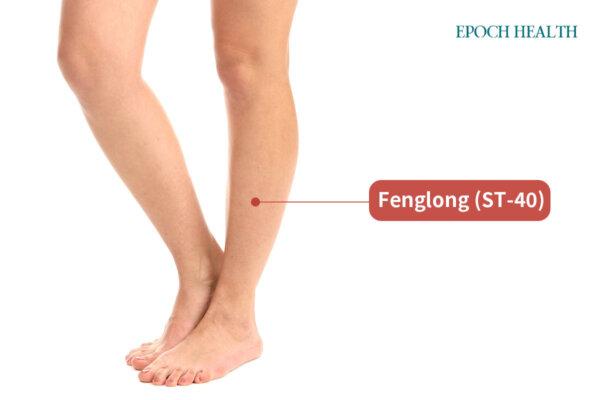
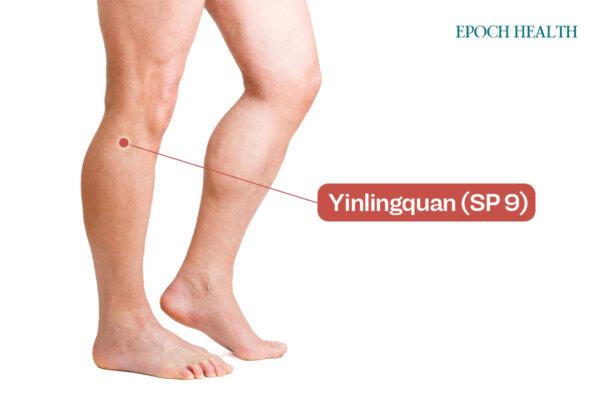
3. Yinlingquan Acupoint (SP-9)
Located at the depression where the inner knee slides down to the bone. Pressing the Yinlingquan acupoint can metabolize water and dampness and help activate body energy.