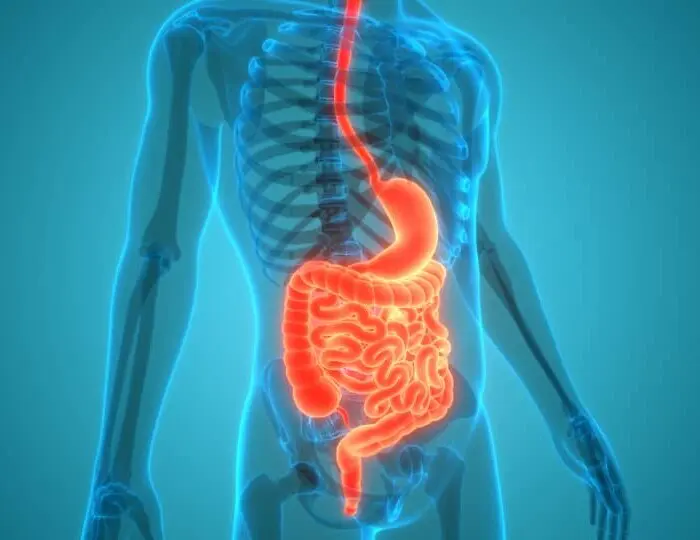
The human intestinal tract hosts a myriad of microorganisms that play a vital role not only in digestion but also in influencing the body’s immune and nervous systems. The intricate link between the intestines and overall health is indeed undeniable. Intestinal polyps are a significant factor in the development of colorectal cancer. In this article, Dr. Jing Tong, a specialist in gastroenterology and hepatology from New York, shares insights on how to maintain intestinal health and prevent the occurrence of colorectal cancer.
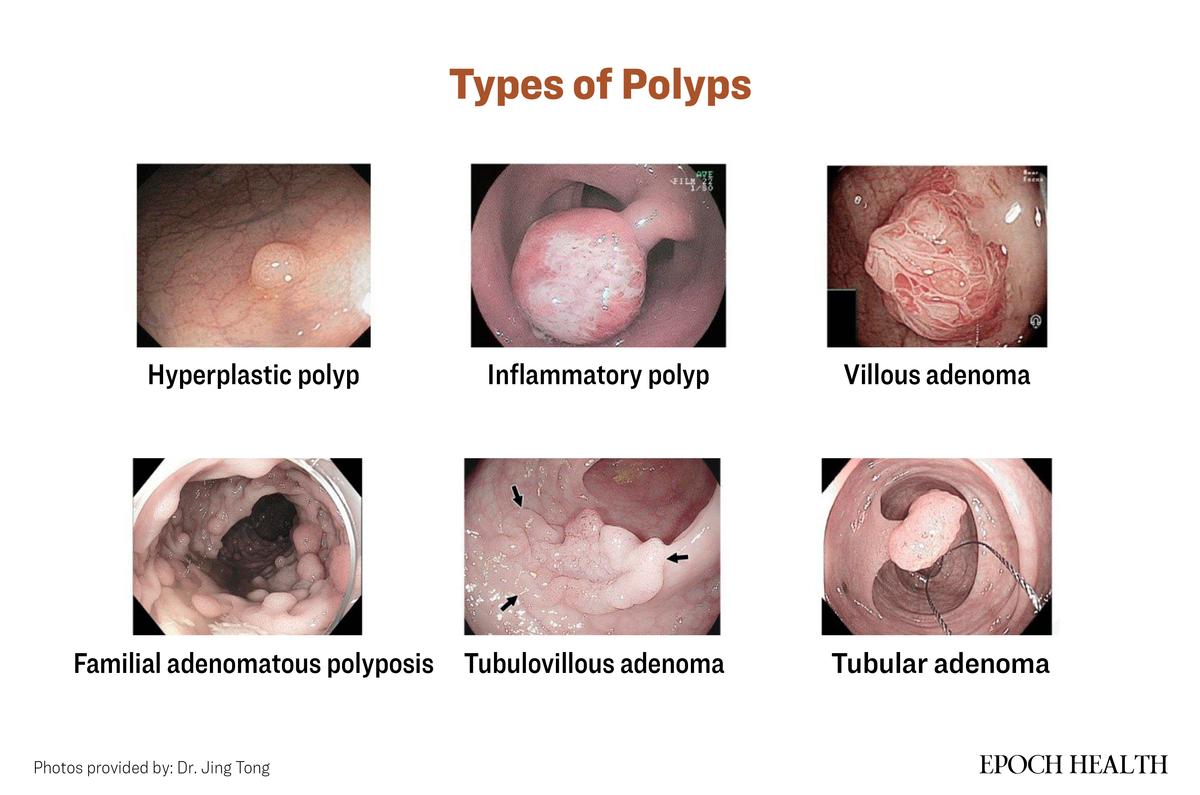
Dr. Jing explained that 80 to 95 percent of colorectal cancers develop from intestinal polyps. Colorectal polyps are abnormal growths on the intestinal membrane, sometimes protruding like small mushroom shapes, and at other times forming indentations. Early detection of polyps poses a challenge, and they are often observed during colonoscopies. Polyps are generally categorized into five major types:

Causes of Colorectal Cancer
Dr. Jing emphasized that there are hardly any symptoms in the early stages of colorectal cancer. Colonoscopy is the only method for early detection. If there has been a history of colitis or the development of polyps, even if removed, the epithelial cells persist as conducive ground for polyp growth. Generally, there are four main causes of colorectal cancer:Genetics
There can be a notable increase in the risk of colorectal cancer if the disease runs in your immediate family or among second-degree relatives, such as grandparents, uncles, or aunts.Lack of Exercise
A sedentary lifestyle can contribute to the onset of colorectal inflammation. There is ample evidence indicating a correlation between increased physical activity and a reduced risk of colorectal cancer. Notably, the risk tends to decrease as the frequency and intensity of exercise increase. The optimal exercise frequency is 4 to 5 days a week, with each session lasting at least 30 minutes.Unhealthy Diet
People with a diet rich in meat, fried and oily foods, and low in vegetables face an increased risk of developing colorectal cancer. Additionally, those with inflammatory bowel disease face a 10 to 20 times higher likelihood of developing colorectal cancer compared to the general population.Obesity
Obesity is considered a root cause of various ailments. Lack of exercise can increase the occurrence of obesity in both men and women, subsequently raising the risk of colorectal cancer.10 Early Signs of Colorectal Cancer
The colon and small intestine lack significant nerve endings, making early cancer detection challenging due to the absence of pain signals. Nevertheless, there are still symptoms to look out for. Dr. Jing has listed 10 potential warning signs of colorectal cancer, urging everyone to be vigilant:1. Changes in Bowel Habits
If you experience sudden difficulties with bowel movements, constipation, frequent diarrhea, or poorly formed stools, seek immediate medical attention.2. Changes in Stool Appearance
If the shape of stools suddenly becomes pencil-thin, it could indicate a tumor growth near the anus, causing a narrowing of the stool.3. Blood in Stool
Blood associated with colorectal cancer or tumors appears mixed within the stool without causing pain. This is different from bleeding due to hemorrhoids, where bright red blood may splash after a bowel movement, accompanied by pain around the anus. However, in advanced stages, a large tumor near the anus can also cause discomfort.4. Mucus in Stool
The presence of mucus in the stool is often linked to adenomatous polyps or the active secretion of mucus by the tumor, requiring special attention.5. A Feeling of Fullness in the Rectum
This refers to the sensation of the urge to have a bowel movement shortly after completing one. Despite spending considerable time on the toilet, nothing passes. The sensation of fullness is caused by the stimulation of the anus by a tumor or polyp, creating a false urge to move the bowel when, in fact, no stool is present.6. Abdominal Pain
Tumors can cause abdominal pain. Typically, the intestines have few nerve endings, resulting in a limited sensation of pain. However, severe abdominal pain may indicate that the tumor has grown beyond the intestinal wall, affecting other organs. This raises concerns about advanced-stage colorectal cancer, prompting the need for careful attention.7. Anemia
Bleeding from intestinal tumors or polyps may occur before blood in stool is observed. This type of bleeding is small and intermittent, making it invisible to the naked eye and requiring laboratory tests for detection. Persistent and prolonged bleeding can result in the loss of blood volume, leading to anemia.8. Loss of Appetite
Intestinal tumors or polyps can lead to changes in the digestive tract, causing patients to lose their appetite.9. Unexplained Weight Loss
Patients may experience unexplained weight loss, despite not intentionally dieting or controlling weight. This weight loss is often accompanied by abdominal pain, constipation, and changes in bowel habits.10. Abdominal Lump
In some cases, patients may develop a large tumor causing obstructive symptoms. During abdominal examinations, doctors can detect the lump through manual palpation.Healthy Habits to Reduce Risk of Colorectal Cancer
To reduce the risk of colorectal cancer, it is crucial to maintain intestinal health. Dr. Jing suggests adopting the following healthy dietary habits in everyday life:Last but not least, Dr. Jing advises people aged 45 and above to get regular colonoscopies for early detection and treatment of any potential issues.