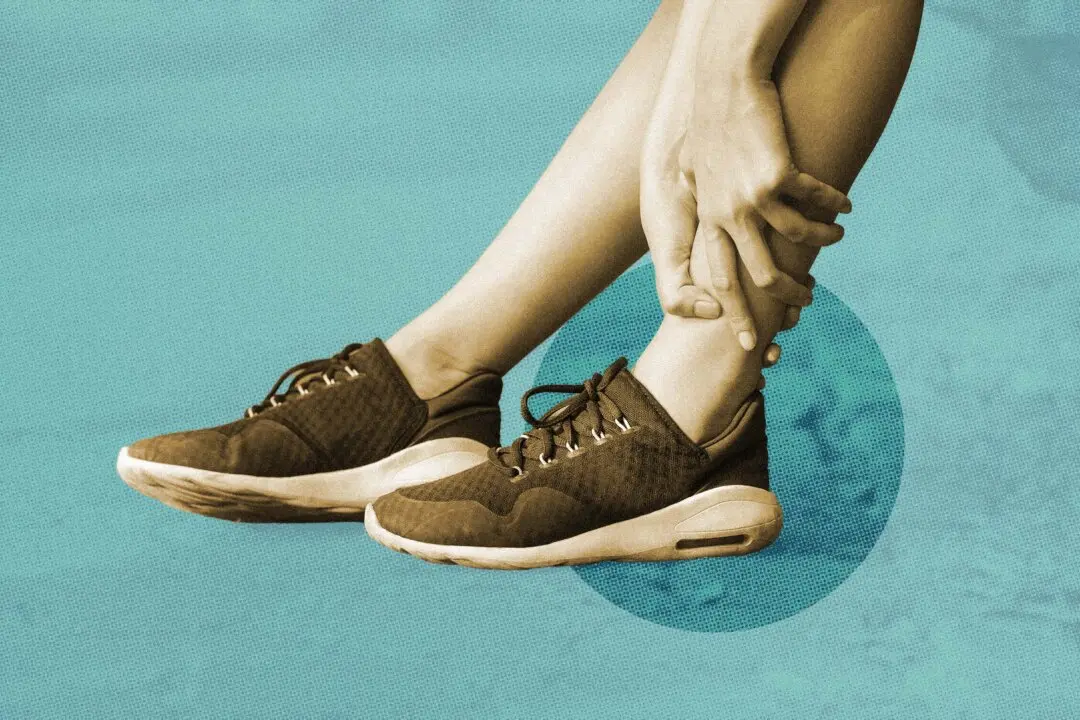
A slender woman visited a traditional Chinese medicine (TCM) clinic, reporting a complete loss of appetite and poor digestion. Despite the cold weather, she was wearing a short skirt without thermal tights.
“I wear short skirts year-round,” she said. “Long pants make me feel constricted and uncomfortable.”
Lee Chia-Ling, director of Aroma TCM Clinic in Taiwan, told The Epoch Times that exposure to cold in the lower body was an important factor contributing to the woman’s digestive issues.
According to TCM theory, exposure to cold during the winter months not only increases susceptibility to common colds but may also hinder the circulation of energy throughout the body, thereby affecting the function of the internal organs.
The Effect of Cold on the Feet
During winter, the feet are among the body’s most vulnerable areas for cold exposure.“Caring for your feet goes a long way toward protecting your overall health,” Lee said on the “Health 1+1” program on NTD, a sister outlet of The Epoch Times.
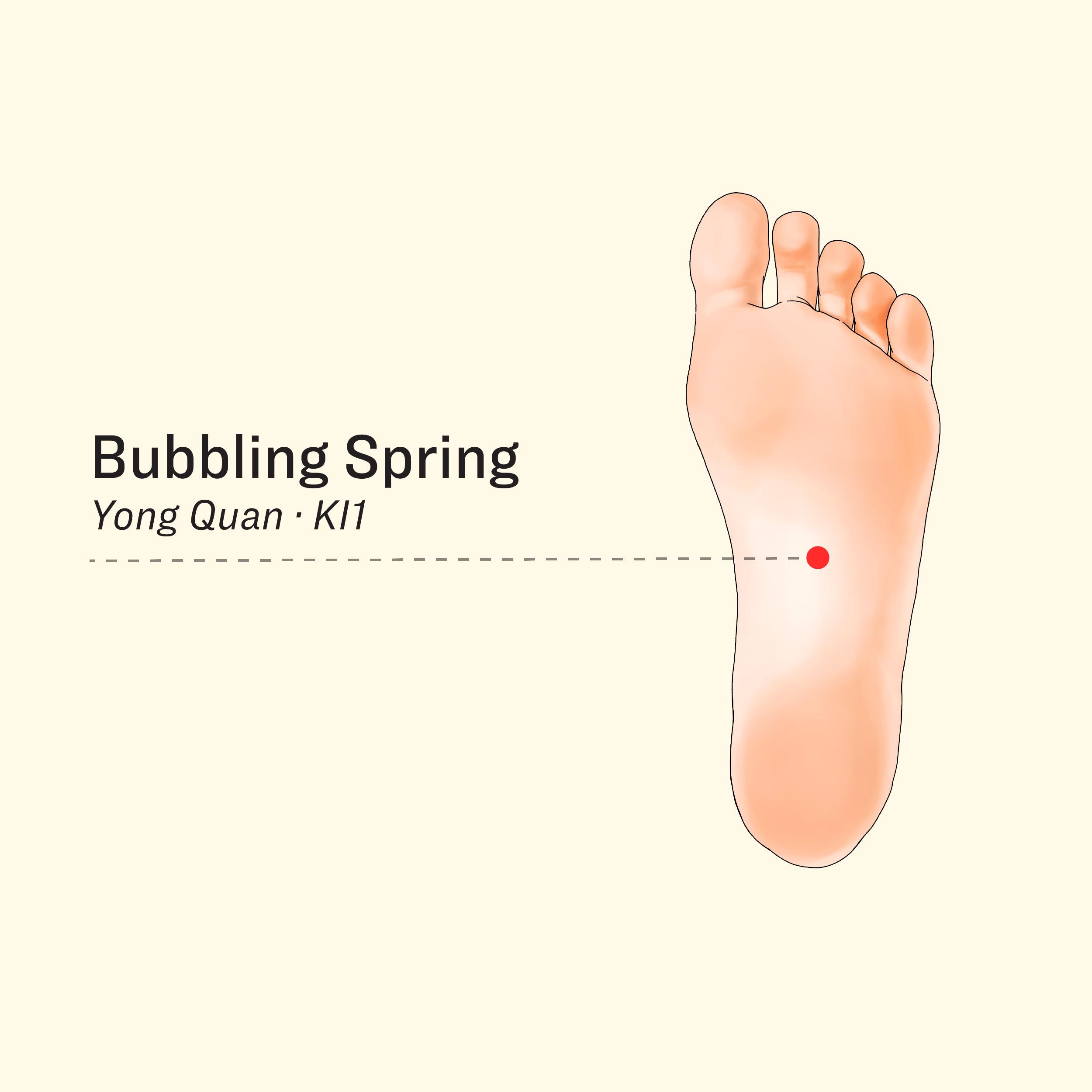
On the soles of the feet lies an important acupoint known as Yong Quan (KI1), which belongs to the kidney meridian. In TCM theory, cold can enter the body through Yong Quan and travel upward along the meridians.
Practical Ways to Warm Your Feet Before Sleep
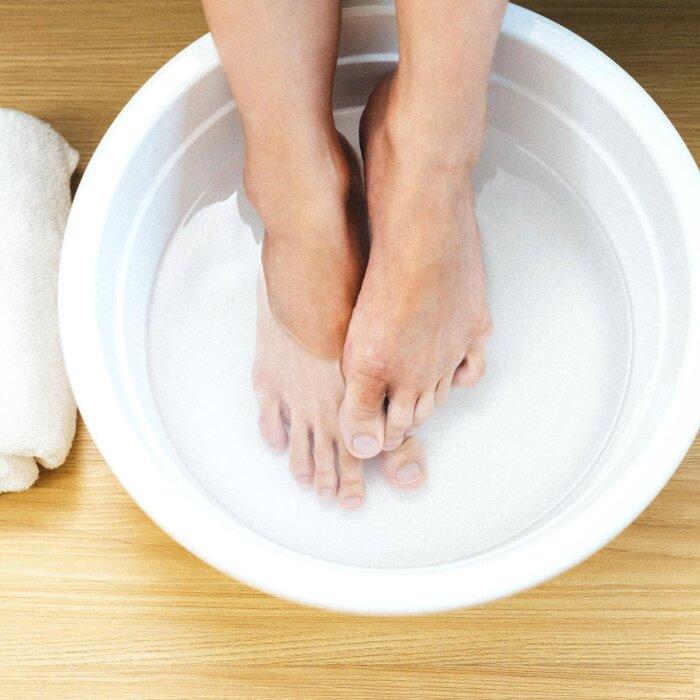
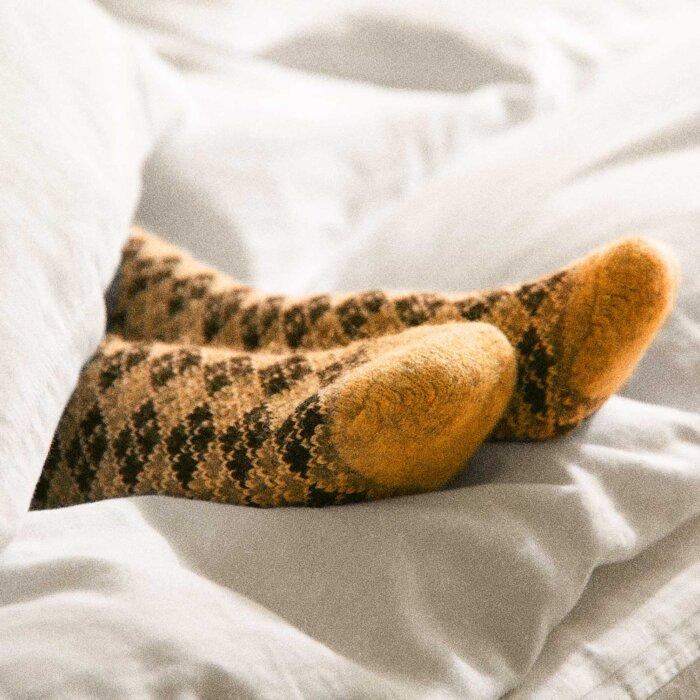
For people who frequently experience cold feet, Lee recommends two simple methods to warm them before bedtime.Soak your feet in warm water before going to bed. While they are still warm, put on a pair of socks and go to sleep.
If soaking your feet isn’t possible or seems too much of an effort, you can use a hair dryer to warm your bedding and your feet after getting into bed.
If these approaches do not keep your feet warm, or if your feet remain so cold that you have difficulty falling asleep, the issue may be related to your body constitution. In such cases, consulting a qualified TCM practitioner is recommended.
Research has shown that warming the feet can help improve sleep quality.
TCM Guidelines for Foot Soaking
According to TCM, soaking the feet before bedtime promotes better sleep and serves as an important practice for maintaining overall health. It is particularly beneficial for people who engage in prolonged mental work, experience menstrual pain, or frequently feel fatigued.Water Temperature
The ideal water temperature is between 104 F and 108 F. For older adults or those with sensitive skin, 104 F is preferable.Water Level
The water should rise above the ankles and preferably reach the calves, covering the San Yin Jiao (SP6) acupoint.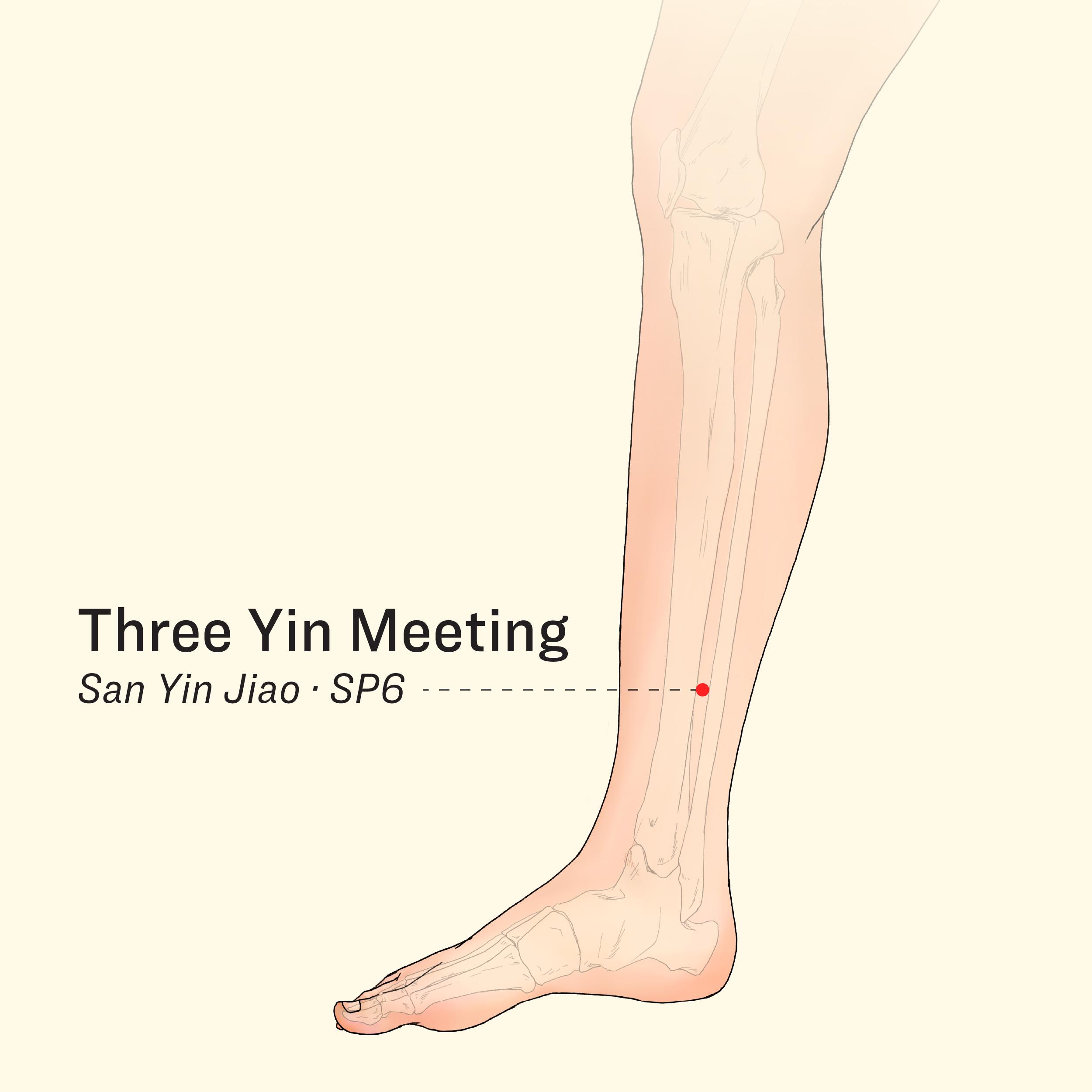
Duration
Soak for 10 to 30 minutes, until slight perspiration appears on the back or forehead. Avoid soaking to the point of heavy sweating, as this may lead to dehydration or palpitations.Mugwort, a commonly used Chinese medicinal herb, can help relieve cold hands and feet. Lee recommends thoroughly washing the mugwort, boiling it in water, and using the decoction as a foot soak. Mugwort essential oil, however, generally produces limited effects, she noted.
Warming essential oils of cinnamon, ginger, Sichuan pepper, or black pepper may also be used for foot soaking, ideally blended with true lavender.
It is important to note that essential oils such as cinnamon can irritate the skin. In most cases, less than one drop is sufficient.
A small amount of a warming essential oil may be preblended with true lavender to create a compound formula—for example, a 1-to-10 ratio of cinnamon to lavender.
Essential oils are not water-soluble and will float on the surface if added directly to water, which may cause skin irritation or burns around the ankles. They should first be diluted in a dispersing agent, such as a surfactant, body wash, or carrier oil.
Who Should Avoid Foot Soaking
While foot soaking offers various benefits, safety should always come first.1. Diabetes
Diabetes is often accompanied by peripheral neuropathy, which reduces sensitivity to temperature and increases the risk of burns. If people choose to soak their feet, a family member should help test the water temperature beforehand.2. Severe Varicose Veins
Soaking the feet in warm water can further dilate blood vessels, potentially impairing blood flow back to the heart.3. Lower-Extremity Arterial Occlusive Disease
Hot water increases tissue metabolic activity. Compromised circulation may increase the risk of ischemic necrosis (tissue death), particularly in those with lower-extremity arterial occlusive disease.4. Open Wounds or Acute Foot Infections
Foot soaking may aggravate wounds or infections and should therefore be avoided.The Importance of Keeping the Whole Body Warm
In addition to keeping the feet warm, Lee emphasized the importance of protecting the entire body from cold exposure during the winter months.She recalled attending a painting class and walking from the parking lot to the classroom without wearing a coat. By the time she returned home, she was shivering, experiencing chest discomfort, and had numbness and soreness in her hands. In TCM theory, such symptoms are considered signs of “cold invading the heart meridian.”
People More Vulnerable to Cold
Postpartum women, older adults, and young children tend to have weaker constitutions, making adequate warmth even more important, Lee noted.After giving birth, she developed a blocked milk duct and followed a nurse’s advice to apply ice packs for relief. Shortly afterward, she began experiencing headaches and digestive discomfort.
According to TCM theory, the symptoms were related to the meridian pathways: The liver and stomach meridians pass through the breast area. Cold affecting the stomach meridian may impair digestion, while cold affecting the liver meridian—which extends upward to the head—may lead to headaches.
Foods That May Worsen Cold Sensitivity
In addition to keeping warm, people who are particularly sensitive to cold should also pay attention to their diet. In TCM, certain foods are classified as “cold” in nature and may aggravate cold sensitivity when eaten in excess.Common cold-natured foods include oranges, white radish, tomatoes, and Chinese cabbage. Raw vegetable salads are also considered cooling and may not be ideal for those who frequently experience cold hands and feet.
Excessive intake of cold-natured foods may lead to a persistent sensation of coldness in the lower abdomen. In women, it may also be associated with increased vaginal discharge.