A young woman sprained her ankle six months ago, and thought that it was fine once the swelling subsided. However, she later experienced tightness and soreness in her lower back, discomfort from prolonged sitting or standing, and even neck and shoulder pain. Exercise provided little relief. What began as a minor ankle injury had changed the way she moved, creating a chain of problems throughout her body.
How a Minor Sprain Affects the Whole Body
Chen Chau-Lung, director of Quan Sheng Traditional Chinese Medicine (TCM) Clinic and a TCM practitioner, said on the “She Health” program on NTD, a sister outlet of The Epoch Times, that one of the biggest concerns with ankle sprains is that they may not heal properly.
When pain or instability changes the way a person walks, other joints and muscles often compensate. Over time, this can place extra stress on the knees, hips, lower back, and even the neck and shoulders, leading to aches, pain, and altered movement patterns. A TCM saying is, “Move one hair, and the whole body is affected.”
If an ankle injury does not heal after six months or a year, the key issue is likely to be muscle and bone misalignment, Chen said. Proper alignment helps distribute force evenly through the ankle. If the joint does not heal correctly, discomfort may persist with every step, he added.
He shared the case of a patient whose ankle had been immobilized with a cast. After the cast was removed, the surrounding bones and soft tissues still needed to be properly adjusted through TCM treatment before full healing could be achieved.
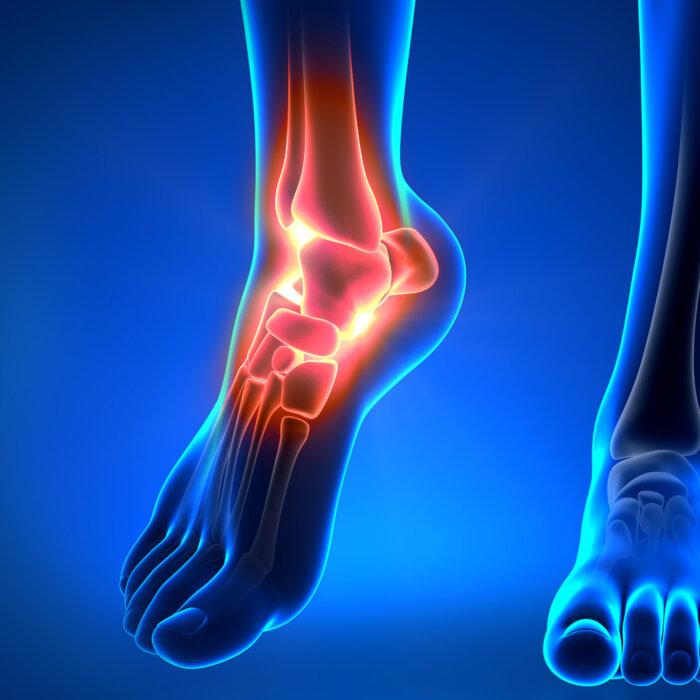
He described TCM orthopedic treatment as a “traditional craft,” and said that palpation, or assessment through touch, is important. Some minor ankle dislocations may not be clearly obvious on X-rays, making palpation essential for accuracy. Through palpation, the physician will compare the structures and tissues on both sides using both hands. Areas of tenderness, tightness, or scar tissue can sometimes indicate incomplete recovery after an injury.
Why Do Ankles Sprain Repeatedly?
Many people are prone to recurrent ankle sprains due to unhealed old injuries, Chen said. When an ankle remains unstable after a sprain, the body may compensate by developing extra scar tissue and altering movement patterns to support the joint, he said.
This extra soft tissue may help stabilize the joint, but it is not part of the ankle’s normal structure. Soft tissue cannot properly support the point of stress; as a result, the ankle may be more vulnerable to twisting again during everyday activities or exercise, increasing the risk of repeated sprains.
Preventing Ankle Sprains Relies on Core Muscles
When it comes to preventing ankle sprains, strength and balance training—including exercises such as planks, squats, lunges, single-leg stands, and calf raises—can help reduce accidental injuries by strengthening the core, hips, legs, ankles, and feet, Chen said. Strong, flexible muscles also help the body react more quickly when the foot twists unexpectedly, improving joint stability and reducing the likelihood of a sprain.
Emergency Treatment for Sprains
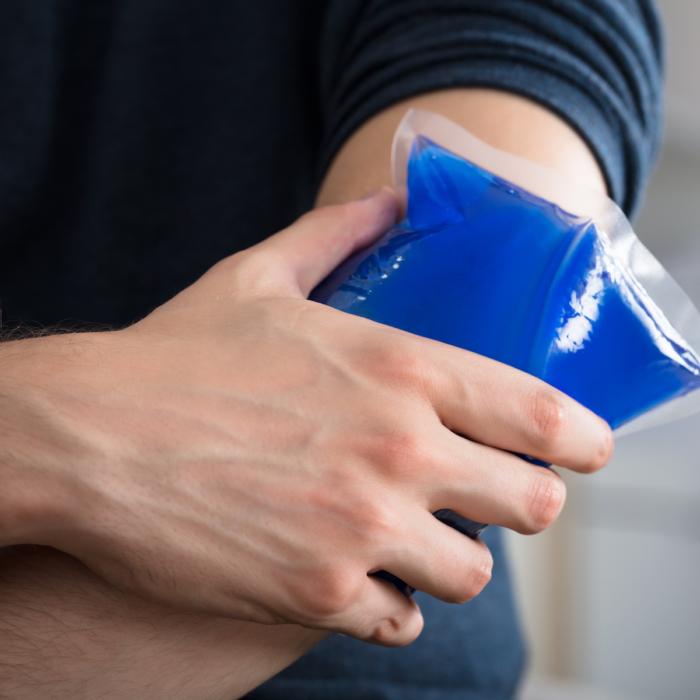
If by chance you sprain your ankle, Chen recommends applying the PRICE method—protect, rest, ice, compress, and elevate—immediately.
Compression or immobilization is paramount in first aid because it can help stabilize the joint and reduce pain. He suggested using a belt, triangular bandage, or any bandage-like object: “Just wrap it around your ankle. If you can prevent your ankle from wobbling, you’re basically halfway there.”
If you have trouble walking, significant redness and swelling, localized heat and pain, or subcutaneous bruising, it could indicate possible bone or deep tissue injury, and you should seek medical attention immediately, he said.
Regarding recovery time, excluding fractures, a typical ankle sprain should be more than 80 percent recovered within four to six weeks. If the injury involves nearby bones in the foot or ankle, recovery may take eight to 12 weeks. Unless there is a severe dislocation or bone fracture, surgery is usually not necessary, and immobilization and conservative treatments are often effective.