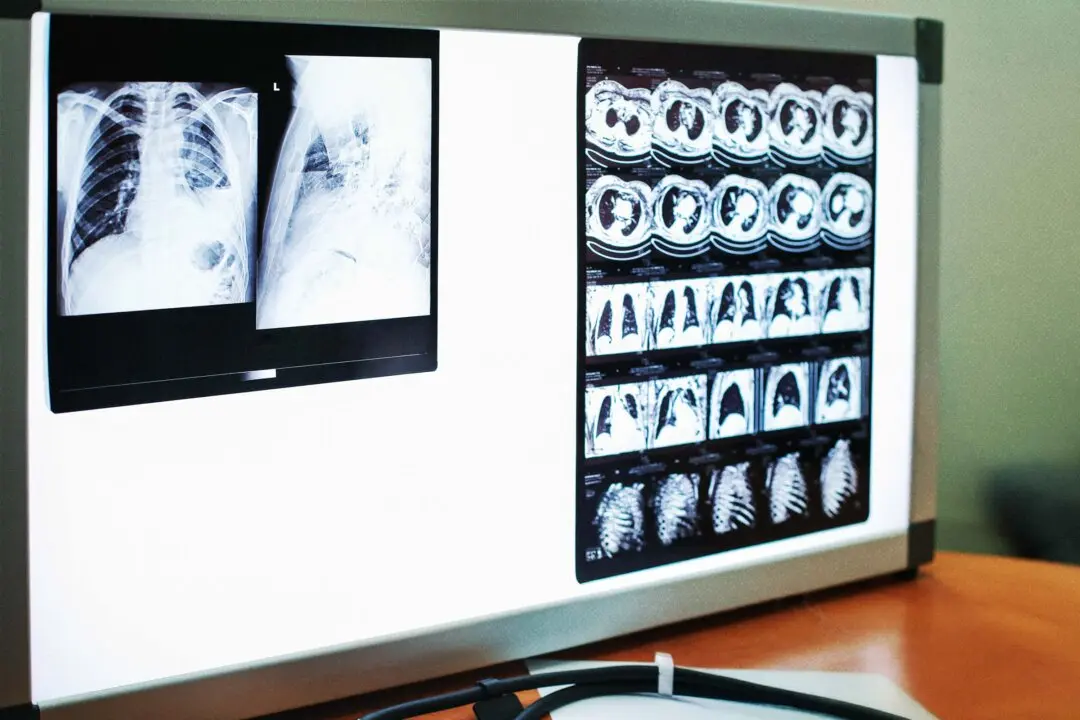
What if your mobility limitation wasn’t caused the damage shown on your X-ray—but something else?
Dragon Cheng, founder of the health education organization Intelligence of Body and a spine health coach, shared on “Health 1+1,” a program produced by NTD, a sister media outlet of The Epoch Times, a case to explain what that might be: A patient with severe hip joint degeneration had almost no cartilage left and was scheduled for surgery. His doctor strictly warned him against squatting, climbing stairs, or lifting anything heavy. Terrified of making things worse, the man gradually became afraid of almost any movement.
Cheng found that the patient’s real issue wasn’t just the worn-out hip cartilage, but an imbalance in fascial tension across his entire body. When bending, one side was tight while the other was loose, placing uneven pressure on the already damaged hip. He taught the patient simple techniques, including breathing, gentle stretching, and rolling massage, to gradually release the tight fascia.
The patient committed to practicing a 15 to 20 minute routine every morning and evening. Over time, remarkable changes occurred: his knee, which he could only lift to waist height, could now be easily hugged to his chest. Walking and climbing stairs became noticeably lighter and easier, and he even began taking daily brisk walks. He no longer fixates on the wear shown in his X-rays, but instead trusts in the improvement of his body’s function. His movement is no longer as restricted as before.
Essential Tips for Stretching Your Fascia
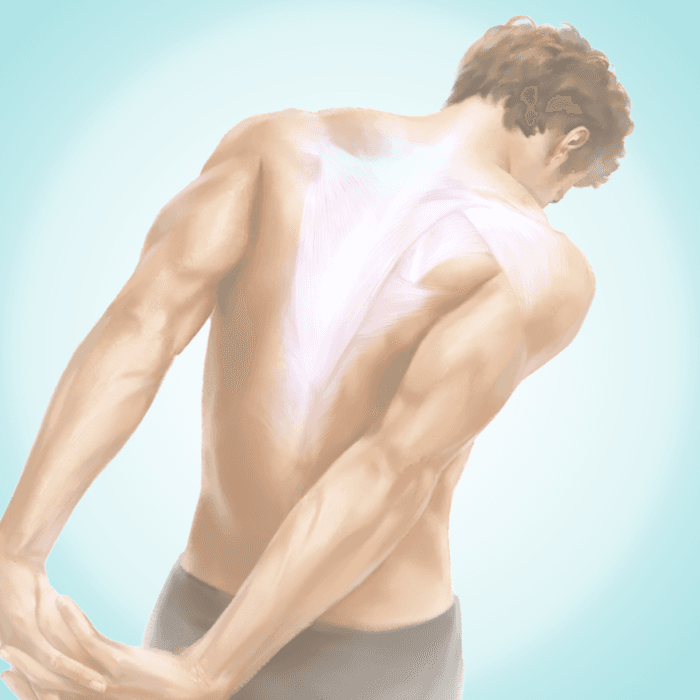
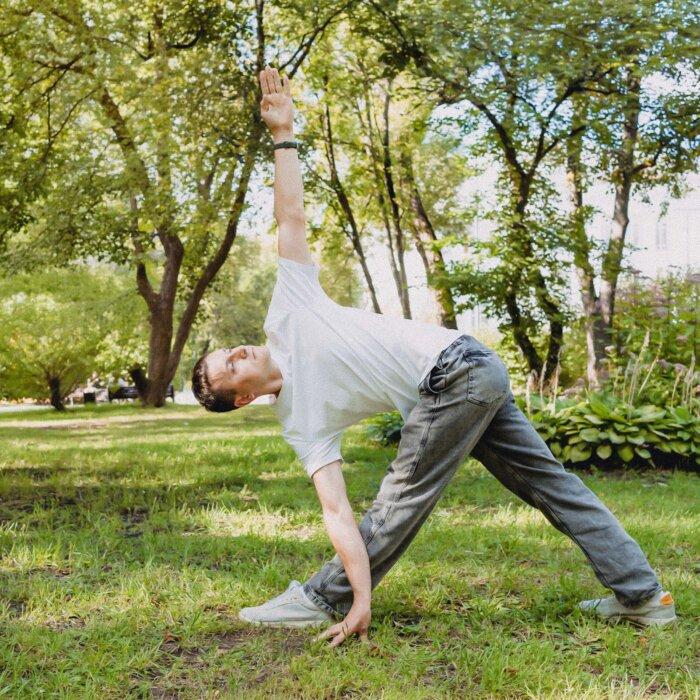
The key techniques for stretching fascia, Cheng said, “are to start gently, move slowly without rushing, stretch a large area, and add freedom and creativity.”
Treat the tissues gently and avoid sudden, aggressive pulling, which can trigger the nerves to produce a protective rebound, making the area even tighter. Don’t focus on just a single muscle. Instead, allow the entire fascial tension network to be stretched as a whole. Freely adjust angles and positions during movement to find the most comfortable and effective stretch for your body.
He also recommends a simple visualization exercise called “Measuring Your Height”: Imagine you are standing upright while your height is measured. Let your body naturally lengthen and extend upward, standing tall as if reaching toward the sky. At this moment, feel your bones gently “floating within the fascial network.”
With this mindset, you can begin your fascia stretching practice. The exercises are as follows:
Repeat on the other side. Perform two to three repetitions on each side.
The ‘Athletic Stance’ to Improve Body Tension
While myofascial release helps increase flexibility, combining it with appropriate tension-building exercises is even more effective for improving overall stability. It is especially beneficial for middle-aged and older adults who are prone to unsteady walking or are concerned about falls.
He recommends practicing the following “athletic stance” to build body stability:
After completing this exercise and returning to an upright standing position, you should notice that your body feels more stable and stronger.
Advanced Training: Activate Core and Greater Stability
Activating your core before lifting or carrying objects helps transmit force more efficiently throughout your body, Cheng said. He recommends the following simple exercise to engage the core:
When we learn to use the tension within our fascia to support and lengthen the body, everyday activities—whether lifting heavy objects, pushing open a window, or simply walking—can be performed with the spine better stabilized and protected, reducing the risk of muscle strain and degenerative wear.
Older adults and people living with chronic pain should spend a few minutes each day stretching their fascia, increasing whole-body tension, and activating their core, Cheng said. Incorporating fascia training into daily life helps reduce the risk of falls and injuries while maintaining long-term mobility.
“Doctors and medicine are for treating illness,” he said, “but staying healthy and thriving is up to you.”