Potential Benefits of Protein Powders
Protein powder is a concentrated dietary supplement derived from animal or plant sources. It offers a convenient way to boost protein intake and comes in various flavors.Weight Management
A protein-rich diet can help you feel full for longer, potentially aiding in weight management. A systematic review published in Nutrition Reviews in 2018 found that protein supplementation may be effective for reducing fat mass and promoting weight control without sacrificing lean muscle mass when taken with meals—as opposed to between—and in conjunction with resistance training.Muscle Growth and Repair
Protein powders support muscle recovery and growth, particularly following exercise sessions. A review of 49 studies encompassing nearly 2,000 people published in the British Journal of Sports Medicine in 2018 concluded that dietary protein supplementation “significantly enhanced” muscle strength and size during prolonged resistance exercise training in healthy adults.Convenience With a Nutrition Boost
Protein powders offer a convenient and quick way to get more protein without extensive meal preparation. They’re particularly beneficial for those with higher protein needs or dietary restrictions, such as vegetarians and vegans.Do You Need Protein Powder?
Consider your personal lifestyle and nutritional needs when deciding whether to incorporate a protein powder supplement into your routine.Dr. Robert McLaughlin, a board-certified orthopedic surgeon, told The Epoch Times, “For most people, protein powder should be used to supplement, not replace whole foods.”
Protein supplementation is “unnecessary and potentially harmful for sedentary individuals or those with medical issues like kidney disease,” said McLaughlin, who also completed a fellowship in sports medicine. “Athletes and very active people can benefit from additional protein for muscle gain and repair.”
Animal Versus Plant-Based Protein Powder
Plant-based protein contains fewer essential amino acids and has a lower digestibility than animal-based protein, making animal-based sources generally easier for the body to absorb. However, when it comes to muscle gain, the differences appear to be negligible.
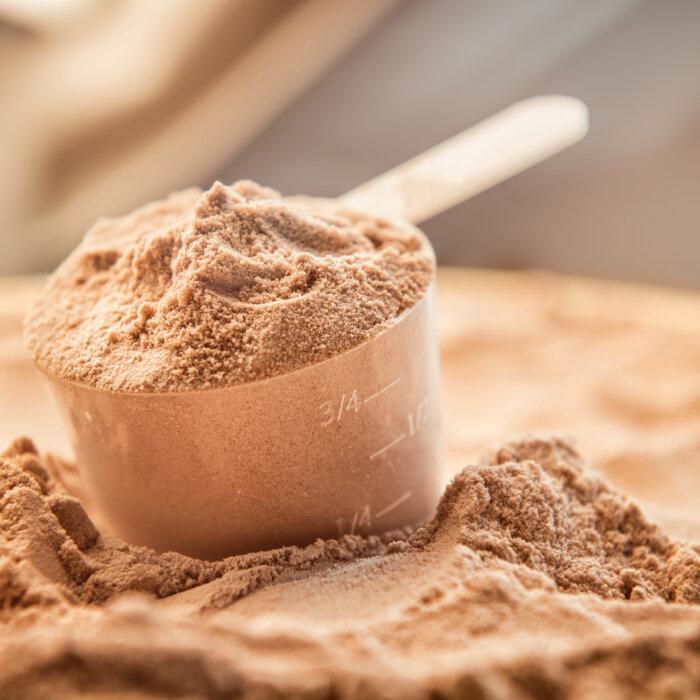
Animal-Based Protein Powder Sources
Protein powders are available from several sources and have unique characteristics and benefits. When choosing the best protein powder for you, consider factors such as your dietary preferences, fitness goals, and any allergies or sensitivities you may have.Whey Protein Powder
Derived from cheese and other dairy products, whey protein is a popular supplement containing all essential amino acids. It’s quickly absorbed and has high levels of leucine, which is shown to stimulate muscle protein synthesis.Casein Protein Powder
Casein, another milk-derived protein, digests slowly, steadily releasing amino acids into the bloodstream. For this reason, some people prefer to take it before bed to support muscle growth during sleep.Bone Broth Protein Powder
Bone broth protein powder is derived from liquid bone broth from chicken, beef, or fish. Bones and connective tissue are simmered to extract nutrients. The resulting broth is dehydrated into a concentrated powder. It is rich in collagen, gelatin, calcium, and various minerals.Collagen Powder
Collagen protein powder is made from collagen, a protein found in the connective tissues of animals. It is the most abundant protein in the body and makes up your skin, bones, muscles, tendons, and ligaments. Collagen is protein-rich and a high-quality source but not a complete protein. This means it does not contain all the amino acids that makeup protein.Plant-Based Protein Powder Sources
Plant-based protein powders offer diverse options for people seeking alternatives to animal-derived proteins, catering to various dietary preferences and nutritional needs.Pea Protein Powder
Extracted from yellow peas, this plant-based protein is popular among vegans and vegetarians. A 2015 study published in the Journal of the International Society of Sports Nutrition found that pea protein is as effective as whey for increasing muscle when combined with resistance training. Research also suggests that pea protein may increase satiety by slowing digestion. Peas are also high in dietary fiber, potassium, and B-group vitamins.Soy Protein Powder
Soy protein powder is made from defatted soybean flakes. Soy protein isolate generally has a higher protein content than food sources, such as soy milk. It is a good source of fiber, as well as vitamins and minerals such as calcium, iron, magnesium, and zinc. The amino acid profile of soy protein is close to animal protein. However, the content of amino acids may vary among soy products due to different processing.Hemp Protein Powder
Hemp protein is a plant-based protein powder option made from grinding hemp seeds into a fine powder and removing the oil. It contains all nine essential amino acids, making it a complete protein. Hemp contains omega-3 and omega-6 fatty acids and is a good source of fiber.Brown Rice Protein Powder
Extracted from brown rice, this powder contains vitamins and minerals, including iron, vitamin C, calcium, and fiber. Studies show it can be as effective as whey in improving exercise performance and body composition.Concentrates, Isolates, and Hydrolysates Explained
The main differences between concentrates, isolates, and hydrolysates lie in their protein content and powder processing methods. Each type has its benefits, and the choice between them depends on individual dietary and fitness goals.Concentrates
Concentrates are up to 80 percent protein by weight. The remaining 20 percent is usually comprised of fat, lactose, minerals, and moisture. Concentrates tend to have a higher amount of lactose and, subsequently, higher sugar and carbohydrate content.Isolates
Isolates are more concentrated than concentrates, with more than 90 percent protein by weight. They undergo further processing to reduce lactose and fat content, making them leaner and potentially more suitable for those with lactose sensitivity.Hydrolysates
Hydrolysates also undergo additional processing, making them more readily digestible and absorbable by the body. Hydrolyzed protein powders are often more expensive than the former types.Which Is Best for You?
The existing data on the effects of concentrates, isolates, and hydrolysates surrounding muscle gain and fat loss is inconclusive, and more research is needed. All three provide a quality source of protein. For most, it is a personal preference. Those sensitive to lactose (for whey varieties) or following a low-carb or low-fat diet may opt for an isolate over a concentrate. Some may choose a hydrolysate if they have any digestive issues or are concerned about nutrition timing, as it will be absorbed faster. Those with no sensitivities or dietary restrictions seeking to add protein to their diet at a lower price point may opt for a concentrate.Potential Downsides of Protein Powders
There are some potential drawbacks to protein powders to be mindful of before adding one to your diet.Overconsumption Risks
Protein powders could be too much of a good thing. Excessive protein intake can strain the kidneys and cause dehydration or digestive issues. A systematic review of 11 papers published in 2021 in Applied Physiology, Nutrition, and Metabolism found that prolonged, excessive whey protein supplementation, especially when combined with a sedentary lifestyle, may adversely affect kidney and liver function. Excess protein can also be converted into glucose, which is counterintuitive if the goal is weight loss.Quality Concerns
Certain protein powders may contain undesirable additives, such as sugars or artificial flavors. Research also uncovered the presence of heavy metals in protein powders.- Look for powders with minimal ingredients and no artificial additives.
- Consider organic options to minimize potential contaminants.
- Check for NSF (National Sanitation Foundation) Certified for Sport or Informed Choice certifications.
- Consult with a health care professional or registered dietitian for personalized recommendations.
Nutrient Gaps
Over-reliance on protein powders may lead to missing out on essential nutrients found in whole-food protein sources.Digestive Disturbances
Varieties of protein powders containing lactose, such as whey, can be challenging for individuals with lactose intolerance. Whey protein isolate usually contains minimal lactose, while concentrates tend to contain more. If you are sensitive to lactose, look for a label that specifies the powder is lactose-free.How to Use Protein Powders
For building muscle, ISSN recommends consuming protein within two hours of a workout. For weight loss, research suggests incorporating protein throughout the day to curb appetite and increase satiety.“I have found whey protein isolate to be a high-quality option for many of my active patients looking to build muscle and recover from exercise,” McLaughlin said. “For those sensitive to dairy, a plant-based powder like pea protein can also work well and provide a complete amino acid profile,” he added. “Either way, I recommend choosing a powder with minimal added sugar.”
Any type of protein powder is simple to mix into a glass of water or milk or blend into a smoothie. However, protein powders have uses beyond just the glass.
“There are so many ways to add protein to your recipes and your plate,” Meredith Mann, founder of The Peachie Spoon, a certified holistic nutrition coach and recipe developer, told The Epoch Times in an email. “Baked goods like cookies, muffins, brownies, and baked oatmeal or n’oatmeal [grain-free porridge-like alternative] are favorites of mine,” she added.
“A plant-based protein powder, usually from rice and pea protein, can be a great option too, especially if your dietary preference is to not eat animal products,” said Mann. However, plant-based varieties tend to have a chalky taste, rendering them not the best option for adding to baked goods, she noted, suggesting mixing a serving of the powder into plain yogurt or cottage cheese and enjoying it with a spoon or using it as a dip for fruit.
Whatever source and form of protein you choose, quality is key when it comes to protein powders. Look for varieties with minimal ingredients.
Mann said, “Some protein supplements can contain additives, artificial sweeteners, and added sugars, which some people may want to avoid.”