Your waistline may be a better predictor of cancer risk than your bathroom scale. Although obesity has long been linked to higher rates of cancer, research points to a more precise culprit: where fat is stored in the body.
Visceral fat, the deep belly fat that wraps around the liver, pancreas, and intestines, doesn’t just sit there. It actively releases inflammatory chemicals and hormones that create ideal conditions for cancer to develop and spread.
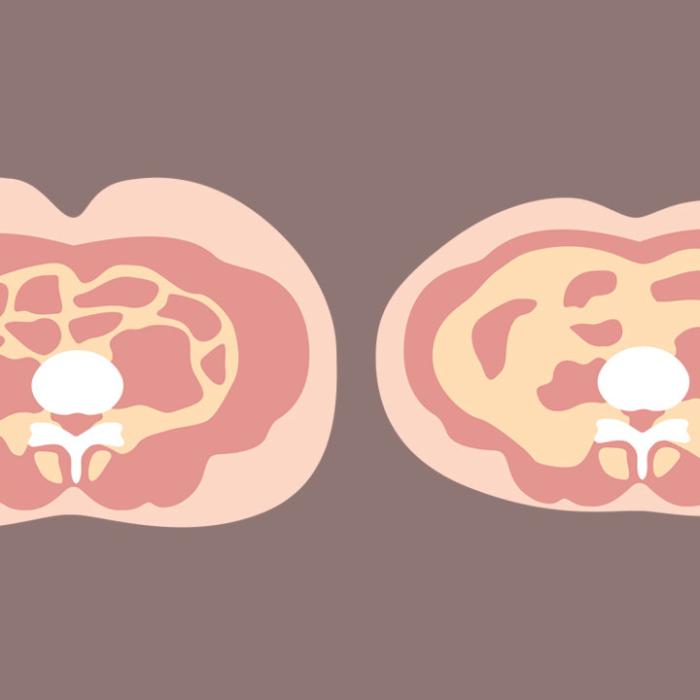
Unlike subcutaneous fat, the fat just under the skin, visceral fat often goes unseen and can bypass the scale—meaning even people with a normal body mass index are at hidden cancer risk.
What Makes Visceral Fat Different?
Visceral fat sits deep in the abdominal cavity, surrounding organs including the liver, pancreas, and intestines. You can’t pinch it or see it in the mirror, which is why many people don’t realize they’re carrying it.“Visceral fat is also called active fat, as it’s an endocrine organ that releases harmful compounds directly into the bloodstream and into the portal vein that goes straight to the liver. The main danger is that it releases pro-inflammatory cytokines,” Dr. Wiljon Beltre, a board-certified, fellowship-trained bariatric and metabolic surgeon, told The Epoch Times.
This type of fat is particularly dangerous because it secretes significantly higher levels of pro-inflammatory cytokines and hormones than subcutaneous fat, contributing to chronic, low-grade systemic inflammation.
How Visceral Fat Promotes Cancer
Visceral fat creates what researchers call a “pro-tumor microenvironment”—ideal conditions for cancer to take root and grow.“There’s a direct link to cancer due to the constant, low-grade systemic inflammation,” Beltre said. “This damages DNA and makes cells more prone to malignant transformation.”
The mechanism involves several pathways. Visceral fat secretes inflammatory cytokines, which promote oxidative stress, drive abnormal cell growth, and impair normal immune function, and hormones such as leptin that disrupt normal cell function.
“Insulin affects your inflammatory profile and your sex hormone profile. It is all like one big network. It’s one perfect storm,” Emma Hazelwood, a research associate in cancer evolution at the University of Cambridge’s Early Cancer Institute and lead author of the liver cancer study, told The Epoch Times.
“Liver fat increases your risk of liver cancer. That makes sense—the fat’s right there secreting pro-inflammatory cytokines.”
How to Target Visceral Fat
Because visceral fat is so metabolically active, it responds well to targeted lifestyle interventions.Diet
“From a nutrition standpoint, reducing ultra-processed foods and added sugars helps lower inflammation and stabilize insulin, which is key for shrinking visceral fat,” Jennifer Scherer, a registered dietitian nutritionist and medical exercise specialist, told The Epoch Times in an email.She suggested focusing meals on protein, produce, and whole-food carbs. Eating higher-fiber meals, getting adequate protein, and eating protein first and carbs last also help stabilize blood sugar and reduce visceral fat accumulation.
Exercise
Physical activity is one of the most effective ways to burn visceral fat, even without significant weight loss.“You don’t have to ‘spot reduce,’ but you can target visceral fat through training,” Scherer said.
Strength training improves insulin sensitivity and directly reduces visceral fat storage, whereas moderate-to-vigorous aerobic exercise enhances abdominal fat oxidation.
Even brief, consistent activity throughout the day can add up, making a tangible difference.
“Ten-minute ‘exercise snacks,’ brisk walking, or incline walking can move the needle,” Scherer said.
For practical, sustainable results, she recommends resistance training two to three times per week, combined with 7,000 to 10,000 steps daily or other consistent low-grade movement such as walking the dog or opting for the stairs over the elevator.
“Aerobic exercises like jogging, cycling, or swimming, at least 30 minutes per day, can be particularly beneficial,” Beltre said. “Lean muscle mass can increase resting metabolism and assist with fat burning throughout the day.”
Other Critical Factors
Sleep and stress management matter significantly.“Not getting enough sleep and chronic stress can raise cortisol levels, which promote abdominal fat,” Beltre said.
He recommended meditation, yoga, and breathing exercises to help manage stress and reduce cortisol levels.
Limiting alcohol is critical. Scherer noted that it is one of the fastest ways to reduce visceral fat, as the liver prioritizes alcohol metabolism over the metabolism of fat stores.
Ultimately, because visceral fat can accumulate silently, a comprehensive approach that combines diet, exercise, and lifestyle strategies is key. Hidden fat poses a cancer risk even in people who appear healthy or aren’t visibly overweight, so the goal isn’t just lowering the number on the scale—it’s targeting the fat that matters.
Some practitioners advocate more radical dietary changes.
Amanda King, an integrative metabolic oncology nutritionist and naturopath, said: “What would happen to your health if you just gave yourself 30 days, cut out the grains, cut out the seed oils [and] have healthy animal-based protein, eggs, some oily fish, vegetables, a small amount of fruit, and lots and lots of healthy fats?”
“These [interventions] are the needle-movers that reduce visceral fat and—importantly—lower chronic inflammation,” Scherer said. “Which is one of the strongest links between abdominal fat and cancer risk.”