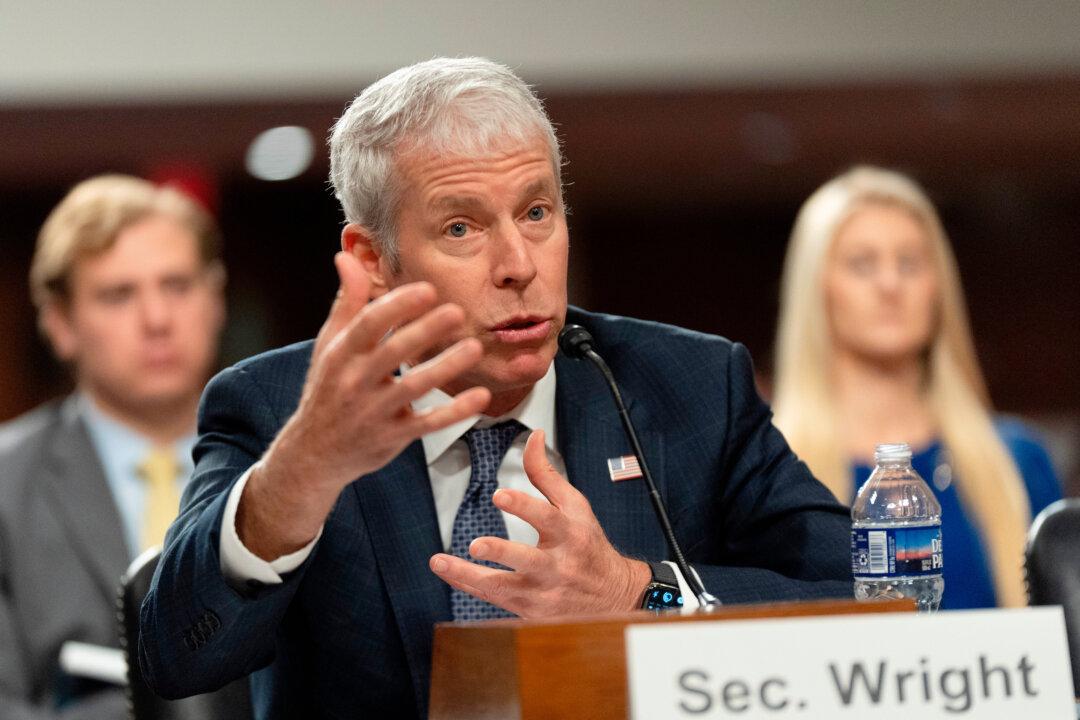
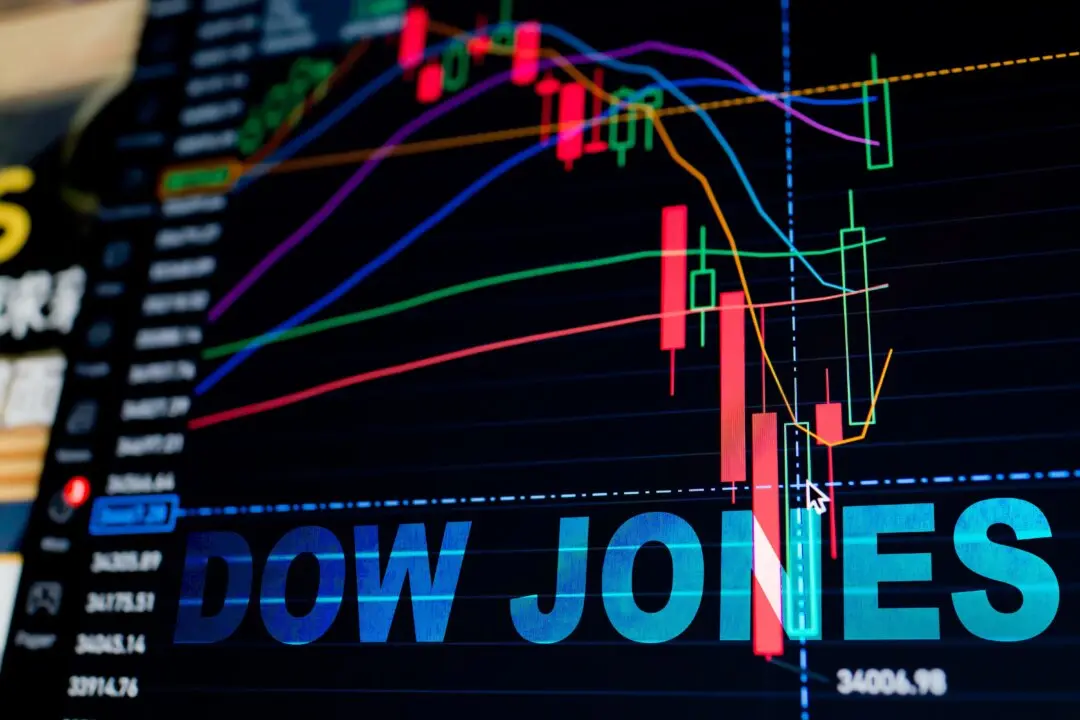
Surging long-run interest rates prompted the Treasury to soothe financial markets.

Dividend ETFs may offer attractive income, but investors need to understand the risks.
Your SUV could be costing you more than just the price of the vehicle.

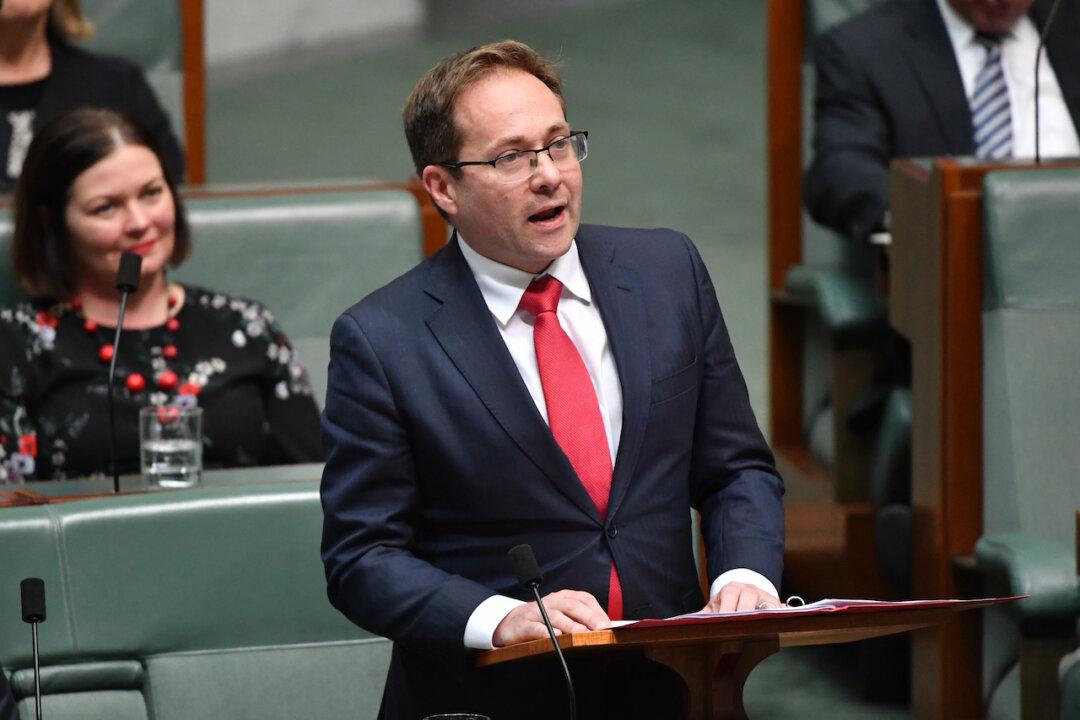
Labor also plans to stop unsolicited sales calls targeting Australians aimed at convincing them to change super funds to high-risk investments.
Meta, TikTok, YouTube and Snapchat acknowledged that young people were circumventing age checks, but said they were working to improve their systems.

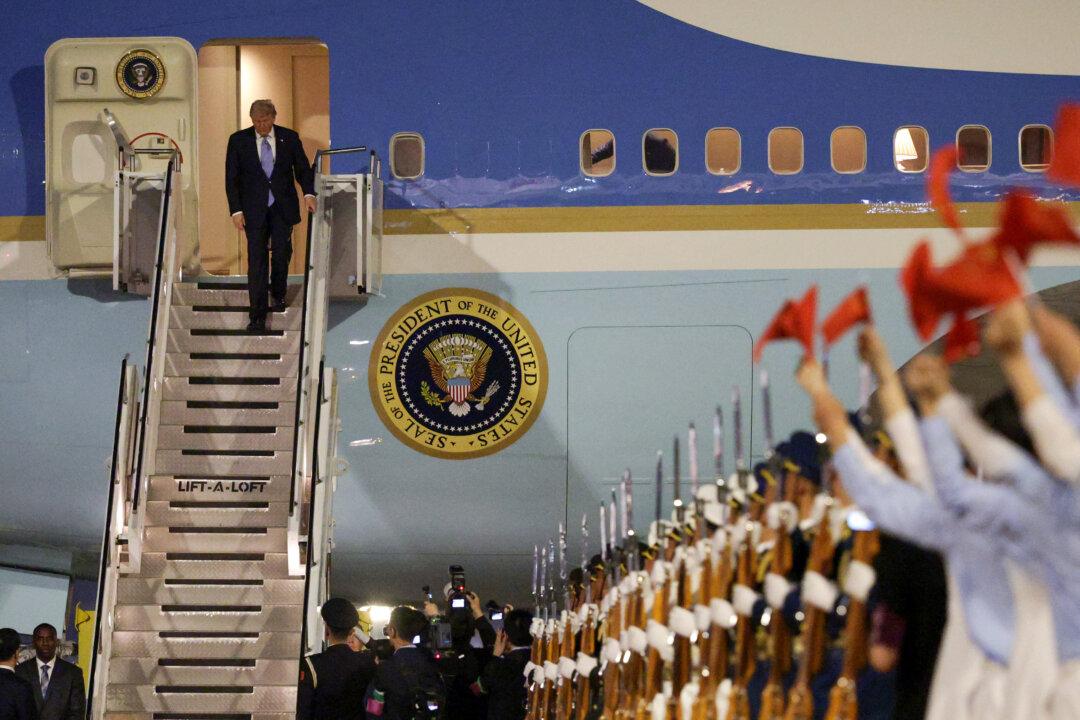
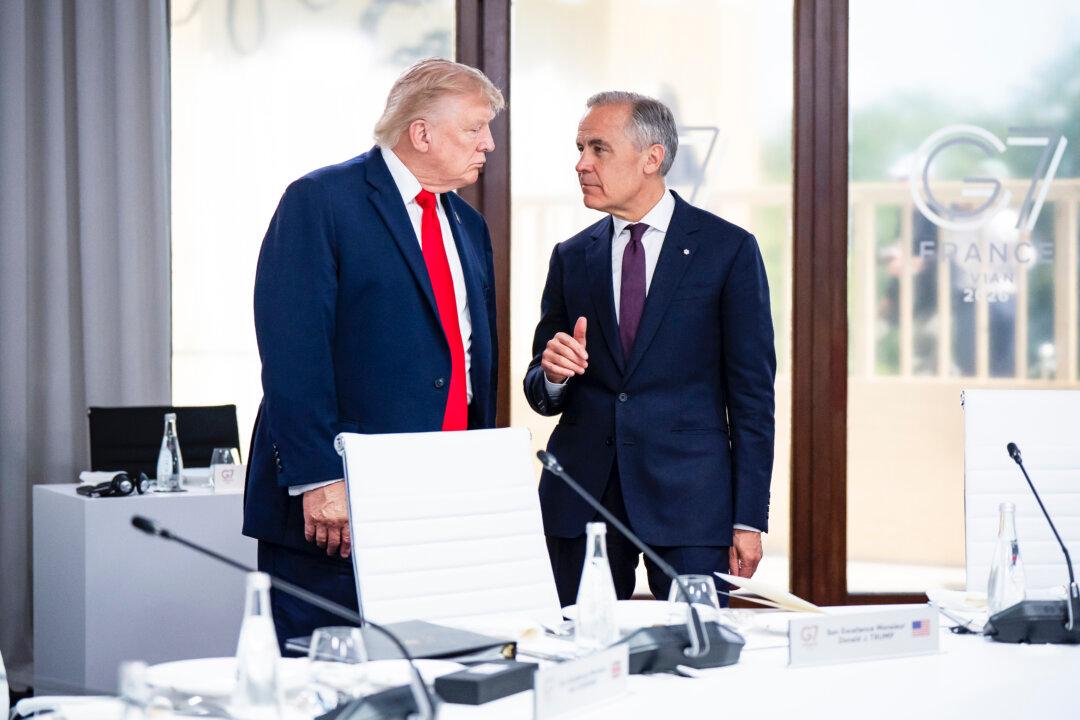
The president announced a three-day pause on additional tariffs, saying there’s a deal with Canada, which is pending finalization of the documents.
The new framework would let the companies sidestep the traditional registration requirements of a stock offering.
In September 2025, BHP blamed the royalty regime for a decision to cut 750 jobs across its Queensland coal operations.

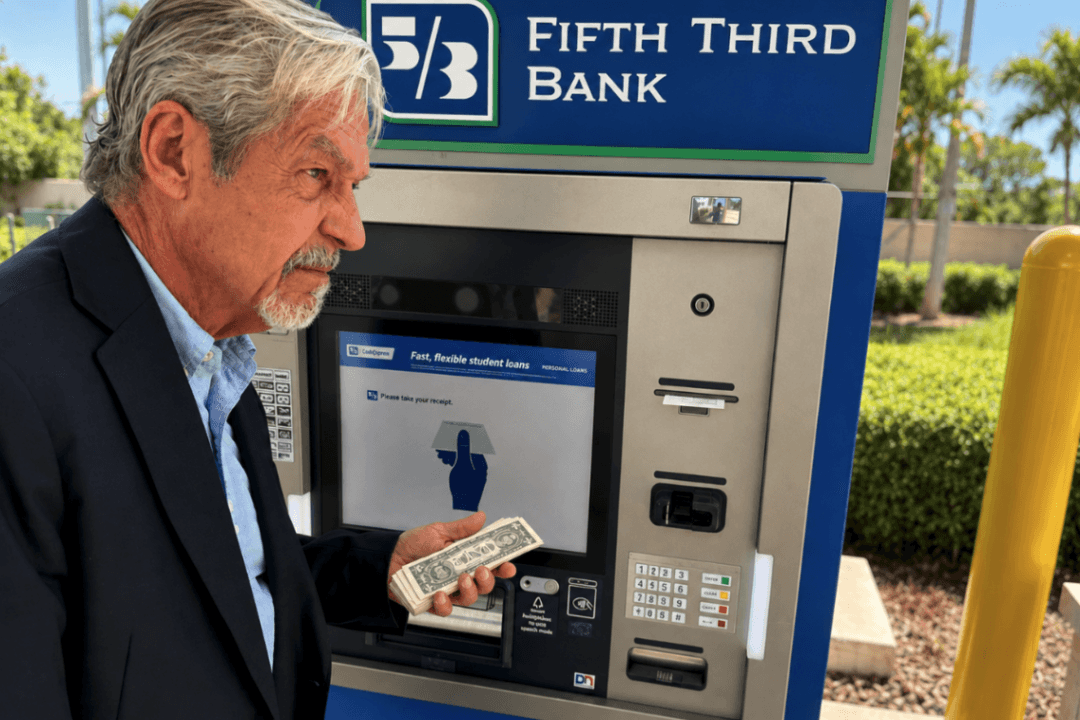
Miami led the nation’s major metro areas in the share of cash purchases.

The airline is reversing a 2017 strategy that relied on passengers using their own devices to receive entertainment.

The agency says the review will determine whether eight ABC-owned stations have operated in the public interest.
Elevated mortgage rates are ‘pulling back contract signings,’ says chief economist Lawrence Yun.

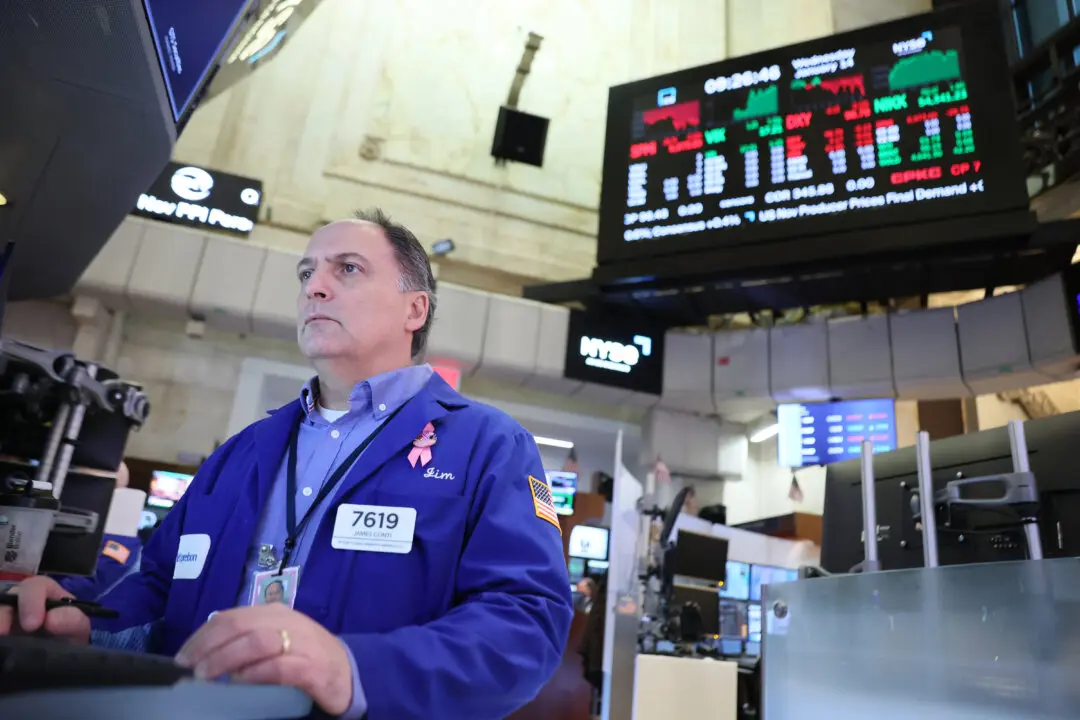
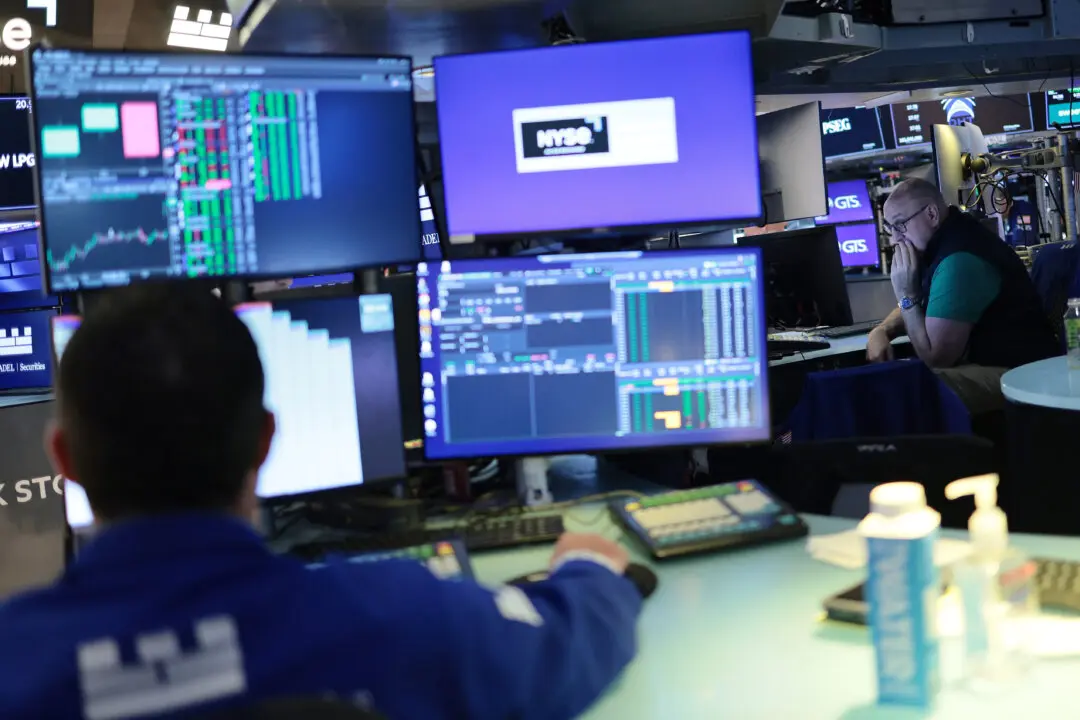
Earnings remain strong, but perhaps the stock market has become a bit overbought in the near term, so don’t be surprised if it backs and fills a bit.

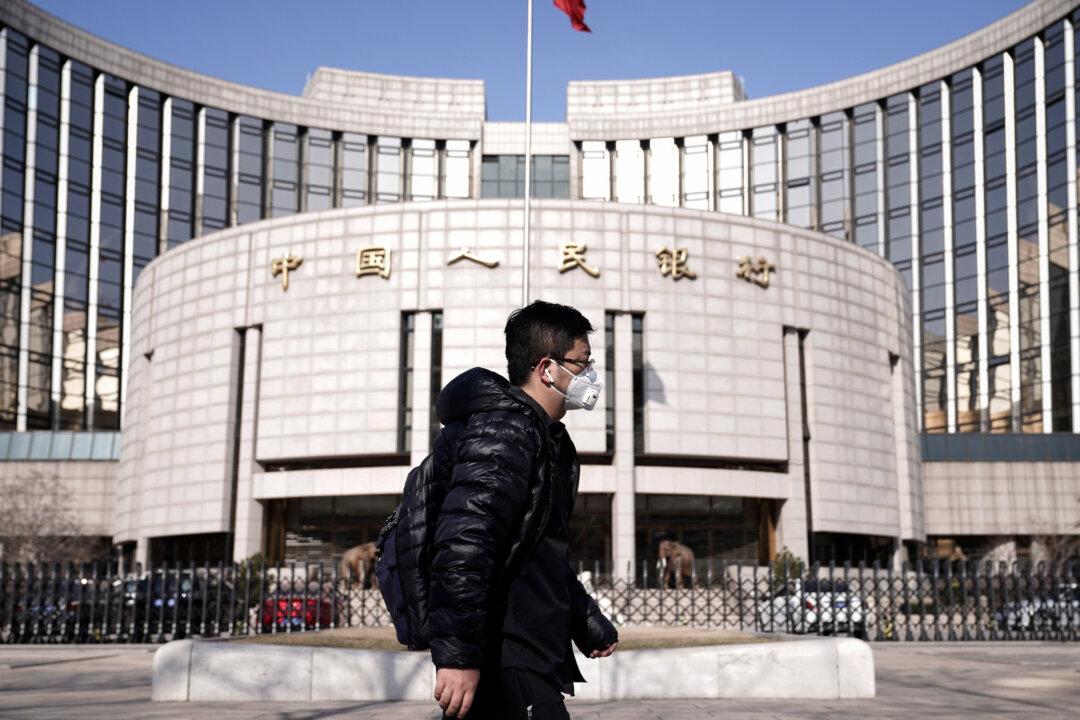
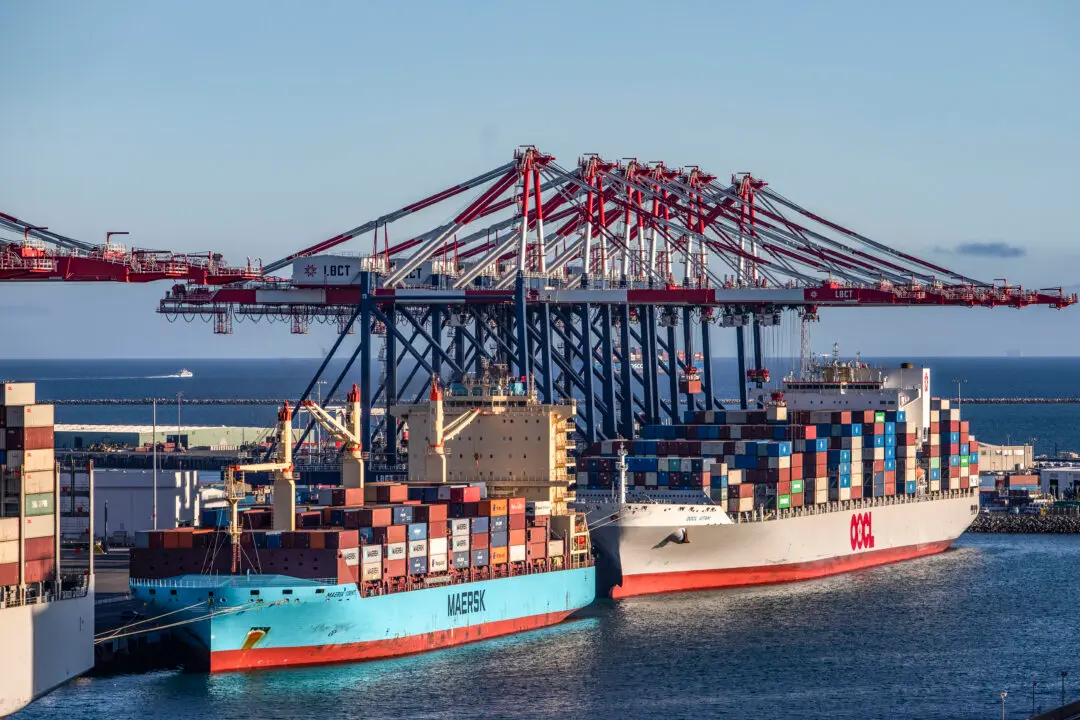
Meanwhile, the cost of Chinese goods rose at the fastest pace in nearly 20 years.
If you’re 65 and on COBRA, you could be facing a costly Medicare trap.

Inflation can threaten a retirement portfolio, but retirees can take steps to protect their purchasing power.

The yields are rising amid growing uncertainty regarding the U.S.–Iran war and elevated inflation.

Trump said the increase in fuel prices was a relatively small cost for preventing Iran from having nuclear weapons.