Australian biotech giant CSL reported a 184 percent drop in net profit in the 2026 financial year, amid restructuring and lower flu vaccination rates in the United States.
During the year, the company reported total revenue of US$15.8 billion (down 1 percent) and a net profit after tax and amortisation (NPATA) of US$3.1 billion (down 2 percent).
However, one-off restructuring costs and impairments resulted in a net loss after tax of US$2.6 billion.
CSL’s vaccine division Sequirus reported an 8 percent drop in revenue to US$2 billion, partly reflecting the absence of non-recurring avian influenza revenue from the prior year.
Despite falling U.S. vaccination rates, the company said its worldwide seasonal influenza sales increased.
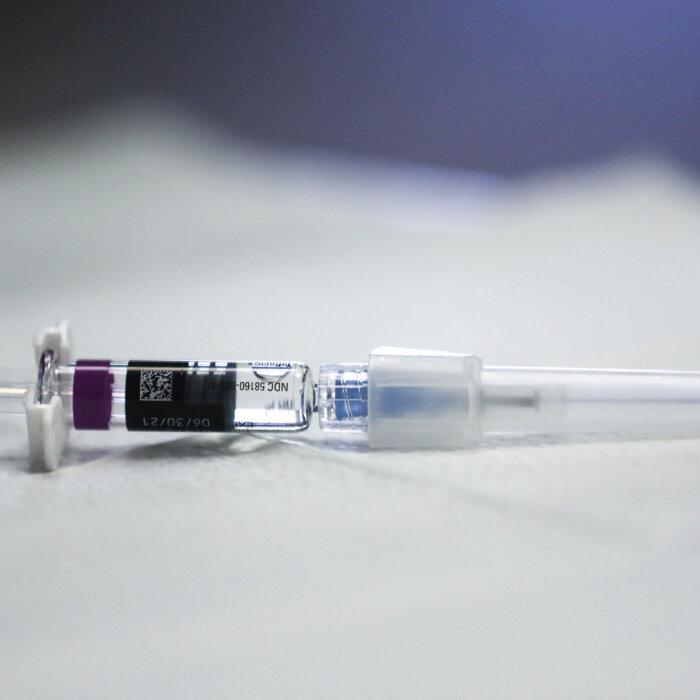
Looking ahead, the company’s vaccine division is expecting to achieve low single digit revenue growth in the 2027 financial year.
“Immunisation rates in the United States are anticipated to decline, but at a slower rate than recent seasons,” CSL said.
In its CSL Behring division, which is responsible for therapies, the company noted that Albumin sales fell 17 percent to US$1.1 billion.
The company attributed the decline to the “implementation of government cost containment measures in China.”
Interim chief executive Gordon Naylor said the 2026 financial year had been a “year of reset.”
“We have taken decisive action and created a clear path to return to sustainable growth,” he said.
“Plasma market fundamentals and demand remain robust and momentum is building behind our newer therapies, such as Andembry and Hemgenix.”
The company maintained its full-year dividend at $US2.92 per share.