WASHINGTON—President Donald Trump announced on Aug. 18 that he would delay an additional 50 percent tariff on certain Canadian goods following last-minute talks between the two countries. The tariffs were originally set to take effect at 12:01 a.m. ET on Aug. 19.
Trump announced on Truth Social that the two countries have reached a deal.
“I have paused the 50% Tariffs against Canada, that were scheduled to kick in tomorrow morning for a three day period, based on the fact that Canada and the U.S.A., subject to the finalization of documents, have a DEAL!” he wrote.
Trump added that the Keystone XL Pipeline “may be awoken from the grave” as part of the deal.
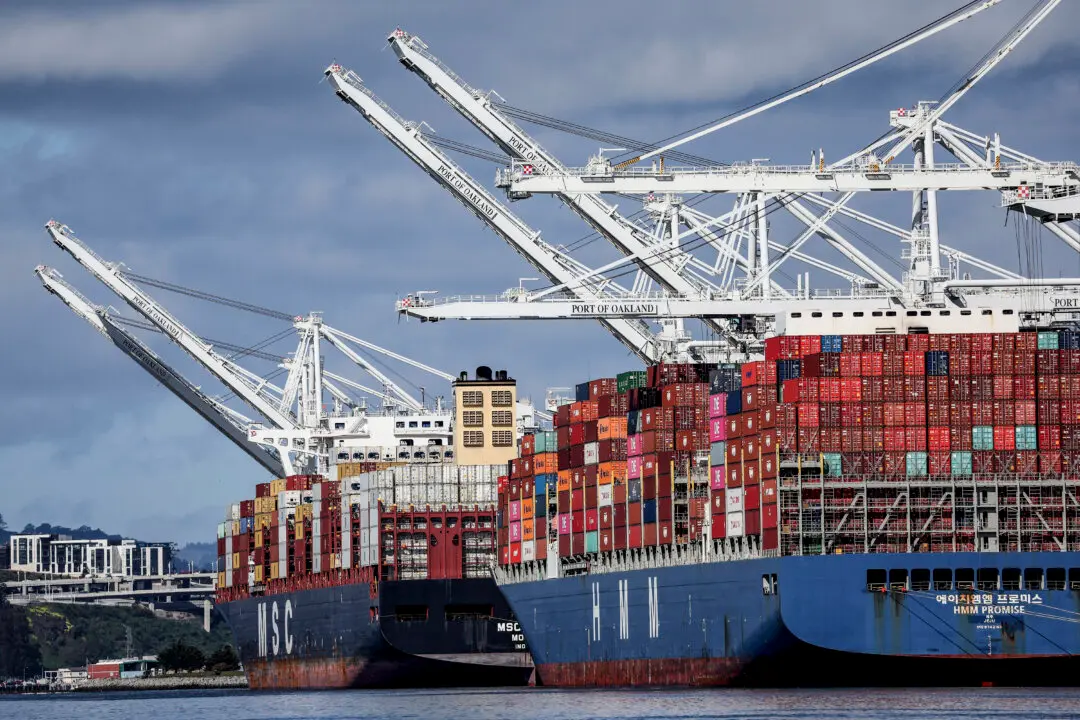
On July 20, the White House announced the additional tariffs on certain Canadian goods, in retaliation for “unreasonable and unequal treatment” of U.S. alcohol, automotive, and dairy exports.

This represents about 0.5 percent of goods exported to the United States, and about 0.8 percent of Canadian GDP.
Trump invoked Section 338 of the Tariff Act of 1930, which allows tariffs of up to 50 percent on imports from countries that discriminate against the United States. No previous American president has imposed a tariff under this authority.
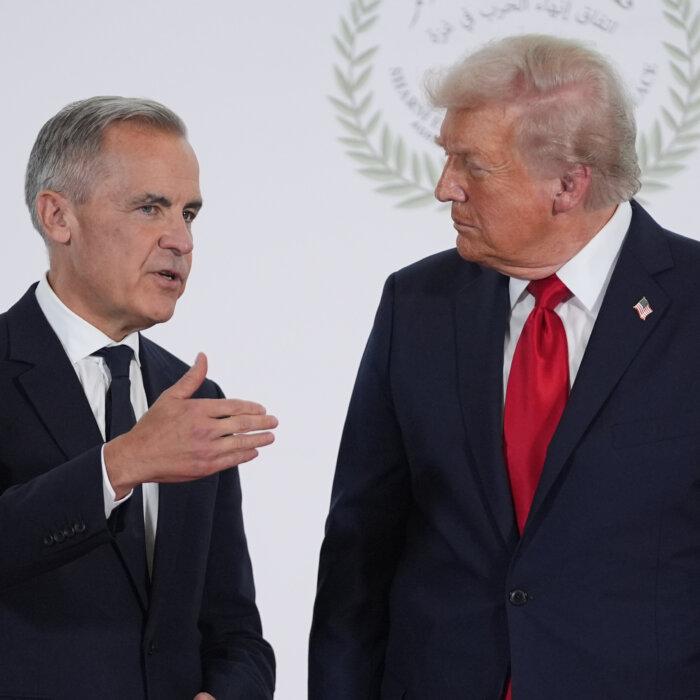
Canadian Prime Minister Mark Carney and U.S. officials acknowledged intense, last-minute talks before the deadline. The White House declined to comment at the time of publication.
Canada’s supply management system, which implements limits on imports, has been a source of contention for the U.S. administration.
Under this structure, imports that exceed Ottawa’s caps are charged a tariff of up to 300 percent.
But the United States argues that Canada “treats the commerce of certain foreign countries more favorably than commerce of the United States with respect to dairy.”
“Specifically, Canada denies the commerce of the United States benefits that Canada affords to materially similar dairy commerce from certain other foreign countries and thus unreasonably burdens and disadvantages U.S. commerce compared to the commerce of certain other foreign countries,” Trump’s proclamation stated.
Despite the 50 percent figure, most imports would have remained tariff-free, according to economists at the National Bank of Canada.
“While a 50% tariff is severe, it would apply to only ~5% of U.S. imports from Canada. With 85% of Canada-U.S. trade registered under the USMCA over the last year, most imports would remain tariff-free even if these Section 338 levies are implemented,” they wrote.
According to Robert Kavcic, senior economist at BMO Economics, the new tariffs would not harm the United States much, but would adversely affect the Canadian economy.
“This, unfortunately, would come at a time when the Canadian economy is showing signs of breaking out of its slump and returning to decent growth into 2027,” Kavcic said in a July note.