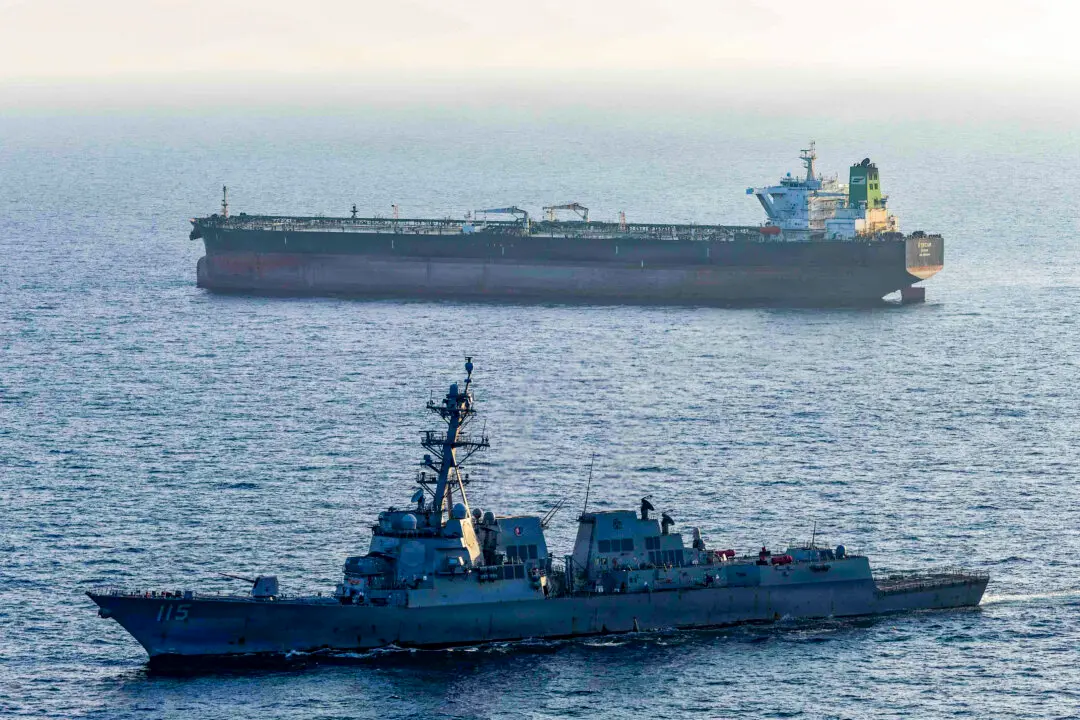
Oil prices jumped and global stocks mostly retreated in July 13 trading after the United States and Iran exchanged fire in the Middle East and the Islamic Revolutionary Guard Corps (IRGC) vowed to block vessel traffic through the Strait of Hormuz until what it called U.S. “interference” in the waterway ends.
In early U.S. trading, the price of Brent crude, the international standard, gained 3.9 percent to $78.96 per barrel, while the price of U.S. benchmark crude oil added 4 percent to $74.26 per barrel.
The two countries have not seen eye to eye on the organization of vessel traffic through the Strait of Hormuz, leading to periodic bouts of escalation.
Iran interprets point five of the memorandum as giving Tehran the right to control the maritime choke point—including the possibility of eventually imposing transit fees—while Washington insists on unrestricted passage for ships and no tolls.
Tehran has also objected to international efforts to establish a non-Iranian-controlled shipping corridor through the Strait of Hormuz along a southern route near the coast of Oman. Iranian forces have periodically attacked ships seeking to circumnavigate the northern passage through Iran’s coastal waters by opting for the southern route, where U.S.-assisted commercial transits continue despite what the Joint Maritime Information Center (JMIC) on July 13 described as an “elevated threat environment.”
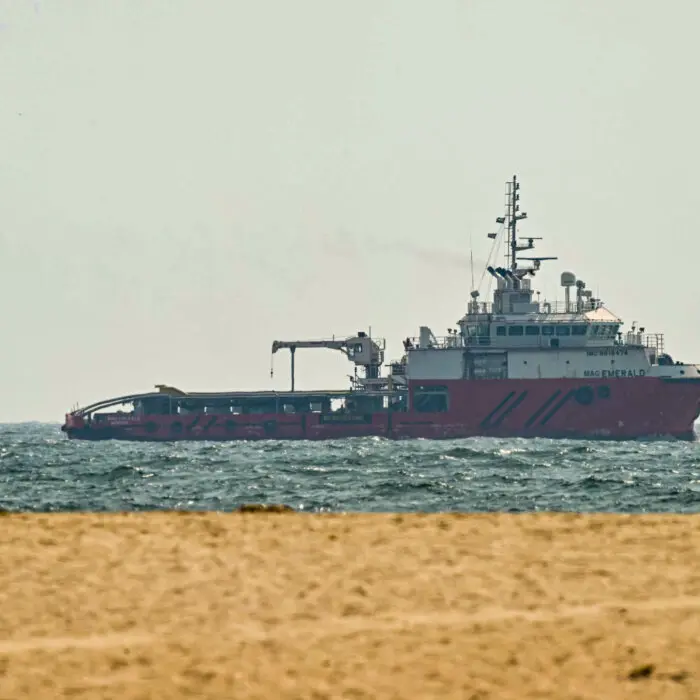
JMIC, which is supported by the U.S. and British naval forces, said on July 13 that vessel traffic in the waterway continued over the past 72 hours but at a reduced pace given “operator caution following recent attacks,” and the fact that the threat level in the key shipping corridor has been set to “severe.”
“IRGC attacks, hailing, UAS activity, and targeted surveillance continued throughout the period, indicating sustained harassment of commercial shipping and a continued intent to assert presence across key transit lanes,” JMIC said.
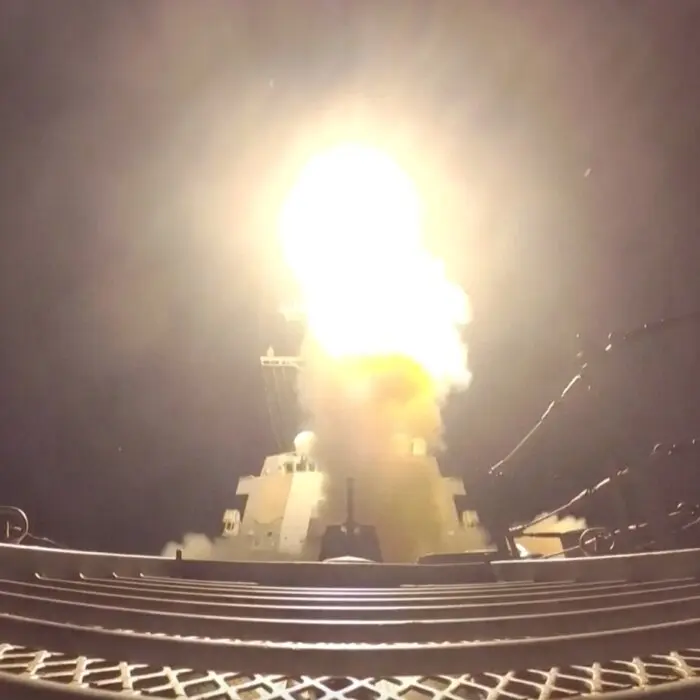
The U.S. military said on July 13 that its forces hit dozens of Iranian sites in a series of strikes, including radar sites and air defense systems, missile and drone equipment, and small boats.
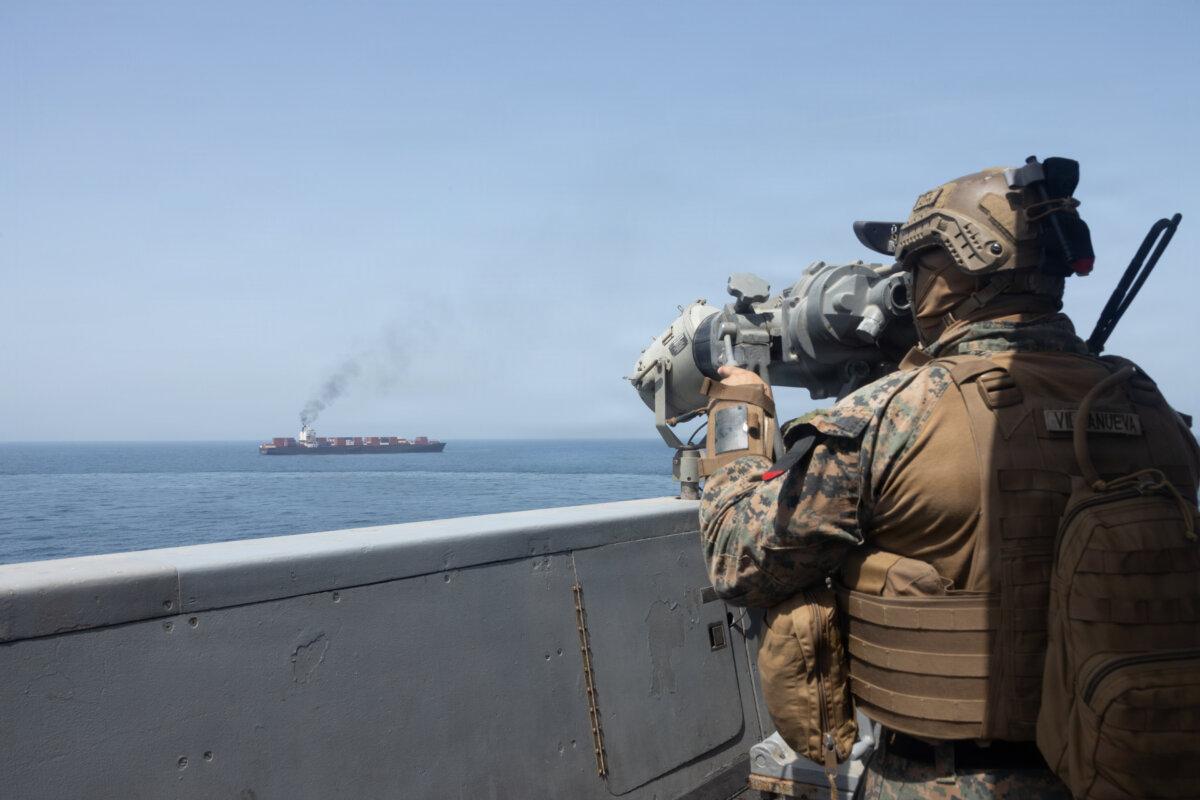
“The Strait of Hormuz is a vital maritime corridor for global trade,” the U.S. Central Command said in a post on X. “Iran does not control it.”
The IRGC, a key power center in Iran that controls the country’s arsenal of ballistic missiles, issued a sharp response to the U.S. statement.
“The Strait of Hormuz is our territory, and we will not allow a rogue and child-killing army from the other side of the world to continue its illegal interference in it,” the IRGC said in a statement on July 13.
It added that the only way to open the strait for vessel traffic is for the U.S. military to end its “interventions” in the waterway and respect Iran’s sovereignty over its coastal waters.
“The continuation of these interventions will lead to even greater incidents in the global oil and gas sector,” the IRGC warned, according to Tehran’s official IRNA news agency.
U.S. officials said on July 13 that about 20 vessels had been escorted through the Strait of Hormuz in the previous 24 hours.
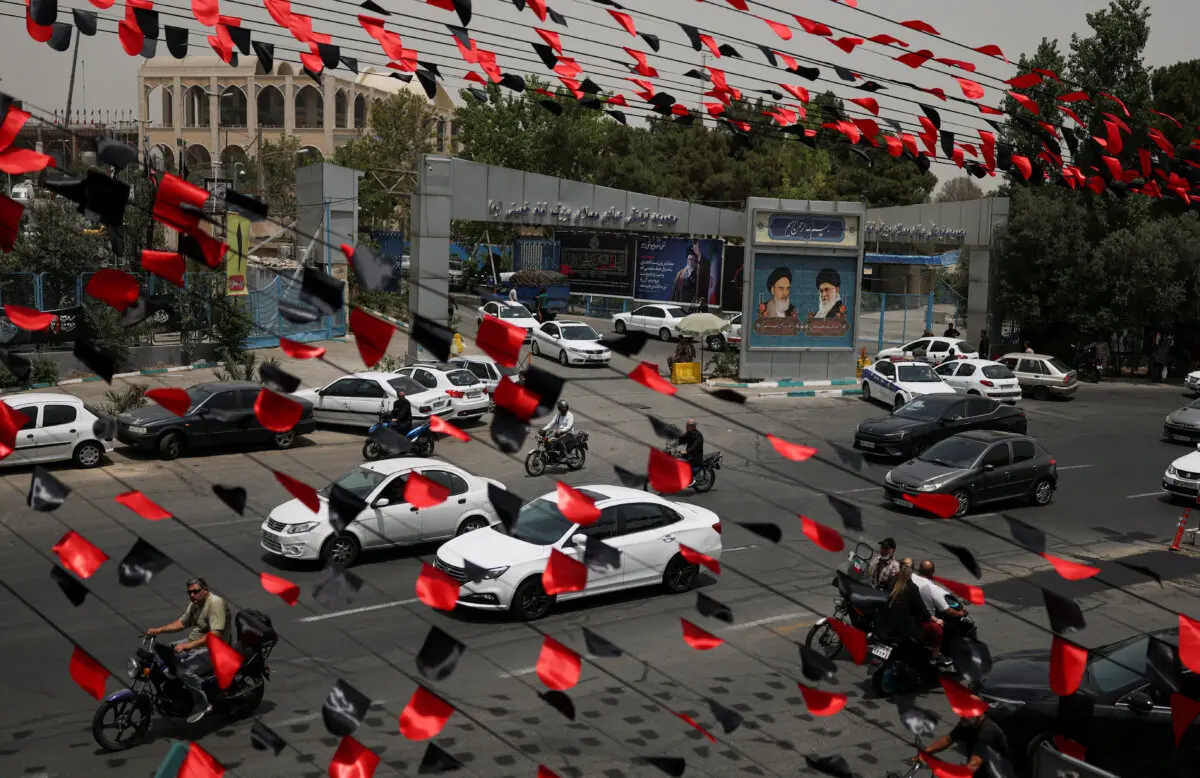
At a press conference in Tehran on July 13, Iranian Ministry of Foreign Affairs spokesman Esmail Baghaei was asked to comment on the U.S. escorts and on control over the strait.
Baghaei described Washington’s efforts to escort commercial vessels through the strait as “perpetuating insecurity in the region,” adding that such conduct would “certainly not build confidence within the international shipping community; it will merely aggravate the current situation and further intensify the prevailing insecurity.”
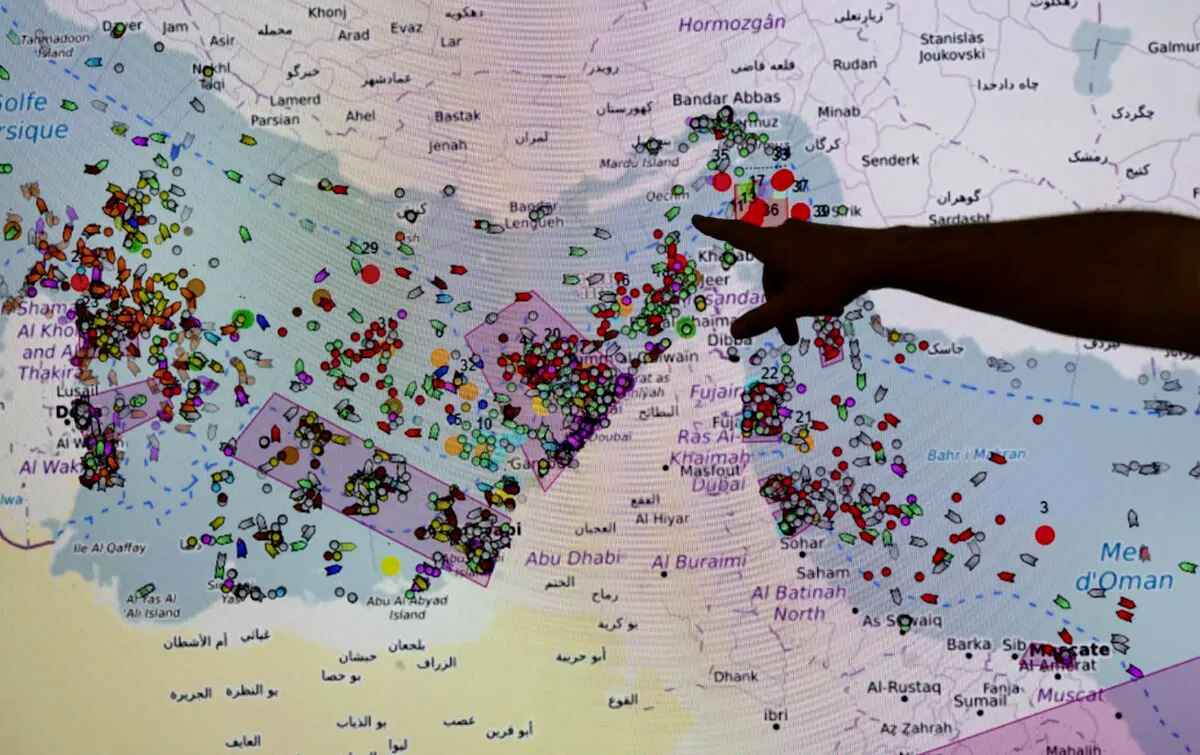
Maritime shipping traffic trackers noted reduced traffic in the Strait of Hormuz.
Oil Rally Spreads Across Global Markets
Analysts at ING said in a note on July 13 that the “battle over Hormuz” was lifting oil prices as traders feared a return to major hostilities.“Clearly, the risk is that this escalates to levels seen early in the war, where neighbouring countries and their energy infrastructure are also targeted,” they wrote. “Iran claims that the Strait of Hormuz is shut until further notice. The US pushed back, saying that it will ensure freedom of navigation. Escalation has slowed vessels transiting the strait to a trickle, renewing concerns over oil supply tightness through the third quarter.”
Alongside the uptick in crude prices, government bond yields rose, and global equities and U.S. stock futures edged lower.
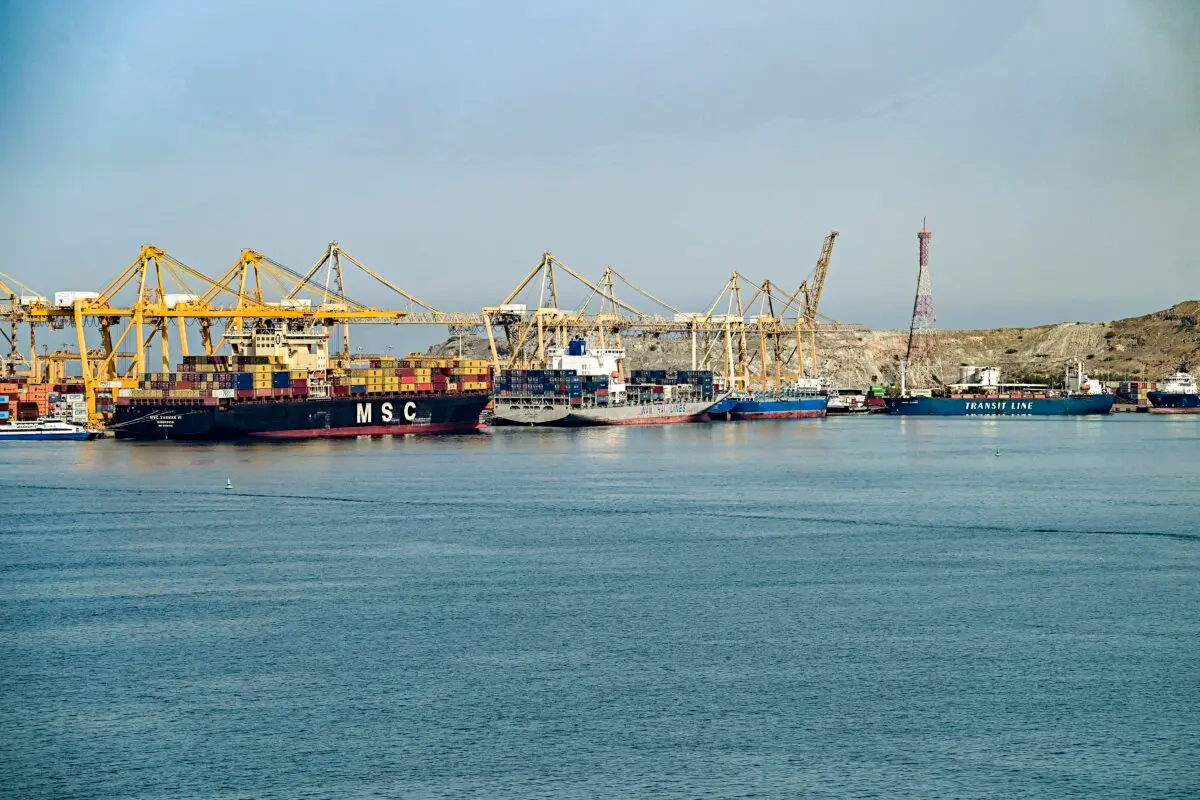
Wall Street futures fell in early trading on July 13: The S&P 500 futures contract was down 0.4 percent, and the Dow was down 0.3 percent. The Nasdaq composite future lost 1 percent.
MSCI’s main world stocks index fell by 0.38 percent, and Europe’s STOXX 600 was down 0.12 percent.
In Asian trading, Tokyo’s Nikkei 225 index lost 1.1 percent, while Seoul’s Kospi declined 5.6 percent.
Elsewhere in Asia, Hong Kong’s Hang Seng edged up 0.1 percent, while the Shanghai Composite index shed 1.2 percent.
In Australia, the S&P/ASX 200 declined by 0.3 percent.