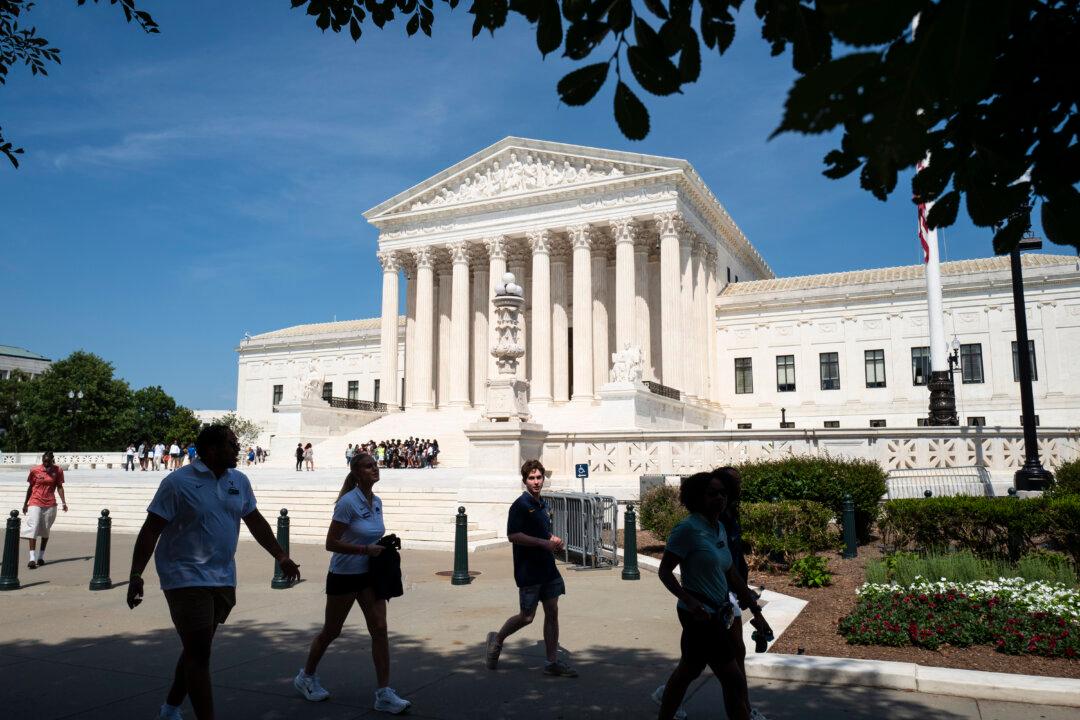
A state tax court in Maryland invalidated the nation’s first state tax on digital advertising and directed state officials to refund tax payments already collected from major tech companies.
The legal dispute had been closely watched by other states that are considering taxing online advertisements.
The Annapolis-based Maryland Tax Court ruled on Aug. 14 that the digital advertising gross revenues tax was unconstitutional after it was challenged in three separate lawsuits by Google, Apple, and Peacock TV. Refunds are expected to run into the hundreds of millions of dollars.
The state imposes the levies based on the businesses’ global revenue. Lawmakers previously said the tax could raise $250 million per year. The money raised from the tax was earmarked for a state education program.
A sliding scale applies to companies with larger revenues, maxing out at 10 percent for those earning more than $15 billion in global gross annual revenues.
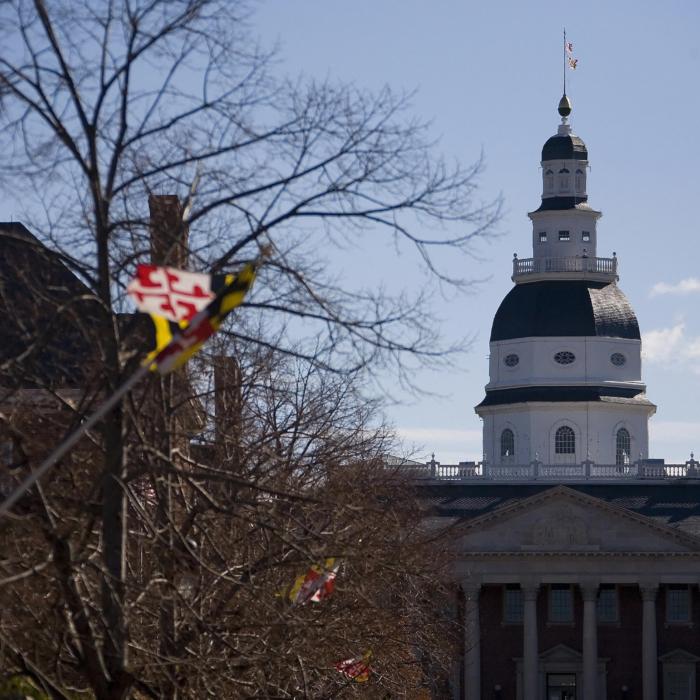
The law’s backers argued that Maryland needed to overhaul its tax system to deal with major changes in how businesses advertise. Lawyers representing the affected companies said their clients were targeted unfairly.
The state court said the tax runs afoul of the federal Internet Tax Freedom Act, the First Amendment, and the due process and commerce clauses of the U.S. Constitution.
The court held that regulating interstate commerce was the business of Congress—not the Maryland General Assembly—and that it was inappropriate that the tax law was premised on global revenue rather than revenue that comes from in-state advertising.
The Internet Tax Freedom Act forbids taxation of electronic commerce if similar services are not taxed. The court held that there is no meaningful distinction between digital advertising and print or billboard ads, meaning the federal bar applies.
Forbidding the disclosure of the tax on customers’ receipts means that if companies opt to pass on the cost of the tax to their customers, they are not allowed to advise customers why prices have risen, which means Maryland is insulated from political accountability, the appeals court’s written opinion said.
The law “prevents companies from describing the tax in the one setting where the consumer is guaranteed to look: the invoice,” the opinion said.
“Keeping out of hot water with voters is not among the interests that can justify a speech ban.
“Criticizing the government—for taxes or anything else—is important discourse in a democratic society. The First Amendment forbids Maryland to suppress it.”
The Tax Foundation hailed the Maryland Tax Court’s new ruling in an Aug. 14 blog post.
“This is a robust win for the petitioners on all counts,” Jared Walczak, a senior fellow at the foundation, wrote.
Although Utah and Illinois enacted digital ad taxes this year, none followed Maryland’s approach. Lawmakers in other states that are “considering a digital advertising tax should likewise take note of today’s result. It’s a look into their own future if they choose to adopt a similar tax,” he said.
Democratic legislative leaders in Annapolis said the state will appeal the court ruling.
Senate President Bill Ferguson and House Speaker Joseline A. Peña-Melnyk said they “respectfully disagree with today’s ruling and expect the legal process to continue.”
The tax was enacted because the state’s tax system needs to keep pace with a changing economy in which more commerce and advertising have been moving online, they said in an Aug. 14 statement posted on X.
“It was appropriate to modernize our tax code so that large digital advertising companies contributed alongside other businesses operating in our state.”