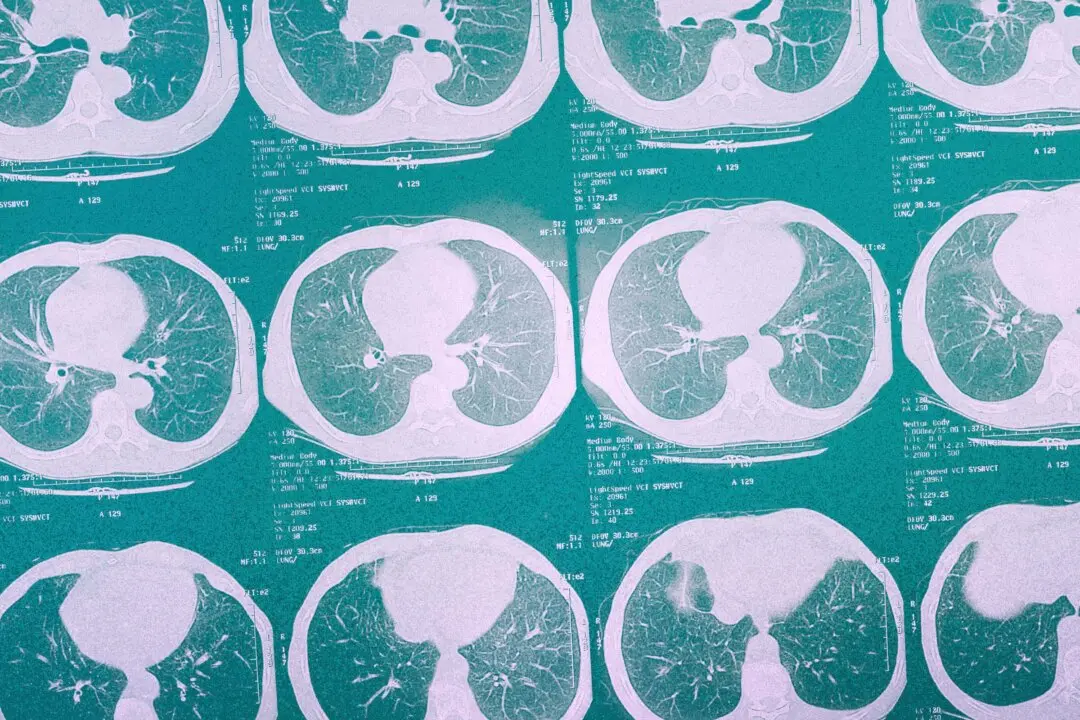
When she was 24, Lin Li stepped into her first full-time job, believing she was doing everything right—working hard, staying mentally strong, and never complaining. However, by the time she was 26, cracks in her health began to show. She was losing clumps of hair every time she showered. Within months, her once-thick hair had thinned dramatically, and soon her entire scalp was bare.
She was diagnosed with severe stress-induced alopecia.
Unable to bear the anxiety of waking up to more hair on her pillow, she did something uncharacteristic. She quit her city job, moved to a quiet island for a working holiday, and gave her body the one thing it had been begging for—a chance to breathe.
Nutritionist Lucy He, founder of the Taiwan Integrative Functional Medicine Education Center, spoke about Lin’s case on NTD’s “Health 1+1.” NTD is a sister outlet of The Epoch Times. Extreme stress reactions such as Lin’s are no longer rare, she said.
“Today’s young people live under constant emotional and digital pressure from their teens onward,” He said. “This comparison-driven anxiety pushes stress-related illnesses earlier and earlier.”
How Stress Creates Imbalance in the Body
She said stress itself is not just psychological—it also manifests around the body through complex physiological mechanisms. When the brain is chronically anxious, it activates the body’s stress response system, flooding it with cortisol and adrenaline. These hormones trigger chronic inflammation, which then wreaks havoc on the skin, digestive system, metabolism, and hormonal balance.Skin Problems
Skin issues are often the body’s first SOS signal. Many people break out in acne, rashes, or itching when stressed. Research has found a “brain-skin connection,” a two-way pathway that transmits psychological stress from the brain to the skin, causing inflammation, and then sends signals back to the brain.Experiencing skin problems can create a vicious cycle. When the skin is inflamed, it releases stress hormones and inflammatory mediators that travel back to the brain, causing “endogenous stress.” Therefore, improving skin problems can also reduce the burden on the brain, boost mood, and enhance stress resistance.
Irritable Bowel Syndrome and Digestive Turmoil
Stress can interfere with intestinal motility and gut flora balance, leading to diarrhea, constipation, or both when symptoms worsen. Irritable bowel syndrome has become one of the most common stress-related disorders today.Hair Loss in Young People
A 2021 study found that chronic stress can lead to hormonal imbalances and poor blood circulation, depriving hair follicles of essential nutrients—one of the reasons for hair loss among young women.Psychosomatic Symptoms
Prolonged mental tension can cause autonomic nervous system dysfunction, leading to palpitations, insomnia, chronic pain, and severe fatigue.Stress Symptoms Often Overlooked
Some diseases that appear to be endocrine or metabolic problems are actually stress-related. He pointed out several easily overlooked conditions:Thyroid Disease
Long-term stress can induce or exacerbate thyroid disease. Patients with hyperthyroidism (overactive thyroid) or hypothyroidism (underactive thyroid) often don’t recognize the emotional stress affecting them. Because thyroid disease is often accompanied by mood abnormalities such as depression and anxiety, patients should pay close attention to their mental state.Hypertension and Diabetes
Stress can lead to metabolic disruption, causing blood pressure and blood sugar to rise, potentially leading to prediabetes or abdominal obesity. According to He, these patients are usually the brave and headstrong types, who tend to ignore their vulnerable side and may feel depressed in the quiet of the night without realizing it.Recurring Skin Problems
Many people attribute recurring skin problems to allergies or liver problems, neglecting the connection to stress and lack of sleep. Worsening symptoms during peak work periods may be a warning sign.From Collapse to Restoration
Communicating with patients to identify their sources of stress is a major part of He’s process. She has found that many patients have extremely high self-expectations, taking on excessive workloads without realizing that it can be a major stressor. She said that physical stressors are not limited to mental pressure—fatigue, busy work schedules, and even drastic temperature changes during seasonal transitions all tax the body.

Prioritizing Sleep
Lack of sleep severely affects the body’s self-repairing abilities. He suggests having dinner earlier, choosing easily digestible foods, and avoiding fried foods that can disrupt sleep. Taking a bath earlier can also help the body relax and fall asleep more easily.Adjusting Eating Rhythms
Eating in a relaxed state aids digestion and nutrient absorption, preventing gastrointestinal problems. If you still experience gastrointestinal discomfort, you can supplement with digestive enzymes or phytochemicals, such as curcumin and quercetin, that help repair the stomach lining.Taking a Balanced View on Food Taboos
Many people crave coffee or desserts when stressed, which is, in fact, a sign that the body seeks emotional comfort.“Occasionally consuming these in moderation as a way to cope with peak stress is better than simply suppressing it,” He said.
Building Resilience Through Rest
Resilience is not about powering through, but about getting sufficient rest to build energy to face challenges, He said. For highly sensitive people, functional medicine can help manage life stressors by reducing stimulation and ensuring sufficient rest to build energy reserves. This enhances the body’s ability to adapt to environmental stressors.Combining Nutrition and Emotional Healing
For psychological trauma, in conjunction with psychological counseling, nutritional intervention can help improve physical health and reduce inflammation.Daily Eating Strategies for Mood Stability
She suggests choosing different dietary approaches based on individual circumstances to help stabilize mood.Mood-Stabilizing Foods (For Those Prone to Depression)
Seafood is rich in omega-3 fatty acids, including EPA and DHA. Studies have confirmed that EPA and DHA have antidepressant, anti-inflammatory, and neuroprotective effects.Leafy green vegetables are rich in folic acid, which helps stabilize mood and combat depression.
Stress-Reducing Foods (For Those With Good Digestion)
Beans and whole grains such as multigrain and brown rice are rich in B vitamins.Mild Foods (For Those With Indigestion)
White rice, fish, and leafy green vegetables are gentle on the stomach and easy to digest, ensuring proper nutrient absorption and helping with mood stabilization.Additional Nutrient Support
He said that many people might already follow a reasonably healthy diet, but stress continues to affect their digestive function. When the intestines are inflamed, nutrient absorption is impaired, and nutrient intake from food alone may become insufficient. In this case, targeted nutrient supplementation may help:- Stress Regulation: L-theanine helps improve mood and reduce stress and anxiety symptoms.
- Anti-inflammatory: Turmeric and fish oil help relieve inflammation and discomfort in the stomach or skin.
- Repair and Soothe: Supplementing with high doses of vitamin C can help soothe inflammatory responses because of its powerful antioxidant capacity.