After a laboratory at Tsinghua University installed LED lights, an assistant saw an ophthalmologist for eye pain, but the prescribed eye drops were ineffective. The problem was later attributed to blue light emitted by the LED lights, and his condition improved after he started wearing blue-light-blocking glasses.
LED Blue Light More Harmful to the Eyes
Using a mobile phone or computer, or prolonged exposure to bright light, especially LED, blue, or violet light, can harm the eyes and overall health, Jou said.Prolonged close-up work keeps the cells responsible for near vision constantly in demand, leading to eye fatigue and inflammation, potentially causing myopia. Because the visual cells responsible for low-light environments and those responsible for perceiving bright light and color must alternate, prolonged exposure to intense light can cause the latter—which account for only 5 percent of visual cells—to become overworked.
Blue Light May Cause Insomnia and Increase Cancer Risk
In addition to its effects on the eyes, blue light may contribute to other health issues, including sleep disruption. Because blue light suppresses the secretion of melatonin, a sleep-inducing hormone, prolonged exposure, especially at night when using electronic devices such as mobile phones and computers, can disrupt the body’s biological clock and affect sleep quality.
Reading Does Not Require Bright Light
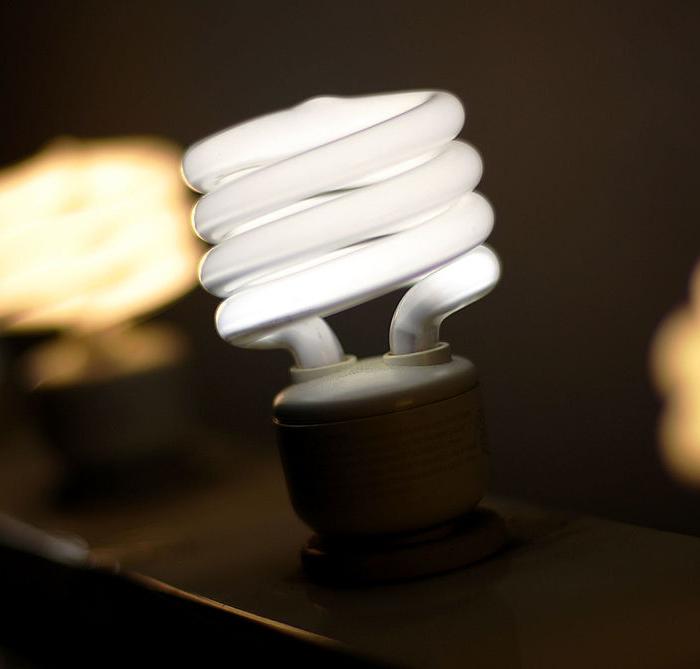
LED lights, because they save energy and are very bright, have become the primary lighting source in modern homes and offices. However, LED lights have a high blue light content, and harm to the eyes should not be underestimated.Jou and his team, through thousands of tests, found that the suitable brightness for reading is far lower than commonly believed.
Ideal brightness is only about 24 lux (a measure of illuminance), equivalent to the brightness of two candles, which is sufficient to meet the visual needs of most people.
To protect eyesight when reading or working, Jou suggests enlarging the text or adjusting the light source to a candle-like intensity, which is better for the eyes and provides clearer vision because the eye contains scintillating cells in addition to bright-vision cells. Dimming the light and allowing three to five seconds for the eye to adjust significantly reduces the perceived required brightness.