Sitting upright keeps your neck relaxed, your spine mobile, and your breathing free. However, the moment we slump forward or crane our heads toward a screen, tension builds quickly— neck muscles stiffen, the back tightens, and even breathing becomes restricted. Over time, a poor sitting posture doesn’t just cause aches and pains—it can quietly sap energy, cloud thinking, and undermine long-term health.
Why Sitting Poorly Affects More Than Your Back
Research increasingly confirms what many office workers feel daily. A 2020 study found that just 15 minutes of holding a forward head posture with rounded shoulders—commonly referred to as “text neck”—led to muscle fatigue and reduced participants’ subsequent physical performance.When we remain hunched over or in a text neck posture for long periods, vascular elasticity declines, circulation worsens, and oxygen supply to the brain may be affected, according to Zheng. This helps explain why many office workers experience afternoon fatigue, brain fog, or reduced creativity.
A Guide to Good Sitting Posture
The first step to improving sitting posture is to check whether breathing feels natural.“Good breathing indicates good posture,” Zheng said. When we sit upright—as if measuring our height—with the crown of the head extending upward and the body’s weight settling naturally downward, deep breathing becomes noticeably easier. By contrast, when we slouch, breathing becomes shallow and restricted.
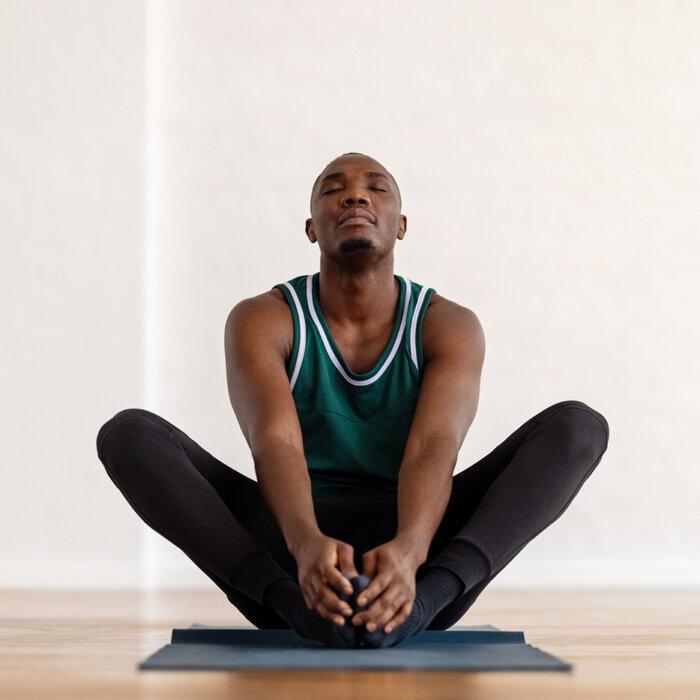

Active Sitting
Active sitting involves keeping the body upright by consciously lifting the head and opening the chest.When working, writing, or using a computer, the eyes should look straight ahead at the screen. The top of the screen should be at eye level, eliminating the need to tilt the head up or down.
Passive Sitting
Sitting on a sofa is an example of passive sitting, in which the body does not need to hold itself upright and can rest.When sitting on a sofa, ensure that the spine is supported.
A firm, thick cushion can be placed behind the back and pushed in fully so the body is securely supported in an upright position. The cushion does not need to fit a person’s height precisely; the key is that it provides proper support for the spine. Square or round throw pillows, if positioned correctly, can also serve as effective back supports.
- Sit upright as if measuring your height, with your weight grounded downward and your head extending upward, then take a deep breath.
- Place the cushion firmly behind you to provide solid support.
- Sit upright again using the “measuring height” cue, then lean back and relax against the cushion to check whether it maintains support without collapsing.
Posture Tips for Computer Use
The idea that armrests are necessary to prevent fatigue is a misconception. When the elbows hang naturally beneath the shoulder joints, no additional support is needed. Discomfort usually occurs only when the shoulders hunch or the elbows extend forward, according to Zheng.How to Choose the Right Chair
An expensive ergonomic chair may not solve all posture problems, and in some cases, may even be less effective than a simple stool, Zheng said.- Adjustable Height: The feet should rest firmly on the ground without hanging.
- Seat Design Without Thigh Pressure: When seated fully, check whether the front edge presses against the thighs. Continuous pressure can irritate the fascia at the back of the legs, potentially leading to fasciitis.
- Adequate Back Support: The ideal support point should align with the level of the navel, with or without an additional cushion. Leaning back slightly—about 95 degrees—keeps breathing smooth and unrestricted.
For example, if the seat is too high for a smaller person, a footrest may be needed to keep the thighs and calves at a proper angle and prevent strain on the backs of the legs.
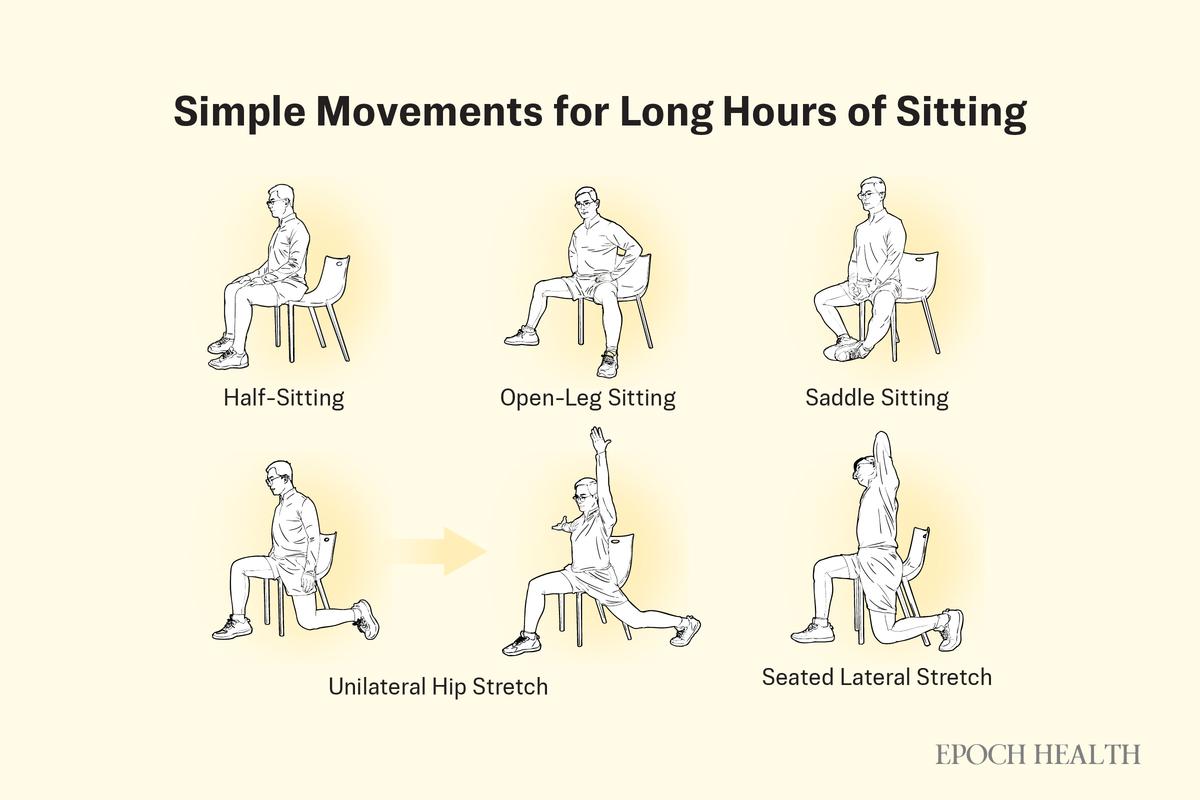
5 Simple Movements for Long Hours of Sitting
Sitting for extended periods without movement often leads to body aches. Zheng recommended that office workers and people with sedentary lifestyles incorporate the following simple movements into their routine:1. Half-Sitting
Sit forward on the chair without using the backrest, supporting the body only with the sitting bones. When you begin to feel tired, lean back against the chair.2. Open-Leg Sitting
Sit near the edge of the chair with the legs apart. Working briefly in this position can help the pelvis return to a neutral alignment.3. Saddle Sitting
Sit near the edge of the chair as if straddling a saddle, with the legs angled downward and the knees positioned lower than the hips. This posture helps the pelvis maintain a neutral position.4. Unilateral Hip Stretch
Each side of the pelvis has a bony prominence known as the sitting bone (ischial tuberosity).- Sit sideways on the edge of a chair supported by the right sitting bone, with the left side off the chair.
- Extend the left leg backward, raise the left arm overhead, and place the right hand on the chair for support.
- Lengthen the head upward as if measuring your height. Hold the position for 30 seconds to one minute, then switch sides.
5. Seated Lateral Stretch
Steps:- Sit sideways on the chair with your weight on the right sitting bone, allowing the left knee to angle downward and the left side of the pelvis to drop slightly.
- Place the right hand on the chair for support, lift the left arm overhead, and lean to the right to stretch the left side.
- Alternatively, place both hands behind the head. As you bend to the side, keep the upper elbow pointing toward the ceiling. Repeat the stretch on the opposite side.
5 Shoulder and Chest Relaxation Exercises
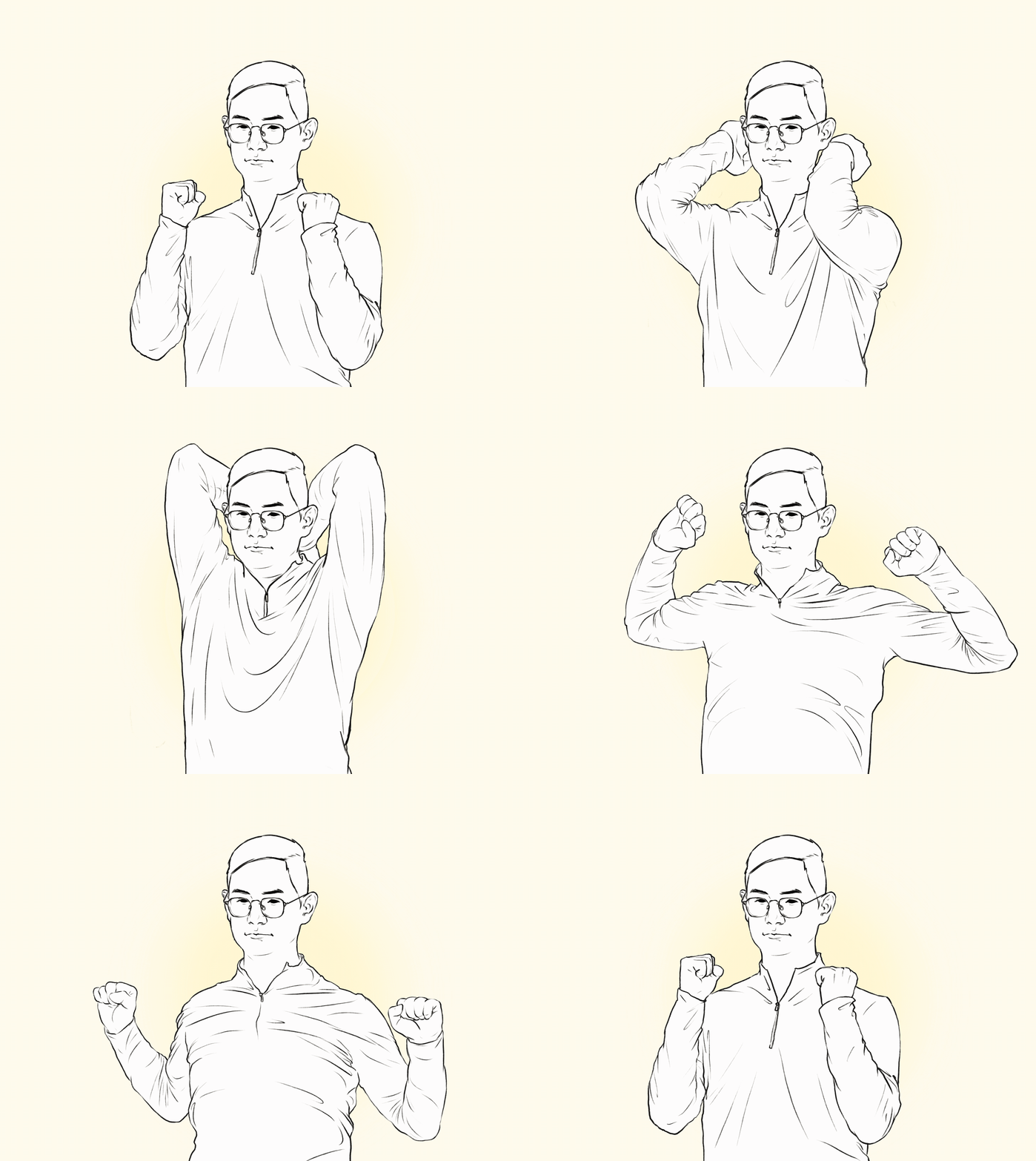
Zheng shared a simple routine designed to relax the neck and shoulders while opening the chest. These exercises can help relieve tension, improve posture, and restore energy.1. Shoulder Circles
Steps:- Place both hands on the front of the shoulders.
- Raise the elbows straight forward and upward, keeping them close rather than letting them flare to the sides.
- Lift the elbows to their highest point.
- From there, open the elbows outward and lower them, squeezing the shoulder blades together and expanding the chest to complete the circle.
- Inhale as the elbows rise; exhale as they open and lower.
- Repeat at least three times, then reverse the direction of the circles.
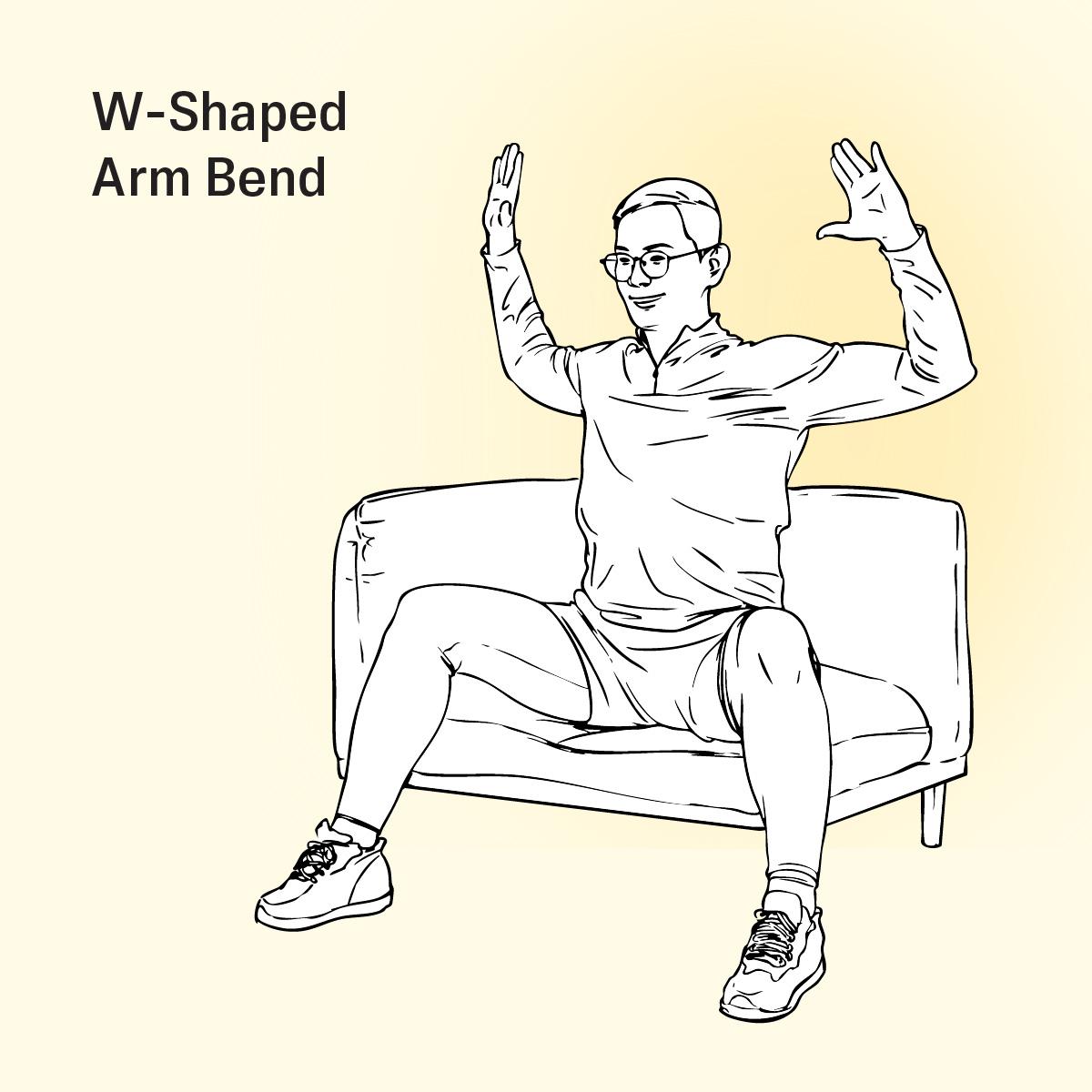
2. W-shaped Arm Bend
Steps:- Press the palms together and raise the arms overhead.
- At the highest point, open the arms outward into a wide V shape.
- Bend the elbows to form a W shape, squeezing the shoulder blades together and lifting the chest.
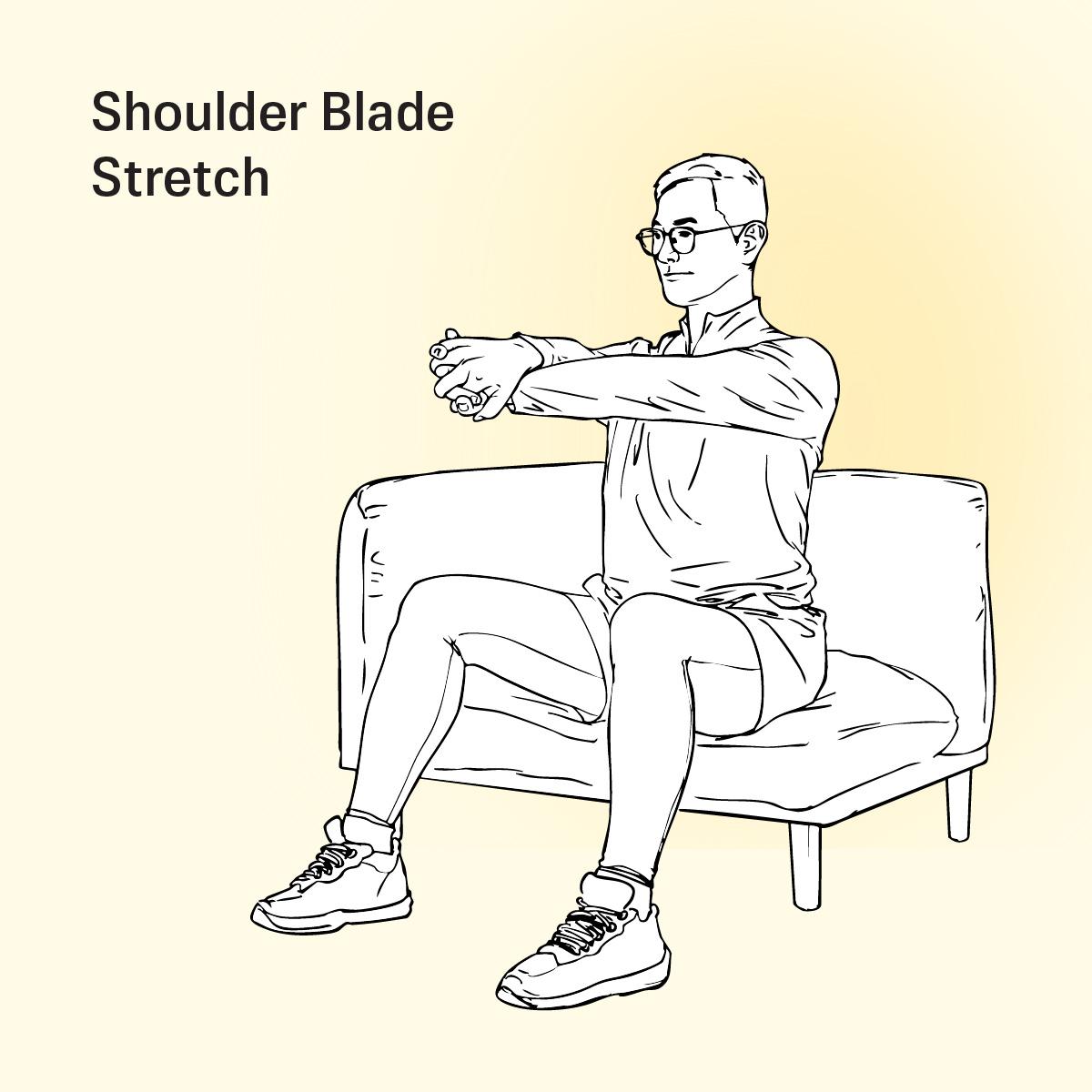
3. Shoulder Blade Stretch
Steps:- Cross the hands, then interlace the fingers and extend arms forward while inhaling.
- As you exhale, round the back and spread the shoulder blades apart. Imagine a bear rubbing its back against a tree trunk to guide the motion.
- Inhale, return to an upright position, and open the chest.
- Exhale and repeat the movement.
4. Neck Massage
Steps:- Place both hands behind the neck, one above the other.
- Gently lower the head. With the palms, press downward along the cervical spine while simultaneously lifting the chin to create a gentle counterforce.
- As you raise the chin, massage the neck with both hands.
- Switch the positions of the left and right hands so that both sides are worked evenly.
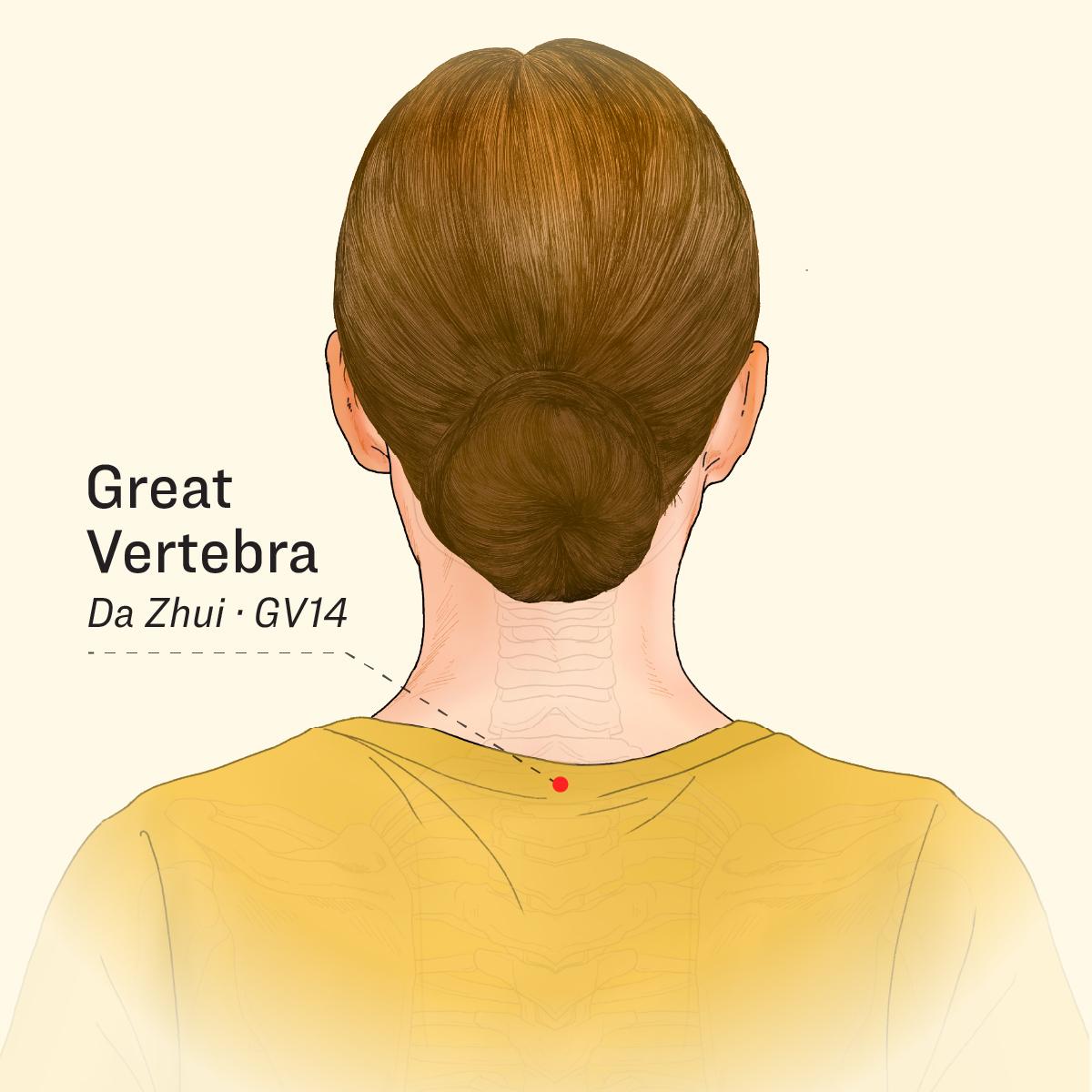
5. Da Zhui (GV14) Massage
Steps:- Cross the hands and place them over the Da Zhui acupoint, the prominent spot where the cervical and thoracic spine meet.
- Lift the chin slightly.
- Slide the hands forward and massage the base of the neck.
Good posture is not about rigidly “sitting up straight” all day. It’s about supporting natural alignment, breathing freely, and moving often. By paying attention to how you sit, breathe, and shift positions, you can reduce pain, restore energy, and protect your spine over the long term.
The healthiest posture is one that allows the body to feel light, balanced, and relaxed rather than strained or forced, according to Zheng. Small adjustments, practiced consistently, can make a surprisingly large difference.