If falling asleep becomes challenging, your doctor may prescribe sleeping pills. However, people who take sleeping pills for long periods are concerned about side effects, including sleepwalking, memory loss, and increased risk of dementia. In addition, the longer an individual takes sleeping pills, the less effective they become. Is there an alternative to improve sleep without side effects?
In an episode of the “Health 1+1” program, Erica Kuo, a registered herbalist, shared an analysis of various fragrant herbs and provided formulas to help those who have insomnia to sleep until dawn.
Ranking of Fragrant Herbs as Sleep Aids
Regarding the sleep-aiding function of different fragrant herbs, Kuo provided the following ten kinds of sleep-promoting herbs and their respective application methods, ranking the herbs on a scale of 0-10 from high (most effective) to low.1. Valerian (9-10 points)
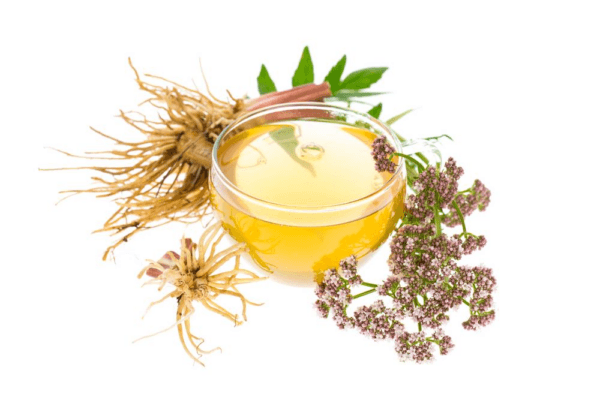
It exudes a strange smell of stinky socks. Since the time of ancient Greece and Rome, valerian has been widely employed to help people sleep and today is commonly used in health care products and tea drinks in Europe and America.Valerian can calm nerves, improve sleep, increase the chemical reaction of the neurotransmitter GABA in the brain, regulate nerve cells, stabilize the brain, and reduce anxiety.
The serving time should be staggered according to the individual’s schedule for those who need to operate special machinery or drive long distances.
2. Humulus lupulus (7-9 points)
A plant that enhances beer’s flavor during the brewing process, Humulus lupulus—better known as “hops”—can improve appetite, relieve anxiety and tension, and treat insomnia.3. Black cohosh (7-9 points)
It is often used to help eliminate menopausal symptoms such as hot flashes, dreaminess, light sleep, soreness, neuralgia, and irregular heartbeat.Preparation: Most black cohosh preparations are made from the root and underground stem of the plant and are available as powders, liquid extracts, and dry extracts.
Check with a certified herbalist for dosing advice.
4. Melissa officinalis (5-6 points)
Also known as lemon balm, Melissa officinalis is a member of the mint family. It grows in massive quantities in the wild and benefits the environment because the flower’s fragrance can attract bees and thus spread pollen. It has been shown to lessen anxiety, insomnia, migraine, and premenstrual tension.Preparation: To make lemon balm tea, steep one-quarter to 1 tsp. of the dried herb in hot water; drink the tea up to four times daily. Lemon balm is also available in extract and capsule form.
5. Hypericum perforatum (5-6 points)
Widely known as St. John’s wort, this can increase brain serotonin and dopamine, calming nerves and relieving tension, anxiety, and worry. There are, however, important considerations if you are having surgery or taking certain medications.6. Tilia europaea (3-5 points)
Tilia europaea is also known as the lime flower or linden tree, with a long and glorious history. It is indicated for nervousness, palpitations, and headaches.7. Peppermint (3-5 points)
Named after a story from Greek mythology, peppermint is widely used in foods and medicines. Its calming effect helps with anxiety and stomach upset.Preparation: To make peppermint tea, steep one teaspoon of dried peppermint leaves in one cup of boiling water.
8. Nepeta cataria (3-5 points)
Not only do cats like it, but it can also relieve children’s toothache or discomfort during teething, relieve flatulence, ulcers, insomnia, and irritability caused by rage. Its common name is “catnip.”9. Genuine lavender (3-4 points)
It has a profound relaxation effect and can help alleviate anxiety. Not sleeping at night will cause pressure on the body. Smelling genuine lavender 20 minutes before work at night can improve stress hormones and heart rate for those who need to work night shifts.Preparation: For inhalation therapy, use three drops of essential oil in three cups of boiling water.
10. Hawthorn (2-4 points)
Part of the rose family, hawthorn is ideal for people with high blood pressure, autonomic nervous system disorders, or people who have undergone heart surgery.Preparation: Speak to a trained herbalist for guidance on the proper dosage of hawthorn.
Moon Milk and Soaking Bath to Aid Sleep
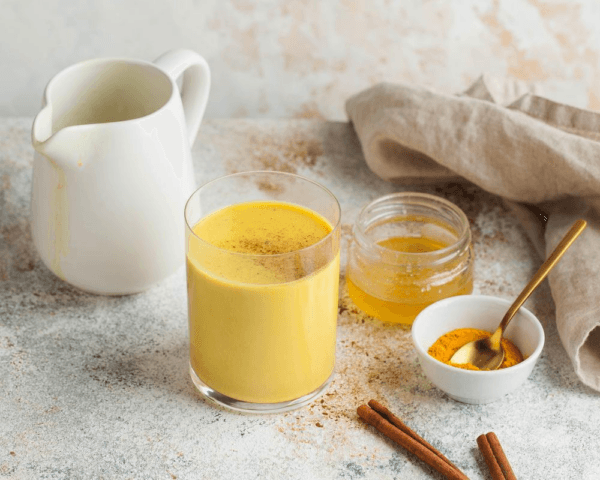
Kuo also introduced a “Moon Milk” formula to aid sleeping.Kuo said that milk contains tryptophan and melatonin, which can help sleep, and fragrant herbs can reduce lactose intolerance.
Cinnamon can help regulate blood sugar balance and reduce bloating. Kuo reminded us that it is best to use Ceylon cinnamon. People with liver problems should avoid using Chinese cinnamon because it contains safrole, which can easily damage the liver.
Indian ginseng is suitable for people who stay up late for a long time and feel tired, frail, and mentally weak. It can regulate stress and improve resilience.
Kuo also recommends a soak bathing method to help sleep. First, use a natural dry brush to scrub the body to stimulate the nerves. Then put some sea salt or Epsom salt in the bathtub, and add lavender, chamomile, or rose essential oil. This bath is also an effective way to prepare for sleep.
Kuo reminded us that when choosing fragrant herbs, buy from sources with a good reputation. Moreover, people taking Western medicine need to check with their doctors about any potential for drug interactions.