Many people have favorite rituals for wrapping up the holiday season. Behind the fun and nostalgia of purposefully closing out the year lies a wealth of health benefits.
Rituals Versus Habits
At first glance, rituals and habits appear similar, but they are fundamentally different at their core.A ritual is a structured, meaningful action performed and repeated with intention, unlike habits that run on autopilot once formed.
In contrast, rituals are driven by intentionality and purpose. Morning meditation, saying grace before meals, or snuggling your child while reading bedtime stories are everyday yet meaningful rituals.
How Brains Synchronize
Traditionally, engaging in rituals during major holidays and festivals fosters a sense of belonging and stability. Neuroscience demonstrates the process.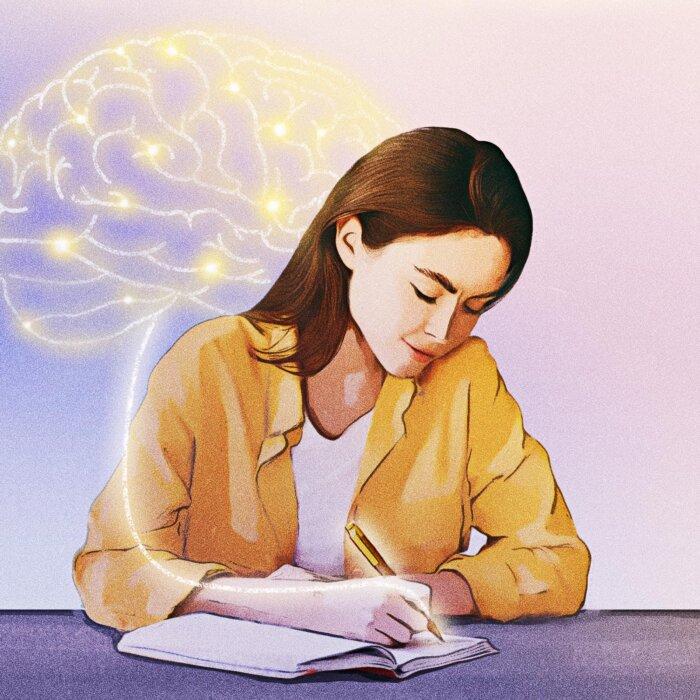

Laurie Santos, professor of psychology at Yale University and host of The Happiness Lab podcast, told The Epoch Times that rituals can “reinforce our identity and create a comforting sense of predictability, which makes us far more likely to keep showing up.”
“Just remember that the small touch of ceremony can turn an everyday well-being practice into something we’re motivated to sustain over time.”

The Health Gifts of Rituals
Rituals support overall health by lowering stress and inflammation, stabilizing emotions, and reinforcing shared meaning.Lowered Stress
Rituals buffer uncertainty and anxiety by decreasing the brain’s error‑monitoring signal, or “mistake alarm.” When you’re doing something challenging, your brain is constantly scanning for errors. Rituals dial down this alarm, so when you do make mistakes during a demanding task, they feel less upsetting.Improved Physical Health
Ritualized daily routines around waking, meals, activities, and sleep can help regulate circadian rhythms and organ repair processes in both children and adults, including metabolic, cardiovascular, and endocrine health.Enhanced Emotional Resilience
Engaging in rituals is also associated with better emotional resilience, enabling one to bounce back from hardships with strength.Rosama Francis, a psychologist and certified life coach, told The Epoch Times that rituals can evolve into personal anchors in life as they carry a “larger-than-life purpose and are built on an individual’s value system.”
Cultivating Ritual in Daily Life
Creating small rituals in your day and following through doesn’t have to be complicated.Because rituals are designed to make experiences feel more meaningful and “sticky,” they may help people follow through on intentions they care about—such as taking a walk after dinner, enjoying a screen-free evening, or a calming wind-down routine, Sezer said.
Rituals support well-being specifically because of their shared participation, clear structure, and predictability, she said. “When celebrations become primarily about excess, evaluation, or stress—‘doing it right’—they may undermine the very engagement and closeness that rituals can otherwise foster.”
1. Establish a Morning or Evening Ritual
Begin and end your day with intention. Choose to start your morning with mindful actions—deep breaths, stretching or meditative exercises, mindfully preparing coffee or tea, or organizing your desk. You might end your workday with grounding rituals such as closing your laptop with a small affirmation or gratitude journaling before sleep. “Pick rituals that are fast and simple,” Santos said.2. Anchor Stress
Turn small, structured actions into relaxation anchors. Before stressful tasks, pause for a simple ritual such as taking three deep breaths. Use symbolic gestures—touching a meaningful object, or, for instance, closing your eyes for a few moments and reflecting on your life purpose—to refocus and restore calm.3. Practice Shared Ceremony for Connection
Plan a family dinner or a weekly brunch with close friends, or share holiday traditions.Santos, whose research explores science-backed ways to lead a happy and fulfilling life, suggested choosing a shared ceremony with the people you love.
For example, greeting people who matter most to you with a special personalized gesture, or rewatching a favorite movie each year, is a great and fun way to strengthen bonds.
Francis, who has worked in education for nearly 30 years, believes that it’s time to evolve holiday traditions from being elaborate, rigid obligations into intentional rituals centered on connection and meaning. The focus, she said, should shift from perfection to presence—prioritizing shared time, gratitude, and togetherness.
“Reestablishing family celebrations as rituals strengthens emotional bonds, enhances quality of life and, over time, contributes to greater emotional well-being and longevity for all,” she said.