Five-year-olds know right from wrong.
The children’s verdict was clear. Stealing and refusing to share were always wrong, period. It didn’t matter whether the bad actor was a playmate or a machine programmed to misbehave.
The children even attributed guilt to the robot, as if it should have known better.
The study naturally invites a question: If 5-year-olds condemn wrongdoing, do these judgments begin even earlier—before language?


The Seeds of Virtue
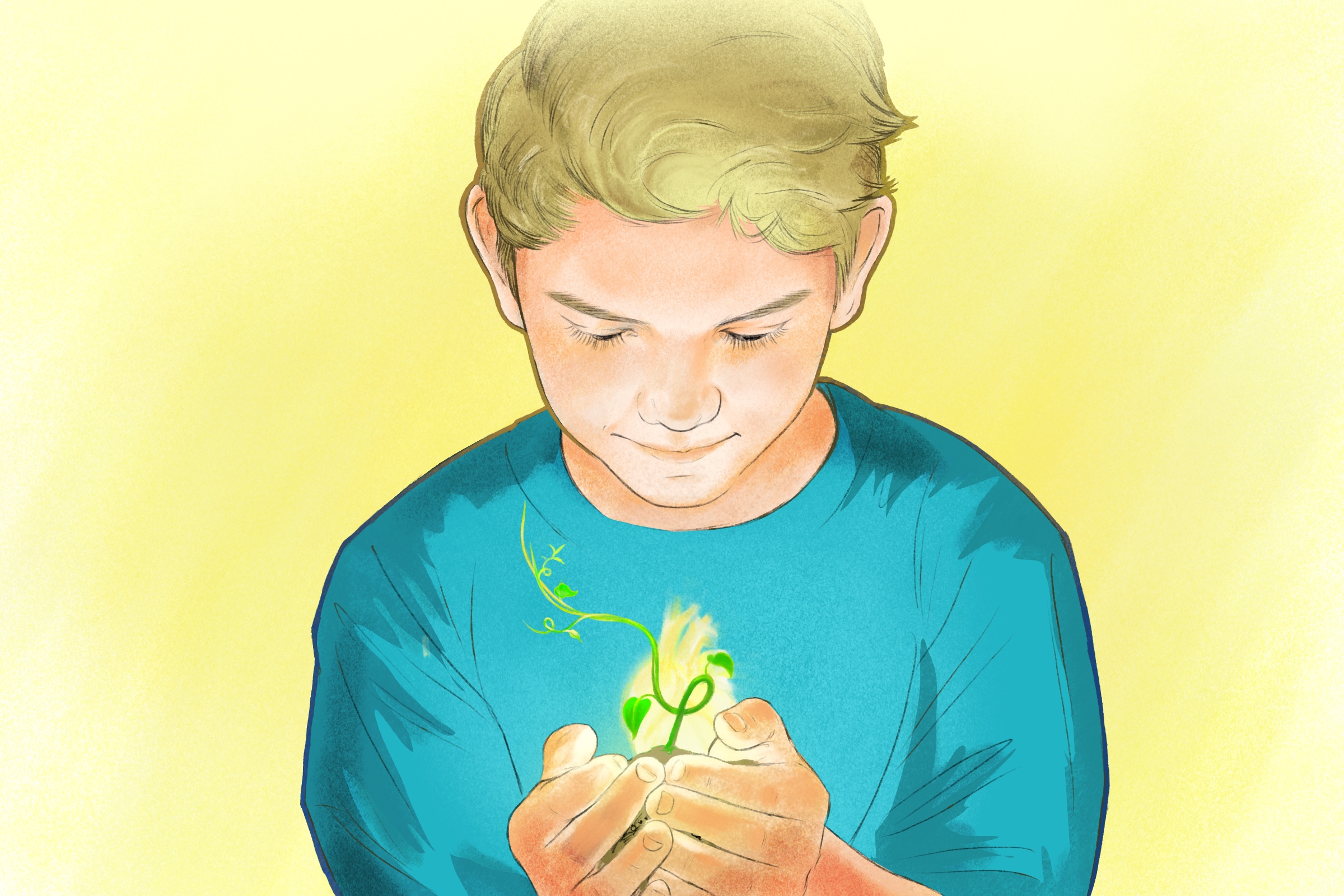
The fourth-century Confucian philosopher Mencius said that children are born with seeds of virtue, and “moral sprouts” start emerging even before a child’s first birthday. However, these seeds, he argued, need careful cultivation through education, socialization, and self-reflection to blossom into greater virtues, such as compassion, justice, and propriety.Roma Kumar, a clinical psychologist and parenting coach, told The Epoch Times that children’s innate moral compass is “a living, breathing part” that naturally leans toward goodness.
Evidence for the early roots of a moral code exists even in infants before the onset of language and reasoning. Developmental research views babies not as passive observers but as active interpreters of what is happening around them, capable of moral evaluation.
Infants as young as 6 months can recognize whether a person is a helper or a hinderer based on that person’s behavior toward others.
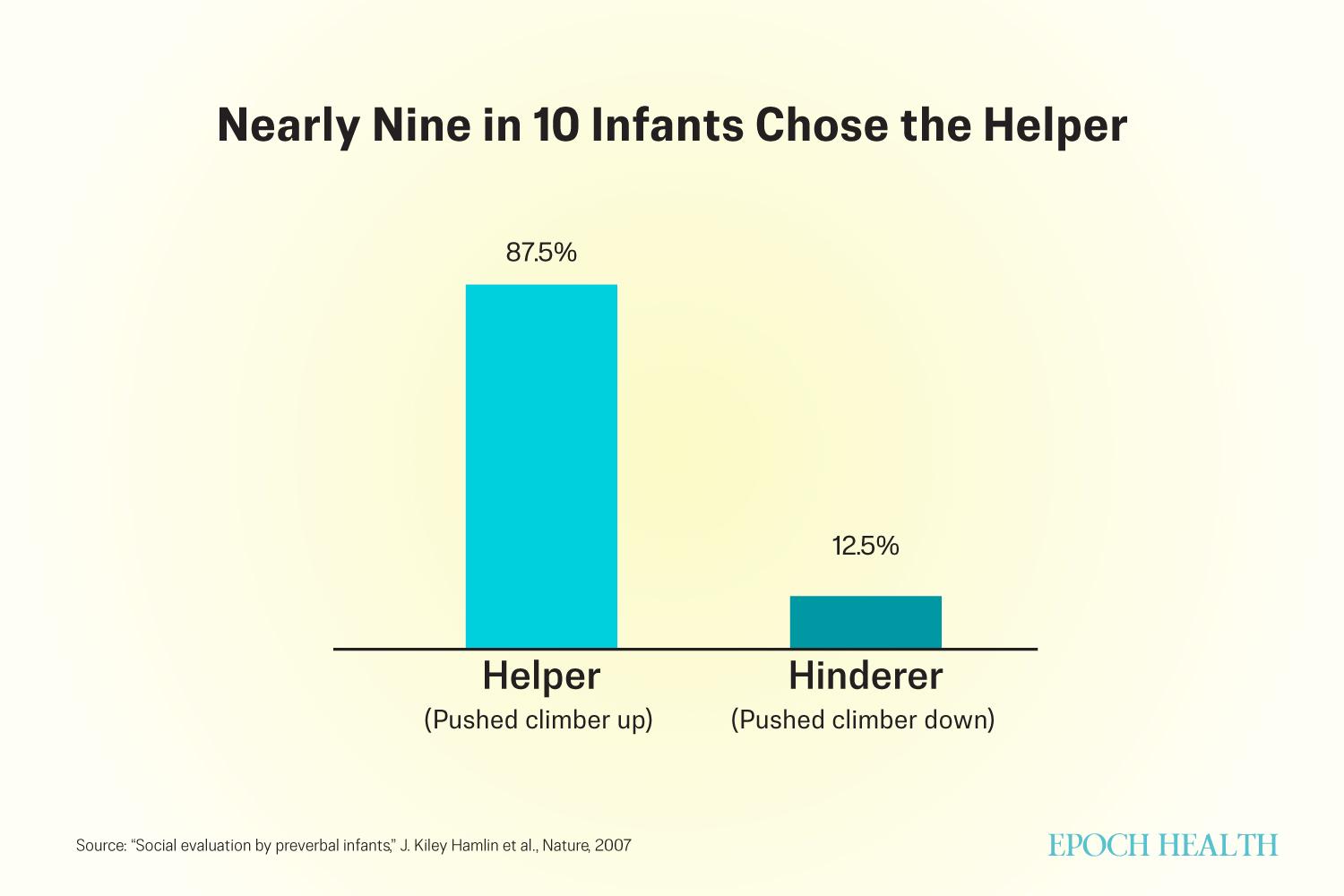
Remarkably, babies don’t just evaluate what happens but can also perceive intentions behind actions.
Neuroscience evidence aligns with these behavioral findings.
Later, when parents prompted toddlers to feel concern for others, the neural response was less immediate but more pronounced, suggesting more sustained processing of the other person’s suffering.
Why Cultivation Matters
The age-old saying may be true: “It takes a village to raise a child.”Over time, children’s early “moral seeds” turn into more mature virtues, shaping what psychologists call the “moral self.” The moral self is the conscious internal dialogue about right and wrong that asks, “What kind of person should I be?”
Without that nurturing, “seeds” of morality can wither in harsh environments or succumb to everyday temptations.
Kristjan Kristjansson, professor of character education and virtue ethics at the University of Birmingham, told The Epoch Times that a child’s moral compass needs to be stimulated and developed in the first few years of life.
Echoing the same sentiment, Kumar said that children’s moral self needs the right environment, warmth, and a sense of safety to grow and take shape.
“The moral sense evolves through relationships, through being seen, validated, and treated with compassion,“ she said. ”When children feel understood, they begin to extend that same understanding to others.”
Children raised in emotionally attuned, morally nurturing environments develop stronger self-esteem and resilience and are less likely to internalize distress—“because they’ve learned to process emotions constructively and care for others meaningfully,” Kumar said.
“Children with a strong sense of empathy and responsibility are likely to be much more successful with their peers,” Laura C. Kauffman, a child and adolescent psychologist, told The Epoch Times.
Kristjansson said he believes that character development must be given “pride of place in educational policy and practice from K–12 through college” to achieve the wider aims of schooling: developing students with well-rounded character.
How to Nurture Morality
How can we build children’s moral selves?Kristjansson suggested that parents and educators use a blend of “taught, caught, and sought” approaches.
Kumar emphasized that how adults handle disagreements, express empathy, and admit their own mistakes significantly influences children. When adults consistently demonstrate humility, fairness, and accountability, children internalize those values far more deeply—because modeling vulnerability shows children how to be truthful, apologize, and try to do better, without shame, she said.
A common pitfall in education and parenting, Kumar said, is an excessive focus on obedience and on equating discipline with punishment rather than on helping children understand why something is right or wrong.
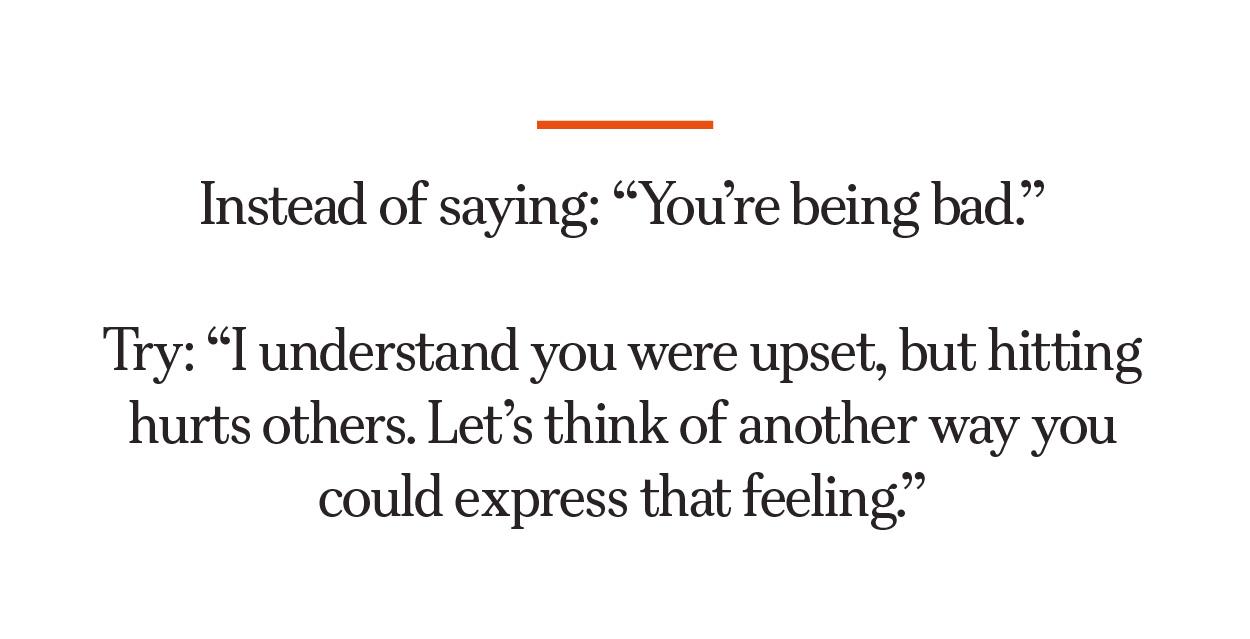
For example, if a child breaks a rule, instead of saying, “You’re being bad,” a parent may opt to say: “I understand you were upset, but hitting hurts others. Let’s think of another way you could express that feeling.” Such an approach helps the child “connect behavior with emotion and consequence, rather than shame,” Kumar said.
Teaching perspective-taking also builds character.
Parents can gently guide their child to consider others’ thoughts and feelings, Kauffman said. For instance, parents can ask: “What were you thinking when the teacher started passing out the different cookies? What would you guess your friend was thinking when your teacher asked you both to select a cookie—but one cookie was clearly bigger than the other one?”
Thoughtful questions that invite your child to consider others’ internal experiences can help develop their ability to tune in to the people around them, she said.
Seeds That Need Tending
The 5-year-olds who condemned a robot’s misbehavior remind us that children enter this world equipped with a moral sense that is both innate and surprisingly sophisticated. They can distinguish right from wrong, read intentions behind actions, and feel the weight of another’s suffering—all before they can fully articulate why.As Mencius understood more than two millennia ago, moral sprouts are just that—sprouts. They need the right soil to grow into the virtues that sustain individuals and communities alike.
Genuine morality matures not through control, Kumar said, but through example, reflection, and consistent, warm relationships, such that doing what is right feels natural.