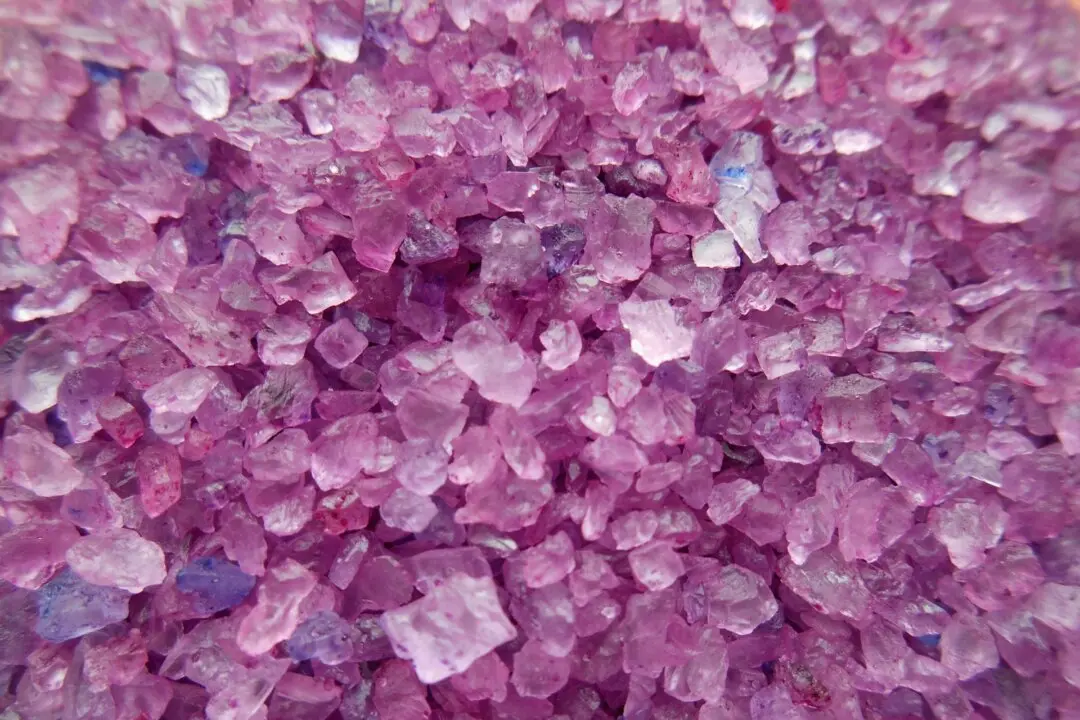
The deep-red globes of pomegranate fruit—now in season—have significant health benefits. The word pomegranate comes from the Latin pomum grantum, which translates into “apple of many seeds.” Underneath their leathery skin, pomegranates are filled with hundreds of edible red seed pods called arils, each containing a sweet, tart juice surrounding a tiny, white, crunchy seed. The pomegranate tree’s bark, leaves, and roots are also rich in therapeutic compounds.
History
The pomegranate tree, Punica granatum, has a long and colorful history. Ancient records indicate they are native to Iran and have been cultivated for centuries throughout the Mediterranean region, including Asia, Africa, Europe, and northern India, where they were used to prevent and treat many diseases and ailments. Numerous cultures have idolized pomegranates for their supposed spiritual and religious significance. For example:- According to Jewish tradition, pomegranates are sacred, as they sometimes contain 613 seeds, believed to represent the 613 commandments in the Torah.
- In Greek mythology, pomegranates are a metaphor for desire and sin.
- In some Asian cultures, it’s a symbol of fertility and abundance.
- In India, Ayurvedic medicine treats the pomegranate as a whole pharmacy. Today, tinctures and powders of the seeds, juice, and peel are used to treat parasites, diarrhea, ulcers, and other conditions.
Benefits
The main health benefit of pomegranates is their high concentration of unique antioxidants, which fight several types of free radicals.The seeds and peel contain two major antioxidants, punicalagin and punicic acid. The seeds are also high in vitamins B and C, folic acid, potassium, and iron. The peel contains the flavonoid anthocyanin, which gives pomegranates their vibrant red color. The rare yellow variety of pomegranate has fewer health benefits.
Heart
Pomegranate juice has been shown to benefit the heart because of its high antioxidant content and is helpful for hypertension and inflammation. The polyphenol compounds punicalagin and ellagitannin help prevent artery walls from thickening, thus lowering the buildup of cholesterol and plaque. The anthocyanins in the juice have shown cardio-protective properties for ischemic heart disease.Several studies have suggested that pomegranate juice reduces both systolic and diastolic blood pressure.
Brain
The ellagitannin in pomegranates helps reduce inflammation. Some studies have found that ellagitannin may help protect the brain against Alzheimer’s and Parkinson’s disease by reducing oxidative damage and increasing the survival of brain cells.Cancer
Pomegranates are showing great promise in the area of cancer prevention. Their ability to prevent or suppress some cancers, their low cost, and their easy availability have attracted increased interest in the scientific community. There has been a rapid rise in the number of studies of pomegranate indexed by the National Institutes of Health PubMed search engine, especially in the past five years.In some early studies using cell cultures and laboratory animals, pomegranate fruit extracts showed potential to help prevent prostate, breast, lung, and colon cancers by affecting multiple signaling pathways involved in inflammation, which suppressed or inhibited cell transformation, proliferation, tumor growth, and metastasis. Clinical studies now need to be done to replicate what has been shown in the laboratory.
Kidneys
In one study, pomegranate extract was found to inhibit the mechanism associated with stone formation in people with recurrent kidney stones, possibly because of the potassium and antioxidants in the juice.Animal studies have found that pomegranate extract can help regulate the concentration of oxalates, calcium, and phosphates in the blood, common components of kidney stones.
Skin
In Ayurvedic medicine, pomegranate extracts and tinctures have long been used to treat many skin problems, wounds, and sores. It works well on pimples and acne, preventing them from reoccurring.More recently, laboratory studies on pomegranates and their extracts have found that these substances may help prevent UV-induced skin cancer.
Bones
It is well-documented that polyphenol antioxidants aid bone formation and regeneration through decreased inflammation and oxidative stress. According to one study, because pomegranates are full of antioxidants, all pomegranate parts are effective in preventing bone loss in laboratory mice. They further hypothesized that pomegranate extracts may have potential therapeutic benefits in postmenopausal osteoporosis.Diabetes
Another study looked at the effects of fresh pomegranate juice on those with prediabetes. They found that the fresh juice increased insulin levels and reduced insulin resistance in these subjects.

The glycemic load of a pomegranate is 18, which makes it an excellent fruit to manage glucose levels.
Fertility
Pomegranate juice resulted in higher testosterone levels in the saliva of test subjects. The researchers postulated this may have future therapeutic use for fertility issues in men with low testosterone levels. Further clinical tests are needed. The juice also contains folate, which is necessary for conception and to guard against possible brain defects during pregnancy.A complete list of pomegranate nutritional information is available on the U.S. Department of Agriculture’s FoodData Central website.
Risks
People on ACE (angiotensin-converting-enzyme) inhibitors and those with diarrhea shouldn’t eat pomegranates or drink their juice.Tips
- Raw seeds have the highest vitamin C concentration.
- Drink the juice in the morning, on an empty stomach, for maximum nutrient absorption.
- Sprinkle pomegranate seeds on salads or yogurt with granola.
- Make a smoothie with pomegranate juice, bananas, and yogurt.
- Mix pomegranate juice, rice vinegar, oil, garlic, and sugar to make a salad dressing.
CORRECTION: A previous version of this article stated that pregnant women shouldn’t eat pomegranates or drink their juice.