History
Following the ancient practice of watching patterns of drying mud on patients’ bodies, the great Greek physician Hippocrates stated “In whatever part of the body excess of heat or cold is felt, the disease is there to be discovered.” This early concept expanded and developed over the centuries, first in 1800 due to Sir William Hershel’s discovery of a new spectrum of invisible light, which he called infrared or “below the red.”Controversies
Medical applications for thermography began to appear in the 1950s in an attempt to use the body’s heat to indicate the presence of possible disease. Mammography became one of the first areas to try this technology. However, the limitations of the equipment made it difficult for sensitive interpretation. Controversies arose when thermographic images were compared to radiation imagery. Consequently, thermography declined in popularity even though radiography also had its share of false results.Thermographic Technology
Human metabolism constantly releases varying levels of energy in the form of heat. This heat is one of the key vital signs for determining the possible presence of disease.Thermography uses an infrared camera to detect and record temperature changes on the skin’s surface. It converts this heat into electrical impulses visualized in color, displayed as a heat map or thermogram. The spectrum of colors on the thermogram indicates an increase or decrease in the amount of infrared heat emitted from the body’s surface. For example, red and white indicate hot spots, while blue, purple, and black indicate cooler temperatures.

Benefits
- Non-Invasive
- Painless
- No radiation exposure
- No tissue damage
- No danger from frequently repeated scans
- Individual thermovascular road map
- No side effects
- Early detection potential
Applications
Many medical fields already use thermography, including medicine, physical therapy, podiatry, nursing, psychology, and sports and exercise medicine. Since thermography measures heat patterns and fluid and blood flow in body tissues, new applications continue to emerge. Laboratory studies and clinical trials demonstrate its effectiveness as a diagnostic tool in the health field.- Cancers and malignant tumors
- Temporomandibular joint dysfunction, infected root canals, and gum disease
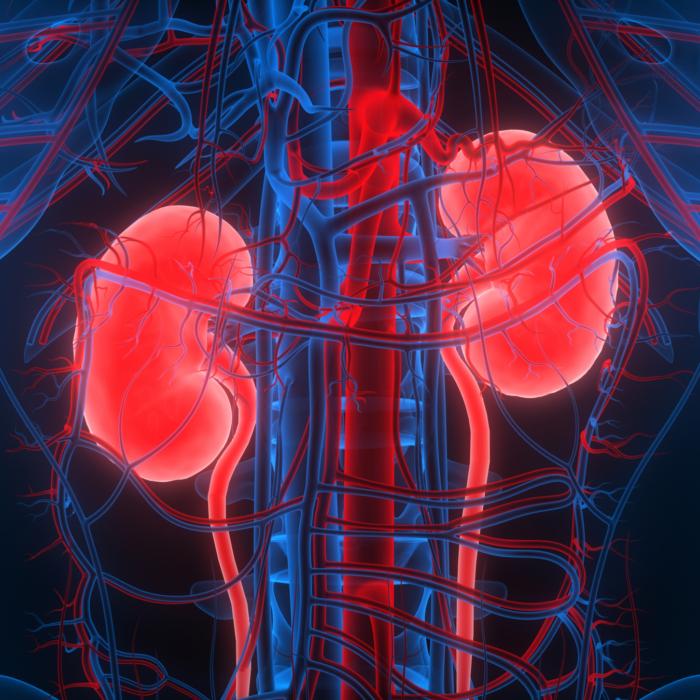
- Heart disease, stroke, high blood pressure from vascular blood flow
- Arthritis, particularly of the joints
- Type 2 diabetes with neuropathy and vascular disorder, and diabetic foot
- Pain source sports injuries, sprains, inflamed tendons, and pain syndromes so that you can receive treatment
Scientific Journal Reports
A literature review of seventy-two research articles on the potential of thermography evaluated 17,314 participants with 38 different health conditions across 13 therapeutic areas. The conclusion: “Thermography offers promising diagnostic capabilities, alone or in addition to conventional methods.”- Vascular disease, particularly the detection of abdominal aortic aneurysms via energy flow along a narrowed artery.
- Skin cancer, particularly melanoma, emits a higher temperature than the surrounding healthy skin.
- Dentistry, particularly with periapical inflammatory lesions, which can be caused by tooth decay, trauma to the tooth, or a previous dental procedure.
- Eye disease detection, such as glaucoma, diabetic retinopathy, age-related macular degeneration, retinal vascular occlusions, and intraocular tumors.
- Burn wounds in monitoring treatment and healing.
- Erectile dysfunction using acupuncture with thermography for diagnosis and treatment.
- Tinnitus can be diagnosed and treated using acupuncture with thermography.
- Sports injuries where the measurement of asymmetrical skin temperatures diagnosed the injured area. A study from Madrid in 2015 involved 201 emergency room sports injuries that were quickly diagnosed, resulting in immediate treatment. The benefits of this study were pain-free testing and fast turnaround in an emergency room setting.
Personal Thermographic Experience
I spoke with Joanna Loli, a certified thermographic technician in Puerto Vallarta, where I live. She explained the exam process and told me about her own thermography test experience. First, the body must be at the same ambient temperature as the exam room, so a cool-down period may be necessary before the exam begins. Because skin temperature is measured, she had to disrobe for the procedure. She stood before the infrared heat-sensing camera, which measured her entire body’s heat emission patterns. Scans take five to thirty minutes, depending on the area to be scanned.- International Academy of Clinical Thermology
- International Thermographic Society
- American Academy of Medical Infrared Imaging
- American Academy of Thermology.
Risks and Concerns
Since thermography is a non-invasive technique, there are no risks to the body. There are concerns among the medical community that this technology has too many variables. Like other medical procedures, some of this is due to human error in both the testing and interpretation of the procedure. There also remains doubt as to the efficacy of thermography. However, as numerous studies and research papers indicate, thermography has its place in the early detection of yet undiagnosed disorders and diseases. It is also valuable for monitoring disease development and treatment results.It is important to remember that early detection is the key and that thermography is not meant to determine or diagnose causes of increased body heat patterns.
As this technology progresses, with the improvement of thermographic devices, image processing, and artificial intelligence evaluation, more opportunities will arise for medical applications of this noninvasive methodology.