The debate over canned versus dried chickpeas has a surprisingly undramatic answer: Both are nutritionally strong. The differences are modest, and neither form matters as much as how you prepare them.
“Canned and dried chickpeas are relatively similar in terms of their total calories, carbohydrates, fat, fiber, and protein content,” Jenna Volpe, a registered dietitian and a functional gut health dietitian, told The Epoch Times. Canned and dried chickpeas are broadly comparable from a macronutrient standpoint, Volpe added, with small differences in protein and fiber.
Where the Two Differ
One of the more notable differences between canned and home-cooked dried chickpeas is protein digestibility, or how efficiently the body can break down dietary protein into amino acids and absorb them for use, though the evidence is still limited.“Different cooking and thermal processing methods seem to have different impacts on protein digestibility and bioavailability. However, limited research has been conducted directly comparing the protein digestibility of canned versus cooked chickpeas,” Volpe said.
The most consistent nutritionally significant difference is sodium. Canned chickpeas can contain more than 300 milligrams per half cup—about 15 percent of the standard daily limit. However, rinsing or choosing no-salt-added options can reduce sodium content. Meanwhile, dried chickpeas contain virtually no sodium unless salt is added during cooking.
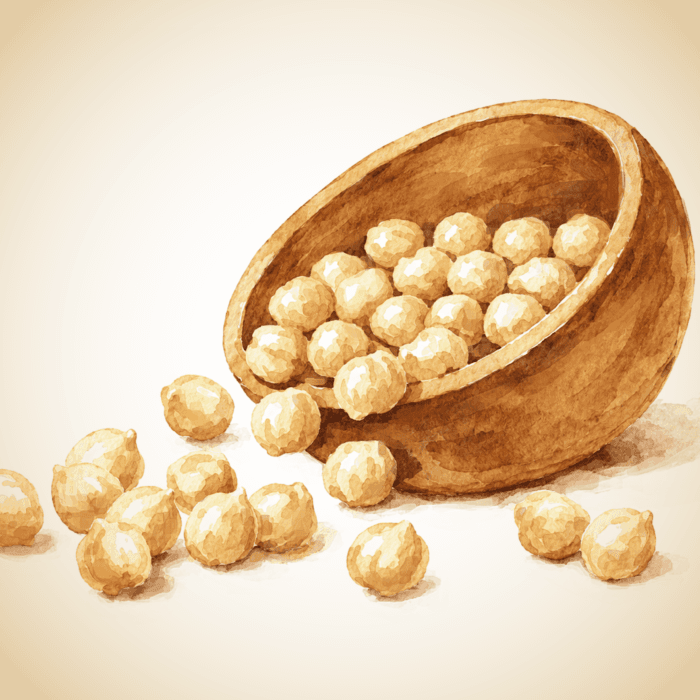
Micronutrient differences between canned and dried chickpeas depend heavily on processing methods rather than on form.
“Based on some studies, dried chickpeas may have a bit more folate,” Allie Petersen, certified physician associate and plant-based chef, told The Epoch Times in an email.
Some compounds may also shift into the cooking or canning liquid.
How Preparation Changes Everything
The preparation method plays a significant role in how chickpeas are tolerated. In other words, the form of chickpea you buy matters less than what you do with it afterward.Differences in glycemic response appear minimal, though still relevant for those monitoring blood sugar. “There’s no significant difference in glycemic response between canned and cooking dried chickpeas at home, but chilling them after cooking can increase resistant starch and slightly improve blood sugar response,” Volpe said.
Which to Use, and When
Taste-wise, dried chickpeas have a concentrated, nutty, and earthy flavor because their compounds haven’t been diluted by prolonged soaking. Because you control the cooking liquid, the result is a more robust bean flavor.“If I cook chickpeas from scratch, they definitely have a more pronounced flavor and are often softer than canned chickpeas,” Peterson said.
Canned chickpeas, on the other hand, often carry a milder flavor and sometimes a slightly metallic undertone caused by the can’s lining and preservatives. Texture also differs, with canned chickpeas typically softer and home-cooked versions having a more al dente “bite” to them.
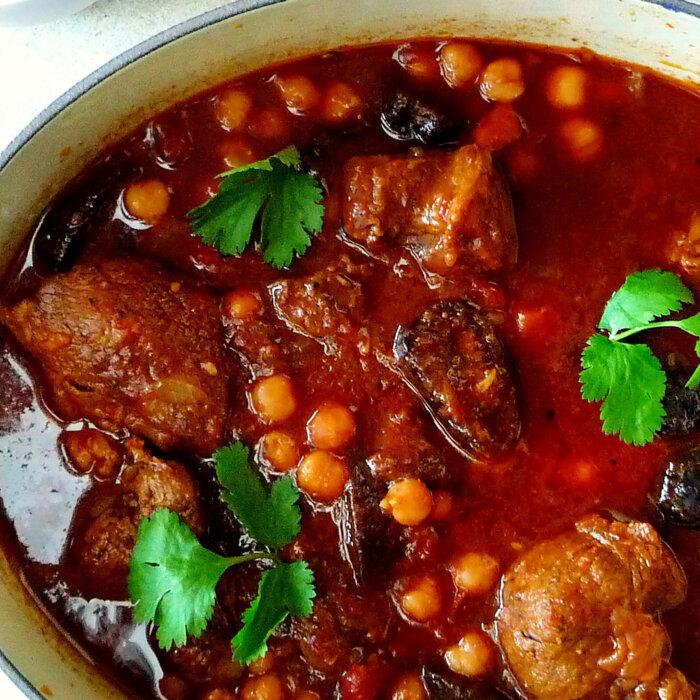
When it comes to cooking, canned chickpeas work well in softer, emulsified dishes such as hummus and salads, due to their convenience and softer texture. Dried chickpeas are better suited for dishes requiring structural integrity, such as falafel, curries, stews, and roasting, because they hold their shape better during cooking.
However, taste preference may play a greater role than texture in deciding which form you choose.
“I honestly love the taste and texture of chickpeas made from scratch, especially for curry,” Petersen said.
“The great thing about cooking dried chickpeas at home is you have complete control of the cooking process, and therefore the potential to maximize resistant starch.”
How chickpeas are cooked also influences how they behave during digestion. Canned chickpeas undergo high-heat processing and are stored in liquid, sealed, and without a cooling step, which may reduce resistant starch formation.
Canned and dried chickpeas are nutritionally comparable in all the ways that matter most.
For those focused on digestion, resistant starch, or micronutrient retention, home preparation from dried chickpeas offers more control—but the advantage is incremental, not transformative.