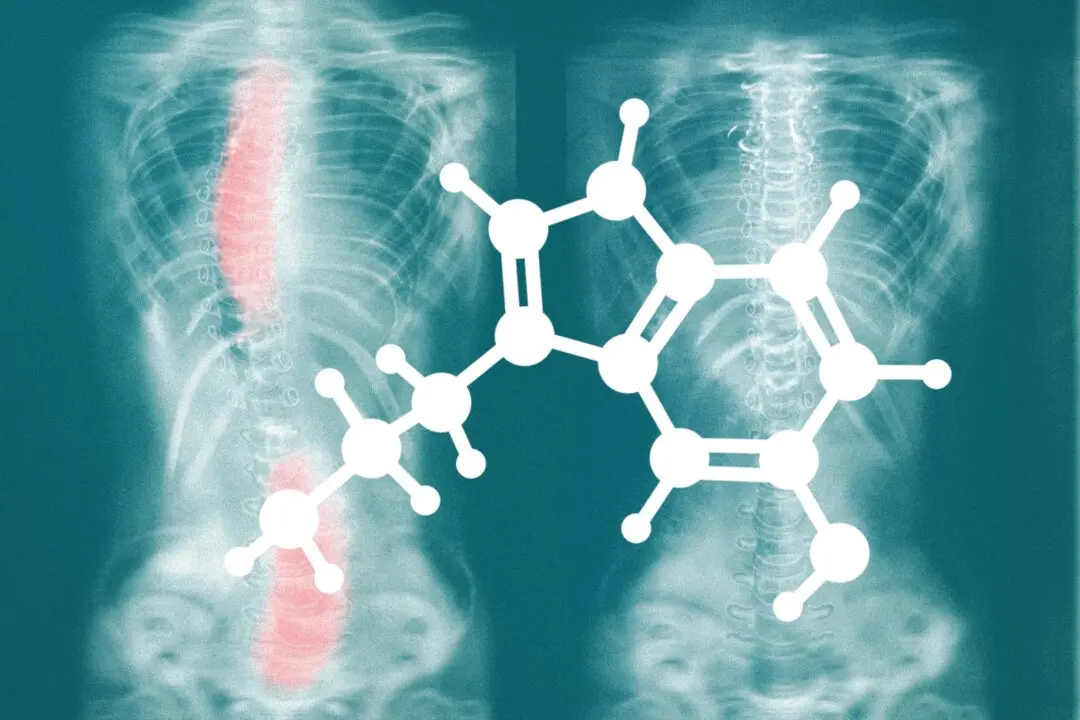
L-glutamine is a powerhouse amino acid that can fortify your gut and uplift your mood—a hidden gem during challenging times.
Role of L-glutamine
The most abundant amino acid in the body, L-glutamine is classified as a non-essential amino acid because the body can produce it on its own. However, it becomes conditionally essential when demand on the body increases, such as in times of intense stress, illness, disease, or strenuous exercise. In these cases, additional glutamine must be obtained from the diet.What Stresses the Gut?
Bobban Subhadra, who holds a doctorate in microbiology and immunology, told The Epoch Times that several factors can negatively impact gut health, including the increased use of antibiotics, chronic stress, and a lack of physical activity. Environmental factors such as exposure to toxins and pollutants also contribute to this growing issue, he said.A lack of fiber and whole food ingredients combined with a high intake of sugar and additives from processed foods can reduce gut diversity and cause inflammation, Yasi Ansari, a registered dietician nutritionist and spokesperson for the Academy of Nutrition and Dietetics, told The Epoch Times. Ansari further emphasized that low vitamin D levels and insufficient intake of antioxidants through diet can also adversely affect gut health.
“This is not to say that one needs to completely strip the diet of these foods but rather to focus on emphasizing more whole foods, fruits and vegetables, lean meats, plant proteins, heart-healthy fats, and fiber from whole grains,” she said.
“When it comes to supporting the gut, I recommend aiming to get more cruciferous veggies, a variety of different colored fruits, nuts and seeds, legumes, adding more herbs to meals and snacks, and considering foods that contain probiotics. Yogurt, kefir, aged cheeses, miso, tempeh are some examples of these foods,” Ansari said.

Glutamine Improves Gut Health
Research has shown that the amino acid glutamine can enhance gut health by reducing inflammation, strengthening and protecting the intestinal lining, and positively influencing the gut microbiome.Subhadra, who has published extensively in Nature and Science, said that glutamine serves as a primary fuel source for the cells lining the intestines, helping to maintain the integrity of the gut barrier. This barrier is essential in preventing the leakage of toxins and undigested food particles into the bloodstream, a condition known as “leaky gut.”
Glutamine Improves Brain Health
Due to the gut-brain connection, poor gut health can disrupt the balance of neurotransmitters, potentially leading to depression. Inflammation in the gut can affect neurotransmitter balance and overall brain health.Getting Enough Glutamine
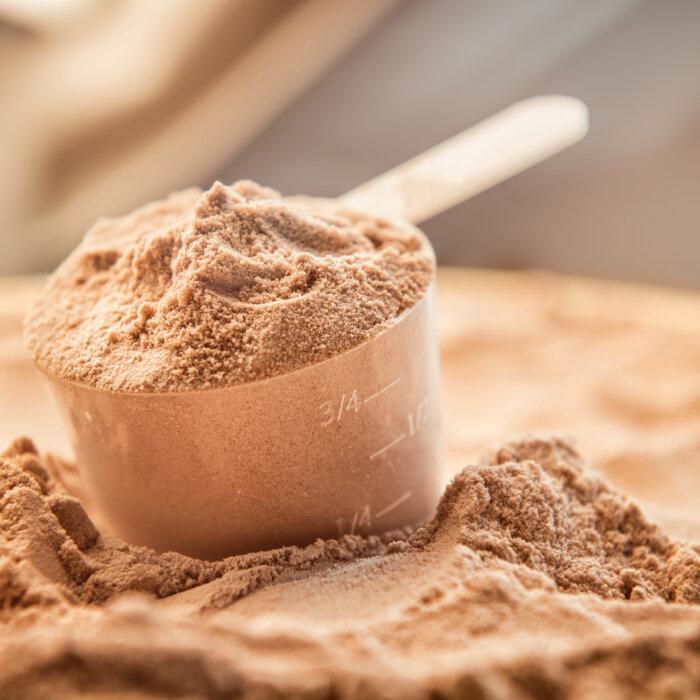
Food sources of glutamine include animal products such as fish, beef, poultry, milk, yogurt, eggs, cheeses (ricotta and cottage cheese), and plant sources such as spinach, beets, lentils, beans, cabbage, and parsley, Ansari said.However, diet alone may not be sufficient to meet the needs of individuals with compromised gut health or those experiencing high levels of physical stress, said Subhadra. In such cases, supplementation can be beneficial to ensure that the body receives an adequate supply of glutamine to support gut repair and overall health. He added that it’s important to assess individual needs and consult with a health care provider before starting any supplementation.
For general gut health maintenance, a common dosage is 5 grams taken once or twice daily, often on an empty stomach, to enhance absorption.
Potential Adverse Effects
L-glutamine is generally considered safe for most people when taken in appropriate amounts. However, some potential adverse effects, especially when taken in high doses, can include mild gastrointestinal discomfort such as bloating or gas, Subhadra said.“As we continue to understand the gut-brain axis and the role of the microbiome in overall health, it becomes clear that maintaining a healthy gut is more critical than ever,” Subhadra said.