Before a baby takes its first breath, its brain is already taking shape, built from the nutrients in its mother’s bloodstream.
A growing body of evidence suggests that maternal nutrition plays a measurable role in how a baby’s brain develops and, increasingly, in a child’s risk of autism and other neurodevelopmental conditions.
Why Diet Matters So Much in Pregnancy
During pregnancy, a baby depends entirely on its mother for the nutrients needed to build and mature its organs. That dependence is part of why nutrition has drawn so much scientific interest.“[Nutrition] can influence fetal development through epigenetic mechanisms; biological processes that regulate how genes are expressed without altering the underlying genetic code,” Dr. Nadia Baker, a psychiatrist, told The Epoch Times.


“These nutrients need to be obtained from the maternal diet or supplements since they cannot be synthesized,” Rebecca Schmidt, a molecular epidemiologist and professor at the University of California–Davis, told The Epoch Times. A lack of them can, therefore, affect the developing brain, although no single nutrient is responsible for healthy brain development on its own.
When Nutrition Matters Most
Early to mid-pregnancy appears to be a particularly important window for brain development. During the first and second trimesters, the brain and spinal cord form, new brain cells are produced, and those cells migrate to their correct locations.“Early brain development happens before many women even know they are pregnant,” Tom O’Bryan, a functional medicine expert and researcher in chronic disease and neuroinflammation, told The Epoch Times. During the early stage, the baby’s blood-brain barrier is still developing and more permeable, meaning that it may be more sensitive to what is happening in the mother’s body, he said.
The nutrients that matter most also shift over time. Folic acid is especially important at and near the time of conception and in early pregnancy. Vitamin D appears particularly important in early pregnancy, while omega-3s and iron play a larger role in the second and third trimesters, according to Schmidt.
What Studies Have Shown About Dietary Patterns
Large studies have compared broad dietary patterns rather than individual nutrients, and the contrast is clear.By contrast, greater adherence to a Mediterranean diet at and near the time of conception has been associated with lower odds of autism-related behavioral outcomes.
Cravings, Real Life, and Nutrient Gaps
So what changes can expectant mothers make?“As a mom, a dietitian, and someone who experienced multiple pregnancy losses before finally delivering a live baby in a high-risk pregnancy, I know how important it feels to do everything you can to support your baby’s development,” Clancy-Strawn said.
During her own pregnancy, she focused on nutrients that support brain development: eggs for choline, B12, vitamin D, and protein; fatty fish such as salmon for docosahexaenoic acid (DHA); leafy greens and legumes for folate and iron; dairy or fortified plant milks for iodine and calcium; nuts, seeds, and plant oils for healthy fats and magnesium; and whole grains, fruits, and vegetables for fiber and antioxidants.
Pregnancy does not have to mean restriction. Cravings are a very normal part of pregnancy, and they often show up in specific and strong ways, Clancy-Strawn said.
“When I was pregnant, I craved fajita nachos with queso, not shredded cheese, but the melted kind, plus refried beans and all the veggies,“ she said. ”And when that craving hit, nothing else satisfied it.”
Pregnancy brings major shifts in hormones, metabolism, and appetite, and cravings can be one way the body responds to those changes. Rather than fighting them, Clancy-Strawn suggested allowing space for cravings within a healthy diet. What matters most is the overall pattern of eating. When daily meals are built around nutrient-dense foods, there is still room for cravings without throwing things off balance, she said.
Building a Brain-Healthy Plate
It would be easy to find these recommendations something for pregnant women to worry about. However, experts say there is no need to worry.Rather than making mothers feel guilty or overwhelmed, a more constructive approach is to help them to make healthy dietary choices more affordable and accessible, Horner said.
Morten Arendt Rasmussen, a professor of computational food and health science at the University of Copenhagen, told The Epoch Times that a bit of effort, willpower, and local or family support can help a pregnancy diet be both nutritious and satisfying.
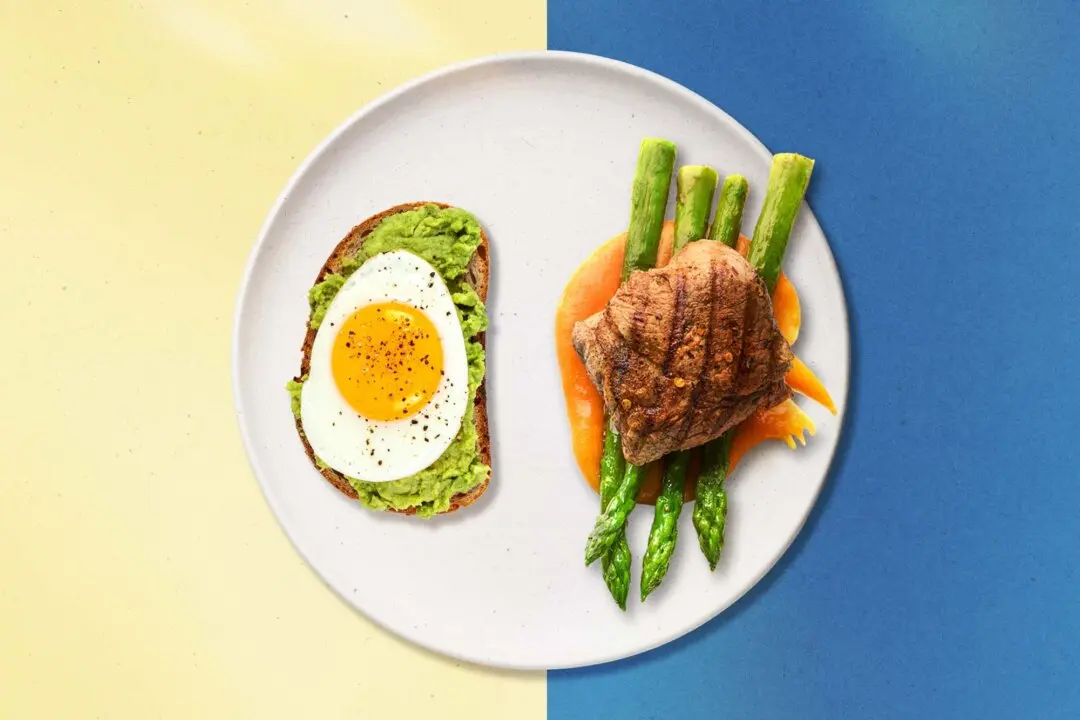
- Breakfast: Two eggs with whole‑grain toast and avocado; optional DHA-fortified milk or a cup of coffee (or decaffeinated coffee or tea) with added DHA
- Mid‑Morning Snack: Greek yogurt with chia seeds or walnuts and berries
- Lunch: Mediterranean salmon bowl with quinoa, spinach, or kale, and olive oil
- Afternoon Snack: Hummus with vegetables and whole‑grain crackers
- Dinner: Grilled chicken or tofu, roasted sweet potatoes, steamed broccoli or Brussels sprouts, mixed‑greens salad with pumpkin seeds
- Evening Option: Fortified milk or plant milk latte
The key message is that nutrition provides an important foundation for healthy brain development, Baker said.
“While no single dietary factor can prevent or cause autism, ensuring adequate intake of essential nutrients and following evidence-based prenatal care recommendations are practical steps that support both maternal health and optimal fetal development,” she said.