At 76, one scoliosis patient is back in the saddle, riding her horse—a milestone her physical therapist, Brittany Wright, calls remarkable.
After about eight months of treatment, combining personalized nutritional and movement therapies, the woman returned to riding regularly and living an active life on her farm. Her spinal curve has decreased, daily pain is gone, and the discomfort when she moves is brief and easily corrected. She’s regained the vitality to be active again.
“That is the kind of outcome that happens when you stop managing scoliosis and start treating it,” Wright told The Epoch Times.
Wright is one of a small number of clinicians who believe scoliosis progression is linked not just to bone and muscle mechanics, but to two familiar hormones: serotonin, often called the “feel-good” hormone, and melatonin, best known for regulating sleep. Both have been shown to play an important role in scoliosis and the health of the spine.
The Biological Basis
How serotonin and melatonin influence the spine comes down to the many jobs they perform throughout the body.
The body consists of a complex network of nerves that relay messages between the brain and various parts of the body. Serotonin helps regulate the nerve signals that travel from the brain and spinal cord to the muscles of the trunk—the chest, abdomen, and back.
By influencing the contraction and relaxation of the back muscles, serotonin contributes to muscle coordination, which helps keep the spine properly aligned. This role may also help explain why studies have found that serum serotonin levels often help predict progressive scoliosis.
Serotonin signaling also plays an important role in bone rebuilding. Bone-building cells have receptors that respond to serotonin, helping regulate the balance between growing new bone and breaking down old bone.
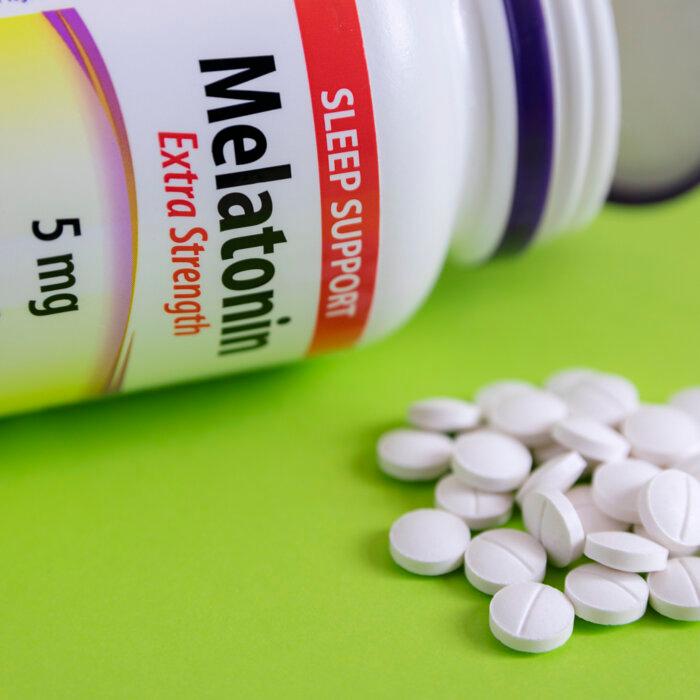

Serotonin is also the metabolic precursor to melatonin. Melatonin, in turn, helps regulate the cells responsible for building and breaking down bone. Much of the foundational research connecting melatonin deficiency to spinal curvature comes from animal studies, including pinealectomized-chicken models—since melatonin is produced in the pineal gland—used since the 1990s to study idiopathic scoliosis. The extent to which those findings translate directly to human treatment remains an active area of research.
“Think of the serotonin-melatonin pathway as the body’s internal communication system for growth and balance,” Joshua Dunsky, a chiropractic physician and the clinic director at Scoliosis Centers of Boston, told The Epoch Times.
The human spine is an elegant, efficient structure. When properly aligned, it allows you to maintain an upright posture with almost no energy expenditure. When the serotonin-melatonin pathway is disrupted, it compromises the neurological signaling that maintains that alignment, Wright said. “The spine is not failing. It is responding to a chemistry problem that medicine has not historically looked for.”
In Wright’s clinical practice, patients with progressing curves consistently show measurable imbalances in the serotonin-melatonin pathways, and correcting those imbalances is central to how they rehabilitate them for long-term health.
“Scoliosis is best viewed as a whole-body condition rather than the result of a single cause,” Mark Morningstar, a chiropractor and founding member of the Society on Scoliosis Orthopedic and Rehabilitation Treatment, told The Epoch Times. “The serotonin-melatonin pathway does not explain every case of scoliosis, but it may explain why some spines lose their regulatory control during growth.”
How Clinicians Apply the Serotonin-Melatonin Theory
Most scoliosis treatment is based on how much the spine has curved. If the curve is small, doctors will usually monitor it with regular check-ups to see if it gets worse. If the curve is larger, a brace may be recommended, especially for children and teenagers who are still growing. If the curve becomes more severe—typically above 35 to 45 degrees, depending on the person’s age and situation—surgery may be discussed.
Besides focusing on the shape of the spine, as the conventional treatment does, Morningstar’s approach also considers other potentially contributing factors, such as hormones, muscle function, nutrition, and lifestyle habits, to support overall spinal health.
Most scoliosis patients are never tested for neurotransmitter or hormonal imbalances, which means the underlying driver of their curve is never identified or addressed, Wright said.
Proponents of this approach often suggest relevant testing. Specialized clinics often use urinary neurotransmitter testing to evaluate a patient’s baseline serotonin and melatonin levels. If a serotonin deficiency is identified, clinicians may recommend targeted amino acid precursors, such as 5-HTP or L-tryptophan, which provide the building blocks needed to produce serotonin and, in turn, support natural melatonin production, Dunsky said.
Improving gut health can also influence hormone balance and the production of serotonin and melatonin.
Alongside these biochemical approaches, early-stage bracing can help physically counteract the spinal curvature while reinforcing proper neurological signaling, Dunsky added. Dynamic braces, for example, use elastic bands that allow natural movement while constantly pushing the body against the curve, serving as a continuous neurological reminder for the brain and muscles to resist scoliosis.
Non-surgical interventions along these lines are still being explored, but what clinicians are seeing, Wright said, goes well beyond what most people have been told is possible with scoliosis. “When you treat the whole system rather than just the curve on the X-ray, the results are remarkable.”
The Importance of Daily Habits
Because serotonin and melatonin are influenced by lifestyle factors, clinicians who subscribe to this theory point to daily habits as a meaningful lever.
“[Unhealthy] habits can absolutely mess with these pathways and make scoliosis worse,” Dunsky said. “Diet and gut health are huge because about 90 percent of the body’s serotonin is made in the stomach.”
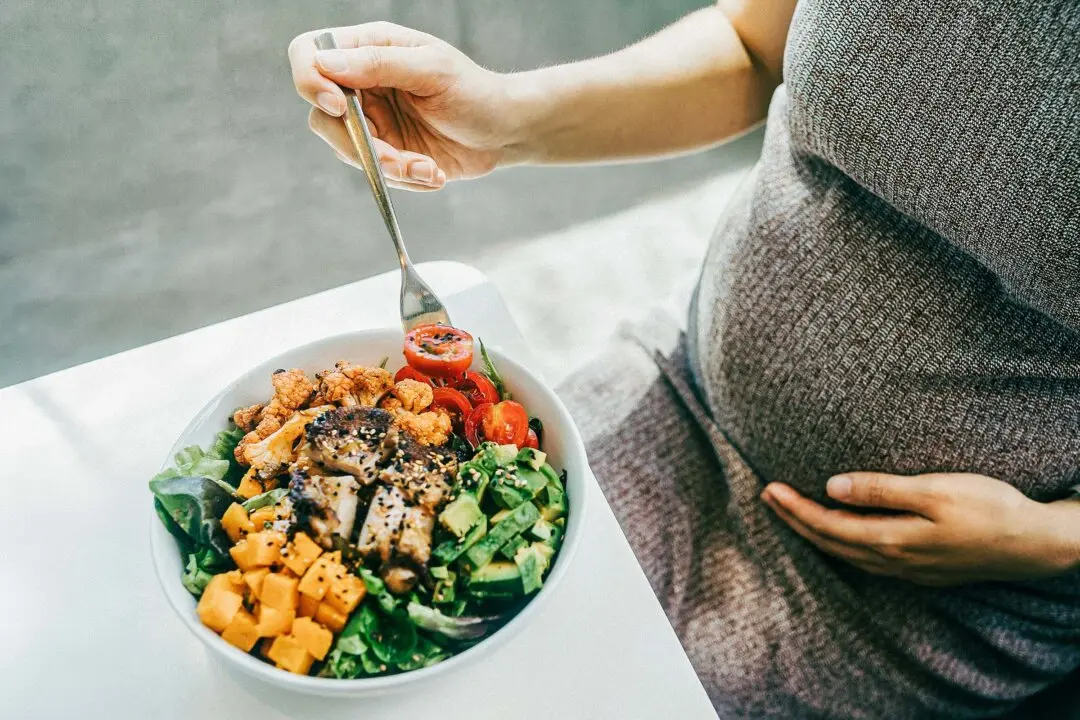
Eating junk food and sugar damages the gut, making it hard for the body to build serotonin in the first place. Plus, if someone isn’t getting enough protein or nutrients such as vitamin D and magnesium, the body simply doesn’t have the ingredients it needs to create melatonin, he added.
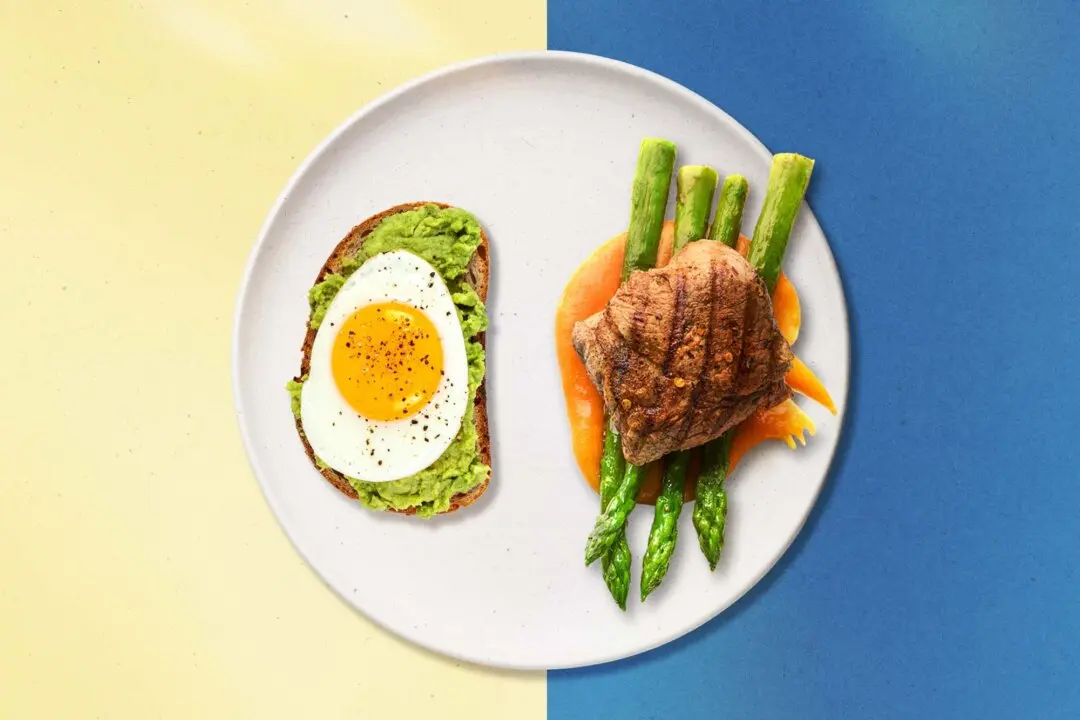
Tryptophan-rich foods include turkey, eggs, nuts, seeds, along with complex carbohydrates that aid tryptophan uptake, are commonly recommended in this framework.
Complex carbohydrates, including whole grains, legumes, and fruit, support serotonin production. They increase insulin levels, which promotes the uptake of other amino acids into tissues, allowing more tryptophan to enter the brain where it can be used to make serotonin.
Stress is another important factor. “When someone is stressed, the body pumps out cortisol. Cortisol basically hijacks the system, draining serotonin and blocking melatonin,” Dunsky said, adding that stress-related muscle tension around the spine can compound the effect.
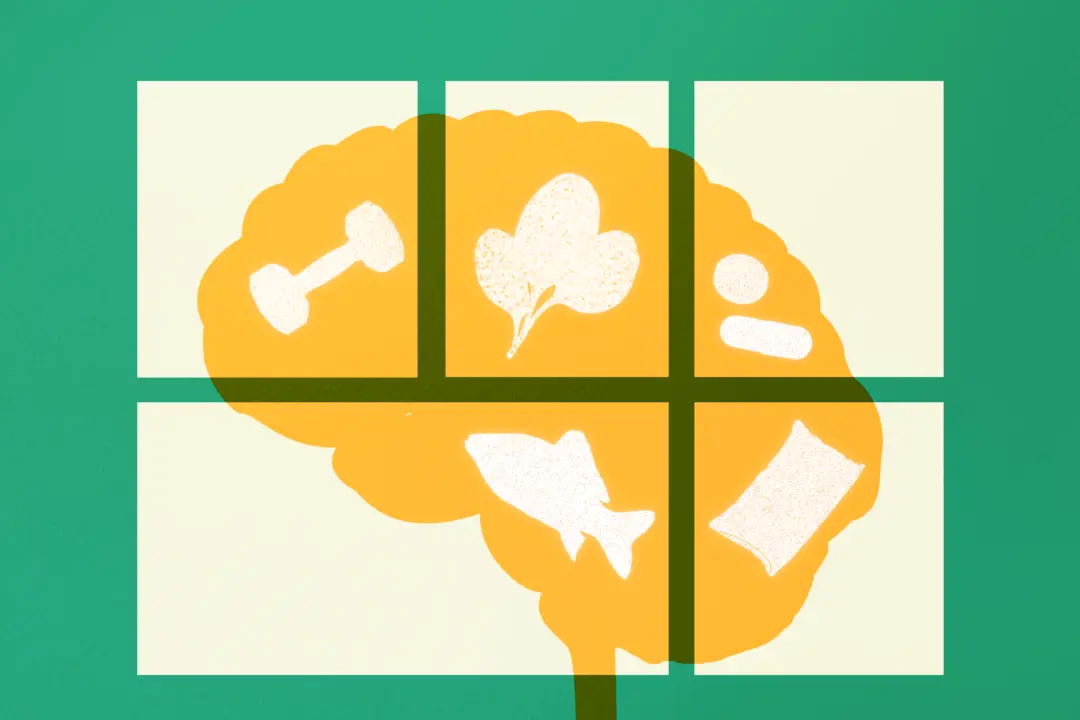
Light exposure, sleep timing, nighttime screen use, exercise, and circadian rhythm disruption all affect these pathways, Morningstar said. Regular physical activity, for example, has been shown to increase serotonin levels and improve mood.
The serotonin-melatonin pathway has provided a clue as to why some curves progress while others do not. Morningstar envisions that future care of scoliosis will become even more personalized, focusing not only on structural aspects, but also on biochemical, hormonal, genomic, and lifestyle factors.
“Bent structures can be corrected when you understand what is driving the bend,” Wright said.