COVID-19
While indicators like the COVID-19 test positivity rate have declined from earlier peaks, its activity remains high, according to the Centers for Disease Control and Prevention.As winter approaches, many regions could see ice, snow, and storms. Meanwhile, the Southern Hemisphere is experiencing cooler temperatures and rain that contribute to virus transmission.
COVID-19 transmission has been unpredictable this year due to the humid climate, Rong noted. According to the traditional Chinese medicine (TCM) theory of “Five Circuits and Six Qi,” she predicts the most severe period of COVID-19 transmission will likely occur between Nov. 21 of this year and Jan 19 of next year.
This timeframe aligns with the colder solar terms of “minor snow,” “major snow,” “winter solstice,” and “lesser cold,” during which the virus may spread more rapidly.
This theory primarily examines how climate changes impact human health, allowing for wellness practices that align with seasonal shifts. The “Five Circuits” correspond to the five elements—wood, fire, earth, metal, and water. The “Six Qi” represent six climatic factors—wind, heat, fire, dampness, dryness, and cold—each associated with four of the 24 solar terms, which are seasonal markers in the Chinese calendar that reflect changes in climate throughout the year.
Group A Streptococcus
Group A Streptococcus, occasionally described as “flesh-eating bacteria,” recently saw an outbreak in Japan, drawing international attention. As of June 30, Japan has recorded 1,144 confirmed cases of Group A Streptococcus infection this year, surpassing last year’s record high of 941 cases, according to The Yomiuri Shimbun.Flu
Flu cases typically peak during the winter months, as the season’s climate is more conducive to its spread, Rong said. She predicts that similar to COVID-19, flu cases may become more severe between Nov. 21 this year and Jan. 19 next year.Illnesses Triggered by Humid Weather
This year’s extreme weather—marked by humidity and cold—can weaken immunity, making people more susceptible to certain illnesses, Rong noted.- COVID-19: As mentioned, COVID-19 tends to spread more easily in humid climates. In general, higher ozone levels and lower relative humidity can help reduce its transmission.
- Bronchitis and pneumonia: Rong shared a case of a patient who initially showed only cold symptoms and a mild fever but developed pneumonia the next day, with a high fever reaching 104 degrees F. She attributes this rapid progression to the effects of humid weather, which can weaken the immune system, making the respiratory tract—including the lungs, trachea, bronchi, throat, and nasal passages—particularly sensitive and vulnerable.
- Gastroenteritis: Humid weather promotes the rapid growth of bacteria and viruses, increasing the risk of food spoilage. Consuming contaminated food can potentially lead to gastrointestinal inflammation and other health issues.
- Arthritis: For people with arthritis, symptoms often fluctuate with the weather—during humid conditions, joint inflammation, swelling, and pain tend to worsen.
- Skin conditions: In humid weather, skin conditions like eczema can worsen. Living in cold, damp areas or hot, swampy regions are environmental risk factors that can increase the severity, frequency, and intensity of eczema flare-ups, according to the National Eczema Association.
Self-Care Tips for Humid Weather
With the humid and unpredictable weather, it is essential to take preventive measures to avoid falling ill, Rong said.1. Protect Against Humidity
In summer, it is essential to protect against heat and guard against rain, humidity, and cold, as these factors are often overlooked. Keep indoor spaces well-ventilated and avoid staying in damp environments for extended periods to help prevent or worsen conditions like skin, joint, and digestive disorders.2. Maintain a Nutritious and Balanced Diet
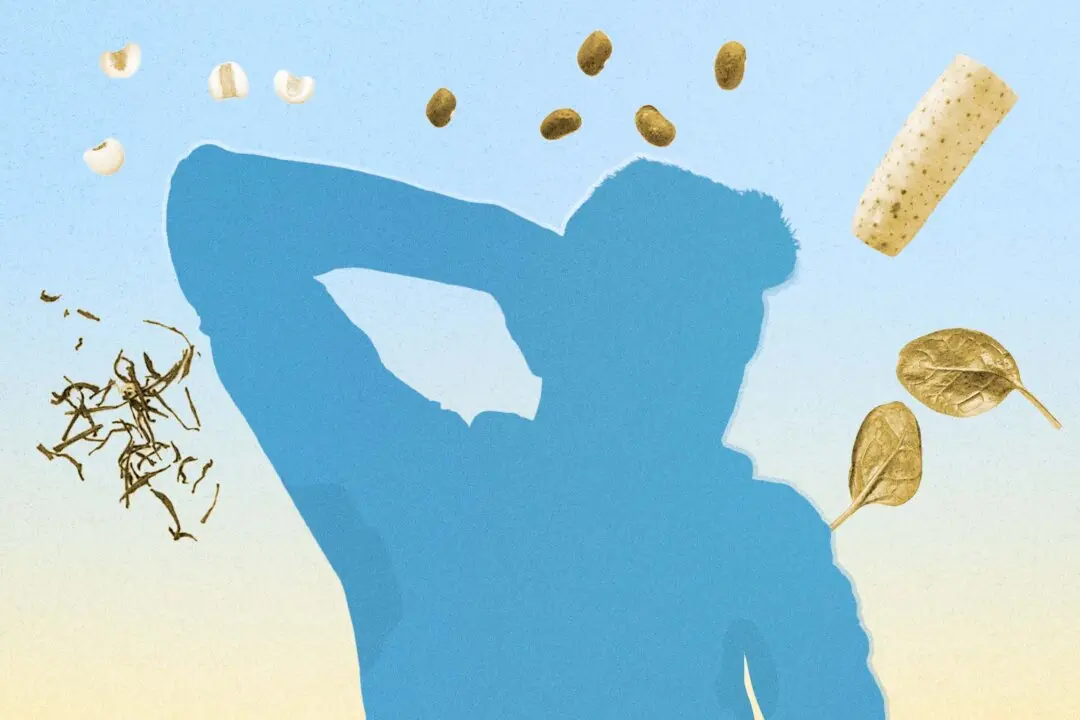
It is crucial to ensure the cleanliness of water sources, drink purified water, and eat thoroughly cooked food. Include foods that strengthen the spleen and eliminate dampness, such as grains like rice, millet, and corn; legumes like red beans, mung beans, white hyacinth beans, soybeans, and black beans; and starchy foods like potatoes, sweet potatoes, and lotus seeds. Aim for a balanced and varied diet.Additionally, it is recommended to eat locally grown foods, as they are enriched by the nutrients of the local soil and climate, providing natural energy that supports overall health.
3. Exercise in Moderation
Choose an exercise that suits your health, age, and living environment—options may include meditation, walking, jogging, aerobics, stretching, or various sports. Intensity should be personalized and kept at a moderate level. From a TCM perspective, Rong recommends exercising until you sweat lightly in spring, breaking more of a sweat in summer, and stopping just before sweating in autumn and winter to best support overall health.4. Avoid Prolonged Sitting or Lying Down
Sitting for extended periods can harm muscles and affect spleen health, Rong noted. She suggests standing up every one to two hours to move around, drink water, stretch, or take a short walk.5. Follow a Regular Meal Schedule
In TCM, it is emphasized that diet should be regular and moderate: a full breakfast, a balanced lunch, and a lighter dinner. Breakfast should be substantial, and include high-protein and starchy foods, lunch should focus on protein-rich foods, while dinner should be lighter, as less energy is needed at night.It is also important to avoid thinking about work or other tasks while eating, as this can harm the spleen and stomach. When we focus on problem-solving, blood and qi (energy) flow to the brain, leaving the spleen and stomach with reduced circulation, which can impair digestion and absorption. Over time, this may weaken the spleen and stomach.