Homemade wet wipes offer an easy way to save money and reduce waste while limiting exposure to potentially harmful ingredients found in many store-bought options.
Why Make Homemade Wipes
A 2025 study published in the Journal of Hazardous Materials found potentially harmful synthetic antioxidants in baby wipes. These compounds are often used in cosmetic products to extend their shelf life and slow oxidation, helping products remain “fresh” over time. However, unlike natural antioxidants, synthetic antioxidants pose a health risk to humans, affecting the liver, hormones, and the nervous system with repeated use.Types and Materials of Cleansing Wipes
Americans use an abundance of cleansing wipes for both personal care and household cleaning. Most single-use wipes are made from nonwoven materials, such as synthetic plastic fiber blends or natural plant-based fibers.- Cosmetic wipes for skincare and personal hygiene
- Household wipes for cleaning and disinfecting
Grapefruit as a Natural Ingredient
Grapefruit may not be the first ingredient that comes to mind for homemade wipes, but its seed extract and essential oil are commonly used in natural cleaning and skincare products. Known for their refreshing scent and health benefits, including antiviral, anti-inflammatory, antibacterial, antifungal, and antimicrobial properties, which can help keep wipes fresher for longer.
How to Make DIY Wet Wipes
You can make eco-friendly reusable cloth wipes using flannel squares or purchase them online. To keep the wipes moist, you will also need an airtight container; a jar with a lid works as well.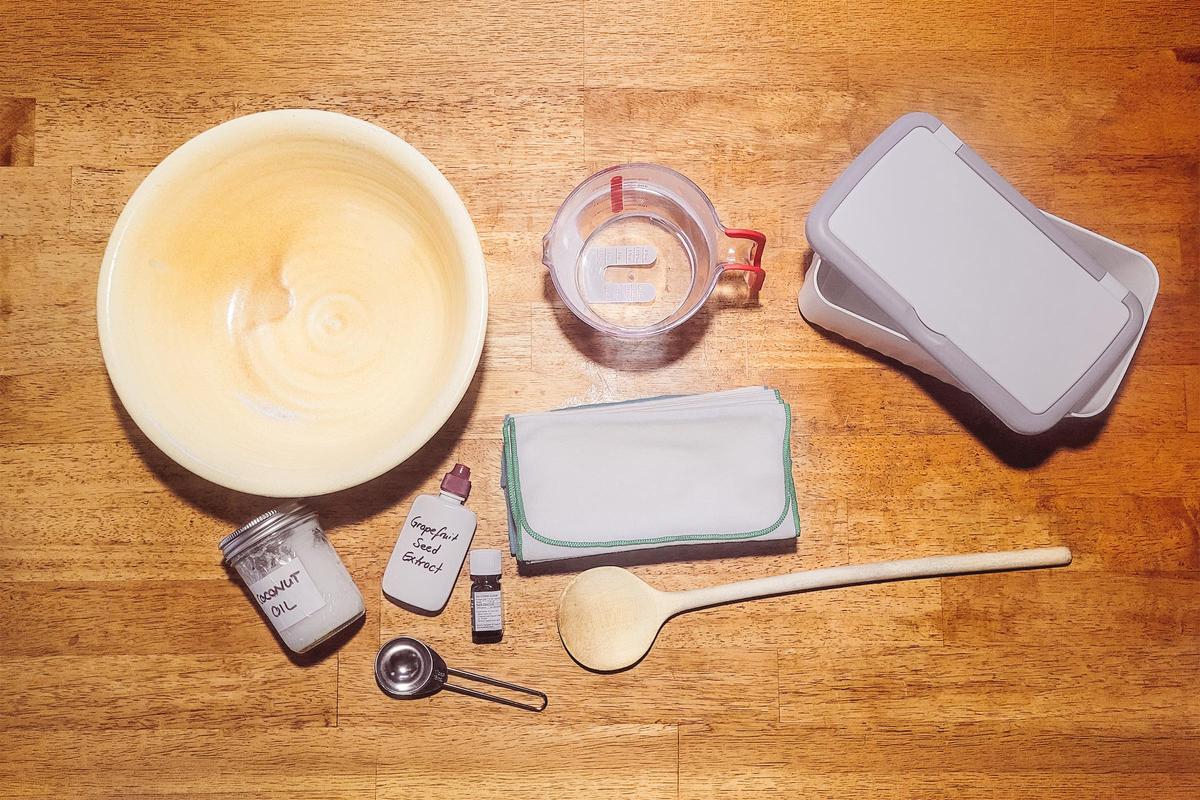
- Large bowl
- 15 to 30 reusable fabric squares (cotton, flannel, or muslin cloth), depending on thickness and container size
- Airtight container for storing wipes
- Spoon or utensil for mixing
- 2 cups warm water (boiled, distilled, or filtered to help prevent mold)
- 1 to 2 tablespoons oil (coconut or almond)
- 1 tablespoon castile soap (for household cleaning wipes only)
- Grapefruit essential oil or grapefruit seed extract: 3 to 10 drops for skin wipes, and up to 20 drops for household cleaning wipes
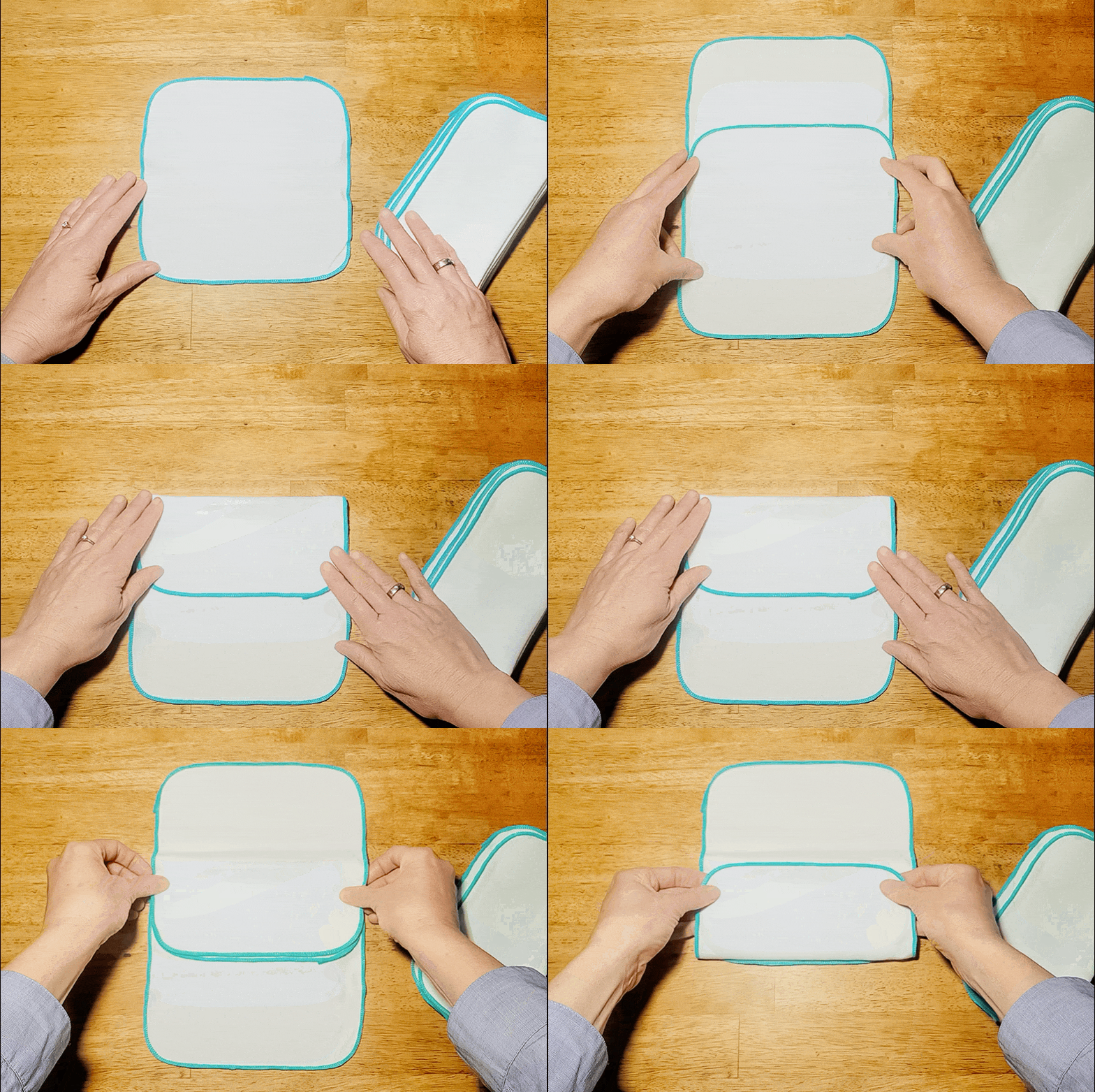
Before starting, pre-fold your fabric squares like below. Doing so allows the fabric to be pulled out easily, like you would with store-bought cleaning wipes.
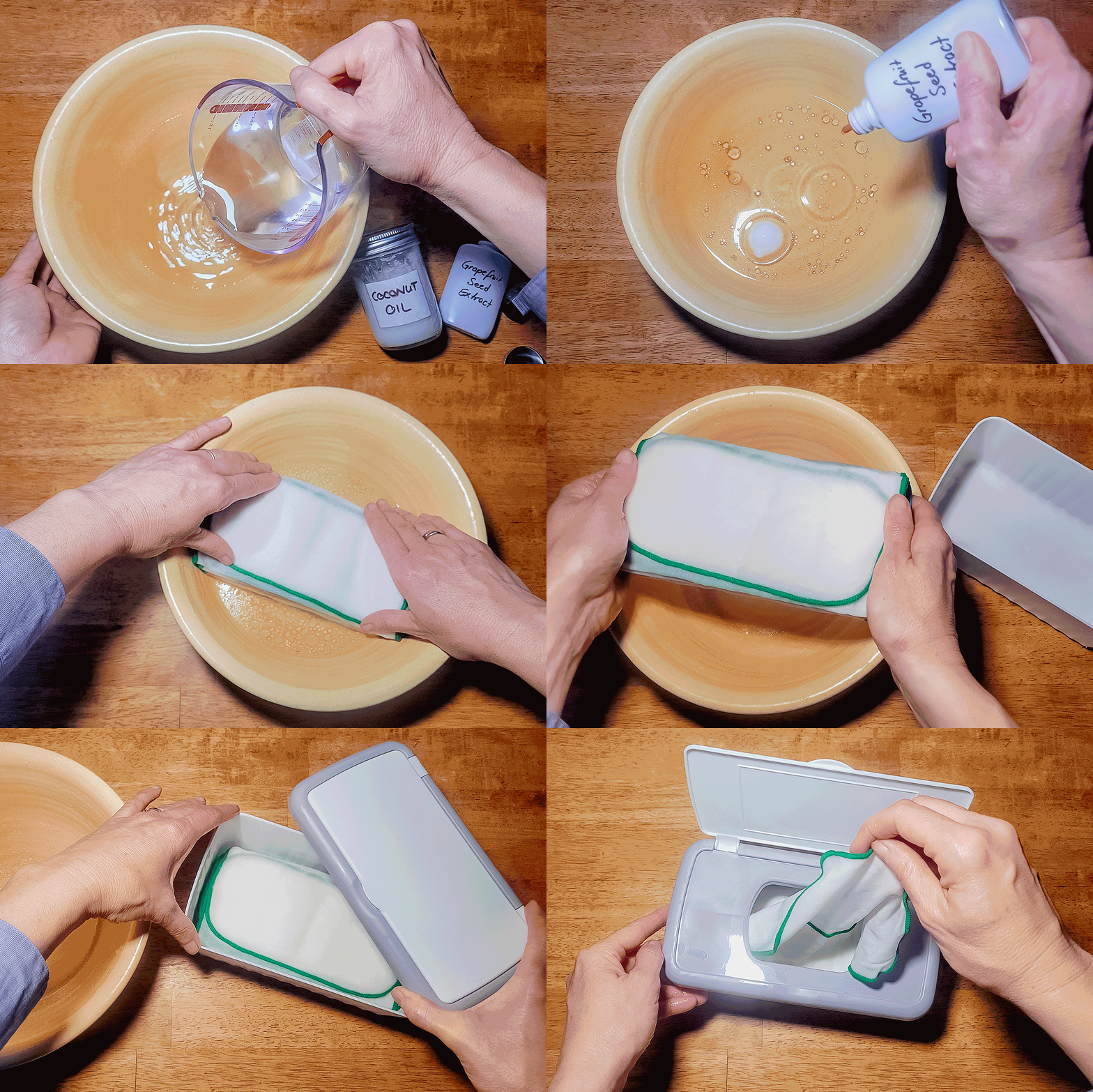
If making wet wipes for sensitive skin or babies, chamomile essential oil is an excellent substitute. For household cleaning, tea tree essential oil works well as a disinfectant.
Test the wipes on a small area of your skin, such as the underside of your wrist, first to ensure that there is no allergic reaction. Essential oils are highly concentrated and should be properly diluted—generally 0.5 percent to 1 percent for babies, children, and people with sensitive skin, and up to 2 percent to 3 percent for healthy adults.
By replacing single-use wipes with reusable ones, you can reduce your exposure to irritating ingredients, cut down on household waste, and save money over time by relying less on disposable products.