The belief that warm feet can help prevent colds and other illnesses might seem strange to many younger than 50 who were not raised in Europe or Asia. However, when I was growing up in Germany, family members and doctors alike frequently reminded me of the importance of warm feet.
If you experience cold feet or want to boost your circulation, a warming herbal footbath is a simple, accessible way to do so. This gentle self-care practice uses warm water combined with herbs that stimulate circulation—such as turmeric, ginger, rosemary, calendula flowers, and fir needles—to encourage blood flow, promote warmth, and support overall well-being.
How the Feet Regulate Temperature and Circulation
The feet play an important role in temperature regulation and circulation. Special blood vessels in the feet, called arteriovenous anastomoses, are tiny direct pathways between arteries and veins that are crucial for temperature regulation by controlling blood flow near the skin’s surface.Nervous System Signaling
In addition to these blood vessels, the feet are richly supplied with nerves. An intricate web of nerve endings and spinal nerves forms the peripheral nervous system, allowing temperature changes in the feet to be rapidly sensed and communicated throughout the body.Why Warming the Feet May Help
Nerve signaling occurs through the autonomic nervous system, which controls involuntary bodily functions such as circulation and heart rate. Conversely, warming the feet appears to promote vasodilation—relaxation of blood vessels—and improved blood flow. An increase in circulation can create a general sensation of warmth and relaxation.Herbs That Stimulate Circulation
A wide range of herbs promote circulation—for this herbal footbath, I chose five ingredients based on both traditional herbal knowledge and modern understanding of their active plant compounds.1. Turmeric
Inflammation negatively affects circulation. Curcumin’s potent anti-inflammatory properties invigorate blood flow, reduce pain, and even soften the skin.2. Ginger
Ginger dilates blood vessels. Its plant compounds, gingerol and shogaol, reduce inflammation, boosting circulation and metabolism—both of which create a warm feeling and raise body temperature.3. Rosemary
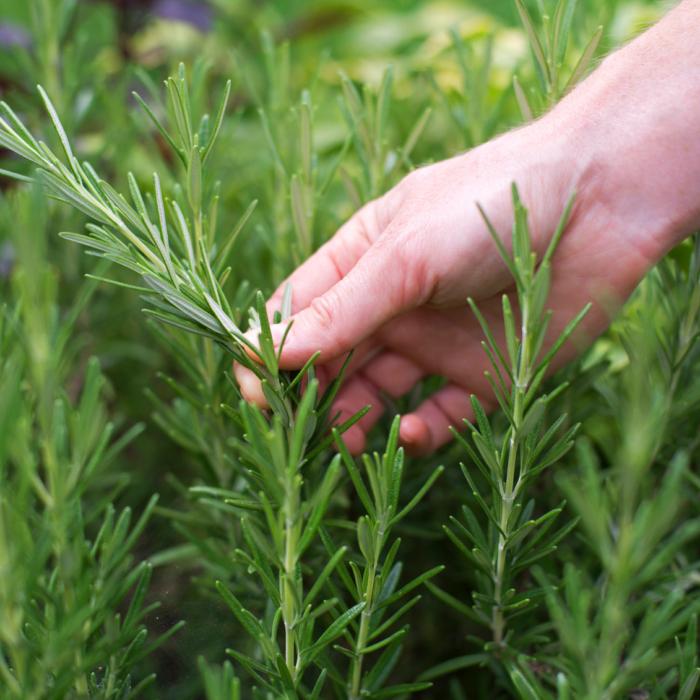
Rosemary is also considered a warming herb that stimulates circulation and the nervous system. It’s a prime choice to remedy cold feet or hands. Especially during the winter months, rosemary can alleviate sluggishness by encouraging blood flow in the body.4. Calendula
Calendula works in a much gentler way but still stimulates circulation and stagnant bodily fluids, meaning that the herb can make things move. Traditional Western herbal medicine, with its roots in the Greek humoral system, considers calendula an herb that is “warming in the first degree.” Calendula warms the celiac plexus nerve block in our abdomen while thinning and moving fluids in the body. At the same time, the flowers of the plant look beautiful floating in the footbath.5. Fir Needles
Fir needles have stimulating and warming properties. However, in this case, it’s more the resins and the essential oil that function as circulatory stimulants. Simply smelling the oils in your water creates warmth and boosts your energy.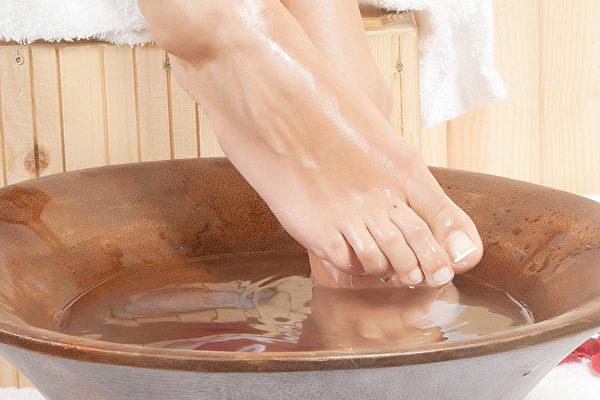
Rising Temperature Herbal Footbath
Footbaths spiked with herbs have an even greater effect. Turmeric, ginger, and rosemary are available in most grocery stores, while calendula and fir (or pine) needles can be purchased at specialty health food stores or online. Using fir needles as an essential oil is ideal if you do not have them readily available in your garden.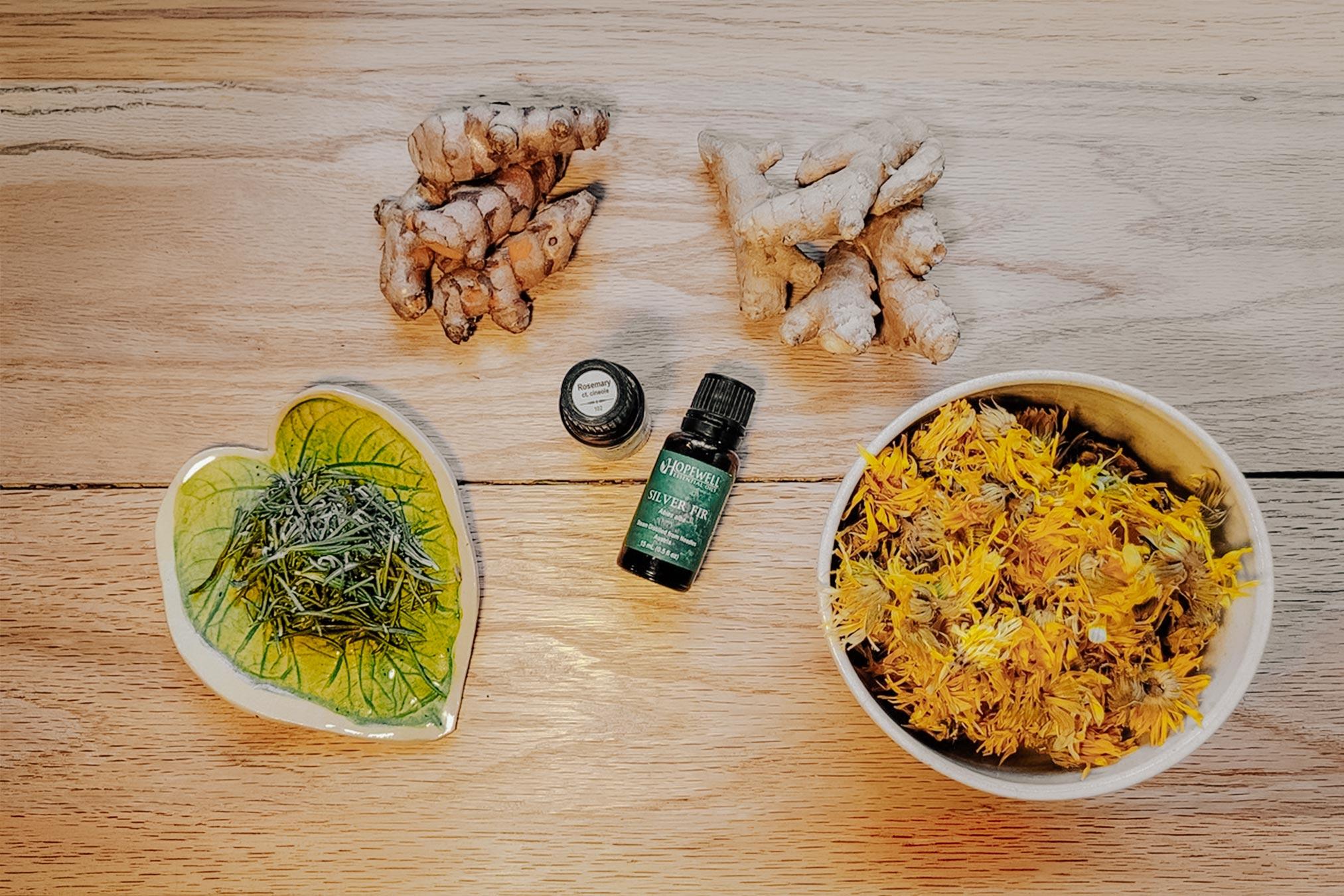
- 1 root ginger
- 2 to 3 roots turmeric
- 1 handful fresh rosemary (or a 1/2-ounce package from the grocery store)
- 1 handful of fir needles (or 5 to 10 drops of fir essential oil)
- 5 to 7 whole flowers of calendula, or the equivalent in flower petals
- Prepare a bowl or pot large enough to hold your feet comfortably, filled with water about two inches above the ankles.
- Start with lukewarm water and gradually increase the temperature.
- Always check the water temperature before adding more hot water.
- The water should remain comfortable and should not exceed 104 degrees Fahrenheit.

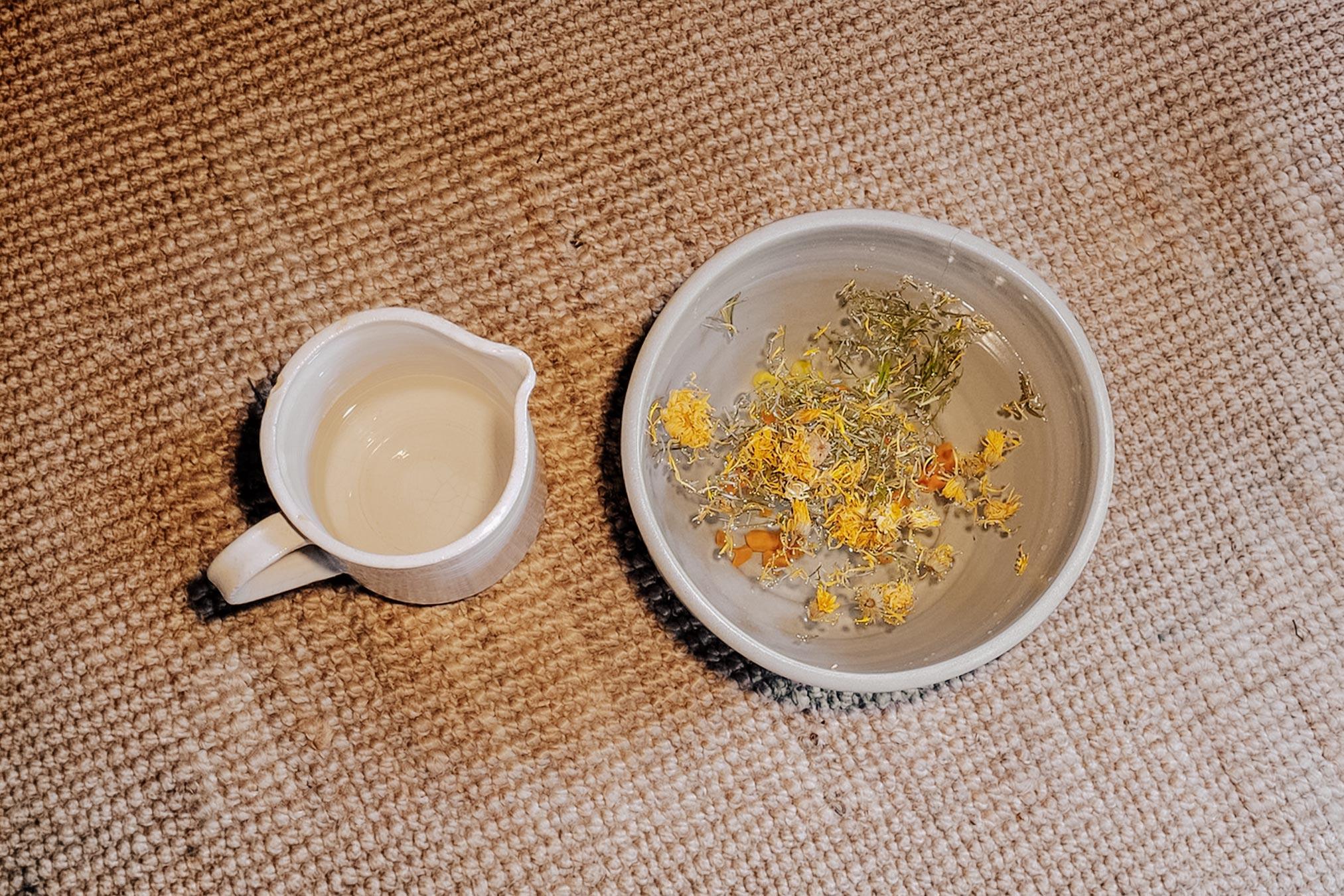
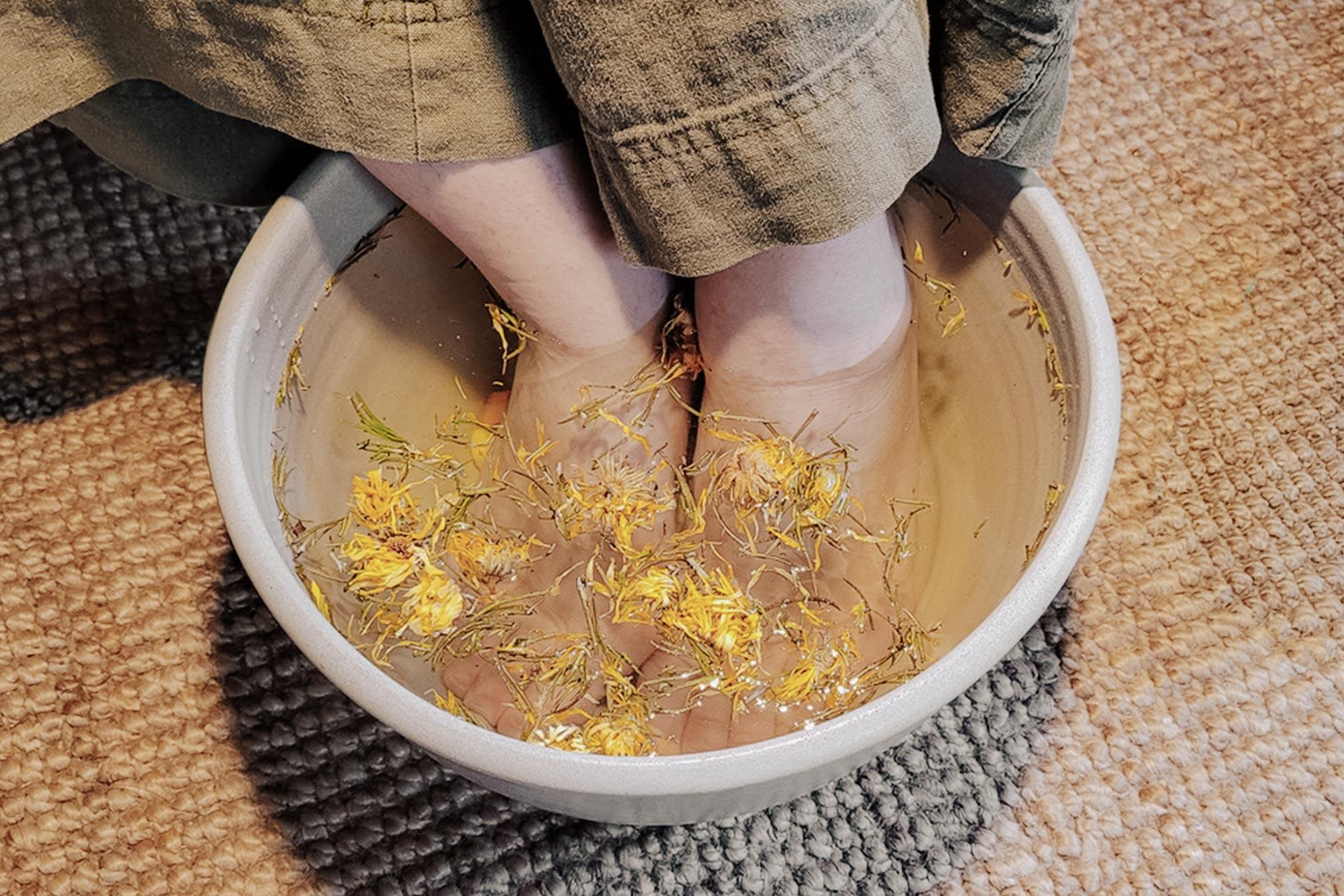
You may choose to elevate your feet on a couple of pillows and take another 15 minutes.
Enjoy!
Herbal ancestral knowledge is ingrained in me, and I like to pass it on. I share it with my children and friends—and now with you—but often receive only raised eyebrows in return. What about the viruses and bacteria that cause the common cold or other illnesses?
Although traditional wisdom is evidence enough for some, others want to understand the mechanisms behind it—and so we should.
Footbaths offer an enjoyable and affordable way to practice self-care, drawing on long-standing traditions and modern hydrotherapy research to support well-being, making them a fantastic addition to your self-care routine.