Bestselling books such as “Wheat Belly” and “Grain Brain” suggest that modern wheat and other gluten-containing grains play a significant role in America’s current health crisis.
Another solution is to find practical ways to make grains healthier.
How Sprouting Grains Works
When a seed grows into a seedling, it goes through a process called germination. Water, oxygen, and the right temperature activate the living part of the seed—the germ—and help it grow.As the seed absorbs water, it swells up and splits open its outer layer. Enzymes then break down the endosperm—the seed’s stored food supply—converting its sugars into usable energy.
The Health Benefits of Sprouted Grains
Germination makes nutrients more readily available and increases levels of antioxidants, fiber, and vitamins C, B, and E.For example, sprouting oats increases levels of protein, minerals such as calcium, iron, magnesium, and zinc, essential amino acids, fatty acids, and vitamin B2. In fact, protein content increases in all sprouted grains and beans.
Sprouting not only transforms seeds into nutrient-dense food but also reduces phytic acid, lectins, and oxalates. These compounds—often referred to as antinutrients—help protect the plant from pests and predators, yet they can interfere with digestion and nutrient absorption in humans.
The same review found that extending the sprouting time of wheat, barley, rye, and oats reduces levels of prolamins, a group of storage proteins found in grains. Prolamins are a major component of gluten and can trigger allergic reactions in some people. Therefore, sprouting may help lower the risk of certain grain sensitivities.

What Can Be Sprouted?
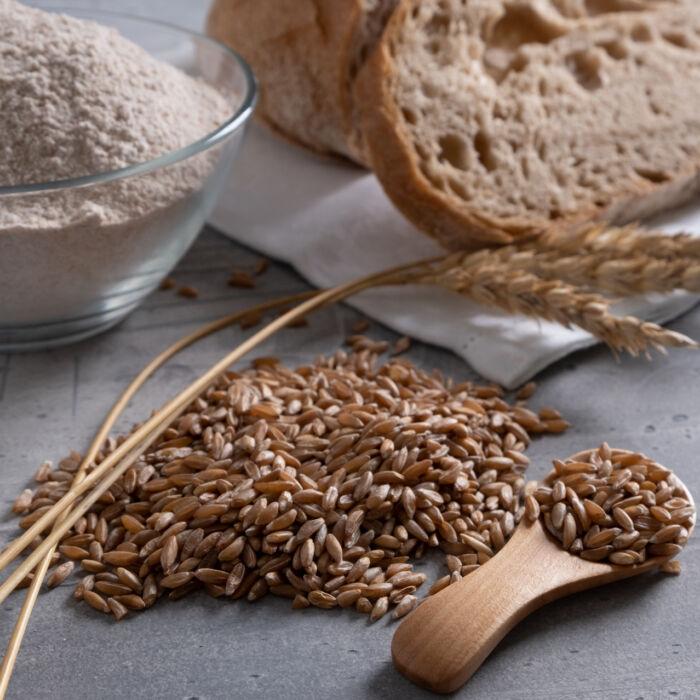
As the world’s most widely grown staple food, grains offer a wide range of sprouting options. Many varieties can be sprouted successfully, though some perform better than others.Below are common grains and their typical sprouting times, along with important notes for best results.
How to Use Sprouted Grains
Sprouted grains can be used in many ways. You can dry them for milling into flour, or cook them directly in soups, stews, salads, and other dishes.Below are common ways to incorporate sprouted grains into everyday meals.
How to Sprout Grains
Sprouting grains is a simple process that transforms ordinary seeds into nutrient-dense foods. With a little time and care, you can prepare sprouted grains at home and incorporate them into your meals.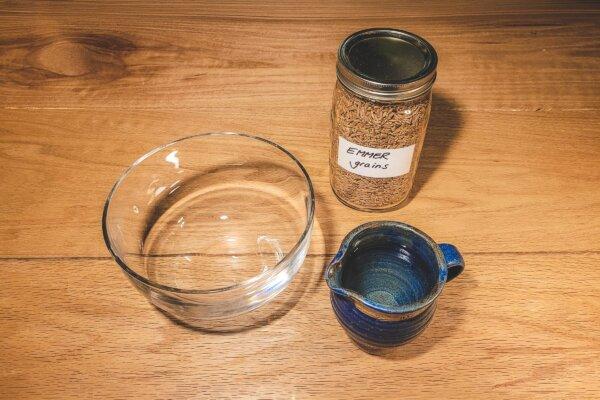
- Grains of your choice
- Bowl
- Water
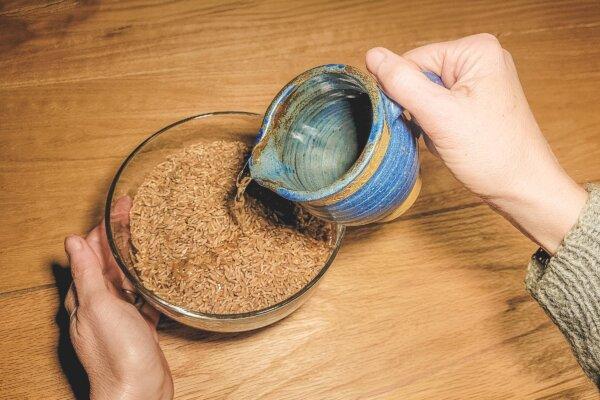
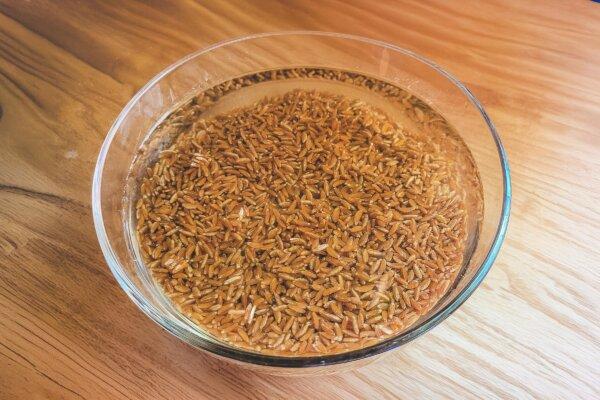
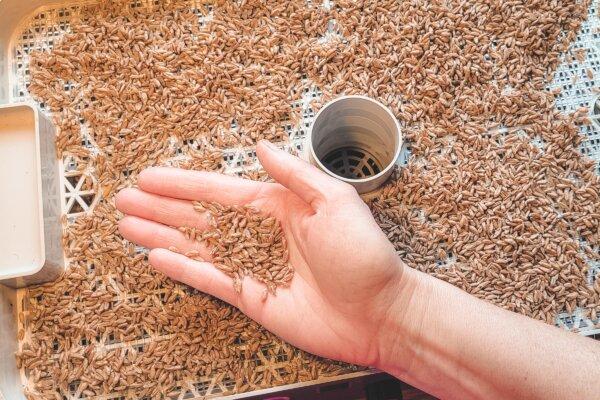
If you plan to mill the grains into flour, dehydrate them in a dehydrator for about eight hours on a low setting (95 degrees Fahrenheit) or in a low-temperature oven at about 100 to 115 degrees Fahrenheit, until completely dry and crunchy. Store dried sprouted grains in an airtight container for up to six months.
Safety Note
Always inspect your sprouts for signs of mold. Because sprouting requires warm, humid conditions, grains can be susceptible to mold and foodborne bacteria such as E. coli and Salmonella. To eliminate the risk, use your sprouted grains as soon as possible, thoroughly cook or dry them completely before storing.Once sprouted grains are fully cooked or dehydrated, the risk of foodborne illness is significantly reduced, making them a safe and nutritious option for pregnant women and people with immunocompromised conditions.
You can purchase sprouted grain products at your local supermarket or sprout your own at home to gain added health benefits while still enjoying carbohydrates. Whether store-bought or homemade, sprouted grains add texture, flavor, and nutritional value to everyday meals.