This copy is for your personal, non-commercial use only. Distribution and use of this material are governed by our Subscriber Agreement and by copyright law. For non-personal use or to order multiple copies, please contact The Epoch Times Reprints.
Beet kvass, a traditional fermented drink made from red beets, has long been associated with supporting circulation—the process that delivers oxygen and nutrients through veins, arteries, and capillaries to sustain the body’s daily defenses and overall health. Comparable in color to blood, its deep-red hue may help explain why it has been used for centuries as an ancient blood tonic, an association rooted in both tradition and the natural properties of beets themselves.
Beyond its long history in traditional food cultures, beet kvass is drawing renewed interest as more people explore fermentation and functional foods. A January study found that fermenting beets makes compounds linked to circulation and overall health easier for the body to access.
How Fermentation Changes Beets
Fermented beets have a long history in many food traditions. Eingemacht (or eingemachtes) is a traditional, sweet Ashkenazi Jewish beet preserve, and in India, “gajar ki kanji” is a fermented drink traditionally made from beets and carrots—sometimes called “Indian kombucha.”
What makes beet kvass stand out is its ability to build on the natural health benefits of red beets through fermentation. During this process, Lactobacillus bacteria eat the natural sugars in the beets and turn them into lactic acid. The sugar breakdown turns the roots into a probiotic-rich drink while also shifting the flavor from sweet to tangy.
Fermentation can also affect how the body handles certain compounds in beets. The drink’s color deepens to a pinkish red, and reduced oxalates—naturally occurring plant compounds that can be harder to digest for some people—may make beet kvass easier on the stomach.
Potential Health Benefits
In recent years, beets have been called a functional food. While the term is often used loosely, functional foods provide benefits beyond basic nutrition by supporting normal body function or helping protect against disease.
Beets fall into the functional food category because they contain a range of active compounds. Among the most important are inorganic nitrogen, including naturally occurring nitrates and nitrites. These compounds play an important role in the body, serving as building blocks for proteins, DNA, and RNA, which are essential for muscles, hormones, enzymes, and genetic material.
Because the human body cannot absorb nitrogen from the atmosphere, it must come from the foods we eat. Beets are a rich source of plant-processed nitrogen. Research published in January has linked nitrates from beets to improved blood pressure and blood flow, while antioxidants in beets are known for their anti-inflammatory properties.
How to Make Beet Kvass
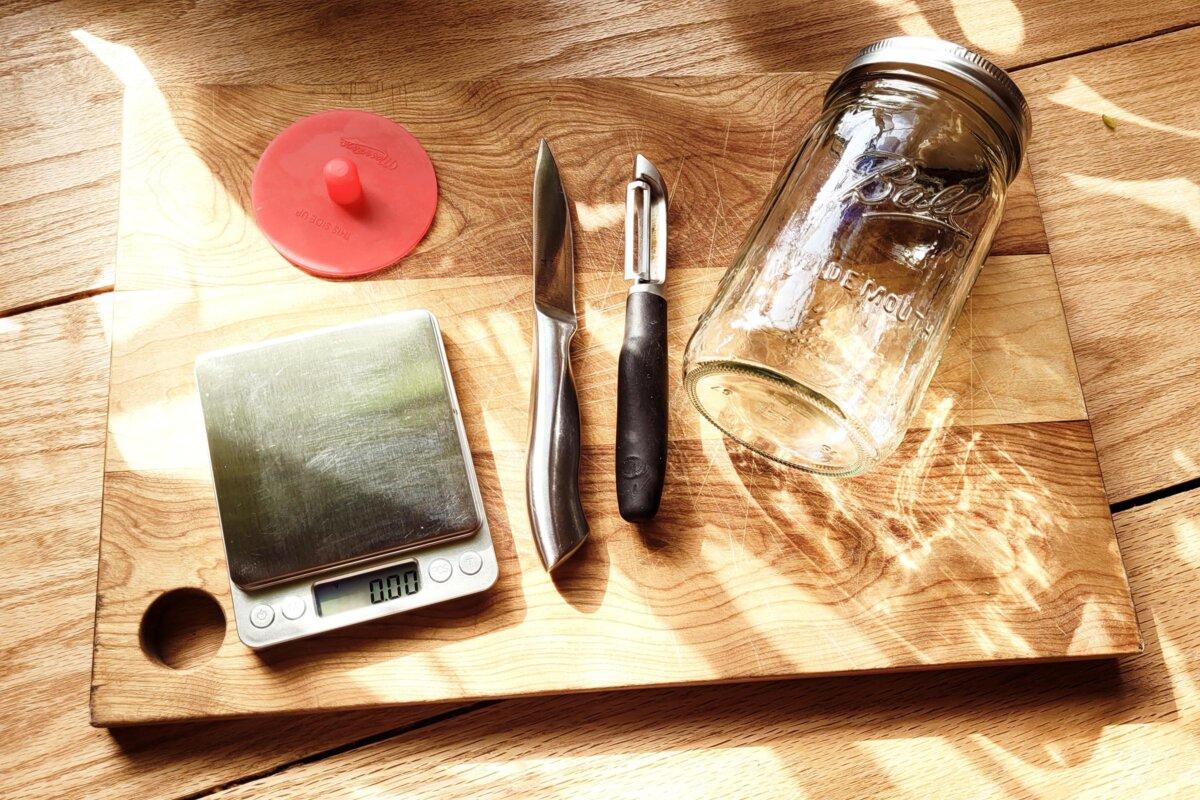
Before you set out to make this tangy fermented root drink, you'll need a few basic tools. You can also prepare the fermentation brine ahead of time to ensure that the salt has fully dissolved in the water before covering the beet pieces.
Two 32-ounce wide-mouth jars, with fermentation lids
Cutting board
Knife
Peeler
Kitchen scale
Note: Red beets will stain hands and utensils, especially wooden cutting boards.
Ingredients
5 to 7 beet roots, depending on size
1 to 1 1/2 tablespoons of Kosher salt (I used Himalayan pink salt)
About 34 ounces of distilled or filtered water (chlorine in city water can interfere with fermentation)
Optional: 1 to 2 inches peeled and sliced ginger or the peel of 1 organic orange
Instructions
Step 1: Remove any leaves and trim both ends of the beet roots. Wash thoroughly to remove any soil residue.
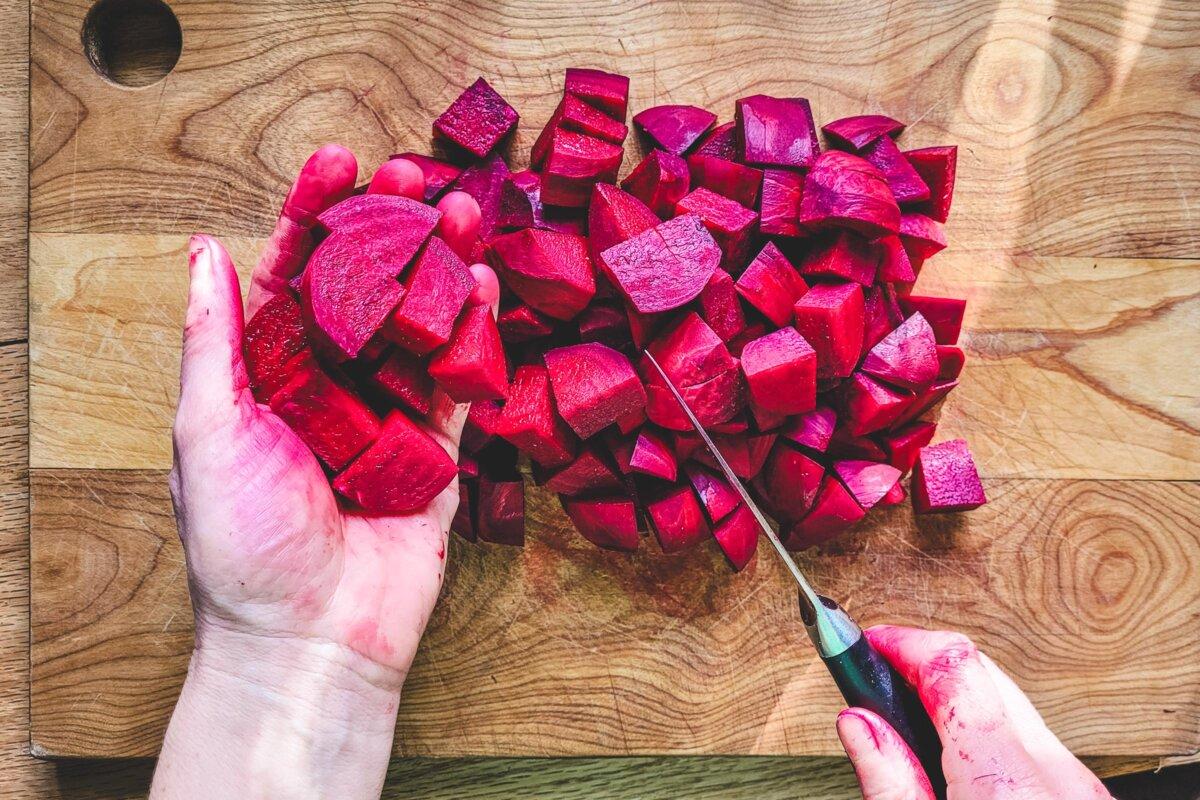
Step 2: Peel the beets, then cut them into 1-inch pieces.
Courtesy of Alexandra Roach.
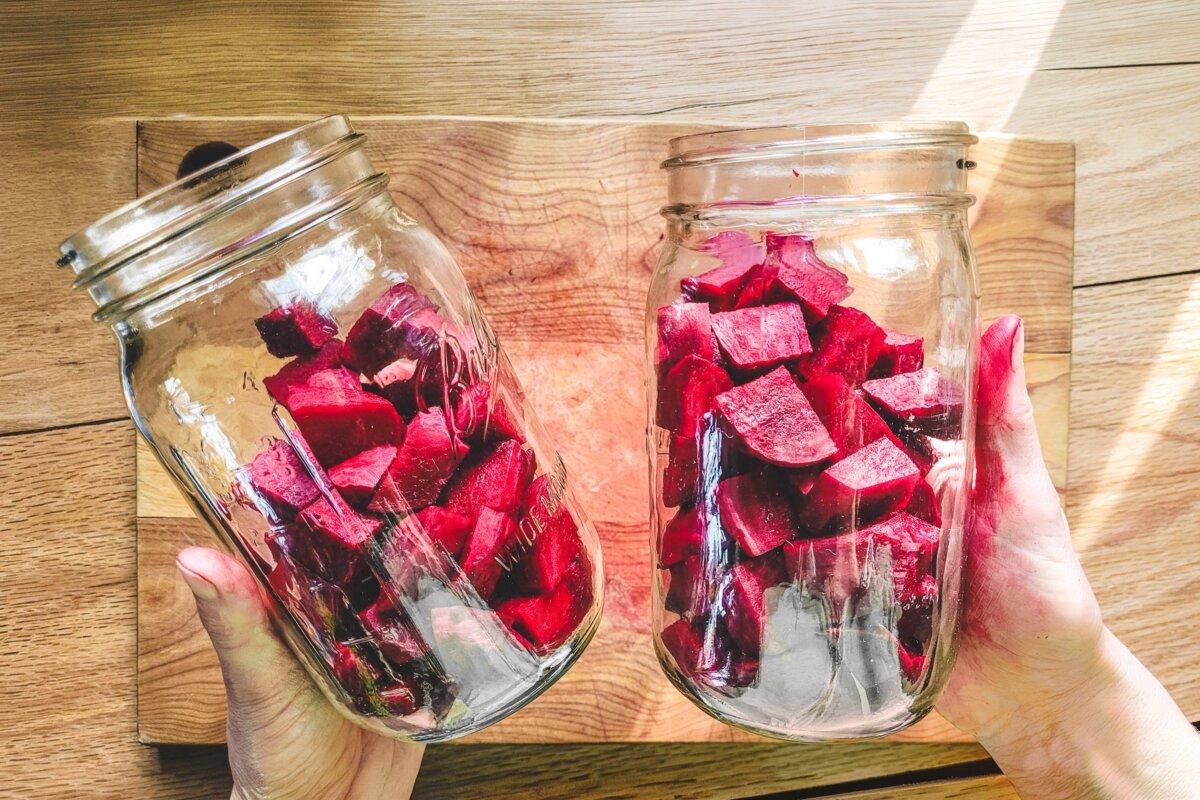
Step 3: Fill the two jars with beet pieces and optional sliced ginger or orange peel.
Courtesy of Alexandra Roach.
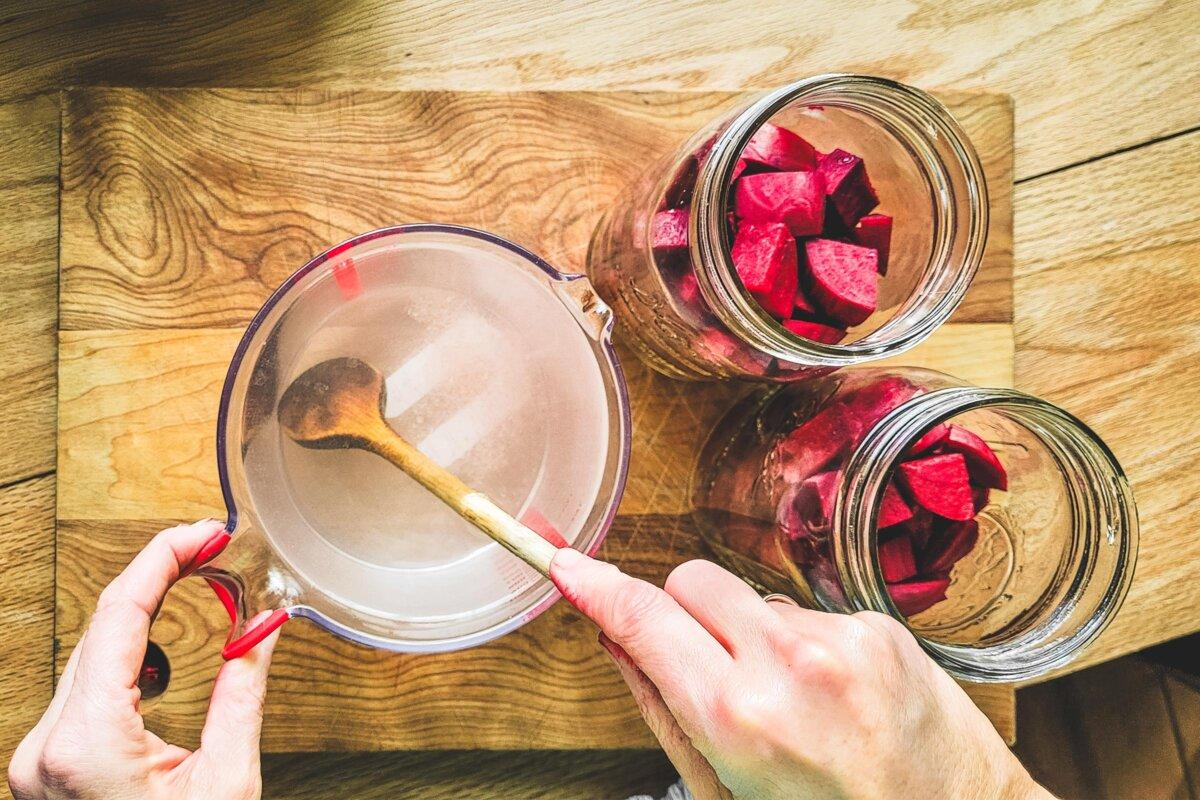
Step 4: Make the salt brine by dissolving salt in distilled or filtered water. Pour the brine evenly into each jar, making sure the beets are fully submerged.
Courtesy of Alexandra Roach.
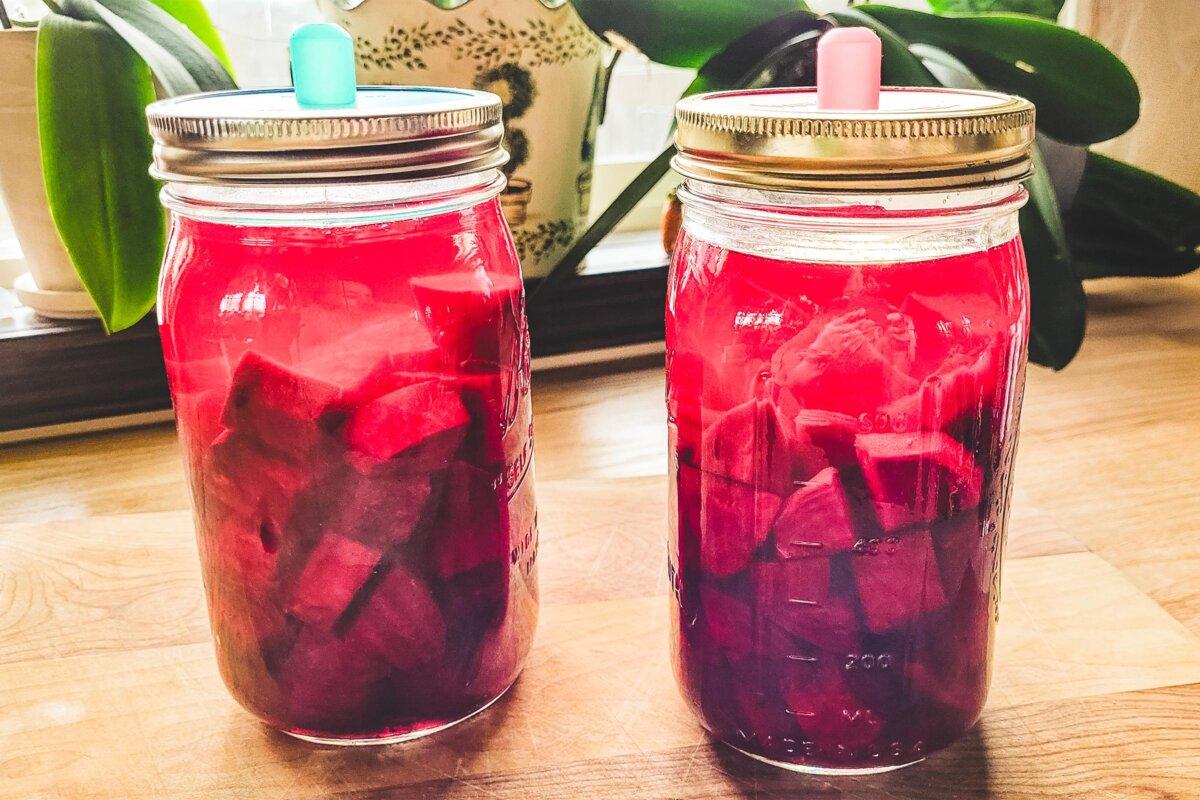
Step 5: Secure the fermentation lid tightly. As fermentation begins, bubbles may form—this is normal. There is no need to “burp” the jar when using a fermentation lid. If using a standard lid, open the jar periodically to let gases escape.
Courtesy of Alexandra Roach.
Step 7: Once your beet kvass is finished, strain the beet pieces from the liquid into a separate bottle and refrigerate for up to four weeks.
You can take a daily “shot” of beet kvass or enjoy it in small amounts (about 4 ounces) up to twice a day, when you need a boost.
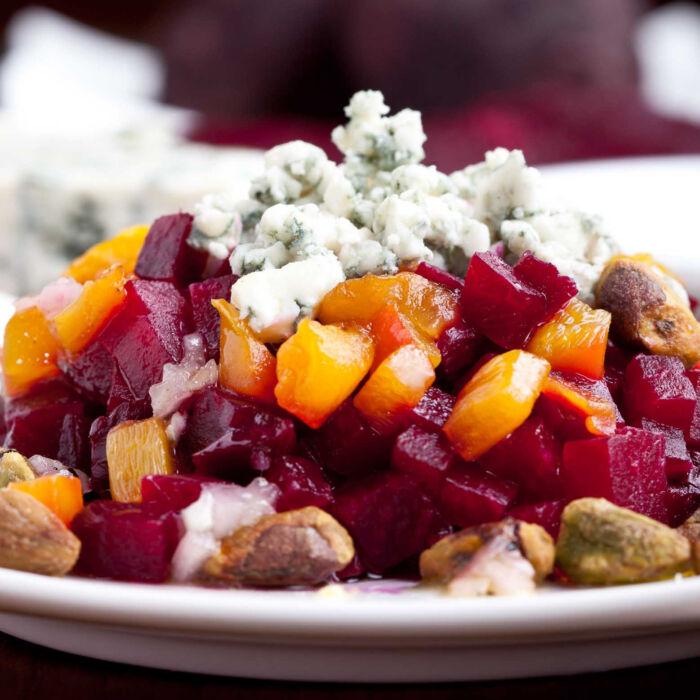
Save the fermented beet pieces—they are nutritious and delicious. You can shred them in a food processor and add them to your next salad!
Note: Eating beets or fermented beet juice can temporarily affect the color of your stool and urine. Don’t be alarmed—this is normal and should go away after digestion.
Including beet kvass in your daily diet offers a simple way to explore both fermentation and the natural properties of beets. Whether your interest is in supporting circulation, adding fermented foods into your diet, or learning a traditional preservation technique, this time-honored drink offers an easy place to start.
Views expressed in this article are the opinions of the author and do not necessarily reflect the views of The Epoch Times. Epoch Health welcomes professional discussion and friendly debate. To submit an opinion piece, please follow these guidelines and submit through our form here.
Alexandra Roach
Author
Alexandra Roach is a holistic health practitioner, community herbalist, and master gardener. She studied sustainable food and farming and lives with her family on an off-grid permaculture homestead. Roach works as a journalist and author, and writes with a broad perspective on health, gardening, and lifestyle choices.