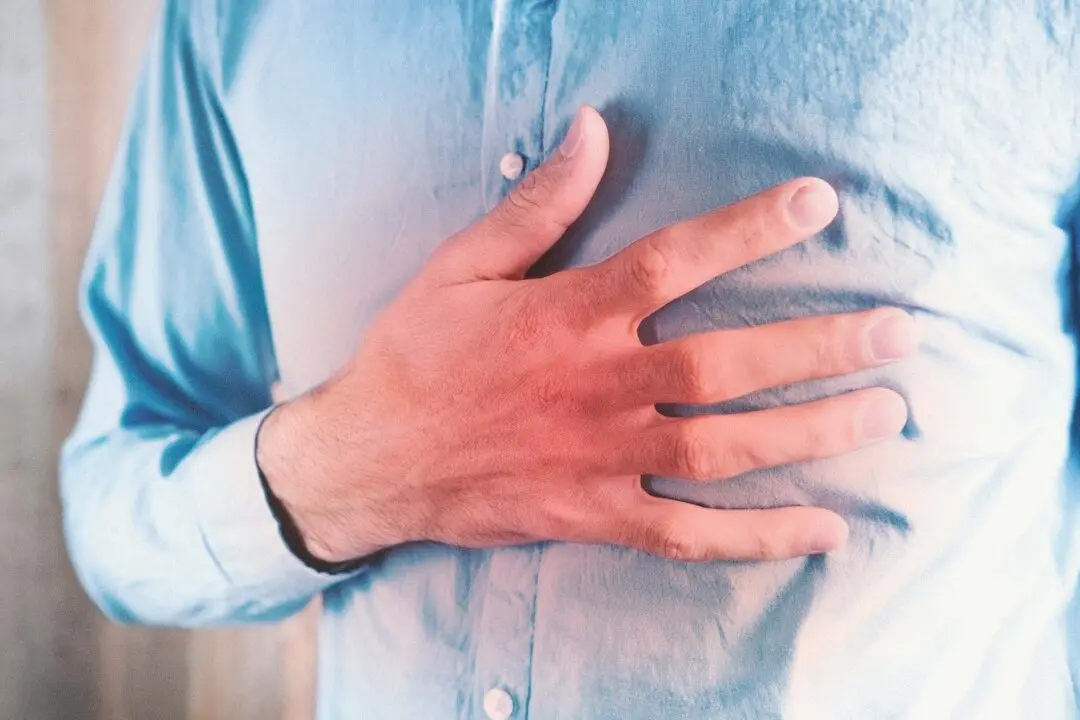
Mr. Lim, a 60-year-old man with high blood pressure and high cholesterol, maintained a daily running routine and engaged in weekly hikes to enhance his cardiovascular health. One day, amidst a sudden cold snap, he embarked on a mountain climb without wearing adequate clothing. Halfway through the hike, he suddenly felt as though a heavy stone was pressing on his chest—a heart attack had struck. Thankfully, he was saved by the prompt first aid administered by his companions.
Winter is the peak season for cardiovascular diseases. The low temperature and significant temperature fluctuations lead to vasoconstriction and increased blood pressure, elevating the risk of heart attack and stroke. A study in the United Kingdom found that for every 1.8 F (1 C) drop in temperature, there is a daily increase of 200 cases of myocardial infarction (heart attack). Older people and those with a history of coronary heart disease are particularly vulnerable to changes in weather.
This highlights the importance of staying warm for patients with cardiovascular diseases and older people. They can also mitigate the risk of stroke and heart attack through acupressure massage, a healthy diet, and regular exercise.
Protecting 3 Key Body Parts to Prevent Internal Cold
According to traditional Chinese medicine (TCM), it is essential to “conceal” key body parts in winter to prevent internal organs from exposure to wind-cold. Specifically, maintaining warmth in the neck, abdomen, and soles contributes to the prevention of strokes and heart attacks. Here is how to do so:- Neck: It is recommended to wear a scarf to keep the neck warm and prevent exposure to the wind. This helps prevent strokes and protects the throat from wind-cold, minimizing the risk of coughing.
- Abdomen: The abdomen serves as the body’s energy center and should be protected even in summer to prevent the navel from being exposed to the wind. Keeping the navel warm helps prevent internal organs from exposure to wind-cold, enhances digestive functions, and reduces the risk of a heart attack. For children prone to kicking off blankets during sleep, consider dressing them in a belly band to protect their stomachs from wind-cold.
- Soles: The soles are located at the extremities of the body’s circulation and furthest from the heart, housing many acupoints. Exposure to wind-cold, dampness, or chilly winds can lead to peripheral vasoconstriction, elevated blood pressure, and even the formation of arterial plaques and blood clots, posing a risk of heart attack or stroke. Therefore, wearing proper shoes and socks and avoiding going barefoot or wearing sandals when going out is recommended.
Recommended Foods During Winter Season
For those experiencing cold limbs during winter, even with additional layers, incorporating hot-natured foods into the diet can help boost the body’s resistance to cold. In TCM, foods are categorized into cold, hot, warm, and cool. Warm- and hot-natured foods contribute to warming the body, making them suitable for consumption in winter. The autumn and winter seasons mark the harvest of root vegetables. Consuming seasonal foods is also a vital principle in TCM for overall well-being. Consider the following foods:- Meat: Lamb and beef, both warm-natured, are rich in proteins and fats, providing high calories and effective resistance against the cold.
- Root vegetables: Carrots, sweet potatoes, burdock, potatoes, Chinese yam, and other root vegetables are rich in fiber and vitamins. When cooked with meats, they provide resistance against the cold and help offset the potential impact of high cholesterol from the meat.
3 Types of Heart-Healthy Foods
When it comes to preventing heart attacks and strokes, consuming heart-healthy foods is crucial. The following foods are heart-healthy:- Red-colored foods: In TCM, red-colored foods are believed to nourish the heart. Foods such as red dates, tomatoes, carrots, and cherries are rich in antioxidants and can promote qi and blood circulation, which benefits the heart.
- Cruciferous vegetables: Cruciferous vegetables, such as cauliflower, broccoli, cabbage, and Chinese cabbage, when consumed alternately each day, contribute to preventing coronary artery disease. A study published in the Journal of the American Heart Association (JAHA) in 2018 involving about 1,000 women aged 70 and above revealed that consuming more cruciferous vegetables helps prevent atherosclerosis. The research found that each additional 10 grams of daily cruciferous vegetable intake led to a 0.8 percent reduction in the carotid artery intima-media thickness, an indicator of atherosclerosis.
- Avocado: Avocado is a highly nutritious fruit containing omega-9 and omega-3 fatty acids. It helps lower bad cholesterol, cleanse blood vessels, enhance vascular elasticity, and maintain vascular health.
Recommended Recipe for Alleviating Rapid Heartbeat
Lily bulb, lotus seeds, and jujube soup is a delicious, sweet dessert that can help alleviate rapid heartbeat.Ingredients:
- 1 ounce (30 grams) lily bulb.
- 1 ounce (30 grams) lotus seeds.
- 9 pieces red dates.
- 34 fluid ounces (1,000 milliliters) water.
- (Optional) Rock sugar.
Effect: This dessert has the benefits of clearing heart fire, moistening the lungs, replenishing qi and blood, calming the spirit, and enhancing complexion when consumed.
Relieve Heart Discomfort With These 2 Acupoints
If you experience heart discomfort, such as chest tightness, pain, irregular heartbeat, or rapid heart rate, pressing on two specific hand acupoints can help alleviate symptoms while awaiting professional medical assistance.
Neiguan acupoint. The Epoch Times
Neiguan Acupoint
This is located on the inner side of the wrist, three fingers’ width up from the wrist crease, between the two tendons on the wrist. Pressing on the Neiguan acupoint can enhance blood flow to internal organs and alleviate symptoms like palpitations and chest pain.


Yangxi acupoint. The Epoch Times
Yangxi Acupoint
This is located on the outer side of the hand, below the thumb, and in the depression where the palm meets the wrist. Pressing on the Yangxi acupoint can help improve symptoms such as irregular heart rhythms and rapid heartbeat.Frequent palpitations indicate a need for nourishing the blood and heart. In addition to dietary considerations, it is essential to maintain a positive mood and avoid staying up late and overworking.
3 Heart Care Tips During High-Risk Periods
A study from Harvard Medical School found that myocardial infarction, stroke, angina, ventricular arrhythmias, and sudden cardiac death follow a circadian rhythm, with the highest risk occurring between 6 a.m. and 12 p.m. This increased risk is influenced by factors such as the biological clock and mental stress, rendering the cardiovascular system more vulnerable in the morning.Therefore, it is crucial to cultivate the following habits in daily life:
- Put on a jacket during certain periods: When using the restroom at night or getting up in the morning, put on a robe or jacket to keep the body warm.
- Warm up before morning exercise: For those who prefer morning workouts, be cautious not to increase the intensity abruptly. Spending 10 to 15 minutes warming up is advisable, allowing your body to reach a comfortable temperature before starting the exercise. In freezing weather, individuals with cardiovascular diseases should exercise indoors to minimize exposure to the cold wind.
- Drink water before bedtime: Drinking a small amount of water before sleep helps dilute the blood, preventing heart attack and sudden strokes caused by thickened blood.