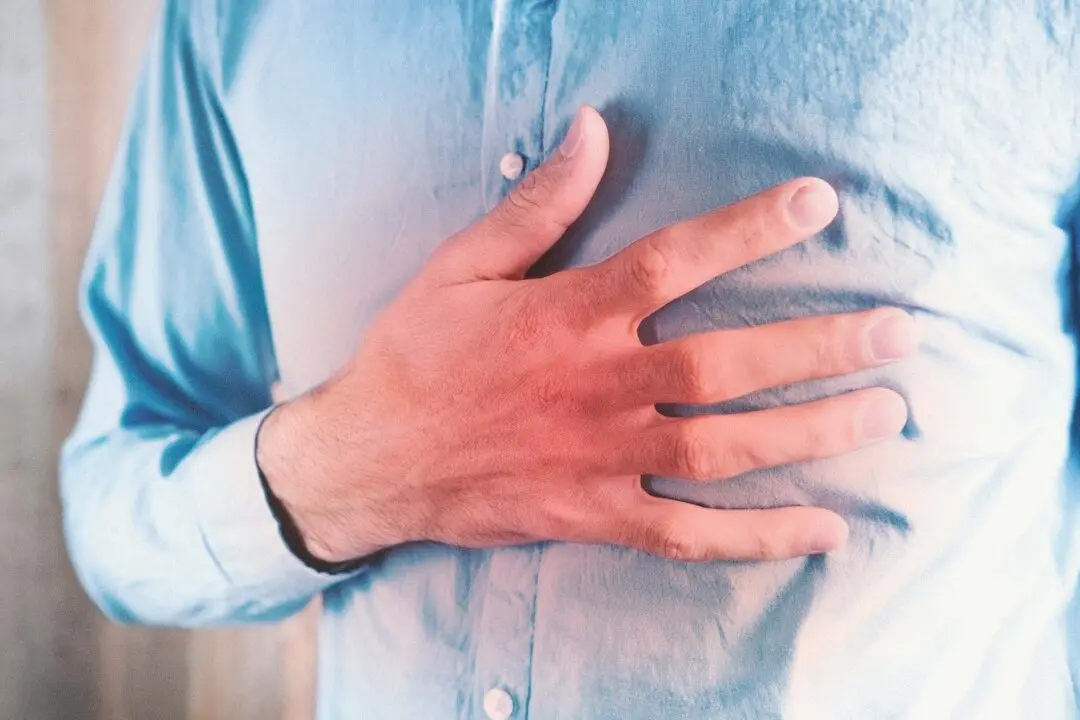
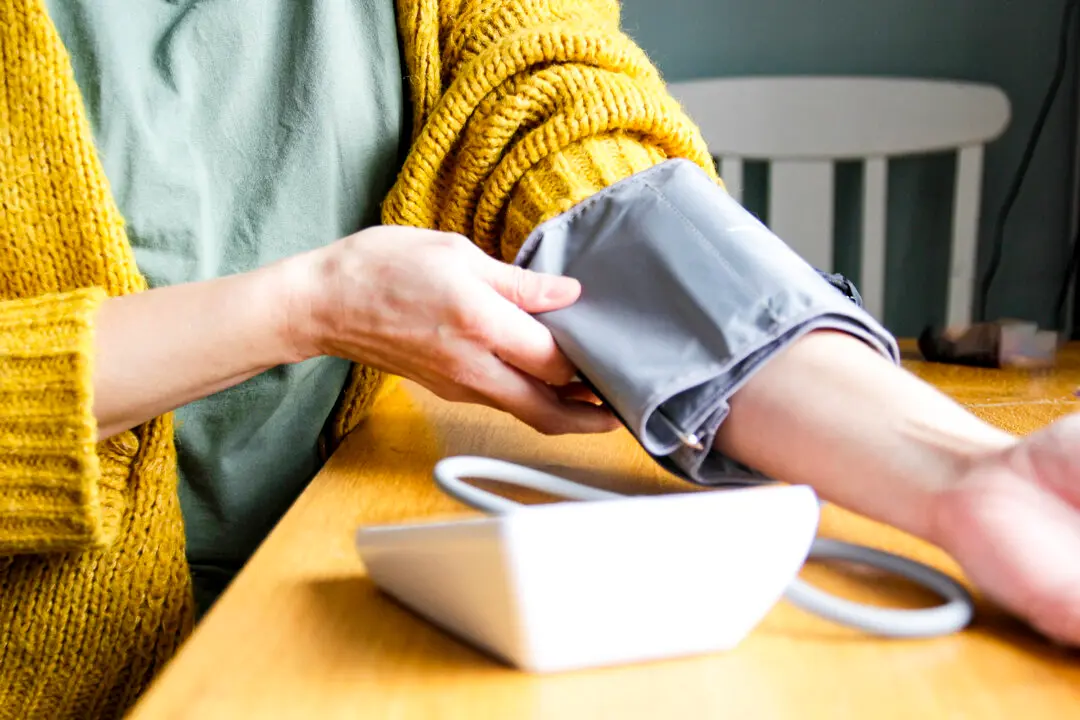
Heart attack risk rises during the winter months, when cold temperatures cause blood vessels to constrict and increase strain on the cardiovascular system. Medical experts emphasize that symptoms such as chest pain, shortness of breath, or sudden palpitations require immediate medical attention.
Heart-Related Acupoints
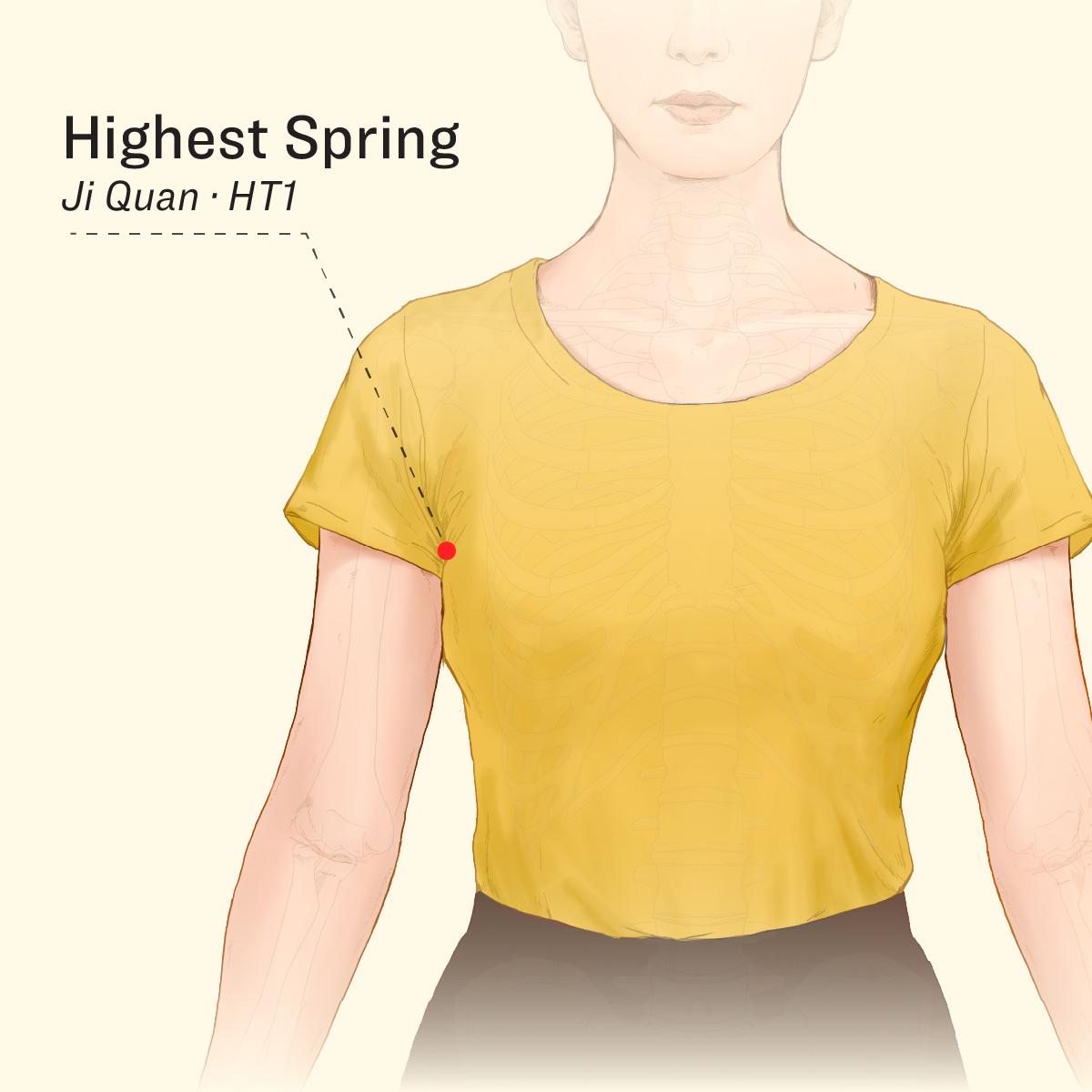
In traditional Chinese medicine, certain acupoints are believed to support circulation and regulate the flow of qi (vital energy) associated with the heart meridian. Practitioners sometimes use these points as part of preventive care or routine wellness practices.One example is Ji Quan (HT1).

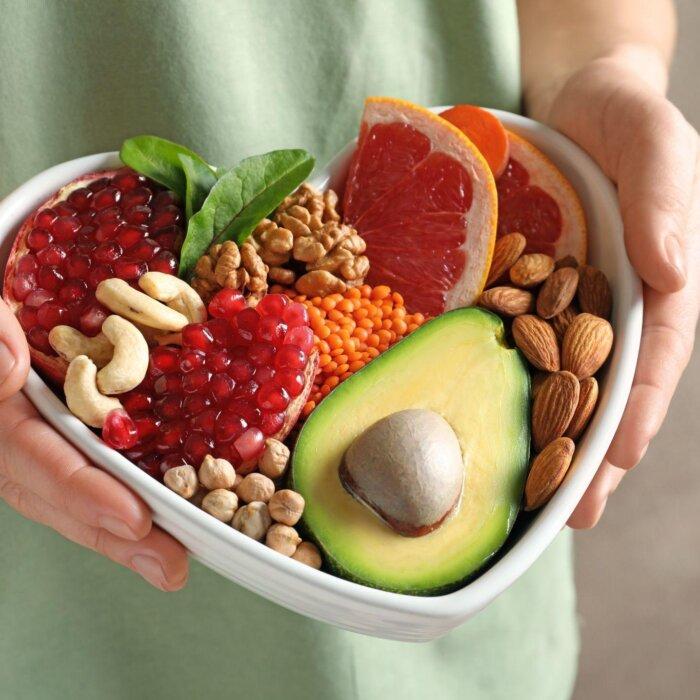
Key Acupoint for Better Sleep
A recent news report described a college student with high blood pressure and prediabetes who habitually stayed up late gaming during summer break and suffered a stroke at a young age.Chronic sleep deprivation can damage blood vessels and place excessive strain on the heart.
However, sleeping longer is not always better. People who sleep six hours per night may have a lower risk of myocardial infarction than those who sleep more than nine hours.
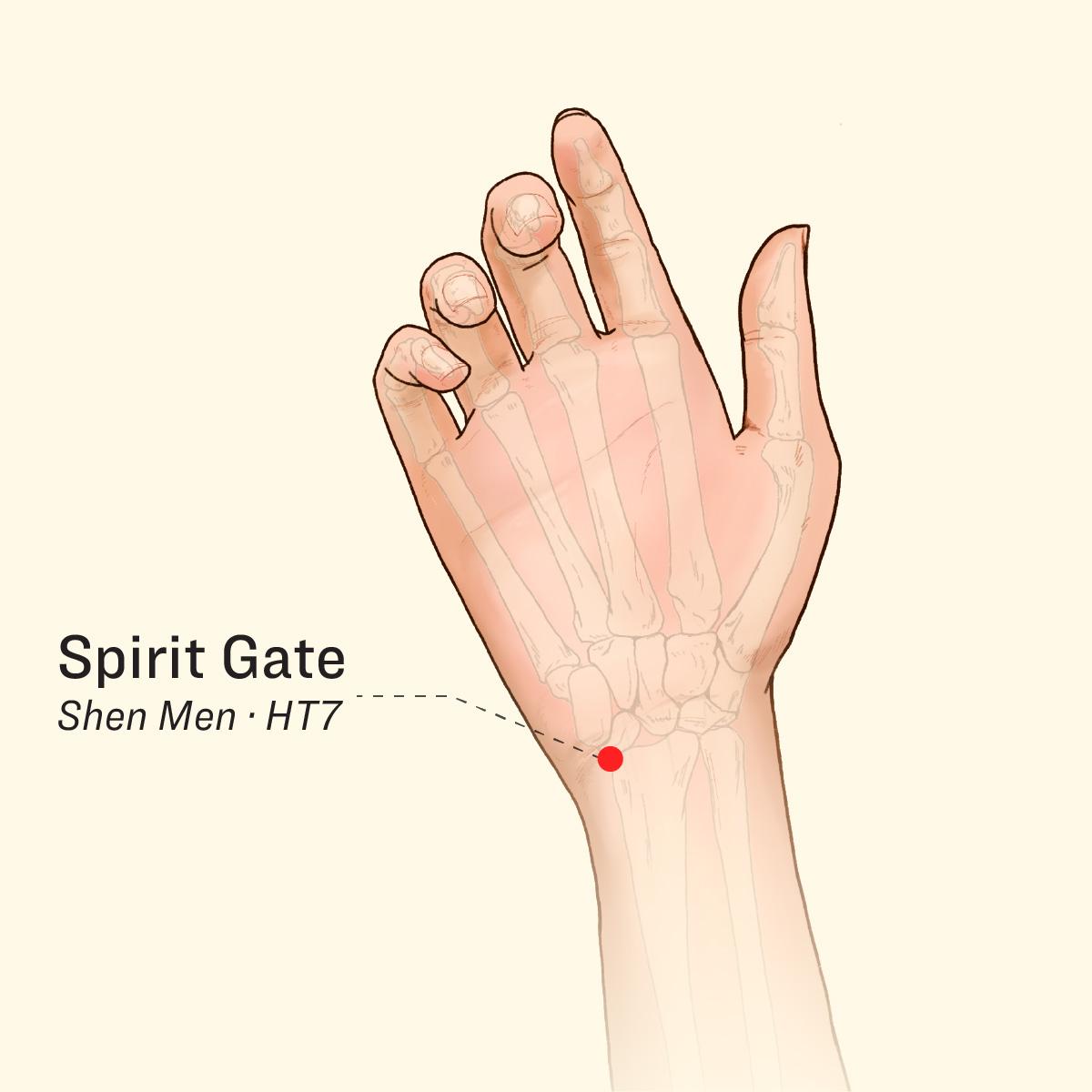
Massaging the shen men (HT7) acupoint on both hands for one to two minutes before bedtime may help calm the mind, promote sleep onset, and improve overall sleep quality.
People at High Risk of Myocardial Infarction
The following four groups are at higher risk of myocardial infarction:- Adults in their 50s and 60s
- People with high blood pressure, high blood sugar, high blood lipid levels, or a family history of these conditions
- People with poor lifestyle habits, such as smoking, chronic overwork, or long-term sleep deprivation
- People with infections or inflammatory conditions
A simple self-check may help assess blood vessel elasticity: Clench your fist tightly for a few seconds, then release it and observe how quickly the color returns to your palm.
Dietary Remedy for Preventing Stroke and Myocardial Infarction
To help improve vascular elasticity and promote healthy blood circulation, a traditional preparation is often recommended:Black Fungus, Red Date, and Ginger Soup
Ingredients- 1 to 2 pieces of fresh black fungus
- 6 slices of aged ginger
- 15 red dates lightly scored with two cuts
- Add all ingredients to approximately 41 fluid ounces of water.
- Place the mixture in an electric cooker and add 1½ cups of water to the outer pot.
- Cook until the cooker switches off automatically, then serve warm.
If using a stovetop instead of an electric cooker, add the ingredients to approximately 61 fluid ounces of water in a pot. Bring to a boil, reduce heat, and simmer for about 30 minutes.
Homemade preparations made with the above ingredients are recommended as alternatives to commercially available fruit juices, sugar-sweetened beverages, and alcoholic beverages.
Winter Precautions for Cardiovascular Health
Cold winter weather increases the risk of both myocardial infarction and stroke.The study also identified a strong association with ambient temperature: the lower the temperature, the higher the risk. Based on these findings, researchers advise older adults to avoid bathing during extremely cold weather.
Avoid Bathing Immediately After Returning Home
Taking a hot shower immediately after coming in from the cold can cause abrupt temperature changes, leading to sudden dilation of blood vessels. This may pose a serious risk for people with cardiovascular conditions.Keep Warm Immediately After Bathing
A reported case involved a man in his 30s with high blood pressure who stepped onto a cold floor after bathing and suddenly developed a headache, weakness on the right side of his body, and slurred speech. He was later diagnosed with a stroke.Prepare Warm Clothing by Your Bedside
When getting up at night or in the early morning, move your arms and legs while still in bed to warm up before standing.Keep warm clothing within reach by the bedside and put it on before leaving the bed.
Cold weather places additional stress on the cardiovascular system, making prevention especially important during winter months. Maintaining healthy lifestyle habits and seeking prompt medical care when symptoms arise remain the most effective ways to protect heart health.
Traditional Chinese medicine offers perspectives on seasonal wellness, but any sudden chest symptoms should always be treated as a medical emergency requiring immediate professional care.