Mistake 1: Exercising Right After Waking Up
Blood pressure naturally starts to rise in the morning. Research has shown that people who experience a greater morning surge in blood pressure are more likely to suffer from strokes. For those with high blood pressure or high cholesterol, exercising immediately after waking can trigger a sharp spike in blood pressure, increasing the risk of heart attacks and strokes, Fujiwara said.Recommendation:
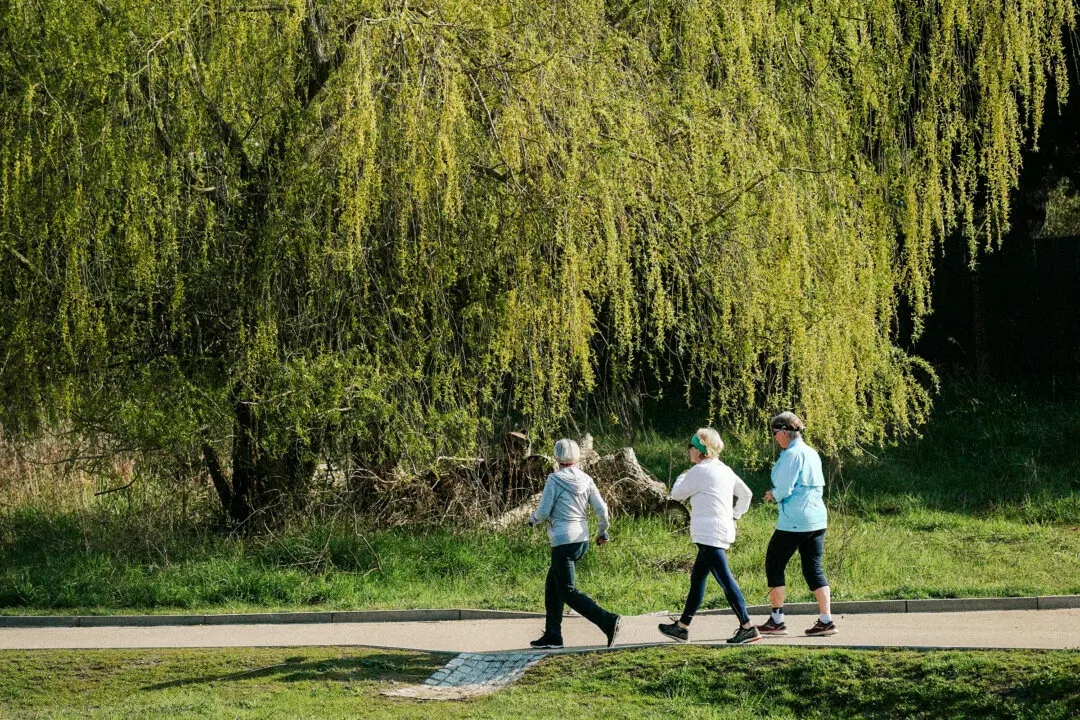
Wait at least 30 minutes after waking before exercising. Start with gentle movements in bed and drink water to rehydrate rehydrate and improve blood circulation, as blood tends to thicken during sleep.While 10,000 steps a day is popular, it may not suit everyone over 60, Fujiwara noted. For those unaccustomed to regular exercise, walking 10,000 steps daily may lead to back and leg pain, and even fatigue that weakens the immune system, causing discomfort. He suggests not focusing too much on step count, emphasizing that moderation is key.
Mistake 2: Avoiding Meat
Some older adults reduce meat intake due to dental issues or concerns about fat and cholesterol. However, eating meat offers numerous health benefits for people over the age of 60, Fujiwara said.

In addition to being a source of high-quality protein, meat is rich in iron, which helps prevent anemia, and vitamin B1, which aids in converting carbohydrates into energy.
Recommendation
Fujiwara recommends a 1:1 ratio of fish to meat in daily meals.Unprocessed Red Meat and Disease Risk
It is worth noting that consuming unprocessed red meat, as opposed to processed meats like bacon or sausages, may not pose significant risks. A 2023 study published in Nature Medicine found only a “weak evidence of association” between unprocessed red meat consumption and the risk of colorectal cancer, breast cancer, Type 2 diabetes, and heart disease.Mistake 3: Adopting a Low-Carb Diet
While low-carb diets are trendy, after the age of 60, they can lead to nutritional deficiencies and other health issues, Fujiwara said. This is particularly concerning as physical activity and chewing ability tend to decline with age, resulting in reduced food intake.Recommendation
A balanced diet is generally healthier, Fujiwara noted, emphasizing that each meal should include a staple food along with side dishes.Mistake 4: Substituting Coffee for Water
Coffee provides numerous health benefits. Studies have shown that moderate coffee consumption may reduce all-cause mortality and protect cardiovascular health. The key is moderation.Recommendation
After the age of 60, it is ideal to limit coffee consumption to around two cups per day, Fujiwara noted. Drink more non-caffeinated beverages, such as plain water.Mistake 5: Neglecting Regular Dental Check-Ups
Oral health is crucial for overall well-being, particularly after 60, Fujiwara said. Issues beyond cavities can arise, affecting nutrition and general health.As people age, oral tissues age just like other parts of the body, Ya-Lan Tsai, a dentist at Enjoy Dental Clinic in Taiwan, said in an interview with The Epoch Times. This can lead to changes in taste, reduced saliva production, bad breath, and gum recession. Increased exposure to tooth roots and severe cavities can cause teeth to fracture, leaving only remnants and eventually requiring extraction.
Recommendation
Tsai recommends brushing your teeth three times a day, ideally within three minutes after meals, for about five minutes each time. She also emphasized the importance of brushing before bed.Additionally, she suggests using cleaning tools such as dental floss or floss picks to thoroughly clean the contact surfaces between teeth by moving the floss back and forth. For older adults with limited hand coordination, an electric toothbrush can be more effective.