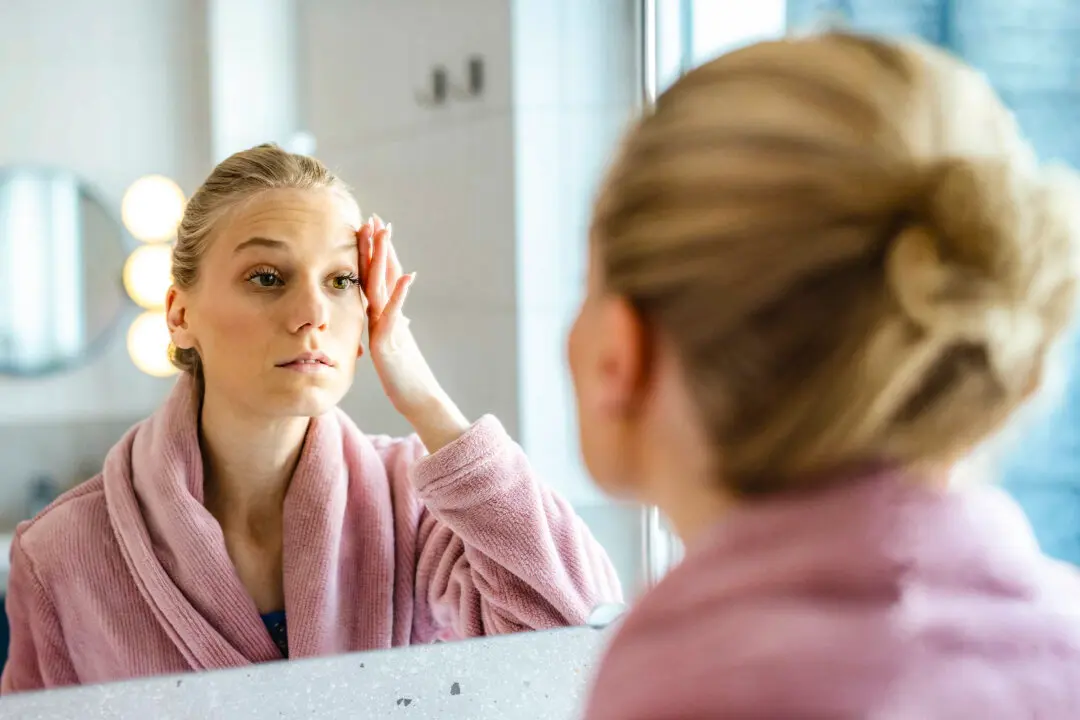
A 30-year-old female surgical chief resident, facing the dual pressures of professional exams and hospital accreditation, discovered a circular bald patch on her scalp, about the size of a quarter. At first, she did not pay much attention to it, but as her anxiety levels increased, the hair loss rapidly expanded into multiple patches within a month, accompanied by significant redness, swelling, pain, and itching of the scalp.
After clinical examinations ruled out systemic problems such as thyroid issues, she was diagnosed with stress-induced acute alopecia areata.
Chen Wei-Ti, a member of the American Academy of Dermatology and a dermatologist at Belléesse Dermatology Clinic in Taiwan, recounted the woman’s case in an interview with The Epoch Times. The patient used medication to suppress the inflammatory response and reduce stress, he said.
“After a month, the hair loss area stopped expanding. Two months later, fine downy hairs had grown in the center of the bald patch, indicating that the hair follicles had re-entered the growth phase. With the completion of the specialist exams and her mood relaxed, the lesions were covered by new black hair.”
4 Types of Stress-Induced Skin Diseases
Psychological stress is a significant factor that can lead to various skin diseases. A 2024 review published in Brain, Behavior, and Immunity indicated that stress alters the immune system, disrupting the balance between immune cells and inflammatory responses in the skin, making people more susceptible to various skin problems.Stress also affects the skin barrier function, delays wound healing, and promotes the release of inflammatory cells, thereby worsening existing skin conditions.
- Atopic Dermatitis: Stress is one of the main factors leading to acute flare-ups, exacerbating itching through neuroimmune mechanisms, creating a vicious cycle of “itch-scratch-more itching.”
- Psoriasis: Approximately 40 percent to 60 percent of patients report that symptoms worsen when they are emotionally stressed or experience increased stress.
- Alopecia Areata: Commonly known as spot baldness, alopecia areata is a typical stress-related autoimmune disease. Acute stress can disrupt the immune protection mechanisms of hair follicles, prompting the immune system to attack them and trigger hair loss.
- Adult Acne: Particularly common in women, stress-induced fluctuations in adrenal androgen levels can cause deep, cystic pimples around the chin.
Easily Overlooked Emotional Skin Diseases
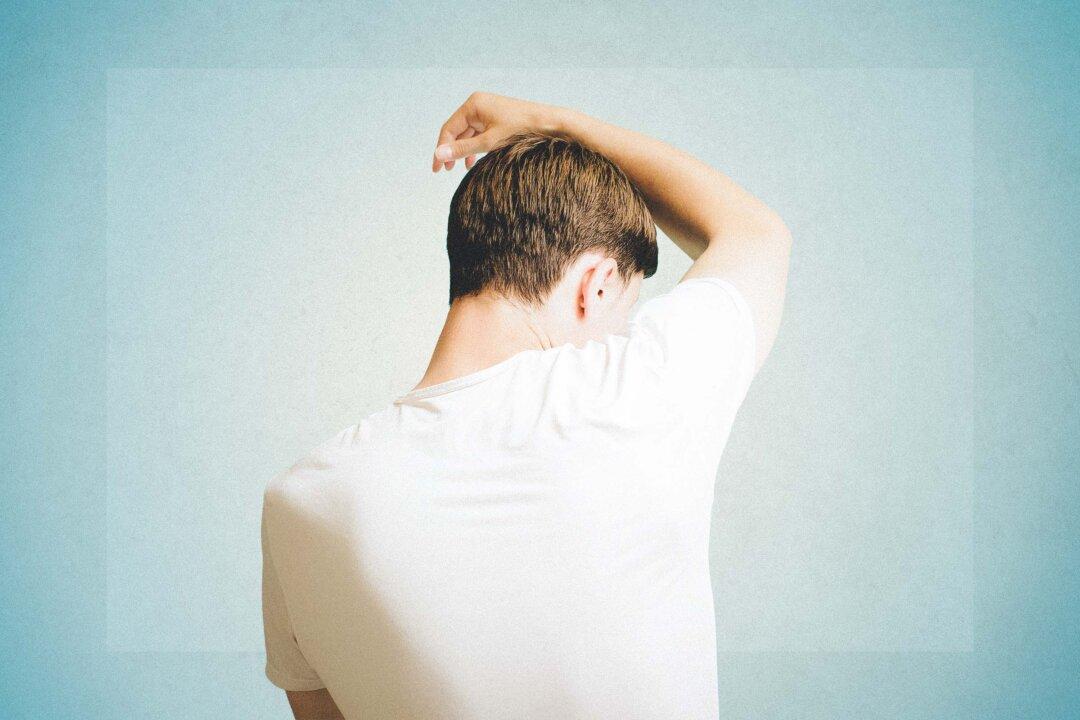
There is a fairly typical but easily clinically overlooked skin problem—lichen simplex, also known as neurodermatitis, Chen said. From the outside, these skin changes often appear as localized dryness, roughness, darkening, and more pronounced lines, commonly found on the back of the neck, wrists, ankles, or the front of the lower legs. Because there is no obvious oozing or redness, it is often mistaken simply as dry skin, rubbing-related, or aging.Etiologically, lichen simplex is closely related to psychological stress; it can be described as a “scratched out” condition. Patients often unconsciously rub or scratch the affected area repeatedly, such as while watching television, thinking, or feeling anxious.
This behavior is often an attempt to relieve inner anxiety, but over time it causes continuous skin irritation, leading to lichenification—a thickening, hardening, and darkening of the skin. Clinical observations have found that these patients often also experience anxiety, insomnia, or perfectionist tendencies.
If psychological stress is not addressed, Chen said, even with highly effective topical ointments, the skin condition is unlikely to fully recover.
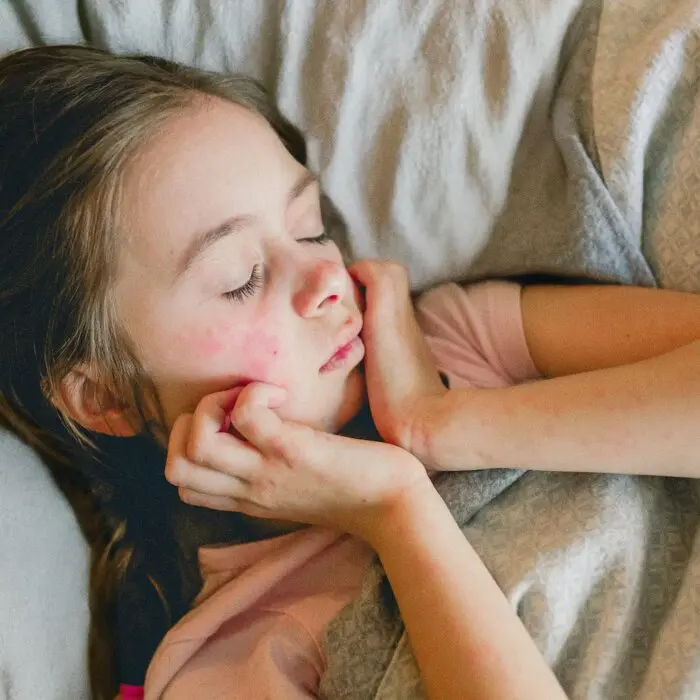

Breaking the Cycle Between Skin and Emotions
Japanese traditional Chinese medicine (TCM) practitioner Ken Ritsugaku told The Epoch Times that emotional fluctuations are inevitable when facing setbacks. However, prolonged stress or negative emotions without proper relief can trigger relapses or worsening illness.- Do not bear stress alone; confide in family and friends and seek professional help when necessary.
- Give yourself time to rest and relax, and adjust your way of thinking.
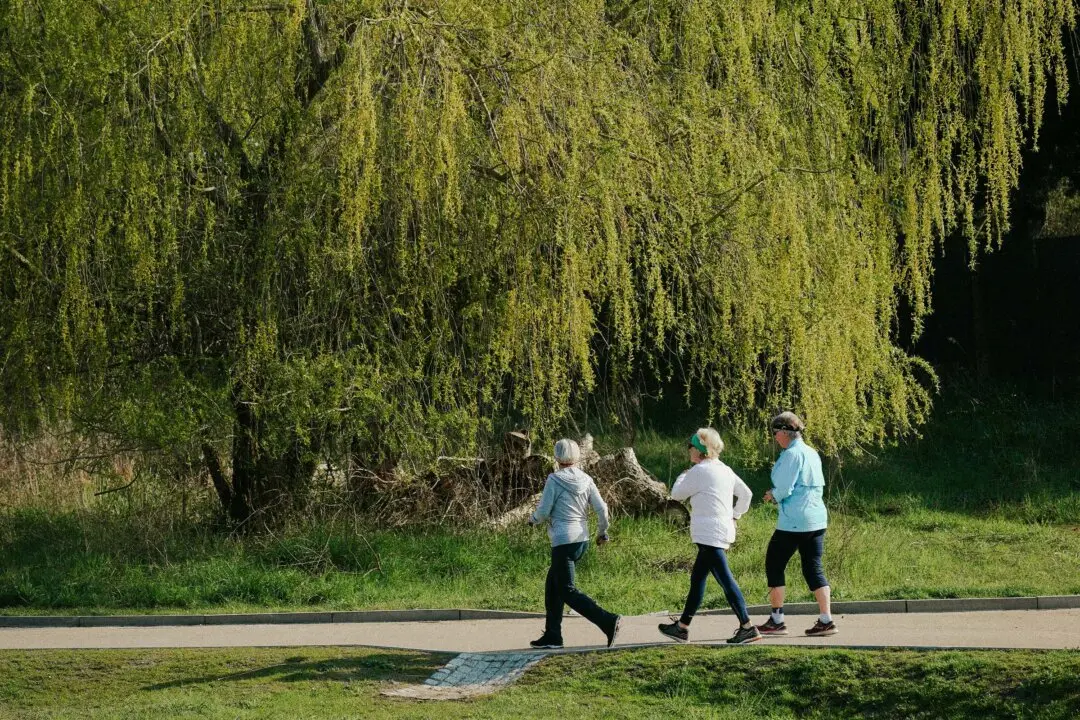
- Develop regular exercise habits and ensure sufficient sleep to strengthen your immune system.
- Avoid coping with stress through negative or escapist channels such as alcohol abuse.
TCM: Skin Reactions Through Emotional Imbalance
The influence of emotions on the skin is not a new concept, as modern medicine has proposed, Ken said. TCM has long recognized the link between the emotional state and skin changes. TCM views skin symptoms as an external reflection of the body’s internal state, believing that excessive emotions can damage internal organs and interfere with the body’s overall regulatory mechanisms, thus manifesting as various skin symptoms.TCM theory states that “worrying and excessive thinking damages the spleen.” TCM holds that the spleen is related to digestion, absorption, and energy conversion. If we persistently overthink, the spleen’s regulatory function may be affected, increasing metabolic burden and making the body more vulnerable to inflammation or allergic reactions, which will be reflected in the skin.
Treatment and Prevention
Skin diseases can have a significant effect on a patient’s psychology, especially when visible skin lesions appear—patients are more likely to experience feelings of shame and even self-loathing, Ken said. In this respect, TCM emphasizes treating the body and mind together, and while addressing emotional factors, it also focuses on improving related physiological functions and assisting patients in gradually restoring a more stable physical state through adjustments to lifestyle and sleep patterns.Eczema
From a TCM perspective, eczema is often related to internal damp-heat—an imbalance between internal inflammation and water metabolism. When skin inflammation recurs time and again, the body is considered to be in a damp-heat state, with symptoms gradually shifting to itchy skin, rashes, or oozing eczema, especially in humid and hot weather, when the interaction between internal and external dampness makes eczema more likely to recur.Eczema patients should avoid washing the affected area with hot water, soap, or other irritants, gently cleanse the skin, and avoid scratching to prevent infection. A light diet is recommended, avoiding spicy foods, seafood, beef, mutton, and other foods that may exacerbate inflammation and allergic reactions.
Alopecia Areata
Hair growth depends on the nourishment of qi (vital energy) and blood. Herbs with qi-tonifying and blood-nourishing effects, such as Astragalus membranaceus or Polygonum multiflorum, (fleeceflower root) are useful.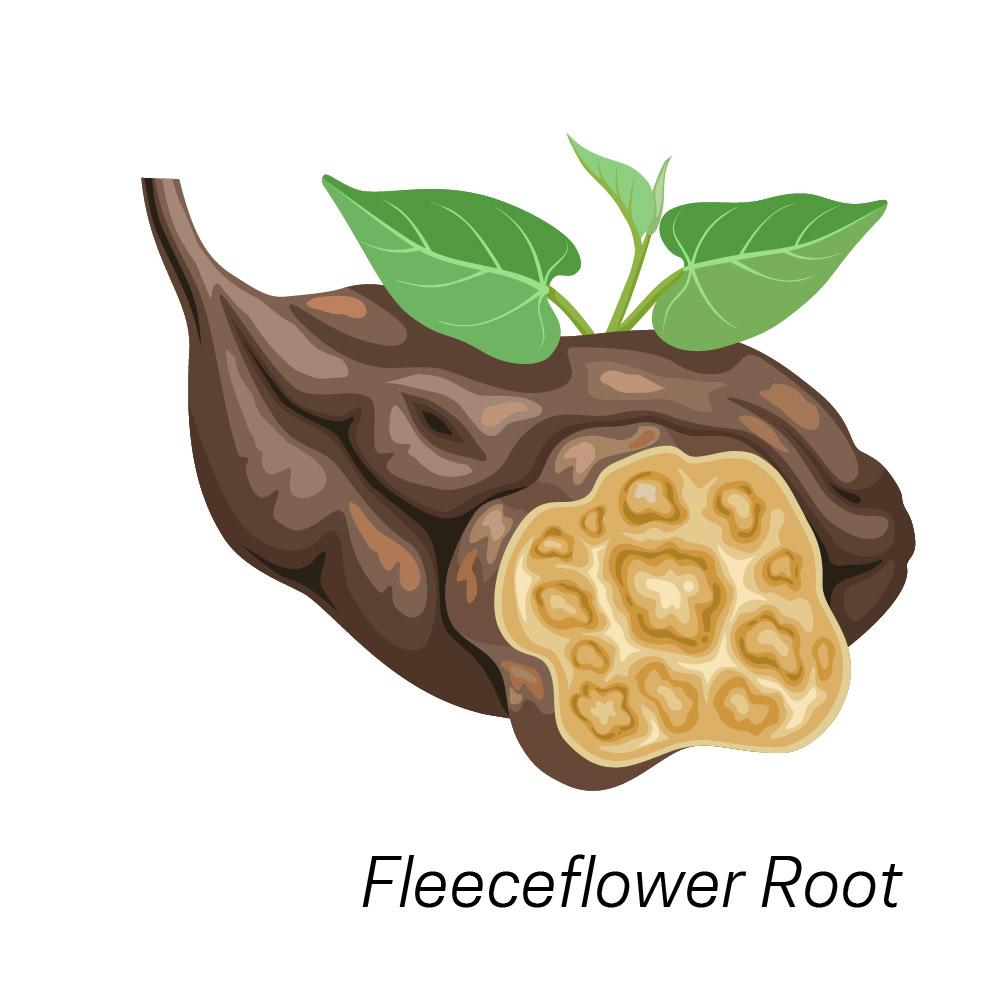
Psoriasis
TCM treatment for psoriasis varies from person to person. TCM physicians may prescribe medications such as Rehmannia glutinosa or rhubarb, which have heat-clearing and detoxifying effects based on a person’s constitution and symptoms.Studies show that rhubarb is rich in anthraquinone compounds that have anti-inflammatory properties, while Rehmannia glutinosa can regulate keratinocyte proliferation and immune-inflammatory responses.
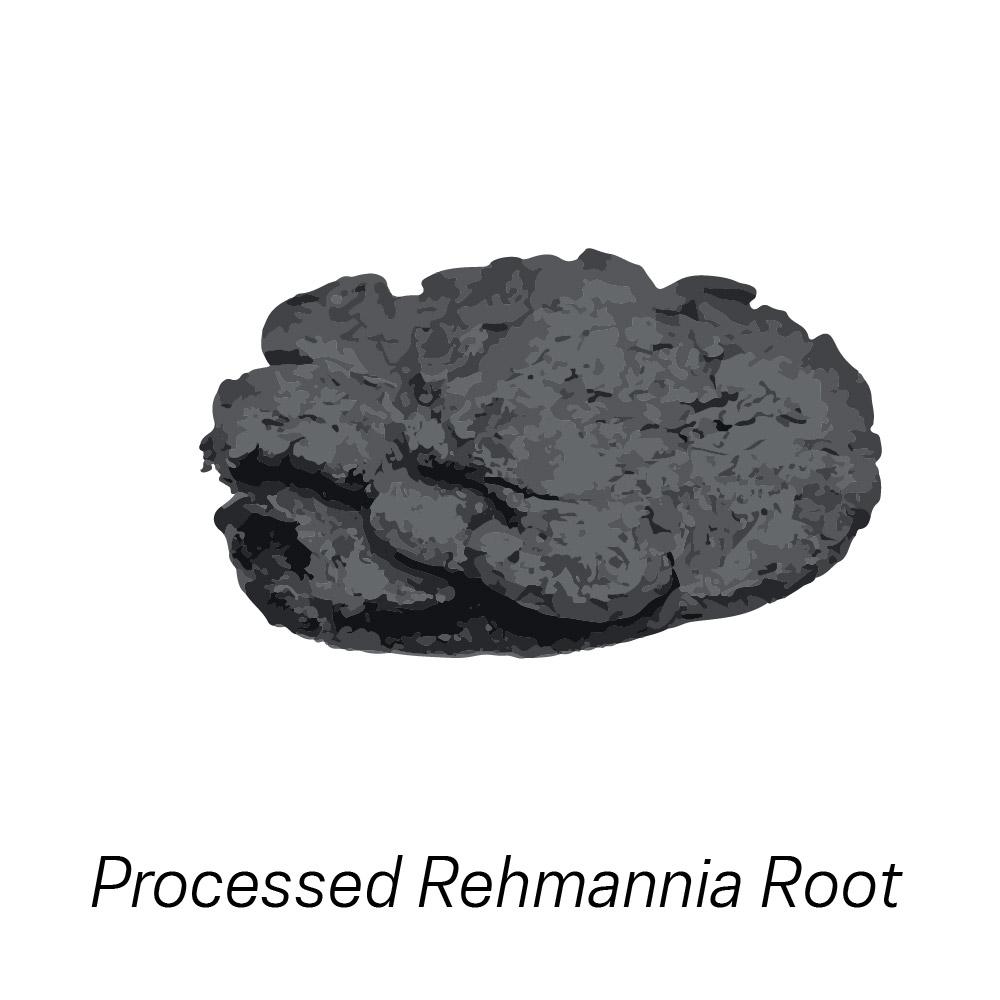
To treat psoriasis, it helps to eat foods rich in vitamins, minerals, and antioxidants. Reducing the amount of red meat, high-sugar, high-fat, and generally high-calorie foods, and avoiding excessive amounts of alcohol and smoking can reduce the body’s inflammatory response. It can also help to do regular moisturizing, gentle cleansing, moderate removal of scales, and avoid excessive friction or irritation.
Acne
In TCM treatment for acne, acupuncture is often used as a conditioning method to modulate the inflammatory response by adjusting the flow of qi and blood according to the body’s constitution. To reduce acne, keep the skin clean to reduce the accumulation of sweat, grease, and dust that can clog pores. Managing stress and emotions, and creating a stable lifestyle can also help.Calming Acupoints
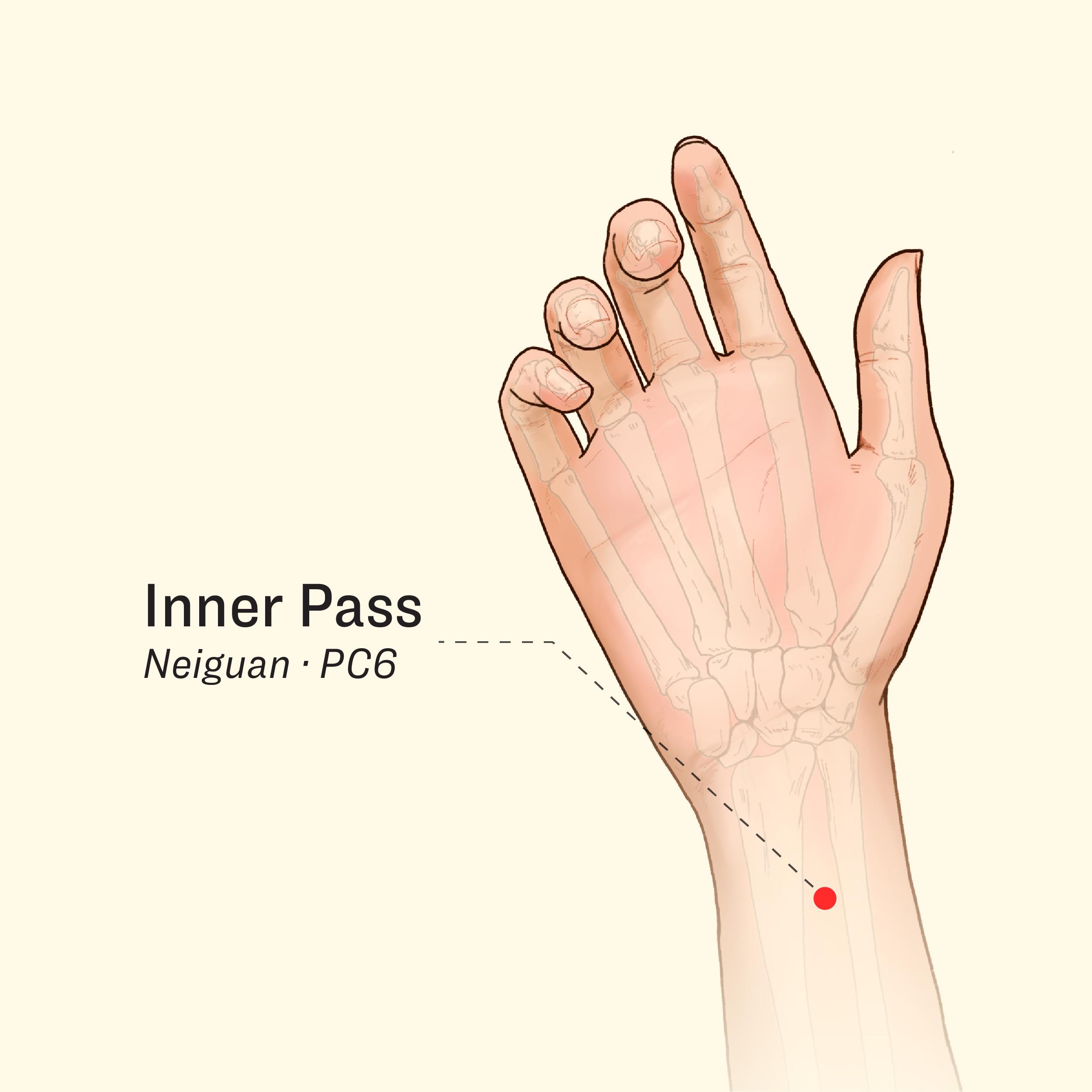
When under extreme stress and feeling emotionally unstable or restless, pressing the Neiguan acupoint, which has a calming effect, can be used as a daily relaxation routine.