Most people don’t think much about the color of their palms or the whites of their eyes. But these subtle changes can sometimes reveal more than simple fatigue—they may be among the body’s earliest clues that the liver is under stress.
Because the liver can continue functioning even after significant damage has occurred, liver disease often develops silently. Conditions such as chronic hepatitis, fatty liver disease, and cirrhosis may cause few or no symptoms in their early stages.
Jonathan Liu, director of Liu’s Wisdom Healing Centre in Canada, told The Epoch Times that both traditional Chinese medicine (TCM) and modern medicine recognize that certain visible changes in the body can provide valuable clues to liver health. While TCM evaluates the body’s overall balance through observation, Western medicine has identified several physical signs that are associated with impaired liver function.
Red Palms May Signal Liver Problems
In TCM, the hands are considered an important window into the body’s internal health because changes in circulation and skin color are easy to observe.
Liu said TCM practitioners pay attention not only to the color of the palms but also to changes in skin tone and texture. Darkened areas or unusual markings around the center of the palm and beneath the ring finger may, in TCM theory, reflect long-term stress, fatigue, or impaired liver qi circulation. These observations are part of TCM diagnosis and are interpreted alongside a person’s overall symptoms and constitution rather than as evidence of a specific disease.
Modern medicine recognizes a more clearly defined physical finding known as palmar erythema, or “liver palms.” This condition causes symmetrical redness over the fleshy areas at the base of the thumb and little finger. The redness typically fades briefly when pressure is applied before quickly returning.
Palmar erythema is thought to result from elevated estrogen levels caused by reduced liver metabolism, leading to dilation of small blood vessels in the skin. It is commonly seen in people with chronic liver disease, including cirrhosis.
Another visible sign associated with chronic liver disease is the spider angioma, a small red spot with tiny blood vessels radiating outward like the legs of a spider.
However, Liu emphasized that red palms alone do not necessarily indicate liver disease. Pregnancy, hyperthyroidism, rheumatoid arthritis, hot weather, and vigorous exercise can also produce similar redness. Persistent changes—especially when accompanied by fatigue, loss of appetite, abdominal discomfort, or unexplained weight loss—should be evaluated by a physician.
Your Face and Eyes May Reveal More Than You Realize
TCM also places great importance on facial appearance when assessing health.
According to Liu, people with declining liver function may gradually develop a dull complexion that lacks its usual brightness and vitality. As liver disease progresses, some may develop a yellowish skin tone. In TCM, a darker or grayish complexion may suggest more severe disruption of qi and blood circulation, although additional evaluation is always needed.
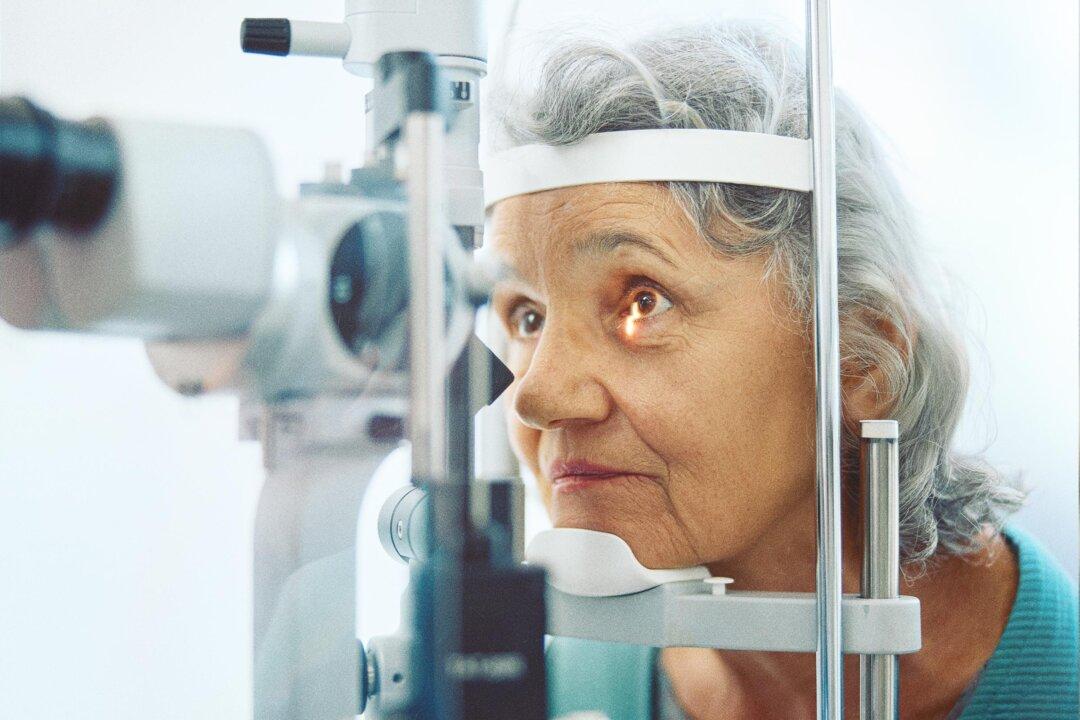
The eyes can provide another important clue. TCM describes the eyes as the “opening of the liver,” reflecting the organ’s functional state. Modern medicine likewise considers the whites of the eyes (the sclera) one of the earliest places where jaundice becomes visible.
When liver cells are damaged or bile flow becomes blocked, bilirubin accumulates in the bloodstream. The sclera often turns yellow before changes become noticeable elsewhere on the skin, making it an important early warning sign.
Liu noted that some patients experience few obvious symptoms and maintain a normal appetite, yet seek medical attention after family members notice yellowing of the eyes. Further testing may reveal hepatitis, bile duct obstruction, or another liver disorder.
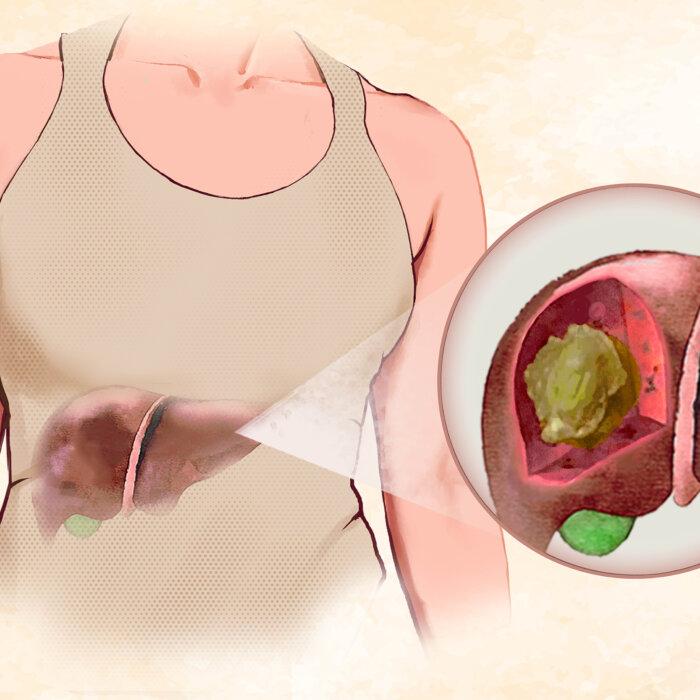
People with chronic hepatitis B or C, metabolic dysfunction-associated steatotic liver disease (formerly known as nonalcoholic fatty liver disease), heavy alcohol use, obesity, diabetes, or a family history of liver cancer should undergo regular liver evaluations even if they feel well. Early detection greatly improves the chances of preventing progression to cirrhosis or liver cancer.
Emotional Health Is Also Part of Liver Care
Beyond recognizing early warning signs, TCM emphasizes preventing disease before it develops.
Liu explained that TCM views the liver as responsible for maintaining the smooth flow of qi throughout the body and closely linked to emotional well-being. Classical TCM texts describe excessive or prolonged anger as disrupting liver qi. Chronic stress, frustration, anxiety, and emotional suppression are believed to contribute to liver qi stagnation, which may manifest as chest tightness, discomfort beneath the ribs, digestive complaints, poor sleep, irritability, and fatigue.
Modern medicine does not consider emotional stress a direct cause of hepatitis or cirrhosis. However, chronic psychological stress has been shown to promote inflammation, impair sleep, alter immune function, and increase unhealthy behaviors such as overeating, excessive alcohol consumption, physical inactivity, and poor dietary choices—all of which can negatively affect liver health.
Liu recommends managing stress through regular walking, tai chi, yoga, meditation, deep breathing exercises, hobbies, and adequate sleep. Supporting emotional well-being benefits not only mental health but also overall physical health.
Acupressure May Complement Daily Liver Care
For people experiencing stress-related tension or symptoms associated with liver qi stagnation, Liu recommends gently stimulating the three Wood Inflammation (Mu Yan) acupoints, a group of acupressure points located along the side of the second segment of the ring finger.
He said these points are traditionally used to promote the smooth flow of qi and blood and may help relieve emotional tension, fatigue, and discomfort around the chest and ribs.
Liu emphasized that acupressure should be viewed as a supportive wellness practice rather than a treatment for hepatitis or cirrhosis. Anyone experiencing jaundice, persistent abdominal swelling, severe fatigue, or other concerning symptoms should seek prompt medical evaluation.
Wood Inflammation acupoints: With the palm facing upward, these acupoints are located on the second segment of the ring finger, slightly toward the little finger side. The three points are arranged vertically from top to bottom.
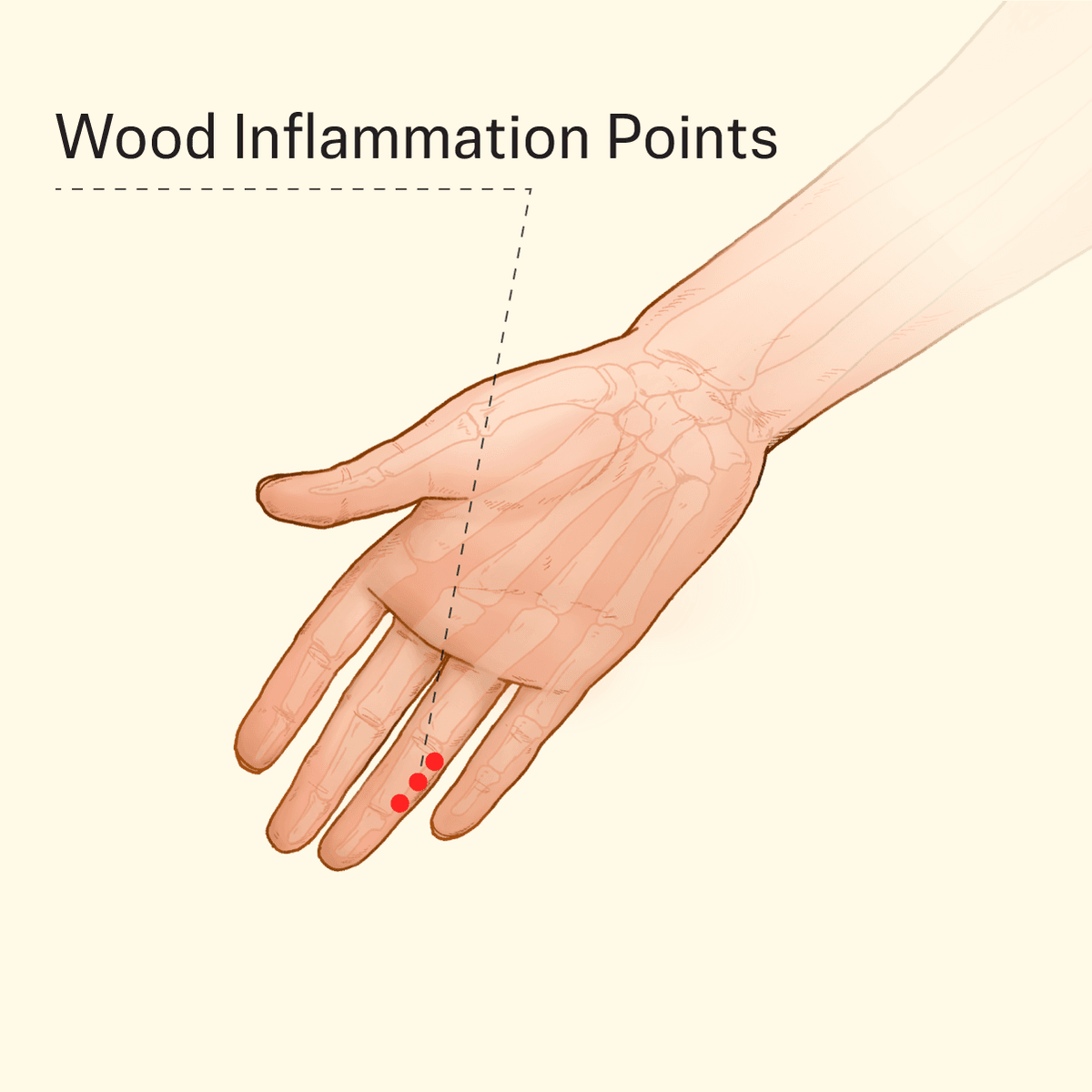
Location of the Wood Inflammation acupoints. (The Epoch Times)
Massage method: Gently press each point with the edge of the thumb for three to five minutes, once in the morning and once in the evening.
Alternatively, use the cap of a ballpoint pen or the smooth, rounded end of a pen to roll back and forth over the three points, applying enough pressure to create a mild aching, sore, or distending sensation.
A Liver-Friendly Diet Starts With Everyday Choices
Acupressure-based wellness practices may help regulate qi and blood, but diet remains essential for reducing the burden on the liver.
“The liver is an organ that can repair itself, but only when it is provided with sufficient nutrients for liver cells to recover,” Donna Chen, a registered dietitian in Taiwan, told The Epoch Times. “The core principle of nourishing and protecting the liver is to ensure adequate nutrient intake while avoiding excessive strain on the liver.”
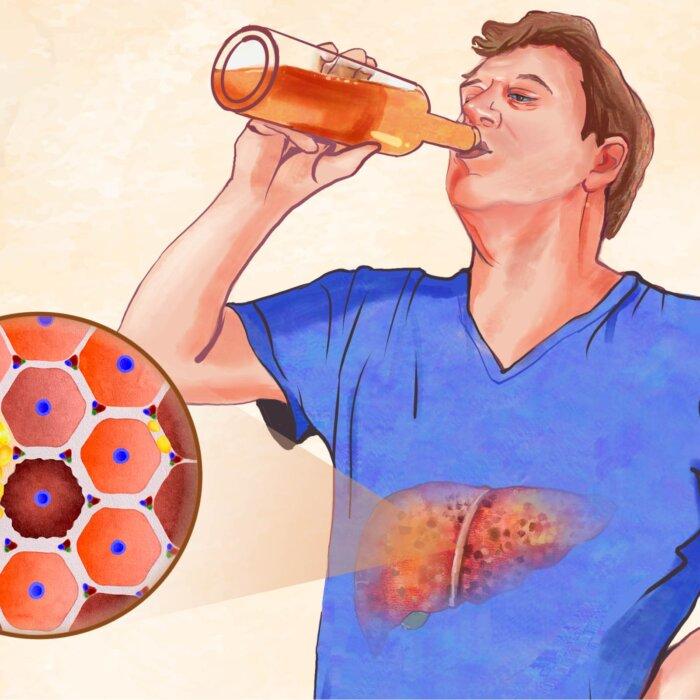
The liver plays an important role in metabolism, Chen told The Epoch Times. When fat intake is too high and exceeds the liver’s capacity, fat may accumulate inside liver cells, leading to fatty liver disease.
Fat accumulation can also make the liver more prone to inflammation, which may increase the risk of hepatitis, liver fibrosis, and even cirrhosis.
She recommends focusing on three key dietary habits:
1. Colorful Fruits and Vegetables Plus Natural Herbs and Spices
Fruits and vegetables of different colors are rich in phytochemicals, while natural herbs and spices such as scallions, ginger, garlic, turmeric, and basil have antioxidant and anti-inflammatory properties.
These ingredients may help neutralize free radicals produced during liver metabolism and protect liver cells. The more colorful a meal is, the wider the variety of phytochemicals it provides.
2. Probiotics and Prebiotics
The gut and liver are connected through the portal vein. Substances absorbed by the intestines are transported to the liver for metabolism through the portal vein; therefore, an imbalance in gut microbiota may also increase the burden on the liver.
Eating moderate amounts of probiotic-rich foods, such as yogurt and kimchi, along with fiber-rich whole grains, can help maintain healthy gut microbiota and reduce the burden on the liver.
3. High-Quality Protein and B Vitamins
The liver requires adequate amino acids and B vitamins for metabolism and detoxification. Fish, beans, eggs, milk, lean meat, whole grains, and dark green vegetables are good sources of B vitamins. Beans and egg yolks are rich in lecithin, which may help emulsify fat and support fat metabolism.
When increasing protein intake, it is best to prioritize whole foods and reduce processed meats such as ham, sausages, and fish paste products.
Supplements for Liver Support
When nutritional needs cannot be met through diet alone, supplements may be considered as additional support.
A balanced diet is the foundation of liver support, Chen said. For those with specific needs, appropriate supplementation with vitamins A, C, E, B vitamins, selenium, zinc, and glutathione may be considered.
More supplements are not necessarily better, Chen said. Dietary habits, health status, and disease risks vary from person to person, so it is best to consult a physician, registered dietitian, or pharmacist before taking supplements.
In addition to providing the liver with adequate nutrients, it is important to avoid foods that may harm it. For example, moldy food should be discarded as soon as possible.
It is also advisable to limit processed foods, sweets, refined sugar, high-fat foods, grilled or charred foods, and excessive alcohol intake, all of which can be detrimental to liver health.
Listen to Your Body’s Early Signals
The liver’s remarkable ability to compensate for damage is both a strength and a weakness. It allows the organ to keep working even when disease is developing quietly.
Paying attention to subtle changes—such as persistent redness of the palms, yellowing of the eyes, changes in complexion, or unexplained fatigue—can lead to earlier diagnosis and treatment. Combined with a healthy diet, regular physical activity, emotional well-being, limited alcohol intake, and routine medical checkups, these simple habits offer one of the best strategies for protecting long-term liver health.