Has your body odor become more noticeable? Body odor is not always just about genetics or underlying health conditions—your diet and daily habits also play a big role in your scent. Traditional Chinese medicine (TCM) practitioners often adopt an effective approach that begins by regulating your body’s constitution, then reinforcing it with natural therapies.
Eating Habits Affect Body Odor
Several common types of foods and dietary behaviors are associated with stronger body odor:Spices and Sulfur-Containing Vegetables
Some spices and vegetables naturally contain odor precursors. After being metabolized by the body and further broken down by skin-surface bacteria, they may produce stronger odors, Tsai said. Examples include cumin, turmeric, onions, garlic, cabbage, broccoli, mushrooms, and asparagus.Red Meat
Red meat is rich in L-carnitine, which gut bacteria metabolize into trimethylamine, producing a fishy odor. In addition, eating many choline-rich foods, such as egg yolks, soybeans, and fish, may also increase the production of odor-causing molecules.Excessive Alcohol Consumption
Heavy drinking can alter the balance of oral bacteria, increasing the risk of gum inflammation, dental plaque, and cavities. It can also cause dry mouth, which may lead to bad breath.Prolonged Fasting or Ketogenic Diet
Fasting and high-fat ketogenic diets cause the body to burn fat and produce ketones. The volatile compound acetone can create a fruity or rotten-apple-like smell. This odor may also occur in people with diabetes when blood sugar levels are too high.High-Protein Diet
Excessive protein intake can lead to the production of ammonia and other odorous gases. Ammonia has a smell similar to urine. The liver and kidneys are the main organs responsible for protein metabolism. When liver or kidney function is impaired, ammonia can accumulate, making body odor stronger.High-Fat Foods
Eating too many fried foods or foods high in saturated or trans fats can increase sebum production. When sebum is broken down by skin bacteria, it produces a rancid, oxidized oil smell.Certain Lifestyle Habits Worsen Body Odor
Many young people find that their body odor, once barely noticeable, becomes more pronounced due to certain lifestyle habits, Tsai said. Common contributing factors include:- Clothing and Personal Hygiene: Poor hygiene practices, along with wearing tight or non-breathable clothing, can interfere with normal sweat evaporation, which can clog pores and lead to a buildup of sebum and metabolic waste on the skin. When these substances are broken down by bacteria, unpleasant odors can develop.
- Stress and Sleep Deprivation: Chronic stress and insufficient sleep can disrupt hormonal balance and metabolic rhythms. These changes may increase sweat production, alter metabolic byproducts, and disturb the balance of the skin microbiome — all of which can make body odor more noticeable.
- Hydration and Bowel Irregularity: Inadequate water intake and irregular bowel movements can impair the body’s ability to eliminate metabolic waste efficiently. When waste products remain in the body for longer periods, bacterial activity may convert them into odor-causing compounds, intensifying body odor.
Manage Body Odor Through Diet and Daily Habits
Adjusting your diet, along with physically removing bacteria and accumulated odor-boosting substances, can help reduce body odor Tsai said.- Dietary Adjustments: Cut back on foods that ramp up smelly metabolic byproducts. Drinking more water helps flush out metabolic waste. For those with constipation, moderately increase dietary fiber and foods that promote bowel movements. Supplementing with probiotics and prebiotics can nurture a healthier gut microbiome.
- Lifestyle Tweaks: Choose breathable clothing to keep the skin dry and well-ventilated. Establish a regular daily routine to improve sleep quality. Relieve stress through exercise, breathing techniques, or other relaxation methods. Maintain good oral hygiene to prevent oral bacteria from producing odor-causing substances.
TCM on Body Odor Based on Individual Constitution
Grace Zhang, a practitioner at the New York Northern Medical Center, told The Epoch Times that, from a TCM perspective, people prone to body odor are often considered to have a “damp-heat constitution.”In TCM, “damp-heat constitution” refers to an internal imbalance in the body’s fluid transformation and metabolism, often caused by improper diet or irregular daily routines. Excess fluids and metabolic waste accumulate in the body, leading to fatigue, sticky stools, and stronger-smelling secretions or sweat.
Spleen-Stomach Damp-Heat Type
Those who frequently eat barbecue, sweets, and dairy products, and who experience bloating, constipation, or sticky stools, may gradually weaken their liver and kidney function. In clinical practice, the herbal formula Ganlu Xiaodu Dan (Sweet Dew Toxin-Removing Elixir) is often prescribed. It is used to relieve internal heat and dryness, reduce inflammation, and improve imbalances in the body’s fluid metabolism.Liver-Kidney Deficiency Type
People under significant emotional stress, who stay up late frequently, and who are prone to irritability, dry mouth, or a bitter taste in the mouth, may develop liver and kidney weakness along with stagnation. This can disrupt endocrine and metabolic functions.Common situations in which body odor is more likely to occur include heavy sweating or oily skin, a preference for high-protein, grilled, fried, or spicy foods, declining liver or kidney function, and chronic constipation or lack of exercise. In addition, genetic predisposition may also contribute to body odor.
Acupressure to Ease Body Odor
Massaging specific acupressure points can also help clear damp-heat from the body, thereby relieving excessive sweating and troublesome body odor, Zhang said.
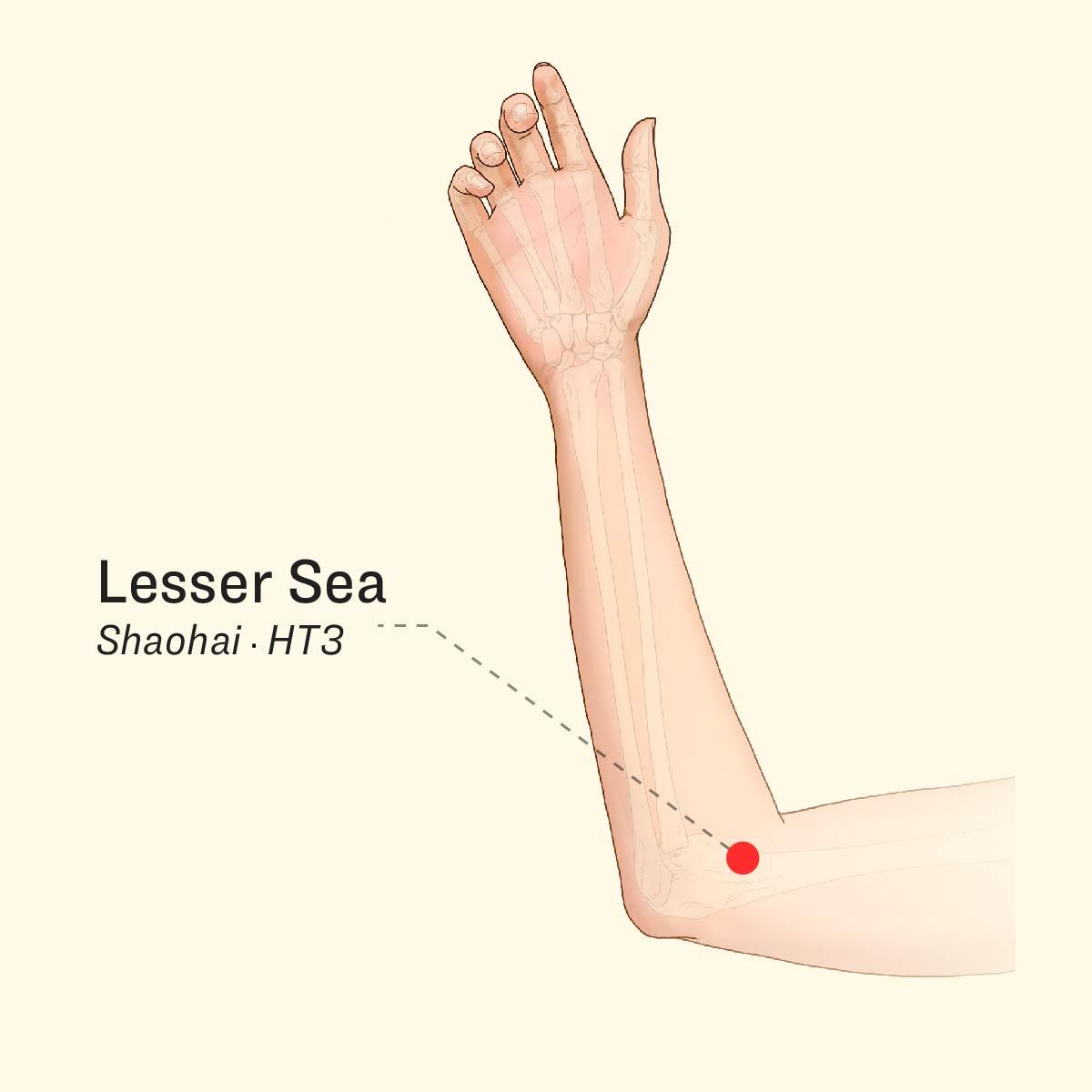
Lesser Sea (Shaohai, HT3) Acupoint
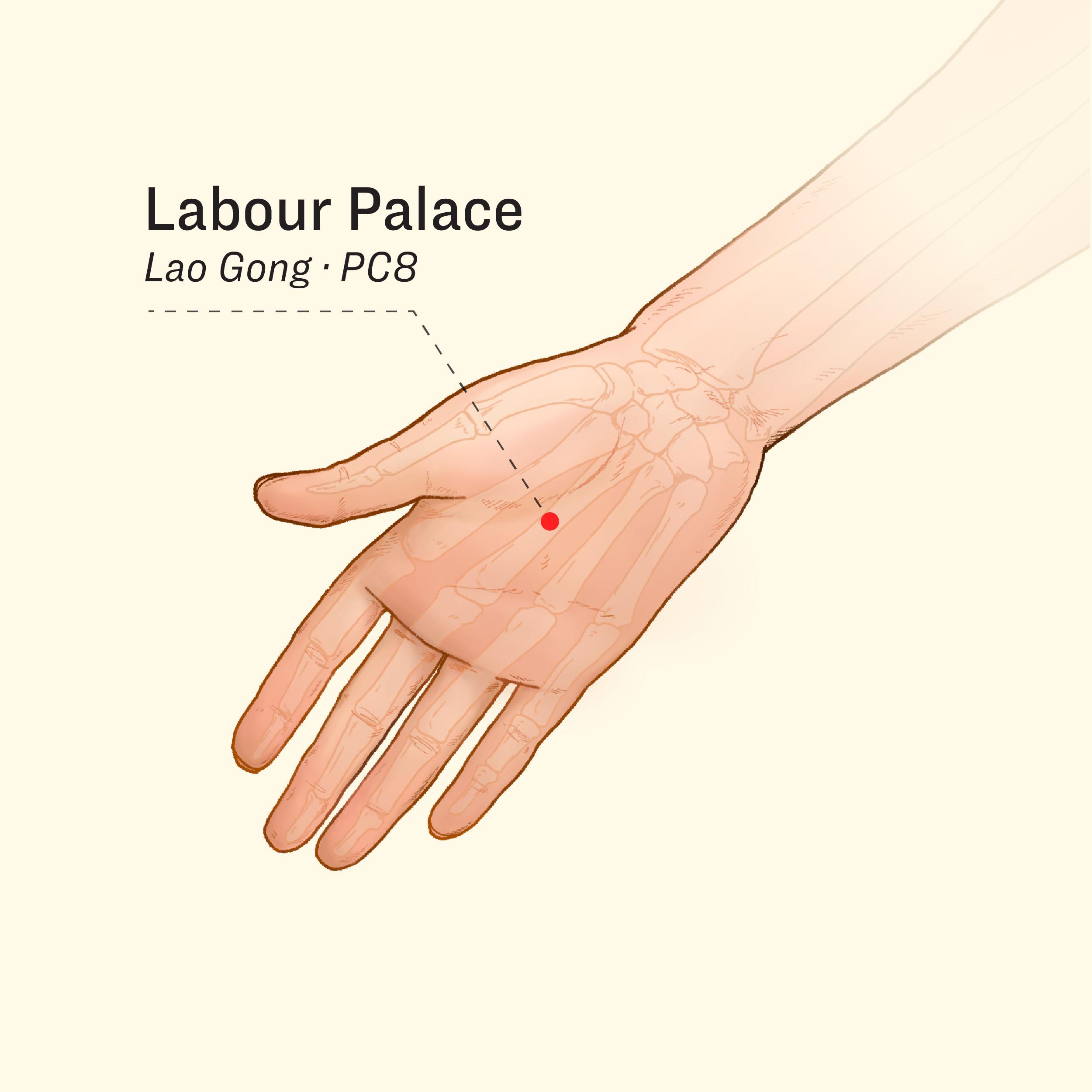
Located on the inner side of the elbow, at the midpoint of the line connecting the inner end of the elbow crease and the medial epicondyle of the humerus.Labour Palace (Lao Gong, PC8) Acupoint
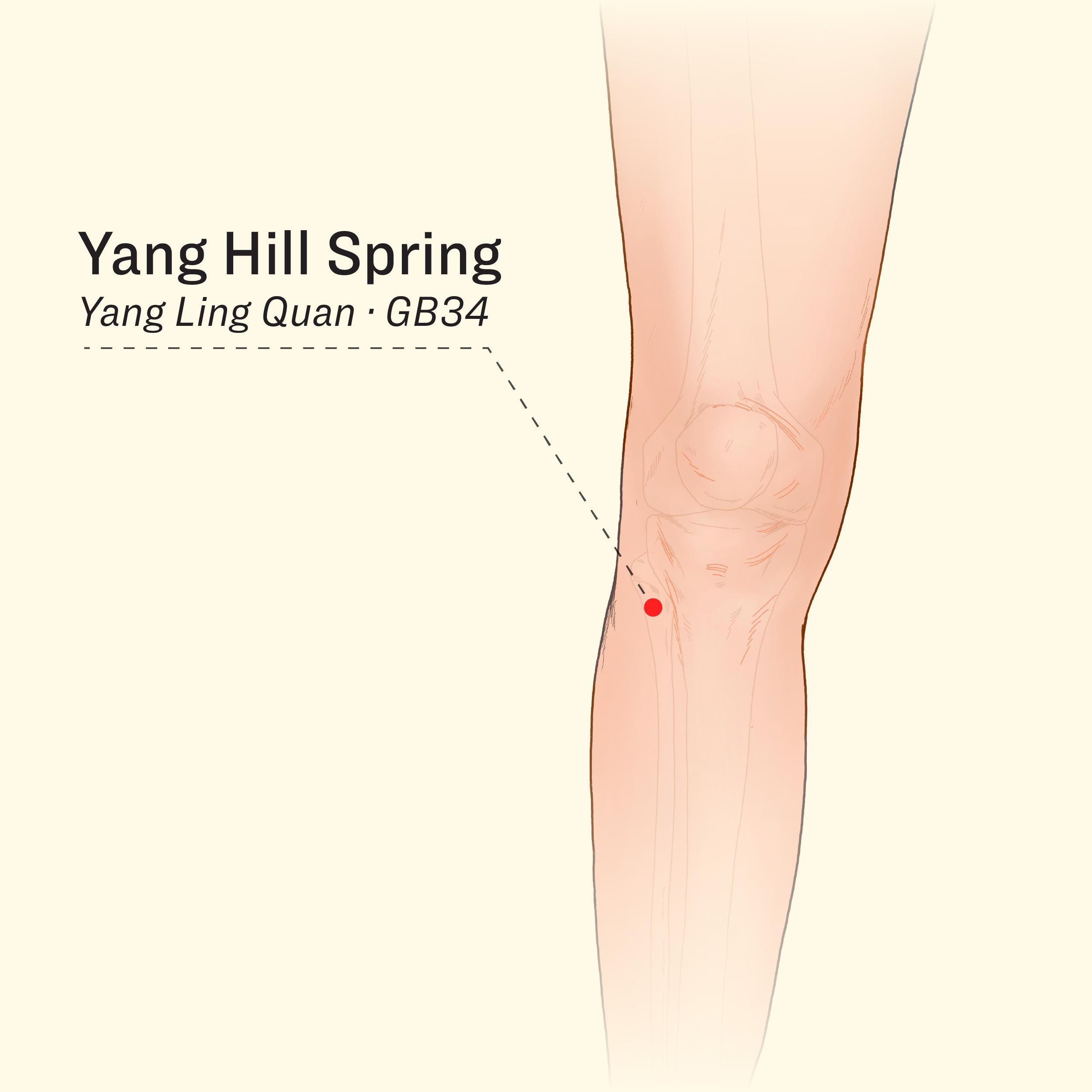
Located between the second and third metacarpal bones, at the tip of the middle finger when the hand is clenched into a fist.Yang Hill Spring (Yang Ling Quan, GB34) Acupoint
Located in the depression just to the front and below the head of the fibula (the bony prominence on the outer side of the lower leg when seated).Massaging this point helps relieve stress and promote healthy fluid metabolism
Natural Herbal Formulas to Unlock Lasting Freshness
Chou Tsung-Han, attending physician at Han Ming Tang Clinic in Taiwan, shared various natural conditioning methods, ranging from homemade body powder and herbal teas to medicinal baths:Homemade Body Powder
Preparation: Mix equal parts talcum powder and potash alum, then add a small amount of borneol. Grind into a fine powder and blend thoroughly until evenly mixed.Rose Tea
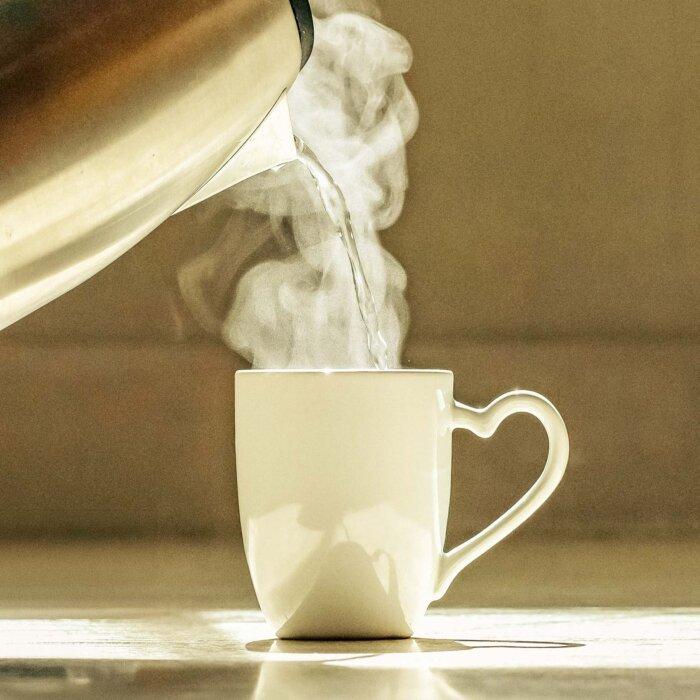
Preparation: Place five dried organic rose buds in a cup. Pour in about 8 ounces (240 ml) of hot water, cover, and steep for 5 to 6 minutes before drinking.Rose tea may help ease stress-related body odor. In traditional practice, roses are believed to calm the mind, support autonomic nervous system balance, and reduce excess sweating that can contribute to odor. For the best quality, choose organic, pesticide-free buds or petals.
Herbal Bath
Ingredients- 10 to 15 grams mint
- 15 to 30 grams mugwort leaves
- 10 to 15 grams perilla leaves
- 3 to 6 grams cloves
- Wash herbs thoroughly and wrap them in gauze. Place in a pot with 4 to 6 cups of water, and bring to a boil. Reduce to low heat and simmer for 10 to 15 minutes.
- Once the herbal liquid has cooled to a warm temperature, gently wipe the underarm odor areas with it; it will release a very strong herbal fragrance.
The Limits of Antiperspirants and Surgery
Long-term reliance on antiperspirants or undergoing sweat-reduction surgery is generally not recommended, Chou said. Antiperspirants mainly address the symptom rather than the root cause. Frequent long-term use may affect the function of the underarm sweat glands and local circulation. Whether they impact lymphatic circulation or breast health remains debated in the medical community and requires further research.In clinical cases, sweat-reduction surgery is often associated with “compensatory hyperhidrosis.” For example, after underarm surgery, patients may experience increased sweating on the chest or palms, which can create even greater daily inconvenience.
Addressing the body’s internal constitution is essential for eliminating odor at its root, Chou said.