Hsiao, a 35-year-old Taiwanese cyclist, thought he was doing everything right. He rode at least three days a week, covering dozens of miles per session, and tackled a monthly 60-mile round trip from Yuanlin to Yushan. Yet several months ago, knee pain crept in, and rest didn’t help.
Yen Ta Chin, an orthopedic attending physician at Yuan Rung Hospital in Taiwan, shared the case with The Epoch Times, noting that Hsiao was diagnosed with pes anserine bursitis—inflammation of the three tendons on the inner side of the knee—and severe osteoporosis.
After two weeks of rest and vitamin D supplementation, his symptoms gradually improved.
Hsiao’s experience is not an isolated case. In outpatient clinics, joint pain caused by excessive exercise is a common complaint.
“It is not unusual for people to find that their knees hurt more the more they run, even though X-rays and MRI scans show no abnormalities,” Jun-Ping Wang, director of Runsheng Rehabilitation Clinic in Taiwan, told The Epoch Times.
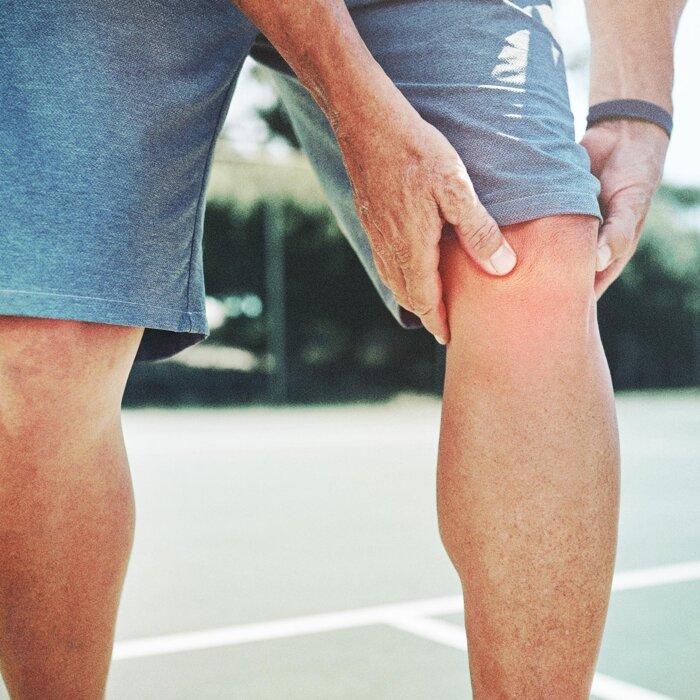
While many patients worry that knee pain is a sign of joint degeneration, the real culprits are often improper muscle use, poor posture, or overtraining, which can cause inflammation or chronic fatigue in the tissues surrounding the joint.

4 Common Exercise-Related Injuries
Wang identified several injuries frequently seen in active people:1. Runner’s Knee–Patellofemoral Pain Syndrome
Despite running’s apparent simplicity, improper form or excessive training can trigger pain at the front of the knee and increase the risk of runner’s knee. You'll notice it most when climbing or descending stairs or when standing up after prolonged sitting.2. Iliotibial Band Syndrome
Iliotibial band syndrome is a common cause of pain on the outer side of the knee among runners. It occurs when the iliotibial band—a thick band of connective tissue running along the outside of the thigh—repeatedly rubs against underlying bone during knee flexion and extension, leading to inflammation.3. Pes Anserine Bursitis
The condition that affected Hsiao occurs at the attachment sites of three tendons on the inner knee—the sartorius, gracilis, and semitendinosus.4. Shoulder Impingement
Many people who are not accustomed to regular exercise choose swimming to improve their health, Wang noted. Among the various strokes, freestyle is the most common and relatively easy to learn, making it a popular option for beginners.However, poor technique or excessive repetitive motion can increase the risk of shoulder impingement. Pain is most likely to occur when the arm is lifted outward or moved backward.
To help prevent exercise-related joint injuries, Wang recommends scheduling adequate rest days.
Precautions for Exercising in Winter
While winter workouts may feel refreshing, cold temperatures increase the risk of joint sprains during high-intensity exercise, Yao-Yuan Chang, an orthopedic attending physician at Ton-Yen General Hospital in Taiwan, told The Epoch Times.Dress in Layers
Build your outfit strategically: moisture-wicking fabric against your skin as the inner layer, insulating garments in the middle, and a wind-resistant outer layer.Warm Up Thoroughly
A proper warm-up helps activate the joints and muscles.Increase Intensity Gradually
Allow heart rate and body temperature to rise gradually, giving the joints and bones sufficient time to warm up, while also minimizing strain on the cardiovascular system.Cool Down and Stretch
Stopping exercise abruptly can cause a sudden drop in body temperature, making muscles more prone to stiffness and tightness. Gradually taper off activity and incorporate gentle stretching to help the body return to a resting state.Stay Hydrated and Fueled
While sweating is often reduced in winter, overall energy expenditure remains high. Adequate fluid intake before and after exercise is essential.Foods That Sabotage Joint Health
While improper exercise habits can damage the joints, poor dietary choices can prolong recovery.High-Salt Diets
Excessive salt intake increases calcium loss through urine, elevating the risk of osteoporosis. As bone support weakens, joints become more vulnerable to injury.High-Sugar Diets
Excess sugar contributes to the accumulation of advanced glycation end products in the body, which can accelerate the aging of joint cells.High-Fat Foods
Foods such as fried chicken and fatty cuts of meat can increase inflammatory responses and contribute to rapid weight gain.Processed Foods
Foods that contain artificial additives can promote chronic inflammation and accelerate cartilage wear.Excessive Alcohol Consumption
Long-term alcohol intake impairs calcium and vitamin D absorption, leading to reduced bone density. Choosing alternatives such as sparkling water may be beneficial.Natural Dietary Approaches to Joint Care
Traditional Chinese medicine (TCM) holds that food and medicine share a common origin and that dietary therapy can support joint health.Sea Cucumber and Pork Tendon Soup
Serves 2 to 3- 1 to 1.25 ounces rehydrated dried sea cucumber
- 10 to 14 ounces pork tendon
- 2 stalks scallions
- 4 to 5 slices fresh ginger
- 1 to 2 teaspoons oyster sauce
- ½ teaspoon sugar
- 1 teaspoon cornstarch mixed with water
- A few drops of sesame oil
- 6 to 8 cups water
- After soaking and rehydrating sea cucumber (see instructions below), rinse thoroughly. Wash pork tendon and cut into diagonal sections. Clean and slice scallions and ginger.
- Place the pork tendon in a pot, add water, and boil over high heat for about 30 minutes. Reduce to low heat and simmer for an additional 20 minutes, or until tender. Cooking time may vary depending on the type of tendon used.
- Heat oil in a separate pot and sauté the scallions and ginger until fragrant. Add the sea cucumber and stir-fry briefly, then season with a small amount of oyster sauce and sugar.
- Transfer the mixture to the pot with the pork tendon and simmer over low heat for five to 10 minutes. Thicken with a cornstarch slurry, then drizzle with a small amount of sesame oil.
- Rinse the dried sea cucumber with clean water and place it in a clean container filled with cold water. Refrigerate.
- Change the water twice daily and soak until softened, which typically takes two to three days.
- Using a clean, oil-free pot, boil the sea cucumber for about 30 minutes.
- Remove internal organs and cut the inner tendon to prevent it from restricting expansion.
- Place the cooked sea cucumber back into cold water and refrigerate for another two to three days, changing the water twice daily to allow further absorption and expansion.
TCM Treatments for Joint Pain
In TCM, treatment options for persistent joint pain include acupuncture and herbal therapy.Hsieh shared the case of a woman in her 60s who had been taking conventionally prescribed anti-inflammatory drugs for acute flare-ups, along with immunomodulatory medications for long-term management. Despite treatment, she continued to experience joint swelling, stiffness, and debilitating pain.
After acupuncture and herbal treatment, she experienced gradual relief in her joints and improved circulation to her hands and feet.
For patients in a non-acute inflammatory stage marked mainly by pain and swelling, acupuncture applied to both sides of the affected joint can help relieve symptoms and improve joint mobility, Hsieh said.
Exercise Options for Older Adults
Older adults and people with joint degeneration are advised to avoid relying on a single type of exercise for extended periods. Instead, a multicomponent exercise approach—combining different forms of physical activity—is recommended.Exercise remains one of the most powerful tools for longevity—but more is not always better. Balanced training, adequate recovery, proper nutrition, and early attention to pain can protect joints in the long run.