A 40-year-old office worker, about 5 feet, 7 inches tall and weighing more than 265 pounds, had suffered from severe nighttime snoring for years. The noise was so thunderous that it sometimes jolted him awake, and he often felt as though he were “almost suffocating” during sleep.
His chronic sleep disruption triggered a cascade of problems: morning fatigue, reduced work performance, rising blood pressure, and persistent low mood. He initially sought treatment for hypertension at a cardiology clinic, but it did not produce results.
He was later referred to an otolaryngology—or ear, nose, and throat—clinic, where a comprehensive sleep study confirmed a diagnosis of extremely severe obstructive sleep apnea. The test showed an apnea-hypopnea index of 80, meaning that he stopped breathing up to 80 times per hour, and each episode lasted for more than 10 seconds.
Understanding the Silent Threat
Sleep apnea is like a “silent killer” that repeatedly interrupts breathing throughout the night, Wang Yao, an otolaryngology specialist, told The Epoch Times. In patients with moderate to severe sleep apnea, breathing may stop dozens or even hundreds of times in a single night, causing blood oxygen levels to plummet and placing significant strain on the body, which in turn increases the risk of serious health problems.Sleep apnea—also known as obstructive sleep apnea—occurs when the throat muscles become excessively relaxed during sleep, causing the airway to narrow or collapse and leading to brief pauses in breathing.
Sleep apnea was once dismissed as merely a sleep-related problem, but mounting research reveals it as a systemic health threat that affects memory and increases the risk of Parkinson’s disease, cardiovascular disease, autoimmune disorders, and chronic gastrointestinal diseases.
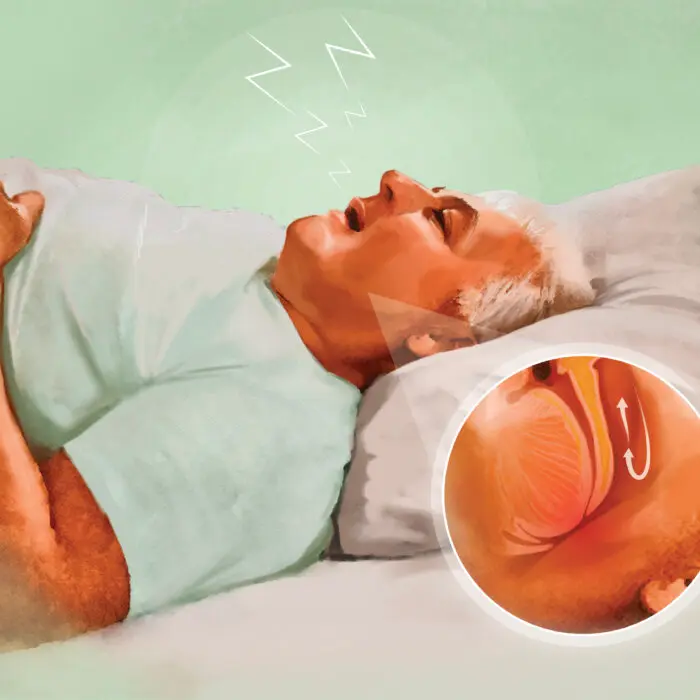
Many people have sleep apnea without realizing it, as breathing interruptions occur primarily during sleep.
Far-Reaching Health Consequences
Sleep apnea’s effect on health reaches far beyond the bedroom, triggering a cascade of serious medical conditions that can affect virtually every system in the body.Nearly Double the Risk of Parkinson’s Disease
A 2025 cohort study published in JAMA Neurology analyzed the electronic health records of approximately 11 million U.S. veterans. The results showed that people with sleep apnea had nearly twice the risk of developing Parkinson’s disease compared with those without the condition.“It’s not at all a guarantee that you’re going to get Parkinson’s, but it significantly increases the chances,” said Dr. Gregory Scott, a pathologist at the same institution.
Brain Function Under Siege
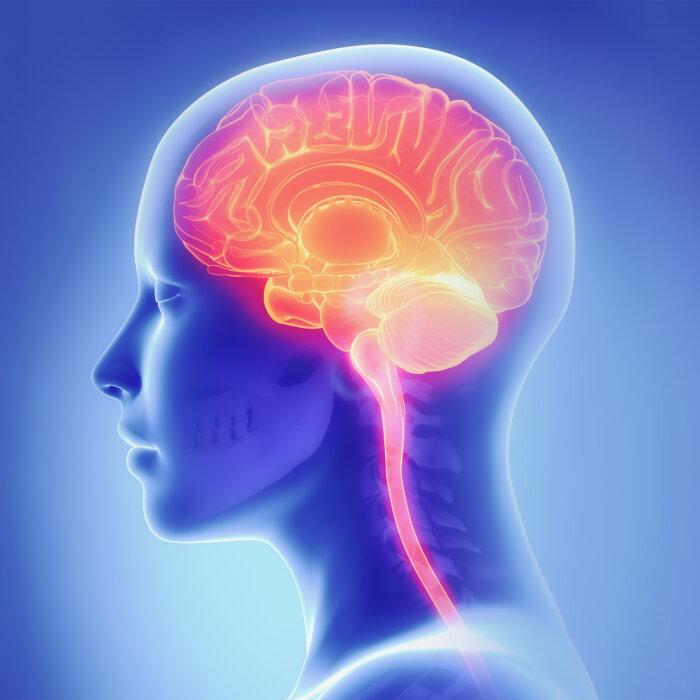
Sleep apnea causes obstruction of the upper airway, limiting the brain’s oxygen supply and potentially impairing brain function.Cardiovascular System in Crisis
Sleep apnea can also damage the cardiovascular system through multiple mechanisms.Autoimmune System Disruption
Sleep apnea increases the risk of a range of autoimmune diseases, which occur when immune activity is either too low or too high.Digestive System Damage
Sleep apnea may increase the risk of digestive system disorders.Elevated Diabetes Risk
Sleep apnea may be a risk factor for Type 2 diabetes.Increased Risk of Mortality
Sleep apnea has been shown to increase the risk of death.Natural Ways to Manage Sleep Apnea
Sleep apnea is more common in older adults, Wang noted. In older adults, fluid tends to accumulate in the legs. When they lie down at night, this fluid shifts toward the upper body, increasing fluid volume around the neck and worsening airway obstruction.1. Incorporating Resistance Training
Repeated muscle contraction and relaxation during exercise promote lymphatic circulation and help reduce fluid accumulation in the lower limbs during the day.Resistance training is low-cost and easy to implement, making it more practical than expensive medical devices or complex surgical procedures.
2. Adopting an Anti-Inflammatory Diet
Wang recommends increasing intake of foods with anti-inflammatory properties, including sulfur-rich vegetables such as cabbage and broccoli, antioxidant-rich foods such as tomatoes and cherries, and polyphenol-rich extra-virgin olive oil.He also advises replacing refined grains with whole grains and limiting or avoiding ultra-processed foods and sugary beverages.
TCM Approaches to Treating Sleep Apnea
Traditional Chinese medicine (TCM) offers distinct theories and methods for treating sleep apnea, Yi-Min Tien, director of Dr. Tien’s Clinic in Taiwan, said in an interview with The Epoch Times. TCM practitioners aim to identify the underlying causes of airway obstruction based on a patient’s individual constitution, and then apply an integrated treatment approach.1. Phlegm-Dampness Pattern
This pattern is characterized by heaviness, excessive mucus, and daytime sleepiness. Treatment focuses on clearing phlegm and resolving dampness.2. Deficiency Pattern
This pattern is marked by fatigue, weak breathing, and low energy. Therapy aims to strengthen overall vitality and respiratory function.3. Excess Internal Heat Constitution
This pattern is associated with irritability, dry mouth, and sleep disturbance. Treatment targets heat reduction and internal balance.Acupuncture and Acupressure
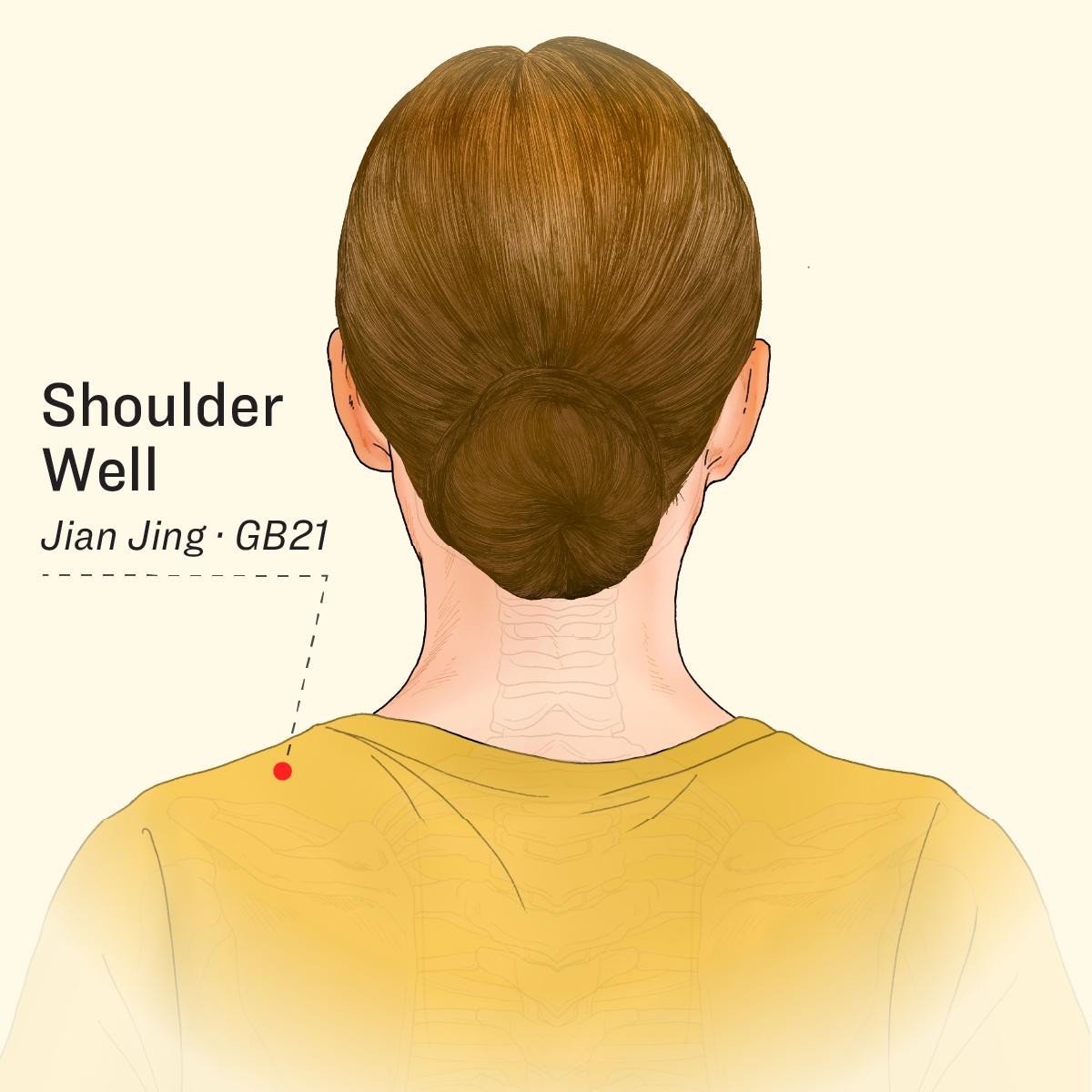
TCM also uses acupuncture and acupressure as part of the treatment approach, Tien said.Tien recommends performing daily self-massage of the following acupoints in the morning, spending about three minutes on each point:
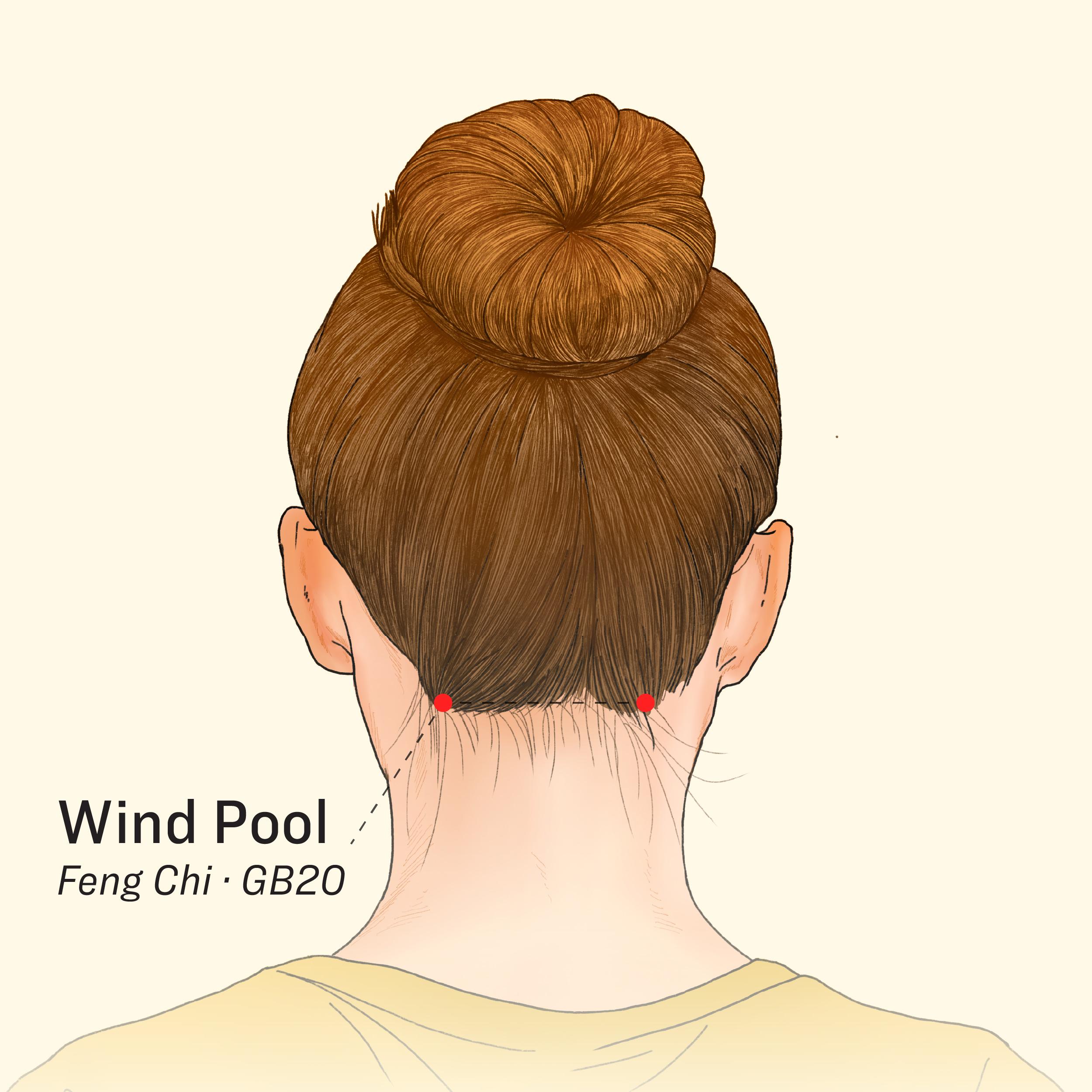
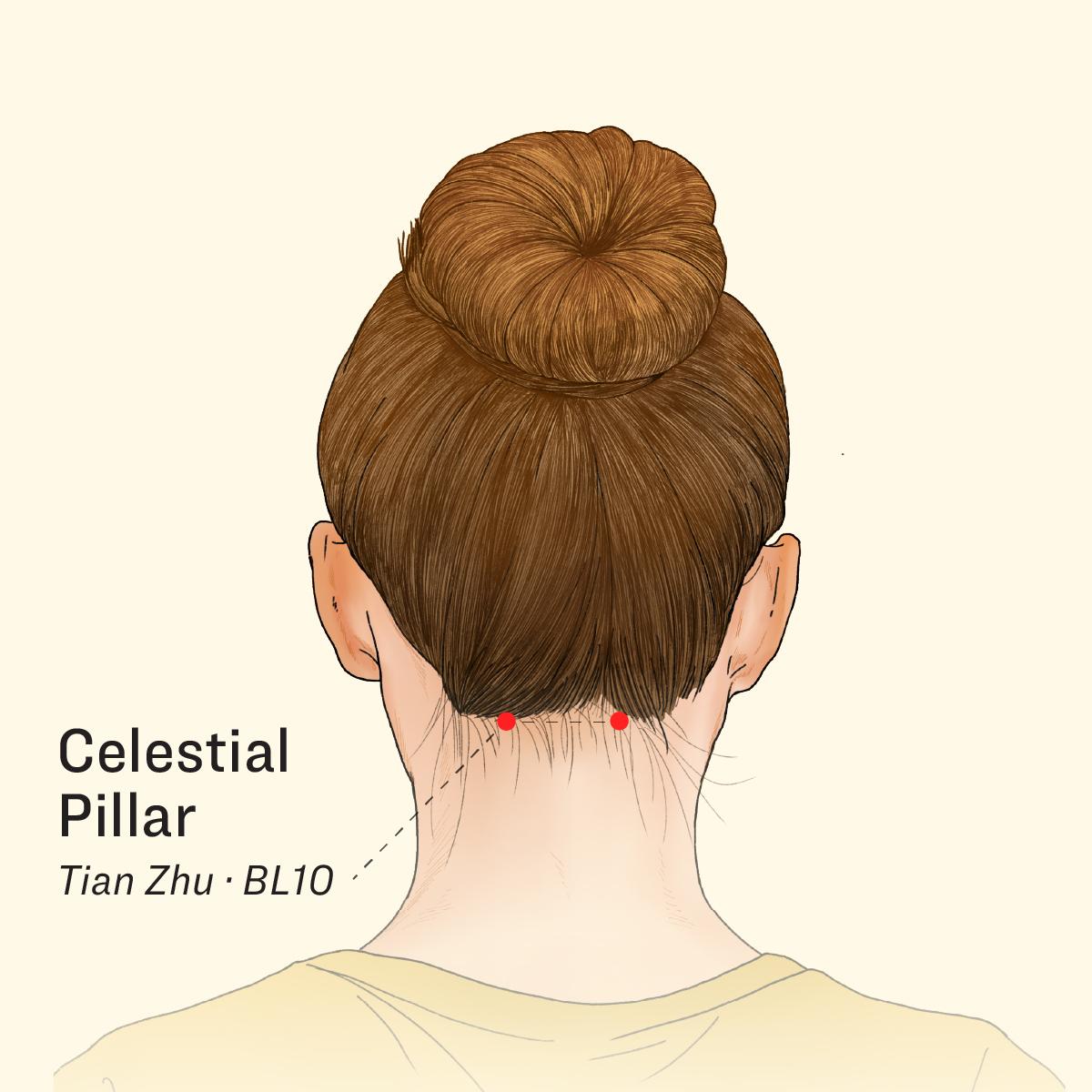
Massaging these three acupoints can help relax the muscles of the upper airway, according to Tien.
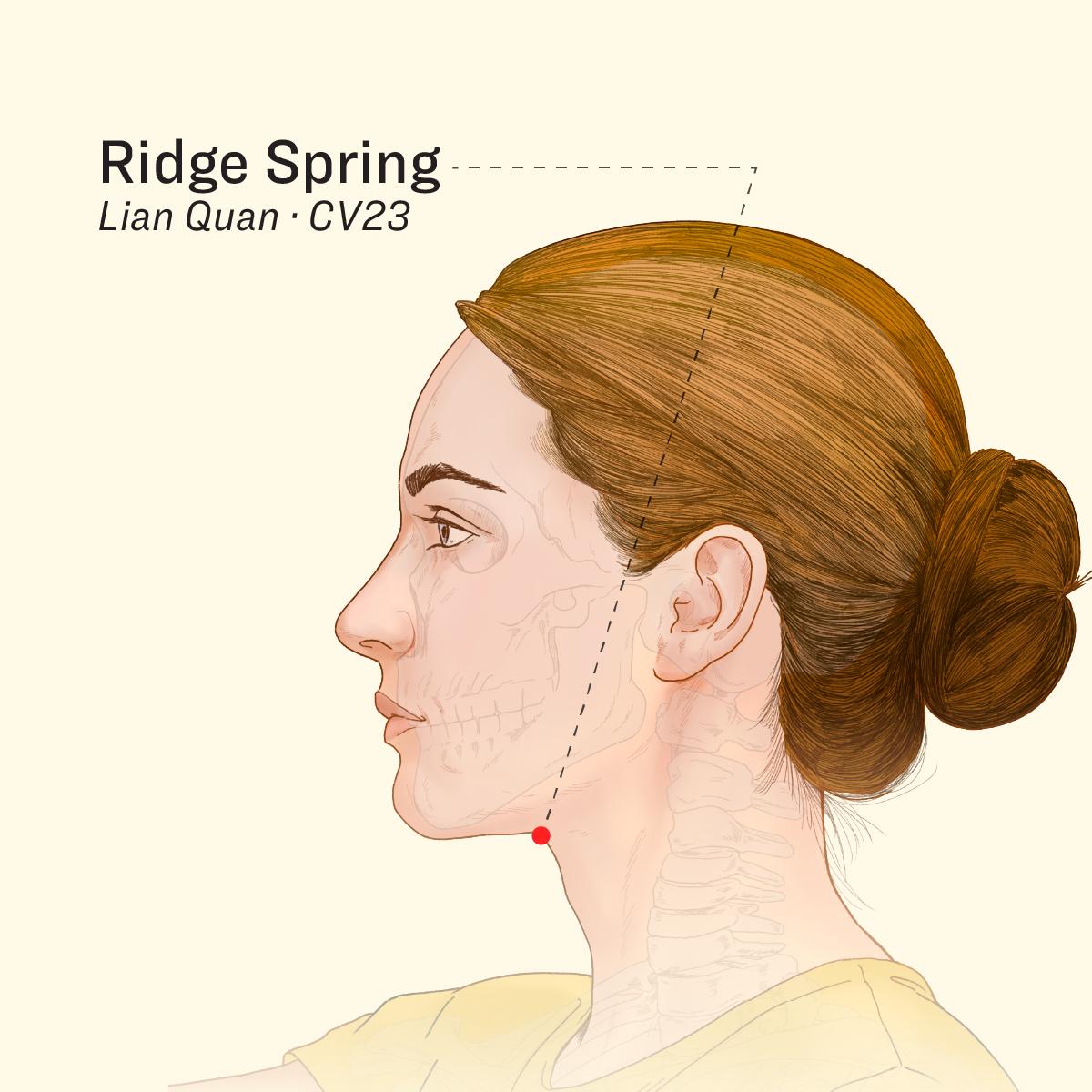
Additionally, massaging the ridge spring (lian quan, CV23) acupoint may help prevent the tongue from falling backward, thereby improving airway obstruction and symptoms of sleep apnea.
Prevention and Long-Term Care
The prevention and management of sleep apnea should rely not on a single approach but instead on long-term, comprehensive lifestyle adjustments.Tongue Muscle Exercises
Tien recommends regularly performing tongue muscle exercises to help increase muscle tone and flexibility. One method involves pressing the tip of the tongue against the roof of the mouth and sliding it back and forth along the palate repeatedly. This stimulates upward tongue strength, which helps the tongue maintain adequate muscle support during sleep and prevents it from falling backward and obstructing the airway.Additional Preventive Measures
Japanese TCM practitioner Ritsugaku Ken told The Epoch Times that the following measures can help prevent sleep apnea and support overall health:- Maintain a Healthy Weight: Being overweight or obese is a major risk factor for sleep apnea. Maintaining a healthy weight can help reduce this risk.
- Engage in Regular Exercise: Long-term, consistent physical activity improves the elasticity and tone of muscles throughout the body, including those in the throat. It also helps maintain a healthy muscle-to-fat balance, reducing excess fat accumulation and lowering the risk of sleep apnea.
- Change Your Sleep Position: Sleeping on the back causes the tissues of the mouth and throat to relax, increasing the likelihood of airway obstruction. Ken recommends sleeping on one’s side to reduce this risk.
- Reduce Alcohol and Tobacco Use: Alcohol and tobacco use can weaken and irritate the airway, increasing the risk of sleep apnea.
A Condition Not to Ignore
Sleep apnea is a widespread yet often overlooked condition with serious health consequences.Early diagnosis and appropriate treatment—combined with supportive lifestyle strategies—can significantly reduce risks and improve quality of life.
If you or a loved one experiences loud snoring, daytime fatigue, or interrupted breathing during sleep, seeking medical evaluation may be a critical first step—because what happens at night can have lasting effects on nearly every system in the body.