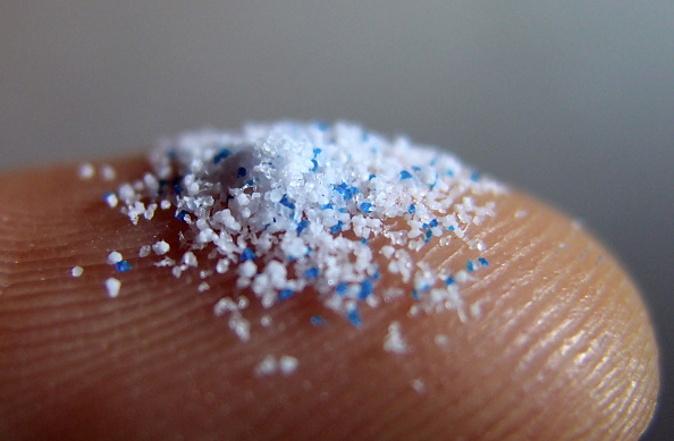
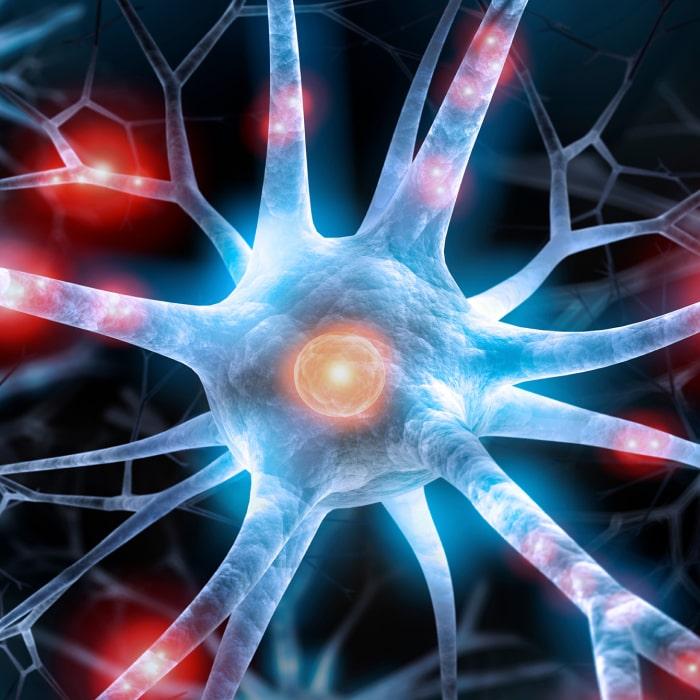
Comprehensive review of 3,000 studies reveals widespread health risks from airborne microplastic particles, including cancer and reproductive issues.

Microplastics easily enter and accumulate in the human body, but their health impacts remain elusive.
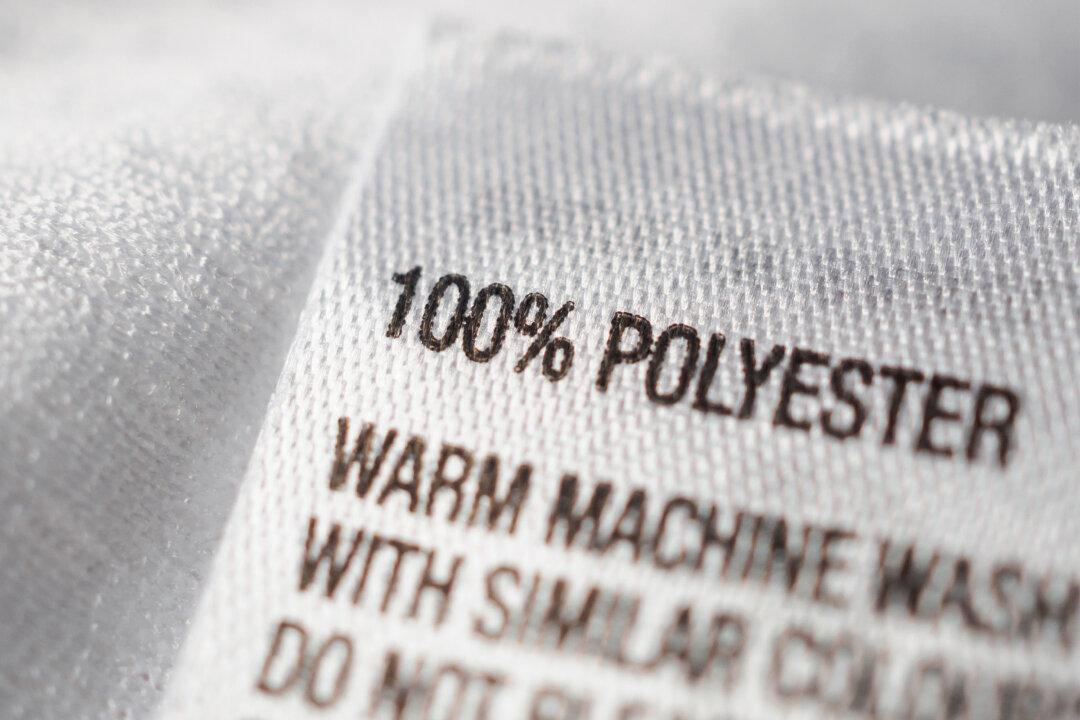
Research shows that microplastics can be found anywhere—including in heart plaque buildup, which significantly increases risk of heart-related adverse events.

Microplastics have, for several decades, invaded our environment and threaten the health of all living organisms on the planet, including humans.
Amid debates on a global treaty to end plastic pollution, mounting research reveals risks to human health and an urgent need for solutions.

Researchers found nearly three times more microplastics in human samples than in canine samples in a new study.

Such widespread microplastic prevalence in human tissue could explain the puzzling rise in colon cancer among younger people.

A recent study found that in 2018 alone, phthalates may have contributed to more than 56,000 preterm births.

More than a century after the invention of the first fully synthetic plastic, we’re still ignorant of the nature of these supremely useful substances.

Experts say the new findings add to evidence linking plastics pollution to disease, urge political action to reduce environmental toxins.
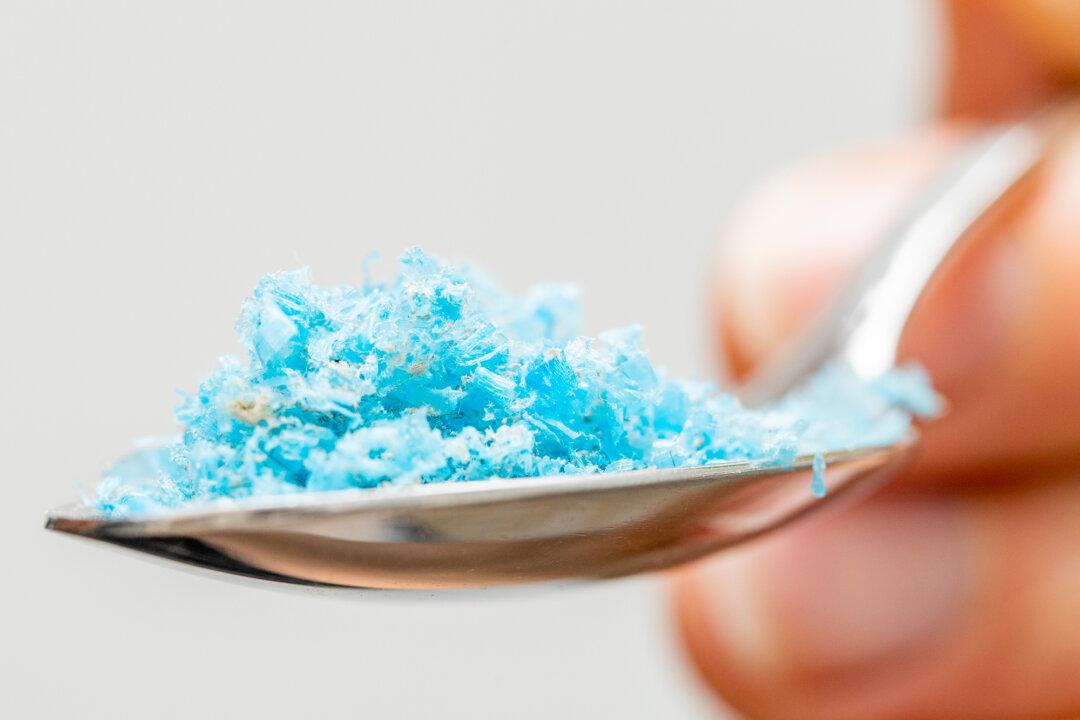
Seemingly everywhere, microplastics are here to stay, polluting our bodies and the environment.

Eve Schaub and her family went from 96 gallons of trash per week to a mere nine—will you accept the challenge?

Early research shows reason for concern, finding microplastics can cause inflammation and oxidative stress in mice and accumulate in animal organs.